

Maddy summarySB 625 requires parties in Oklahoma civil lawsuits to disclose commercial litigation funding agreements (where third parties fund lawsuits) upon request. It mandates a sworn certification confirming whether foreign governments or entities control the funding source, including specific details about foreign state involvement. The bill prohibits such funding agreements or related information from being used as evidence in court, while exempting consumer-focused litigation funding agreements. This directly affects parties in civil litigation and courts handling discovery requests.
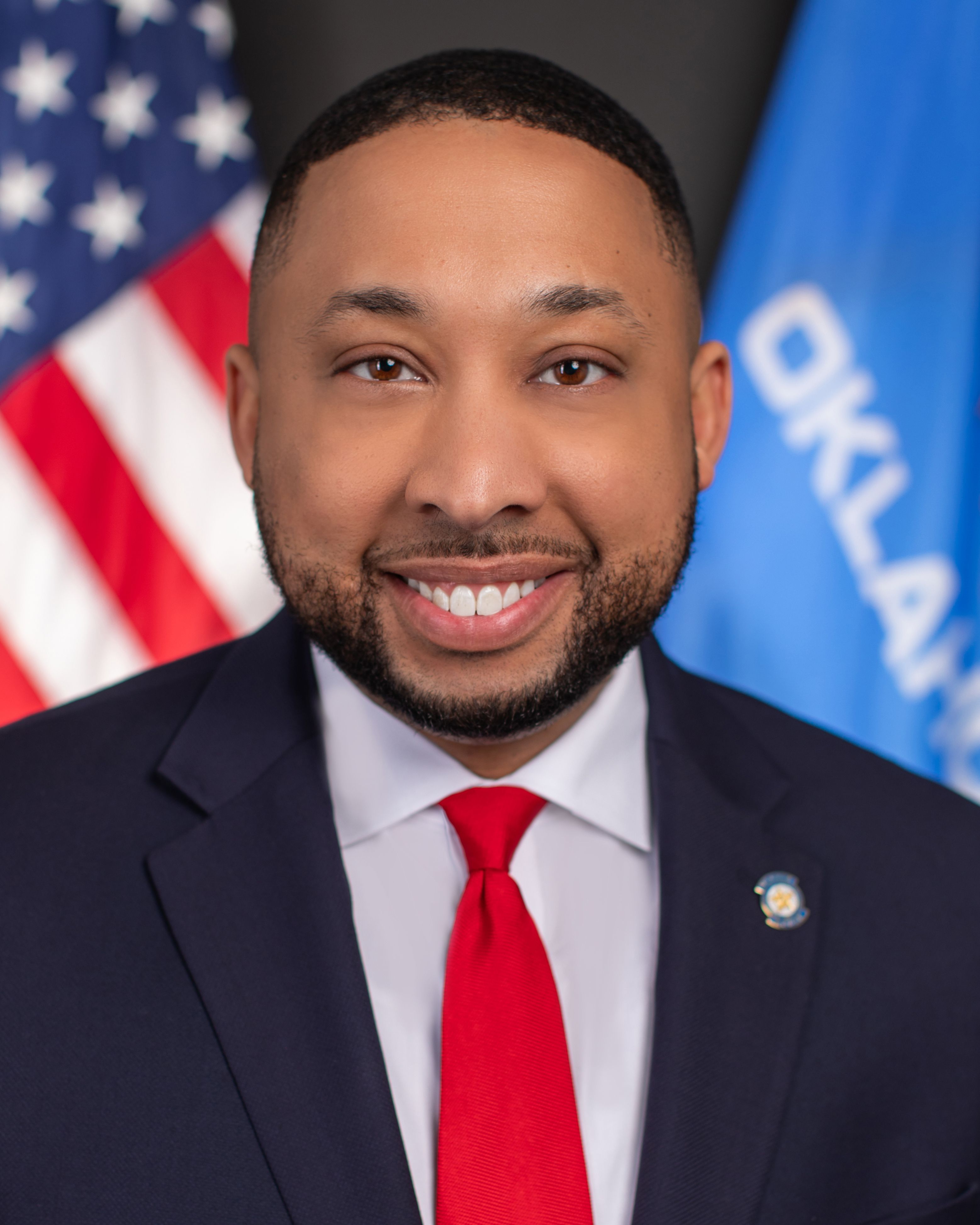
Rep. Erick Harris
Sponsored bills
Maddy summaryHB 3742 amends Oklahoma's criminal discovery rules to shorten the time limit for completing pre-trial evidence exchanges. It specifically requires prosecutors to disclose detailed information about jailhouse informants - including their criminal history, any deals made with them, and specific statements made to them - 10 days before trial. The bill also mandates district attorneys to maintain centralized records of all cases using jailhouse informants, with annual de-identified reports published by the District Attorneys Council. This directly affects criminal defendants, prosecutors, and jailhouse informants in Oklahoma court proceedings by increasing transparency around informant credibility. The changes aim to streamline discovery while improving accountability for informant testimony.
Maddy summaryHB 2650 amends Oklahoma's civil procedure rules to address abusive discovery practices, primarily affecting parties in civil lawsuits and high-ranking officers of large, complex organizations (government or private). The bill establishes clear standards for courts to issue protective orders preventing depositions of such officers: the party seeking protection must prove the officer has scheduling demands and lacks unique personal knowledge of the case, while the opposing side must show other discovery methods were exhausted and the officer possesses unique knowledge. Courts may also award reasonable expenses, including attorney fees, to the prevailing party in discovery disputes. The law takes effect November 1, 2025.
Maddy summaryHB 3748 amends Oklahoma county commissioners' powers to include new provisions for county employee education and highway management. It establishes a tuition reimbursement program for county employees who maintain A/B grades in approved courses, requiring a one-year service commitment after participation. The bill also modifies highway relocation procedures, requiring institutions (like four-year universities) to notify county commissioners in writing and hold public hearings before altering highways adjacent to their property. These changes directly affect county employees seeking professional development and institutions managing land adjacent to public roads. The bill does not alter existing funding or create new taxes.
Maddy summaryHB 3587 allows Oklahoma courts to order outpatient mental health treatment instead of hospitalization for eligible individuals, prioritizing community-based care when it meets treatment needs and prevents harm to the person or others. The bill requires certified community mental health centers to develop treatment plans in collaboration with the individual, advocates, and their treatment team, which must be approved by the court. Courts must review these plans at least every 90 days through status hearings (with 72-hour notice), prohibit forced medication administration, and allow modifications or extensions if needed. This law directly affects individuals under court-ordered outpatient treatment and mental health providers, ensuring structured oversight while preserving patient rights.
Maddy summarySB 2178 requires organizations applying for special event alcohol licenses (such as nonprofits hosting fundraisers or festivals) to hold general liability insurance with at least $1 million per incident and $2 million aggregate coverage for liquor-related incidents. It applies to all special event license applicants, except economic development chambers using licensed caterers for non-fundraising events. The bill updates existing rules to enforce this insurance requirement as a condition for license issuance, aligning special event sales rules with those for permanent liquor licenses. The law takes effect November 1, 2026.
Maddy summarySB 1256 requires courts to mandate ignition interlock devices for defendants charged with second or subsequent DUI offenses (Section 11-902 of Title 47) as a condition of bail. It applies specifically to individuals with documented alcohol dependence or a pattern of regular alcohol abuse, as determined by evidence presented during bail hearings. The bill amends Oklahoma's bail procedures to add this requirement, ensuring that repeat DUI offenders cannot secure release without installing an ignition interlock device. This policy change directly affects defendants facing second or subsequent DUI charges who are deemed to have alcohol abuse issues. The bill does not alter DUI penalties but modifies bail conditions to include this safety measure.
Maddy summaryHB 3845 allows Oklahoma courts to revoke or suspend a parent's driver's license, hunting/fishing permits, or vessel registrations if they fail to pay child support for 90+ days or avoid related legal requirements. The bill specifically authorizes courts to suspend licenses for noncompliance with child support orders, including missed payments, failure to follow payment plans, or refusal to undergo paternity testing. Instead of immediate license loss, courts may offer probation: parents can keep licenses by agreeing to pay back child support through a court-approved plan, with probation lasting up to three years. This directly affects parents who owe child support, not the children or custodial parents, and expands enforcement beyond previous recreational license restrictions to include driver's licenses.
Maddy summaryThis bill proposes a constitutional amendment to require future Oklahoma Attorneys General to be licensed attorneys who have practiced law in Oklahoma for at least ten years. It specifically adds this requirement to Section 3 of Article VI of the Oklahoma Constitution, which already sets age and residency qualifications for state executive offices. The amendment would apply only to the Attorney General position, not to other offices like Governor or State Treasurer listed in the existing section. If approved by voters, this change would become part of the state constitution, affecting all candidates seeking the Attorney General role.
Maddy summaryHB 3584 modifies Oklahoma's sentencing rules for human trafficking convictions. It requires individuals convicted of human trafficking (as defined in Section 748) to serve at least 85% of their prison sentence before becoming eligible for parole, with no earned credits allowed to reduce this time. The bill expands the definition of "human trafficking" to explicitly include child sex trafficking and trafficking involving minors, while defining key terms like "coercion" and "commercial sex." This policy directly affects convicted traffickers, particularly those involved in cases exploiting children or forcing commercial sex acts.