

Maddy summarySB 54 modifies Oklahoma's driving under the influence (DUI) law to expand what constitutes a violation, including driving under the influence of any controlled substance (like marijuana) or combined alcohol and drugs, and applies the law to private roads accessing homes. It creates tiered penalties: first offenses are misdemeanors (up to 1 year jail, $1,000 fine), while repeat offenses become felonies with escalating sentences (1-5 years for second offenses, up to 20 years for fourth offenses). Key provisions require mandatory substance abuse evaluations, treatment at the defendant's expense, ignition interlock devices for 30-90 days, and community service for repeat offenders. The bill directly affects anyone convicted of DUI/DWI, particularly those with prior convictions, by increasing penalties and adding treatment and device requirements.
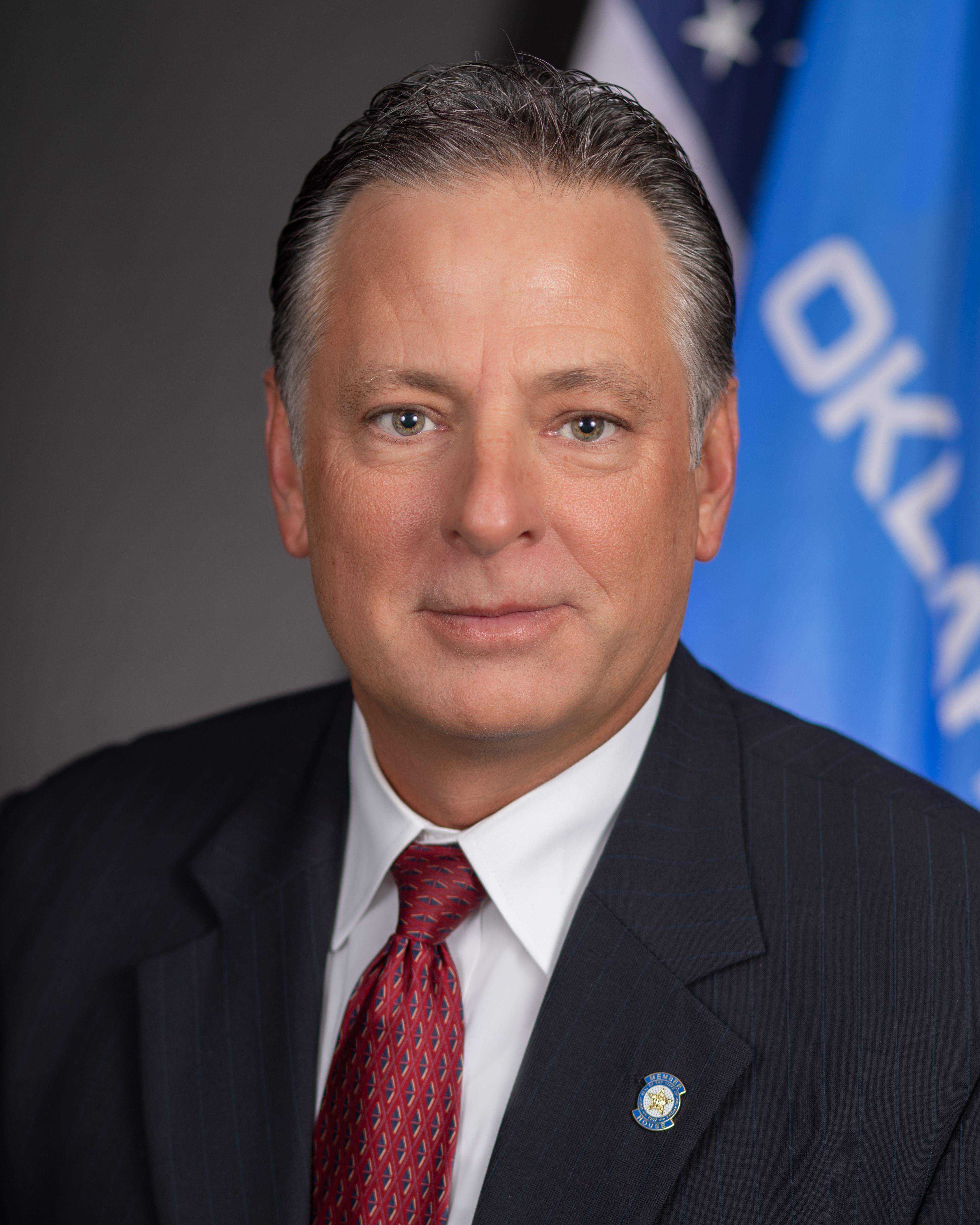
Rep. John George
Sponsored bills
Maddy summarySB 631 requires offenders convicted of 23 specific serious crimes - including child pornography, human trafficking, aggravated assault on a defender, and discharging firearms into buildings - to serve at least 85% of their prison sentence before becoming eligible for parole. It expands the existing 85% service requirement to include these new offenses, which were previously not subject to this rule. The bill also prohibits earned credits or other reductions that would lower the required service below 85% for these convictions. This applies to anyone convicted of these offenses in Oklahoma, effective November 1, 2025.
Maddy summaryHB 1592 defines "organized retail crime" in Oklahoma by specifying eight scenarios where theft becomes a more serious offense, such as stealing items for resale, using tools to evade detection, or removing security devices. It sets penalties: up to 5 years in prison for property under $15,000 and up to 8 years for $15,000 or more, plus restitution to victims. The bill also amends laws to clarify "patterns of criminal offenses" and recreates the Oklahoma Organized Retail Crime Task Force through 2026 to study retail theft and recommend solutions. The task force includes 15 members representing law enforcement, retailers, and state agencies, with a requirement to report findings to the Legislature and Governor.
Maddy summarySB 631 expands Oklahoma's "85% rule" to require inmates convicted of 23 specific serious offenses to serve at least 85% of their prison sentence before becoming eligible for parole. This applies to crimes including first-degree murder, rape, child exploitation (such as child pornography or trafficking), human trafficking, aggravated assault on someone defending another, and discharging a firearm into occupied buildings. The bill eliminates parole eligibility for these offenses until 85% of the sentence is served, removing options like earned credits that could shorten sentences. It directly affects individuals convicted of these listed offenses, ensuring they serve a longer portion of their sentences. The law takes effect November 1, 2025.
Maddy summarySB 54 modifies Oklahoma's DUI/DWI laws by expanding the definition of impaired driving to include any Schedule I controlled substance (like marijuana or opioids) and their metabolites, not just alcohol. For first-time offenders, penalties remain a misdemeanor (10 days to 1 year in jail, up to $1,000 fine), but a second offense within 10 years becomes a felony punishable by 1-5 years in prison, up to $2,500 in fines, and mandatory treatment or ignition interlock device use for at least 30 days. The bill also removes the defense that a person was lawfully using alcohol or drugs at the time of arrest. This directly affects drivers convicted of operating a vehicle under the influence of alcohol, drugs, or a combination of both.
Maddy summarySB 607 allows statements made by domestic abuse victims to law enforcement within one week of an incident, on protective order applications within one week, or as testimony at protective order hearings to be automatically admissible as evidence in criminal and juvenile domestic abuse cases. This applies to pre-trial hearings, probation revocation hearings, and other related proceedings. The bill directly affects victims seeking legal protection and prosecutors building cases, streamlining the use of timely victim statements without requiring additional verification. It becomes effective November 1, 2025, and codifies these admissibility rules in Oklahoma's Evidence Code.
Maddy summaryThis Oklahoma bill amends existing criminal laws to clarify that intentionally distracting emergency responders from their official duties is unlawful. The key change replaces the term "intentionally" with "distracts the" and adds specific language stating that the act must prevent responders from performing their official duties. This provision directly affects individuals who might interfere with police, fire, or medical personnel by focusing on their ability to carry out critical tasks. The bill became law without the governor's signature on May 15, 2025, and applies to all emergency response situations within the state.
Maddy summaryThe provided text details a committee amendment to HB 1597, not the full bill itself. This amendment modifies language within the bill concerning acts related to crimes and punishments. It clarifies that certain unlawful acts involve actions that "distracts the responder from performing his or her official duties." Without the full text of HB 1597, a complete summary of the bill's overall purpose and specific impacts cannot be provided.
Maddy summarySenate Bill 607 modifies the Oklahoma Evidence Code regarding domestic abuse cases. It allows certain statements made by victims of domestic abuse to be admissible as evidence in criminal and juvenile domestic abuse prosecutions. For a statement to be admissible, it must have been made to a law enforcement officer or on a protective order application within one week of the incident, or given as testimony at a protective order hearing. This change applies to various stages of prosecution, including preliminary hearings and probation revocation hearings.
Maddy summarySB 786 prohibits consuming marijuana or possessing open marijuana containers in the passenger area of any moving vehicle on public roads, and bans inhaling secondhand marijuana smoke while driving. It increases the trauma-care fee for violations from $100 to $250, requiring payment into Oklahoma's Trauma Care Assistance Fund. The law applies to all drivers on public highways, streets, or alleys, with exemptions only for buses and limousines (where drivers still cannot consume alcohol or marijuana). It became law without the governor's signature on May 14, 2025, and takes effect November 1, 2025.