

Maddy summaryHB 1581 establishes requirements for county-level child abuse review teams in Oklahoma, directly affecting district attorneys, law enforcement, child welfare agencies, and medical professionals. The bill mandates that each district attorney create a multidisciplinary team including law enforcement, medical staff, child protective services workers, and mental health professionals to coordinate investigations of child sexual abuse, physical abuse, or neglect. Key provisions require teams to develop written protocols for joint investigations and interviews, standardize procedures, eliminate duplicative efforts, and undergo annual reviews by the Oklahoma Multidisciplinary Team Council to ensure compliance. Teams must also publicly report annually on child death/near-death case reviews and coordinate with the Oklahoma Commission on Children and Youth.
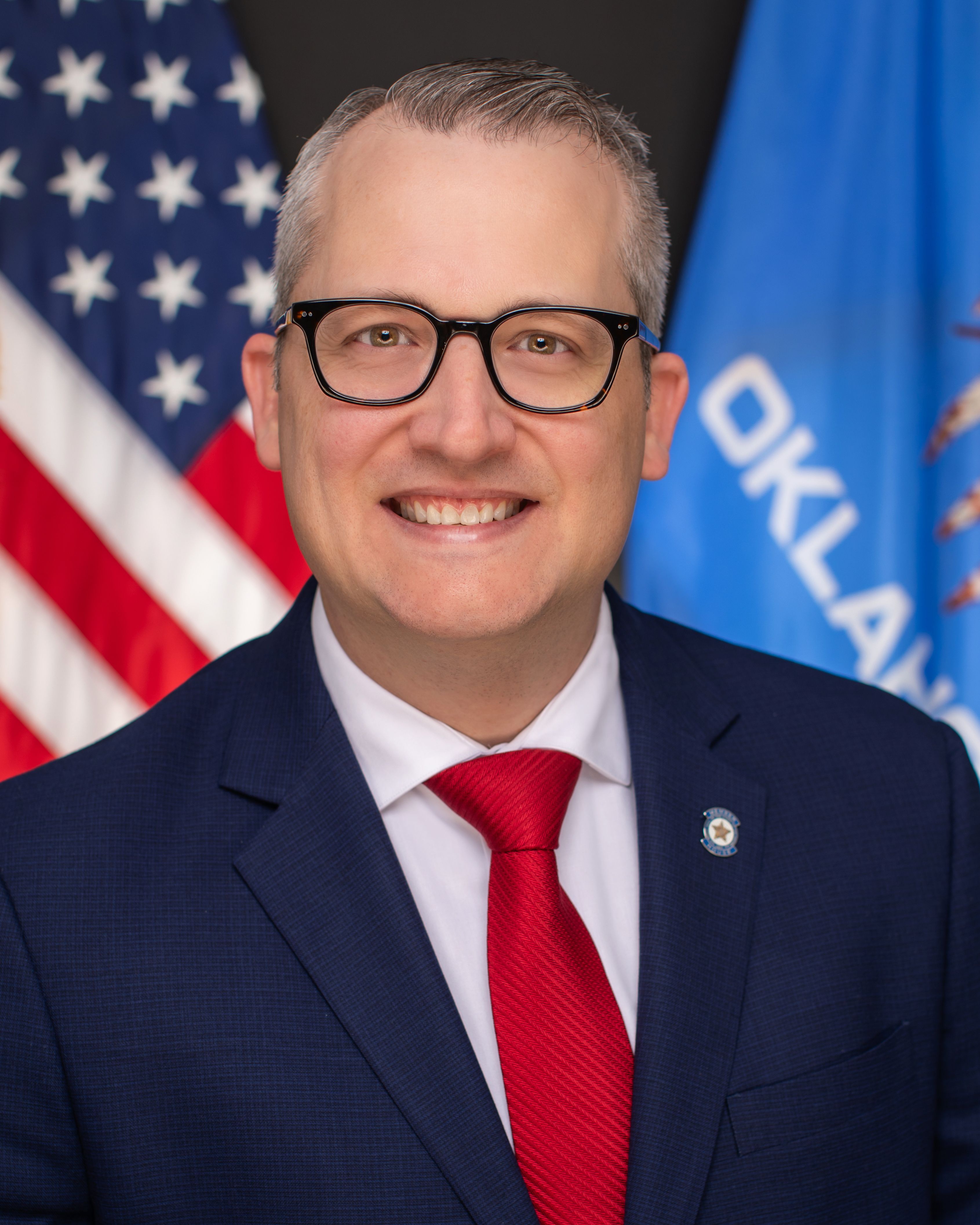
Rep. Mark Lawson
Sponsored bills
Maddy summarySB 474 requires businesses that buy goods to resell (like wholesalers) to obtain a free permit from the Oklahoma Tax Commission to claim sales tax exemption on those purchases. Vendors must honor valid permits, and claiming exemption without one is a misdemeanor punishable by up to $1,000. Permits expire June 30 annually and can be verified electronically by sellers through a system developed by the Tax Commission. This replaces the previous system where businesses could self-claim the exemption without verification. The bill takes effect June 1, 2026.
Maddy summarySB 474 requires businesses buying goods for resale in Oklahoma to obtain a free permit from the Oklahoma Tax Commission to claim the sales tax exemption. Vendors must honor valid permits and can verify them electronically through a new system, which creates a presumption of validity. Businesses claiming exemption without a permit face misdemeanor charges punishable by up to $1,000 fines. Permits expire annually on June 30 and apply to all resellers, including multi-location businesses operating under a single permit.
Maddy summaryHB 1573 requires Oklahoma's Department of Human Services (DHS) to build, maintain, and oversee a secure facility for handling confidential information. The bill defines this facility as a physically and procedurally restricted area where sensitive data - like personal records - can be stored, processed, or discussed only by authorized DHS personnel. It directly affects DHS operations by mandating this facility’s creation, with implementation required by November 1, 2025. The bill focuses solely on administrative infrastructure, not on changing service eligibility or funding for residents.
Maddy summaryHB 1573 defines a "sensitive compartmented information facility" as a secure area for handling confidential information and requires the Oklahoma Department of Human Services to manage its building and maintenance. This is a procedural administrative bill with no direct impact on public services, individuals, or policy changes. It creates a new statutory requirement for the department’s internal facility management, effective November 1, 2025. The bill does not alter eligibility for services, funding, or existing programs.
Maddy summaryThis bill establishes the Oklahoma Housing Act of 2025 as a new state law, though it does not create any specific housing programs or regulations. The legislation only provides a formal name and citation for future housing-related laws and sets the effective date as November 1, 2025. It does not directly affect individuals, businesses, or government agencies beyond establishing this legal framework. The bill is currently in its early stages and has not yet been passed into law.
Maddy summaryHB 1584 is a procedural bill that names the "Children and Juvenile Code Act of 2025" and sets its effective date as November 1, 2025. It does not change existing laws or create new policies; it solely establishes the title for future legislative references under the Children and Juvenile Code. The bill has no direct effect on individuals or entities, as it serves only as a formal naming convention. This is a standard procedural measure, not substantive legislation.
Maddy summaryThis is a procedural bill that names the "Programs of All-Inclusive Care Act of 2025" and sets its effective date for November 1, 2025. It does not create new programs or change existing laws, as it explicitly states the act will not be codified in Oklahoma Statutes. The bill serves only to provide a title and effective date for future legislative action. It directly affects no individuals or entities, as it is purely administrative.
Maddy summaryHB 1582 requires businesses purchasing goods for resale to obtain a free "Sale for Resale" permit from Oklahoma's Tax Commission. Vendors must honor these permits and can verify their validity through an official electronic system, which creates a presumption of valid exemption. The law affects businesses buying inventory tax-free for resale (not end consumers), mandating permits for each business location (with multiple locations allowed under one permit). Permits expire annually on June 30, and vendors who fail to verify permits or claim exemption without one face misdemeanor penalties. The bill takes effect June 1, 2026.
Maddy summaryHB 1586 is a procedural bill that names the "Oklahoma Public Health and Safety Reform Act of 2025" and sets its effective date as November 1, 2025. It does not establish new policies, regulations, or funding mechanisms; it only provides a title and effective date for the act. The bill is not codified in Oklahoma Statutes and has no direct impact on public health programs or services. This is a routine legislative naming and scheduling measure with no substantive policy changes.