

Maddy summarySB 1609 allows victim statements about specific violent incidents - poisoning, shooting, or assault with intent to kill - to be used as evidence in court. These statements, made within one week to law enforcement or in protective order applications, become admissible in criminal and juvenile cases, including hearings on probation or protective orders. The bill directly affects victims of these crimes and law enforcement by streamlining how their accounts can be presented in court. It removes typical barriers requiring separate proof of reliability for such statements, making them automatically admissible under the specified conditions.
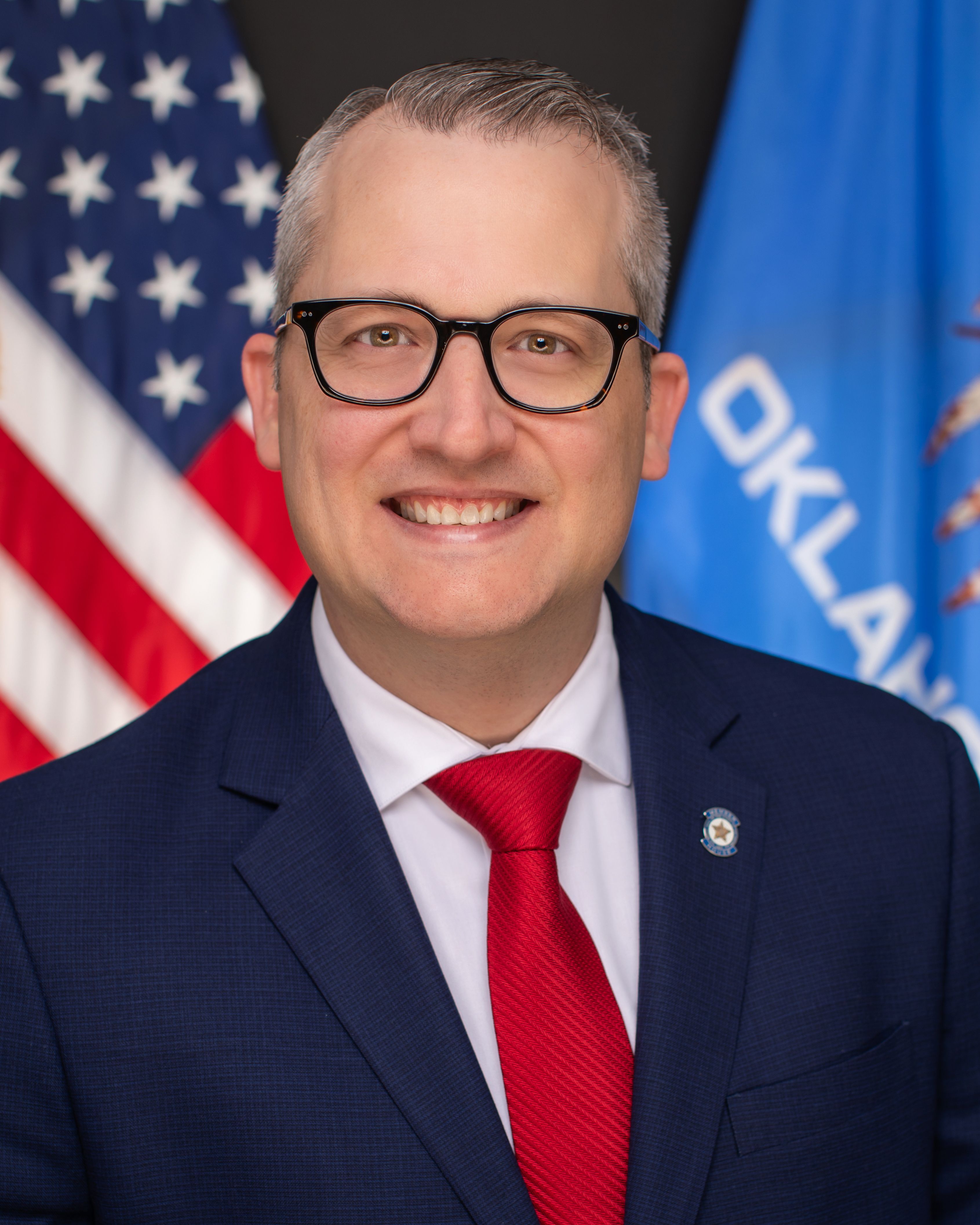
Rep. Mark Lawson
Sponsored bills
Maddy summaryThis bill proposes to create a new law called the Oklahoma Criminal Procedure Act of 2026, which would establish a formal framework for criminal procedures in the state. The legislation would become effective on November 1, 2026, and is currently in the early stages of the legislative process. It does not specify particular changes to existing criminal procedures or identify specific groups affected by the new act. The bill is currently being reviewed by the House Rules Committee following its introduction.
Maddy summaryHB 3623 creates the "Oklahoma State Capitol Security Act of 2026" as a procedural measure to establish a dedicated security framework for the state capitol building. The bill names the act, sets its effective date as November 1, 2026, and specifies it will not be codified into the Oklahoma Statutes. It does not detail specific security protocols, staffing, or funding mechanisms, as it serves primarily as a naming and organizational measure. This procedural bill directly affects the governance of capitol security operations but does not alter existing security practices or create new obligations.
Maddy summaryHB 3635 is a procedural bill that names itself the "Oklahoma Mental Health Reform Act of 2026" and sets an effective date of November 1, 2026. It does not describe any substantive policy changes or provisions. The bill was introduced on February 2, 2026, and referred to the Rules committee. As a naming and effective date bill, it has no direct policy impact at this stage.
Maddy summaryHB 3639 is a procedural bill that names the "Open Meeting Reform Act of 2026" and sets its effective date. It does not alter existing open meeting laws or create new requirements; it solely establishes the bill's official title and specifies November 1, 2026, as its effective date. The bill has no substantive policy changes or direct impact on citizens, government bodies, or voting procedures. It is currently in early legislative stages (first reading, referred to Rules) but contains no operational provisions. This summary reflects only the bill's stated naming and effective date provisions.
Maddy summaryHB 3640 names the "Marriage Act of 2026" and sets its effective date as November 1, 2026. This is a procedural bill with no substantive policy changes, simply establishing the act's official title and implementation date. It does not alter marriage laws or directly affect any individuals or groups. The bill serves only to formally name the legislation and specify when it takes effect.
Maddy summaryHB 3634 establishes the "Oklahoma Mental Health Reform Act of 2026" as a named legislative act and sets its effective date for November 1, 2026. The bill does not detail specific policy changes or mechanisms, as it is structured as a procedural act to be cited without codification in the Oklahoma Statutes. It directly affects the legislative process for future mental health-related legislation by providing a formal title and implementation timeline. This summary is based solely on the bill's title, effective date, and procedural language as provided in the text.
Maddy summaryHB 3643 names the "State Government Act of 2026" and sets its effective date as November 1, 2026. This is a procedural bill with no substantive policy changes or direct impact on residents or government operations. It solely establishes the bill's official title and implementation date. The measure does not alter existing laws or create new requirements. The bill is currently in early committee review (referred to Rules after second reading).
Maddy summaryHB 3642 is a procedural bill that names the "State Government Act of 2026" and sets its effective date. It does not create new policies or affect any specific groups, as it only establishes the bill's name and specifies November 1, 2026, as its implementation date. The bill is noncodified, meaning it will not be included in Oklahoma's official statutes. This is a standard administrative step for legislative naming, with no substantive policy changes.
Maddy summaryHB 3626 updates Oklahoma's Medicaid appeal process and provider reimbursement rates. It requires human reviews (by licensed physicians or mental health professionals, not automated systems) for denied claims within six months, with reviewers meeting specific expertise and conflict-of-interest standards. The bill sets minimum reimbursement rates until July 2027: 100% of the fee schedule for network providers and 90% for out-of-network providers. It specifically mandates that psychologists receive full reimbursement for services including intake, testing, and assessments - not just therapy - and establishes new rates for psychologists who win appeals. These changes directly affect Medicaid providers, particularly mental health professionals, and the Oklahoma Health Care Authority.