

Maddy summaryHB 1519 amends Oklahoma's Parental Choice Tax Credit Program to expand tax credits for families using private school education. It removes previous caps on credits, sets income-based maximums (ranging from $5,000 to $7,500 annually), and specifies that credits apply to tuition at accredited private schools, tutoring, educational materials, and standardized test fees for eligible students. The bill directly affects Oklahoma taxpayers with children enrolled in qualifying private schools or alternative education programs, including special provisions for schools serving homeless students or financially disadvantaged students (defined as 90% of students with family incomes at or below 250% of the federal poverty level). The credit is refundable if it exceeds the taxpayer's income tax liability.
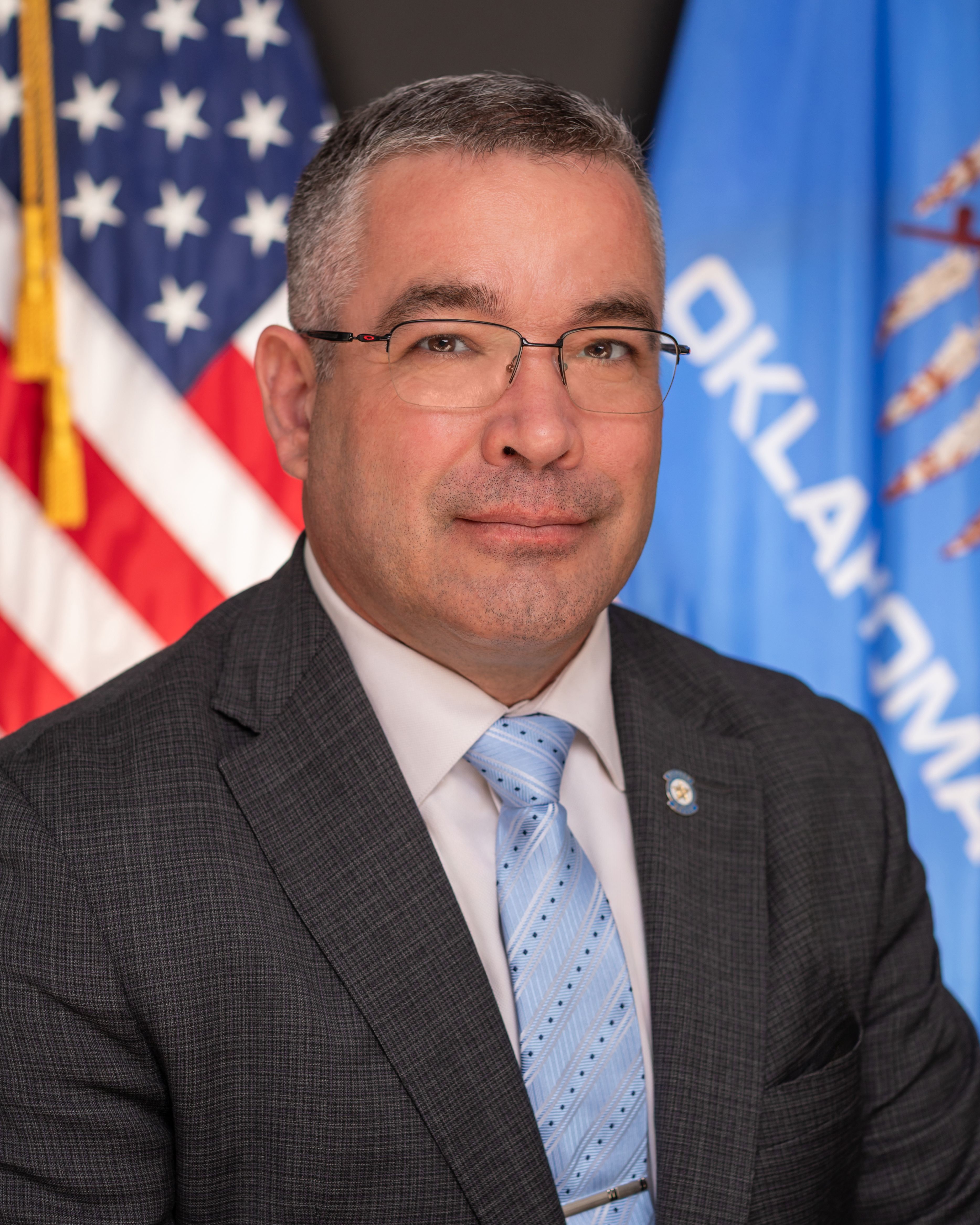
Rep. Chris Banning
Sponsored bills
Maddy summaryHB 1520 is a procedural bill that formally names the "Oklahoma Liens Reform Act of 2025" and sets its effective date as November 1, 2025. It does not describe any substantive changes to lien laws or affect specific individuals or entities. The bill serves only to establish the act's official name and implementation timeline. As a procedural measure, it has no direct policy impact beyond naming the legislation. This bill is currently in early stages (first reading, referred to Rules Committee) with no provisions altering current lien practices.
Maddy summaryHB 1517 allows banks in Oklahoma to permit a surviving spouse to take control of a deceased spouse's bank accounts (including checking and savings) at the bank's discretion. To access these accounts, the surviving spouse must provide a death certificate listing their name and two forms of government-issued ID (one with a photo, like a driver's license or passport), matching the name on the certificate. Banks must keep digital or photo copies of these documents for 10 years. The bill directly affects surviving spouses seeking access to a deceased spouse's accounts and sets clear documentation requirements for banks. It takes effect November 1, 2025.
Maddy summaryHB 1152 increases compensation for property owners facing eminent domain in Oklahoma. It requires acquiring agencies to offer at least 150% of a property's fair market value appraisal (not just the market value) before negotiations, and prohibits counting value increases caused by the public project itself (like a new highway) when calculating compensation. Property owners must receive a written explanation of the offered amount, and they cannot be forced to surrender property before payment. The bill directly affects homeowners, businesses, and landowners whose property is acquired for public projects like roads or infrastructure. It takes effect November 1, 2025.
Maddy summaryHB 1154, introduced by Representative Banning, creates the name "Reliable Energy Policy Act of 2025" and sets its effective date as November 1, 2025. This is a procedural bill with no substantive policy provisions or mechanisms described in the text. It does not affect any specific entities or create new requirements for energy policy. The bill serves only to name an act and establish a future effective date, without altering existing laws or imposing new obligations.
Maddy summaryHB 1153 increases penalties for distributing obscene material or child sexual abuse material in Oklahoma. It raises punishments for distributing obscene material to a misdemeanor felony (1-3 years in jail or $2,000 fine), and for child sexual abuse material to a felony (3-20 years in prison or $10,000 fine for first offense; 10-30 years or $20,000 fine for repeat offenses), with mandatory sex offender registration. The bill directly affects individuals who distribute such material, including photos, videos, or publications. Key provisions include steeper fines, longer prison terms for repeat violations, and automatic sex offender registration upon conviction. The law takes effect November 1, 2025.
Maddy summaryHB 1518 establishes the title "Oklahoma Revenue and Taxation Act of 2025" for future tax legislation and sets its effective date as November 1, 2025. This is a procedural bill that does not create new tax policies or affect taxpayers directly; it solely names a future tax law. The bill has been introduced and referred to committee but contains no substantive tax changes. It will not be codified in Oklahoma Statutes, serving only as an administrative designation for upcoming tax legislation.
Maddy summaryHB 1517 allows banks to permit surviving spouses to take control of a deceased spouse's checking or savings accounts, but only after verifying identity with a death certificate listing the spouse and two forms of government ID (including photo ID). Banks must keep digital copies of these documents for 10 years. The law applies to all Oklahoma banking institutions and takes effect November 1, 2025. It directly affects surviving spouses seeking access to accounts without probate.
Maddy summaryHB 1154 is a procedural bill that names the "Reliable Energy Policy Act of 2025" and sets its effective date as November 1, 2025. It does not establish new policies, regulations, or direct impacts on any individuals or entities. The bill solely creates a named act without including substantive provisions or mechanisms. As a naming resolution, it has no direct policy effect beyond its title and effective date.
Maddy summaryHB 1152 increases compensation for property owners facing eminent domain by requiring public agencies to offer at least 150% of a property's appraised fair market value for acquisitions related to public projects. This directly affects homeowners, landowners, and businesses whose property is taken for infrastructure, utilities, or other public uses. Key provisions include prohibiting agencies from requiring vacating before payment, banning coercive tactics during negotiations, and requiring written justification for offered compensation amounts. The bill takes effect November 1, 2025.