

Maddy summaryHB 2899 modifies Oklahoma's teledentistry rules, requiring dentists to hold an Oklahoma license for online consultations with in-state patients and mandating proper record-keeping. It also expands the Oklahoma Dental Loan Repayment Program to increase dental access in underserved areas, offering up to $60,000 annually for five years to eligible dentists. Participants must provide dental care to at least 30% Medicaid patients or work in designated shortage areas (except pediatric specialists or FQHC providers), with faculty members required to teach at the University of Oklahoma College of Dentistry. The program targets new dental graduates with financial need who agree to serve Medicaid patients or rural/underserved communities, with penalties for failing service obligations. The bill takes effect November 1, 2025.
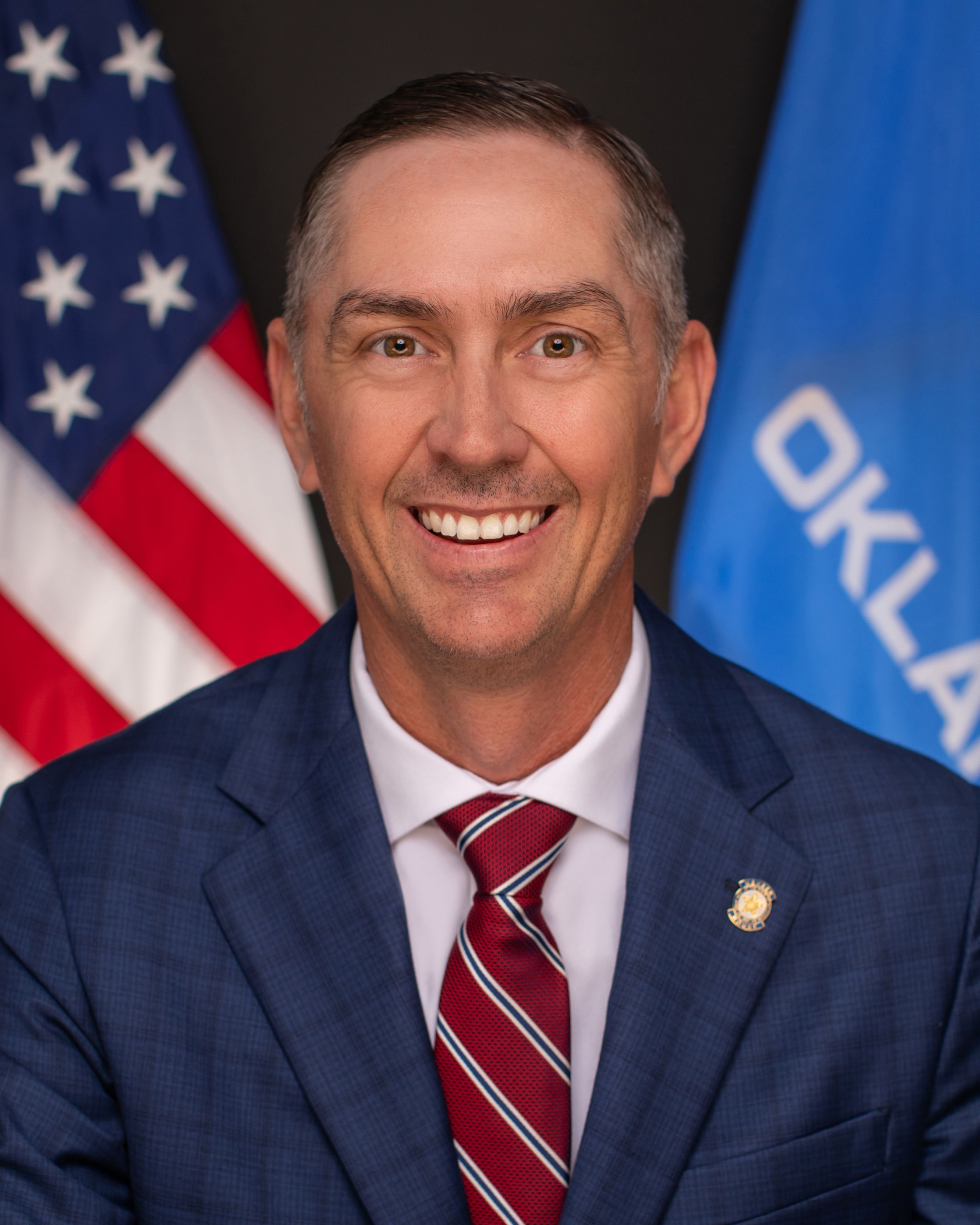
Rep. Ryan Eaves
Sponsored bills
Maddy summaryHB 2384 expands Oklahoma's Impaired Driving Prevention Advisory Committee by adding four new members: a representative from Safety Advocacy For Empowerment (SAFE), a victim advocacy group representative, and directors from the Oklahoma Medical Marijuana Authority and State Board of Pharmacy. This increases the committee's total membership to 19, aiming to improve coordination among law enforcement, health, and advocacy stakeholders on impaired driving prevention. The committee must continue to annually develop and submit a strategic plan to reduce impaired driving crashes to state leaders, as required by existing law. The amendment becomes effective on November 1, 2025.
Maddy summaryHB 2384 expands the membership of Oklahoma's Impaired Driving Prevention Advisory Committee by adding 7 new positions, including a representative from Safety Advocacy For Empowerment (SAFE), a victim advocacy group representative, and directors from several state agencies (like the Medical Marijuana Authority and State Board of Pharmacy). The bill requires the expanded committee to annually develop a statewide strategic plan to reduce impaired driving crashes, which must be submitted to the Governor and legislature by December 31 each year. This change affects state agencies, law enforcement, victim advocacy groups, and community organizations by formally including them in the committee's structure. The bill takes effect November 1, 2025.
Maddy summaryHB 1267 adjusts Oklahoma's individual income tax rates for tax years beginning in 2024. It lowers the top marginal tax rate from 5.50% to 4.75% for most taxpayers (single filers and married couples filing jointly), creating new tax brackets starting at 0.25% for lower income levels. The bill eliminates deductions for federal income taxes when calculating Oklahoma taxable income. These changes affect all Oklahoma residents and nonresidents filing state income tax returns for 2024 and subsequent years, with the top rate reduction contingent on a State Board of Equalization determination.
Maddy summaryHB 1267 reduces Oklahoma's top individual income tax rate for 2024 and beyond, lowering it to 4.75% for income above specific thresholds (e.g., $6,350 for single filers, $12,700 for married couples filing jointly). It also eliminates the deduction for federal income taxes when calculating Oklahoma taxable income. This change directly affects all Oklahoma residents and nonresidents filing individual income tax returns. The bill amends existing tax brackets to reflect these rate adjustments, effective for tax years beginning in 2024.
Maddy summaryHJR 1006 proposes a constitutional amendment to freeze property tax bills during periods of high inflation. If Oklahoma's consumer price index (CPI) rises above 2%, the taxable value used to calculate ad valorem (property) taxes would remain locked at the previous year's level for all property owners. This means property tax bills would not increase due to rising property values during those inflationary periods. The amendment requires voter approval via a referendum, as indicated by the ballot title language.
Maddy summaryThis bill names the "Oklahoma Rural Development Act of 2025" and sets its effective date as November 1, 2025. It contains no substantive policy provisions, as it is designated as noncodified (not to be added to Oklahoma Statutes). The bill does not create new programs, funding, or direct impacts on any specific groups or entities. It serves only as a formal naming and timing mechanism for future rural development efforts.
Maddy summaryThis proposed constitutional amendment would change Oklahoma's property tax rules for seniors. It would allow homeowners aged 65+ who've lived in their homes for at least 10 years to freeze their property tax value at the level when they turned 65, without needing to meet current income limits. The freeze applies only to homes valued at $500,000 or less, and would eliminate the existing income threshold requirement. The change requires voter approval to take effect.
Maddy summaryHJR 1006 proposes a constitutional amendment to freeze property tax increases during periods of high inflation. If Oklahoma's Consumer Price Index (CPI) rises above 2%, the assessed value used to calculate ad valorem property taxes would remain locked at the previous year's level for the next tax assessment cycle. This directly affects property owners whose tax bills would otherwise increase due to rising property values during inflationary periods. The freeze would take effect in the first assessment year after CPI data becomes available, preventing tax hikes tied to inflation.
Maddy summaryHB 1345, titled the "Oklahoma Rural Development Act of 2025," is a procedural bill that names the act and sets its effective date without creating new policy or altering existing laws. It specifies the bill shall become effective on November 1, 2025, and clarifies it will not be codified in the Oklahoma Statutes. This bill does not directly affect any constituents or establish new programs, as it serves only to formally name the legislation. The bill is currently in committee referral following its introduction on February 3, 2025.