

Maddy summarySB 1949 amends Oklahoma's Plumbing License Law of 1955 by adding eight specific exemptions to where licensing requirements apply. It directly affects plumbers, farmers, homeowners, and maintenance staff by excluding minor repairs (like faucet replacements), farm building work (outside cities), state institution maintenance, automatic sprinkler systems, certain heating/cooling piping systems, work on one's own home, private service mains (5+ feet from buildings), and six-inch drains. The key mechanism is listing these clear exceptions in the law, allowing these activities to proceed without a plumbing license. The bill takes effect November 1, 2026, and does not create new licensing requirements.
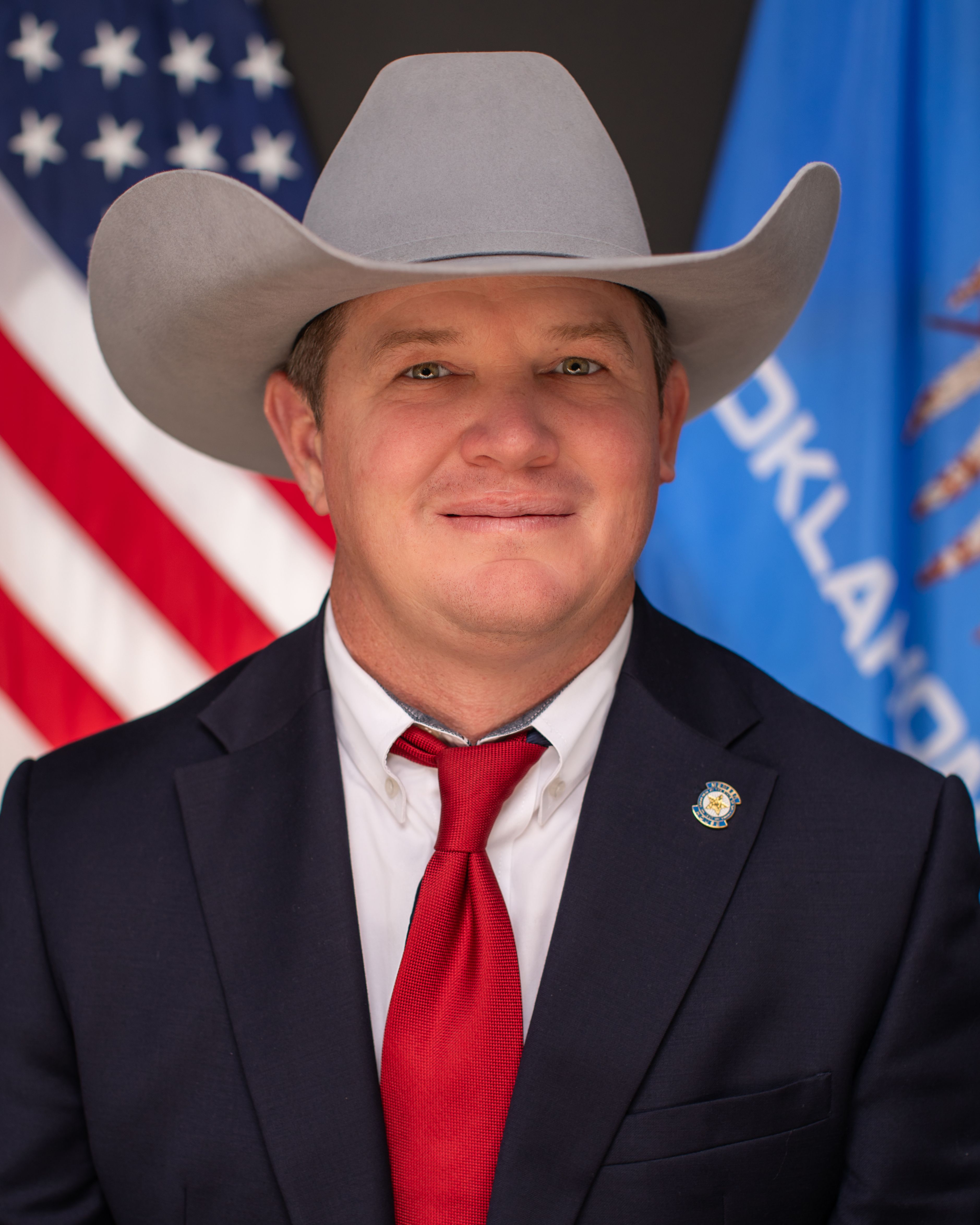
Rep. Jonathan Wilk
Sponsored bills
Maddy summaryHB 1427 creates tax credits for Oklahoma taxpayers who invest in qualifying clean-burning motor vehicle fuel equipment. It directly affects vehicle owners and businesses that install or purchase equipment allowing vehicles to run on compressed natural gas, hydrogen, liquefied natural gas, or liquefied petroleum gas. The bill provides tiered credits: up to $5,500 for light vehicles (under 6,000 lbs), up to $100,000 for heavy trucks (over 26,500 lbs), and 45% of costs for commercial refueling stations. Credits are limited to new, certified equipment meeting safety standards and must be claimed against state income tax. Unused credits can be carried forward for up to five years.
Maddy summarySB 1743 amends Oklahoma law to allow the State Board of Career and Technology Education to directly hire attorneys, expanding a list of state entities permitted to employ legal counsel without relying on the Attorney General. This change updates Section 18c of the Oklahoma Statutes, which previously excluded most state boards from hiring attorneys but already included similar entities like the Oklahoma Tax Commission and State Board of Corrections. The bill does not alter existing legal duties or create new policy; it simply adds this specific board to the statutory exceptions. The amendment takes effect July 1, 2026, and is designated as an emergency measure.
Maddy summaryHB 3433 replaces the regular property tax on farm tractors and heavy agricultural equipment with a fixed $15 annual fee. It directly affects Oklahoma farmers who own qualifying equipment used in crop or livestock production. The fee must be paid to county treasurers at the same time as other property taxes, and the revenue will be distributed the same way as the previous tax. The bill repeals the existing law (Section 2809) governing farm tractor taxation.
Maddy summaryHB 3437 repeals a specific tax provision (68 O.S. 2021, Section 2809) that previously exempted farm tractors from ad valorem property taxation in Oklahoma. This bill directly affects farm tractor owners by removing their tax exemption for these vehicles. The repeal takes effect January 1, 2027, and the bill contains no new provisions or mechanisms beyond this repeal.
Maddy summaryHB 3436 requires the State of Oklahoma and its agencies to verify that no child labor (as defined in Oklahoma Statutes Sections 71 and 72.1 of Title 40) was used in assembling electric vehicles or producing their components before purchasing them. This bill directly affects state agencies responsible for vehicle procurement, including departments and political subdivisions. The key provision mandates that manufacturers provide this verification as a condition for state EV purchases. The law takes effect November 1, 2026.
Maddy summaryHB 3434 requires Oklahoma county treasurers to send property taxpayers detailed, standardized statements about their ad valorem (property) taxes. These statements must explain how taxes are calculated, including the property's fair market value, assessment percentages, millage rates, and how taxes are divided between county, school, and other jurisdictions. The bill mandates clear, plain-language explanations so taxpayers can understand their bills, replacing complex jargon with accessible examples. It applies to all Oklahoma property owners and takes effect November 1, 2026.
Maddy summaryHB 3432 requires Oklahoma public schools to offer free admission to all sporting events for honorably discharged veterans who are current Oklahoma residents. Veterans must show either a valid Oklahoma driver's license or ID card with a "veteran" flag emblem, or their military discharge papers (DD Form 214). The law takes effect November 1, 2026, and applies to all public school-hosted sporting events statewide. It directly affects veterans seeking free access to these events, with schools required to verify eligibility using the specified ID methods.
Maddy summaryHB 3450 establishes the name "Oklahoma Controlled Dangerous Substances Act of 2026" for future legislation related to controlled substances, but does not create new laws or penalties. It is a procedural bill that specifies the title for upcoming legislation, with no direct impact on individuals or existing regulations. The bill becomes effective November 1, 2026, and will not be codified in the Oklahoma Statutes. This is a naming convention for future bills, not a substantive policy change.
Maddy summaryHB 3445 establishes the "Oklahoma Ad Valorem Taxation Act of 2026" as a named legislative act and sets its effective date for November 1, 2026. This procedural bill does not alter tax rates or create new tax policies but formally designates the legislation's title and implementation timeline. It directly affects Oklahoma taxpayers subject to ad valorem taxation, which includes property owners paying taxes based on property value. The bill serves only to name the legislation and specify its effective date, with no substantive tax changes described in the provided text.