

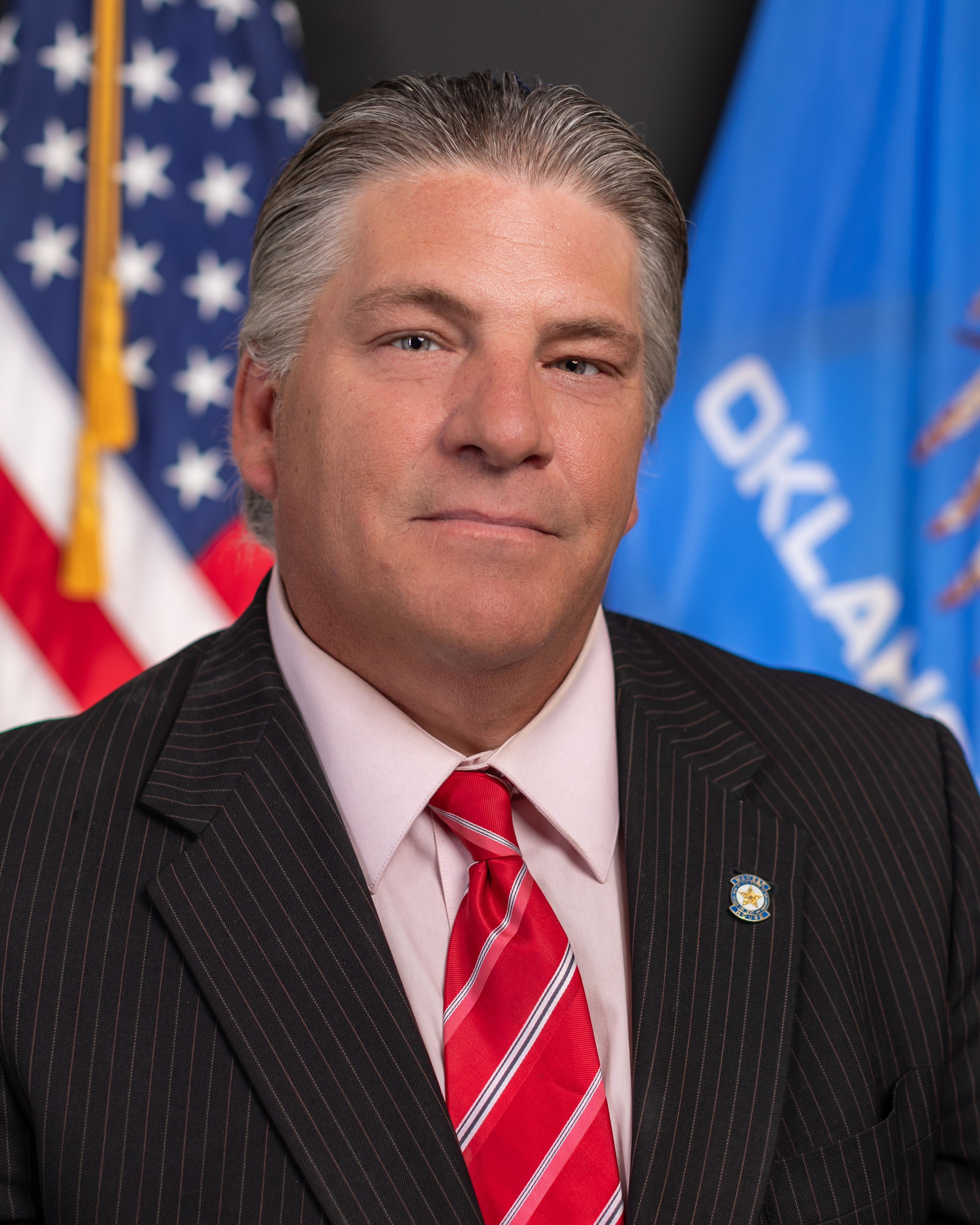
Maddy summaryHB 2410 increases Oklahoma's annual cap for affordable housing tax credits from $4 million to $10 million per year through December 2029, then reverts to $4 million annually after 2029. It directly affects developers of qualifying affordable housing projects and investors who claim tax credits for these projects. The bill ties Oklahoma's tax credits to federal low-income housing credits, limits credits to projects placed in service after July 2015, and requires eligibility statements from the Oklahoma Housing Finance Agency to claim credits. Credits cannot reduce tax liability below zero and must be claimed with tax returns, with unused credits carryable forward for two years.
Sponsored bills
Maddy summaryHB 2410 increases Oklahoma's annual cap for affordable housing tax credits from $4 million to $10 million per year for projects placed in service after July 1, 2015, through 2029, then reverts to $4 million annually after 2029. The bill links Oklahoma tax credits directly to federal low-income housing tax credits, requiring projects to qualify under federal standards and limiting total annual credits to the federal allocation. Developers of affordable housing projects and investors in these projects benefit by claiming tax credits against state taxes, provided they obtain an eligibility statement from the Oklahoma Housing Finance Agency. The credits cannot reduce tax liability below zero, must be claimed within two years, and are tied to federal credit recapture rules if federal credits are recaptured.
Maddy summaryHB 2451 is a procedural bill that orders a legislative referendum asking Oklahoma voters whether to call a constitutional convention. It specifies the exact ballot wording: "Shall a constitutional convention be called pursuant to Section 2 of Article 24 of the Oklahoma Constitution?" The bill requires filing this referendum with the Secretary of State for inclusion on the next General Election ballot. This measure does not create a convention itself but sets up the process for voters to decide on one.
Maddy summaryHB 2414 amends Oklahoma law to set new eligibility requirements for school board candidates. It requires candidates to have a high school diploma or equivalent, reside in the district for six months, and be registered voters in the district for six months prior to filing. The bill also prohibits individuals terminated for cause by a school district from running for that district's board. These provisions apply to all school district and technology center school board elections starting November 1, 2025. The bill does not address career education reform as its title suggests, but focuses solely on candidate qualifications.
Maddy summaryHB 2435 is a procedural bill that names the "Oklahoma Historical Societies and Associations Act of 2025" and sets its effective date as November 1, 2025. It does not create new regulations, funding, or substantive policy changes; instead, it formally designates the bill's title and effective date. The act is explicitly stated to not be codified in the Oklahoma Statutes. This bill affects no specific groups or entities beyond its own naming convention.
Maddy summaryHB 2455 establishes the "County Road Funding Act of 2025" as a non-codified law (meaning it won't be added to Oklahoma's official statutes) and sets its effective date as November 1, 2025. The bill itself does not create new funding mechanisms, alter existing road funding rules, or specify who is directly affected. It is purely a procedural act to name the legislation and set its implementation date. This summary reflects only the stated purpose and effective date in the bill text, with no substantive policy changes described.
Maddy summaryHB 2447 creates a 25% income tax credit for businesses that invest in qualified broadband telecommunications infrastructure in Oklahoma, effective for tax years beginning after December 31, 2025. The credit covers the cost of equipment, facilities, and technology used to provide high-speed internet service, with the credit limited to reducing tax liability to zero and allowing unused portions to be carried forward for up to five years. This policy directly affects businesses building or upgrading broadband networks, particularly in rural areas as defined by the Rural Broadband Expansion Council. The bill aims to incentivize broadband expansion by reducing costs for infrastructure investment. It becomes effective January 1, 2026.
Maddy summaryHB 2443 increases Oklahoma's annual funding cap for film industry rebates from $30 million to $80 million. It sets specific spending limits: $7.5 million for productions under $7.5 million total cost, $22.5 million for larger productions, $10 million for live studio audience shows, and $8 million for low-budget films under $1 million. The bill requires productions to spend at least $50,000 to qualify for rebates and allows unused funds to carry over to the next fiscal year. This directly affects film production companies in Oklahoma that meet the spending thresholds for these incentives.
Maddy summaryHB 2455 establishes the "County Road Funding Act of 2025" and sets its effective date as November 1, 2025. This procedural bill names the legislation and specifies when it will take effect, without detailing funding mechanisms or changes to current law. It directly affects Oklahoma county road funding systems by formally designating the new act. The bill will not be codified in the Oklahoma Statutes, meaning it exists as a standalone legislative act.
Maddy summaryHB 2435 is a procedural bill that creates the "Oklahoma Historical Societies and Associations Act of 2025" and sets its effective date as November 1, 2025. It does not establish new policy or affect any specific groups, as it is solely a naming and timing measure. The bill specifies that this act will not be codified in the Oklahoma Statutes, meaning it will not become part of the state's official legal code. This is a routine procedural step to formally recognize the act without creating new substantive law.