

Maddy summaryHB 1261 creates the Wrecker Licensing Reform Act of 2025, transferring oversight of wrecker and towing services from Oklahoma's Corporation Commission to the Department of Public Safety. It establishes a new Oklahoma Wrecker and Towing Services Board with nine members (including industry representatives and law enforcement) to regulate the industry, and requires the Department to create a Wrecker Services Division to investigate consumer complaints about overcharging. The bill prohibits excessive fees for nonconsensual towing (towing without permission), mandates transparent rate displays, and bans certain equipment or surcharges. This directly affects towing companies, consumers who may face unfair charges, and state agencies managing regulatory authority.
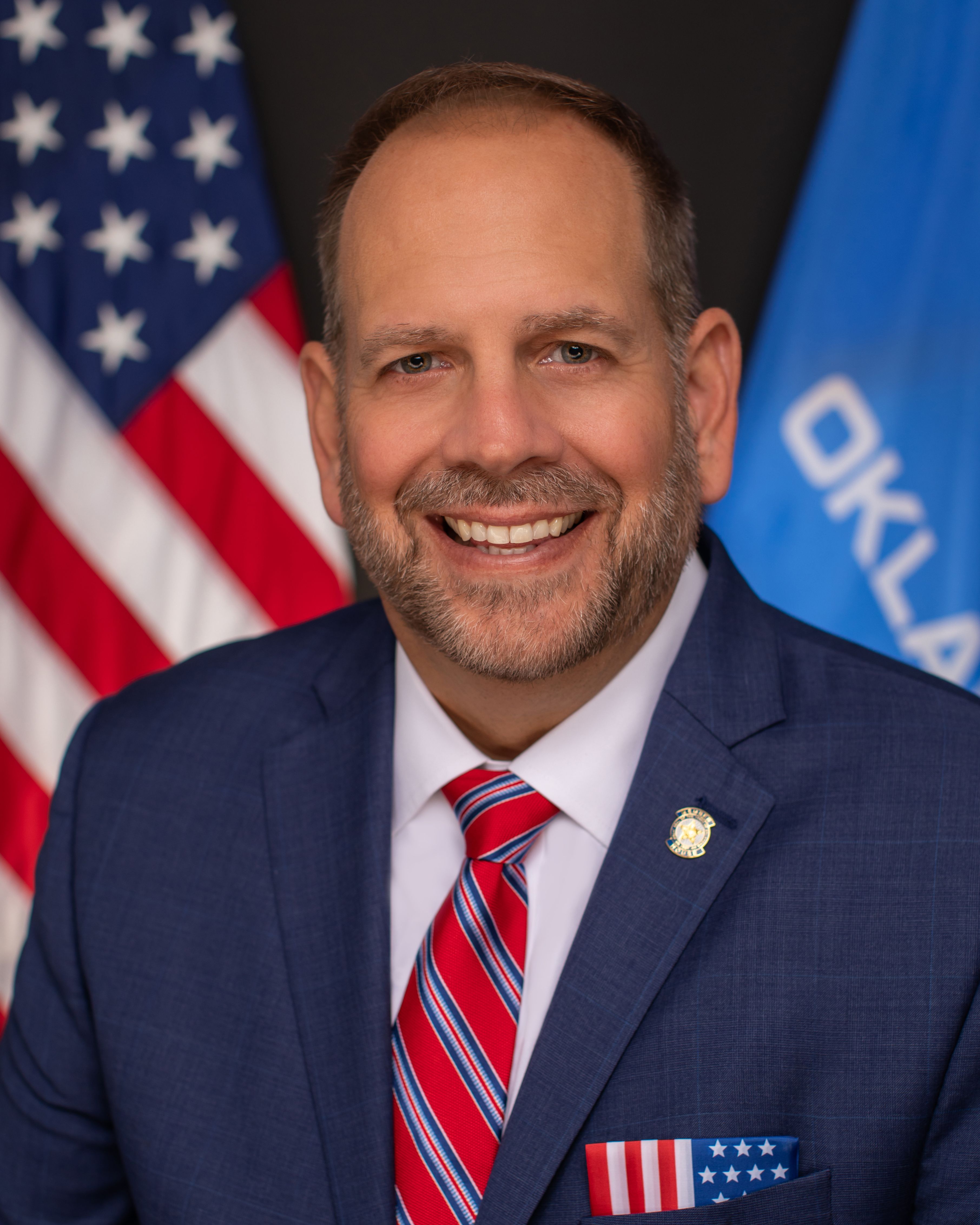
Rep. Neil Hays
Sponsored bills
Maddy summaryHB 3299 prohibits creating and sharing synthetic media (such as deepfakes) that falsely depict a person's name, image, voice, or likeness without their written consent, unless used for news, commentary, satire, or parody. It requires political advertisements using such media during election periods (45 days before elections) to clearly disclose that the content is synthetic, with violations punishable as misdemeanors. For non-political use, creating synthetic media without consent is a misdemeanor, but becomes a felony if it causes over $25,000 in financial harm or is used for extortion. Victims can also seek civil damages, including legal fees, for violations.
Maddy summarySB 1601 requires that state and federal grants for commercial driver training courses be distributed proportionally to all qualifying public and private schools based on each school's share of available student openings relative to the state's total demand. This means funding is allocated according to how many spots each school offers, rather than favoring any specific institution. The bill directly affects all commercial driver training schools in Oklahoma receiving these grants. It takes effect on July 1, 2026, and does not create new regulations but modifies grant distribution rules.
Maddy summaryThis Oklahoma bill establishes rules for how the Teachers' Retirement System calculates and maintains its assumed investment return rate. It requires the Board of Trustees to set an assumed rate that cannot fall below the lowest actual return earned over the past 20 years unless the Legislature explicitly approves a reduction. The Board must review compliance annually and report to state leadership, while the calculation method must match the system's standard financial reporting practices. These changes directly affect the Oklahoma Teachers' Retirement System and its oversight, with provisions taking effect on November 1, 2026.
Maddy summarySB 1237 creates Oklahoma's "Teachers' Bill of Rights," granting specific protections to public school teachers, administrators, and support staff. It directly affords rights including free expression (like keeping religious materials in classrooms, wearing faith-based jewelry, and praying with students), protection from harassment or threats, classroom discipline authority (removing disruptive students), medical privacy (refusing vaccines/masks as employment condition), and guaranteed planning time (1 hour) and lunch (20 minutes). The bill also requires school districts to establish a due process plan for reporting rights violations, including anonymous reporting and timely investigations. It takes effect July 1, 2026, and declares an emergency.
Maddy summaryHB 3334 allows bars and restaurants (on-premises licensees) to purchase sealed alcoholic beverages directly from liquor stores (off-premises licensees) under specific conditions. It requires all transactions to use original sealed containers, shifts responsibility for liquor taxes to the buying establishment, and prohibits sales tax collection by the seller. Both businesses must keep detailed records of each transaction - including dates, volumes, and tax documentation - for 24 months. The bill explicitly prevents circumventing federal tied-house restrictions or wholesaler requirements and mandates recordkeeping for enforcement. This directly affects licensed alcohol businesses in Oklahoma seeking alternative supply options.
Maddy summaryThis bill increases penalties for trespassing on private land used for farming, ranching, or forestry, with fines up to $2,500 for repeat offenses. It specifically prohibits dogs from harassing wildlife on such land and clarifies exemptions for emergency personnel, utility workers, and land surveyors. Game wardens gain expanded authority to enforce wildlife protection rules and coordinate with other law enforcement. The law directly affects landowners, trespassers, and wildlife conservation efforts, while updating statutes to reflect current enforcement needs.
Maddy summaryHB 3300 requires Oklahoma motor carriers to verify that trailers they tow have active liability insurance before use, using methods like certificates, electronic systems, or written confirmations. Carriers must retain verification documentation for two years and provide it to state agencies upon request. If an accident occurs involving an uninsured trailer they failed to verify, the law creates a rebuttable presumption of negligence against the carrier, unless they prove they conducted reasonable verification. This directly affects commercial trucking companies operating in Oklahoma, mandating new insurance checks to reduce liability risks for uninsured trailers.
Maddy summaryHB 2969 requires the Oklahoma Health Care Authority to include an immigration status attestation on every Medicaid application, where applicants must self-certify their status under penalty of perjury. This attestation is subject to post-enrollment verification, and hospitals or providers cannot face liability for good-faith reliance on it. The bill also mandates that the Authority report information about applicants identified as "illegal aliens" to federal authorities when required by federal law. The changes take effect November 1, 2026, impacting Medicaid applicants and healthcare providers processing applications.
Maddy summaryHB 3019 reduces maximum class sizes for Oklahoma public schools in kindergarten through fifth grade over a three-year phase-in. Starting in 2026-2027, classes in kindergarten through second grade may not exceed 22 students; this limit drops to 20 students in 2027-2028, and 18 students starting in 2028-2029. To comply, schools must employ a teacher’s assistant in classes exceeding these limits (with exceptions for special education and certain other classes), and teacher assistants cannot count toward the class size limit. School districts that fail to meet these requirements face reduced state funding calculated based on the number of students over the limit.