Issue · Technology

Technology (Data Privacy)

Every technology bill, vote, and legislator stance in Oklahoma, automatically classified by Maddy, our AI policy reader.

Total bills
24
2026 Regular Session
Top supporter
Danny Sterling
100% support rate
Top opponent
Gabe Woolley
0% support rate
Ranked legislators
10
5 support · 5 oppose
Key legislators

Who's moving data privacy in Oklahoma

Legislators moving data privacy in Oklahoma
Legislator Party Stance Support rate Votes
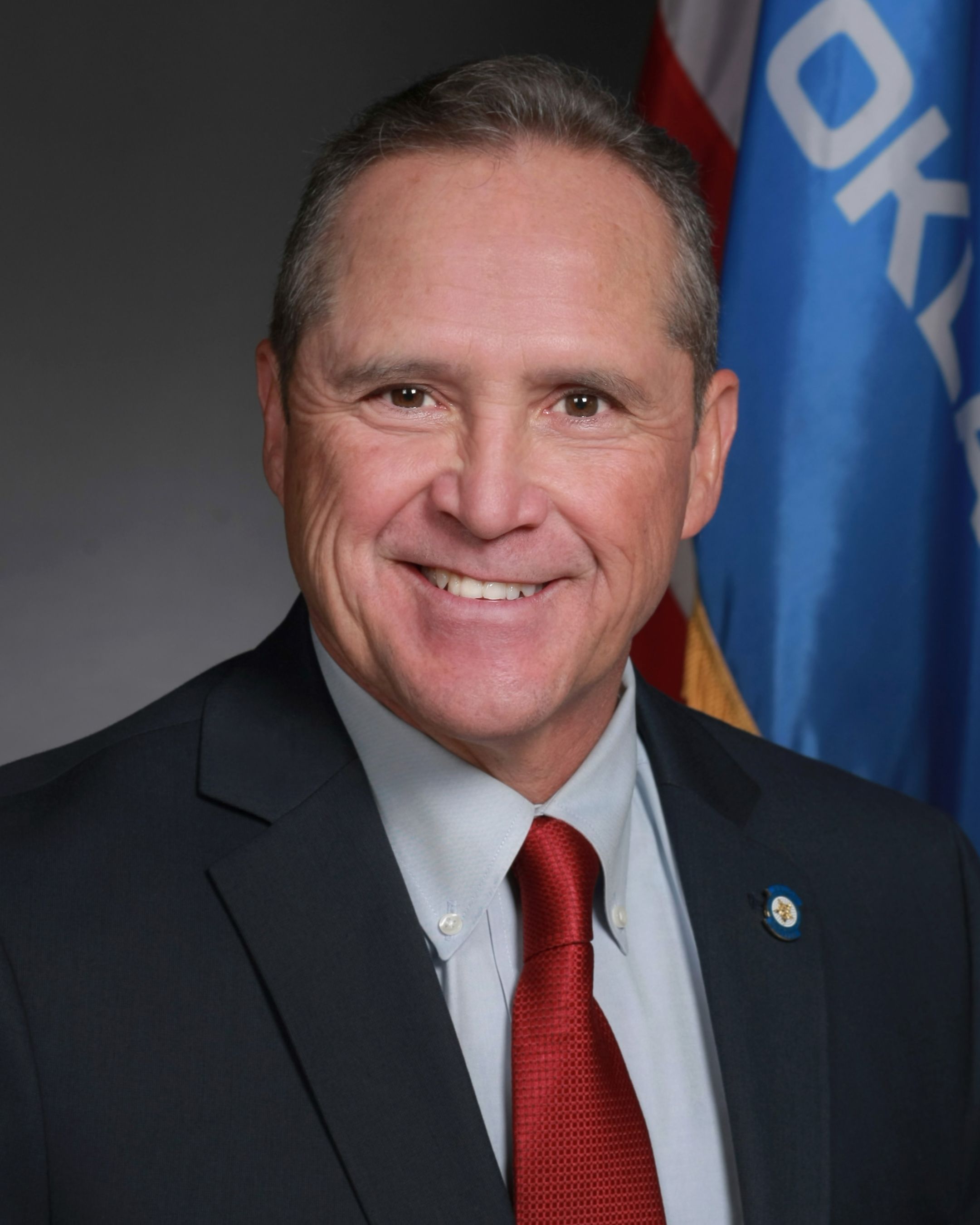
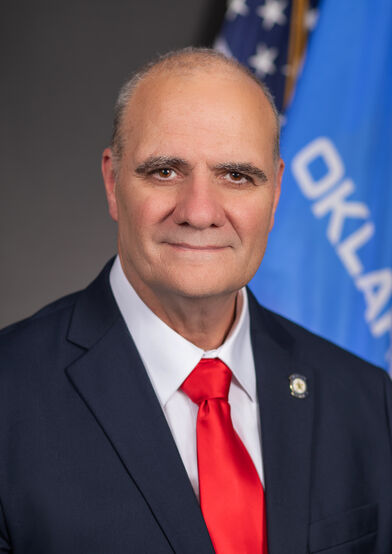
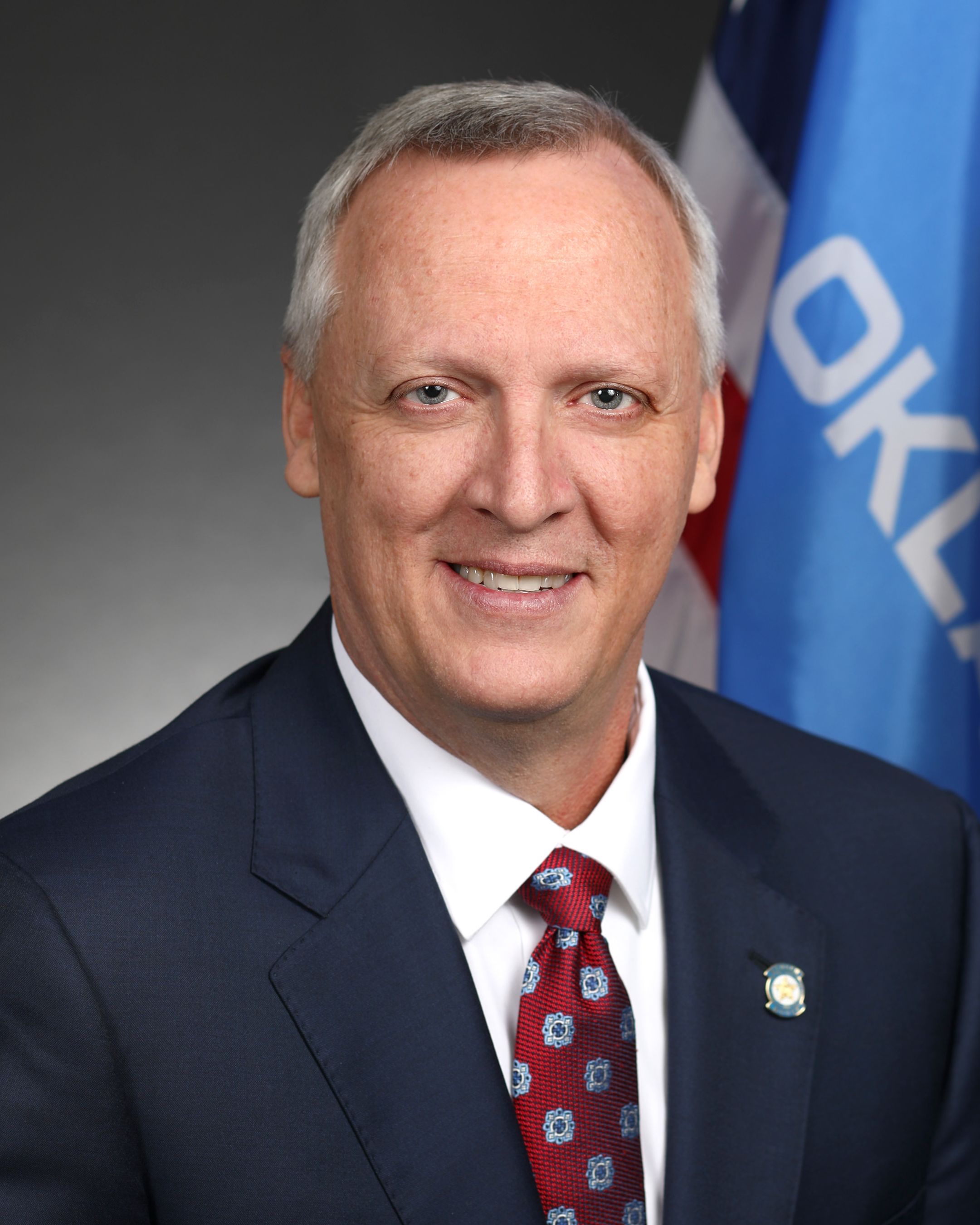
Danny Sterling
Danny Sterling House · District 27
R
Strong +
100% 9
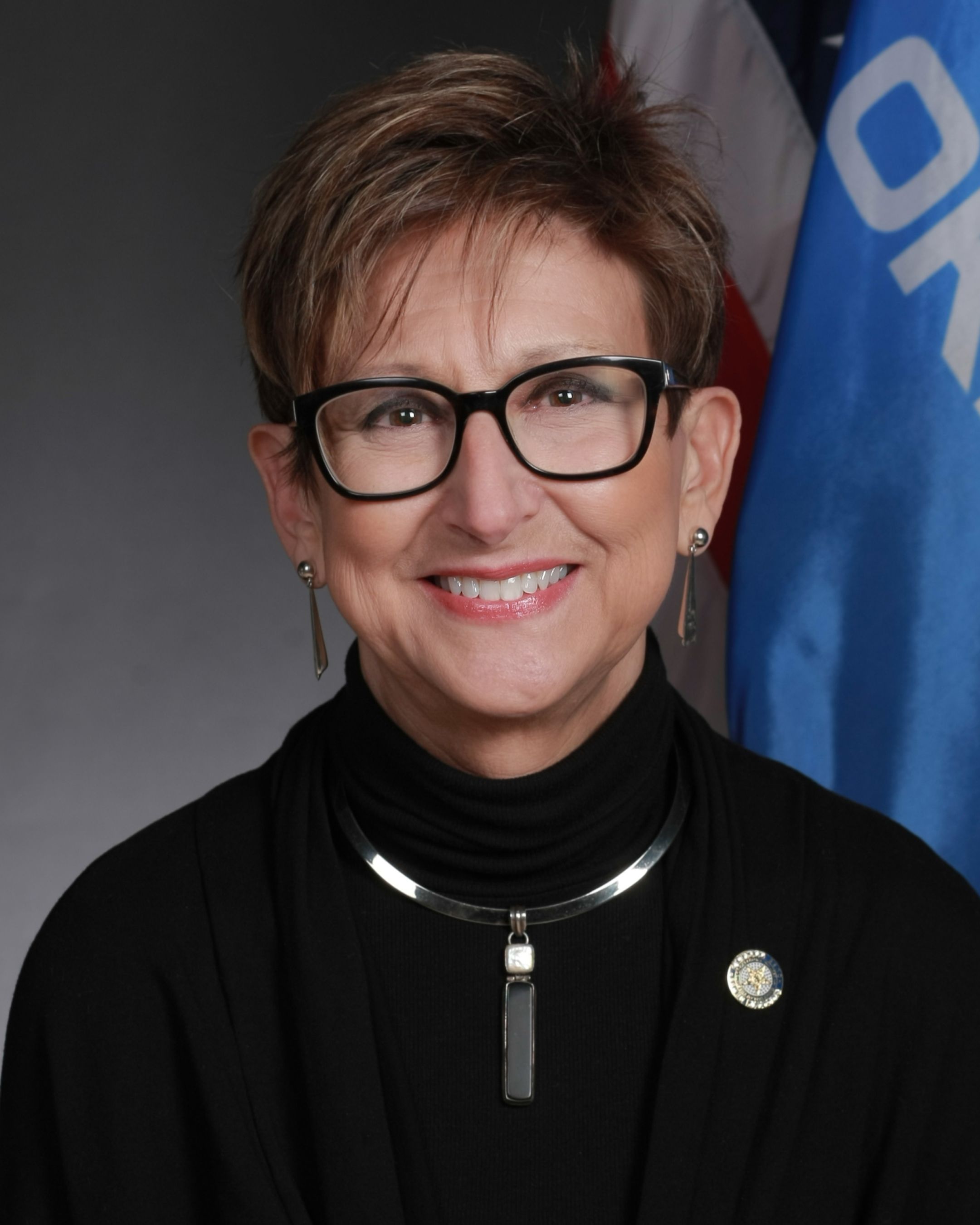
Meloyde Blancett
Meloyde Blancett House · District 78
D
Strong +
100% 9
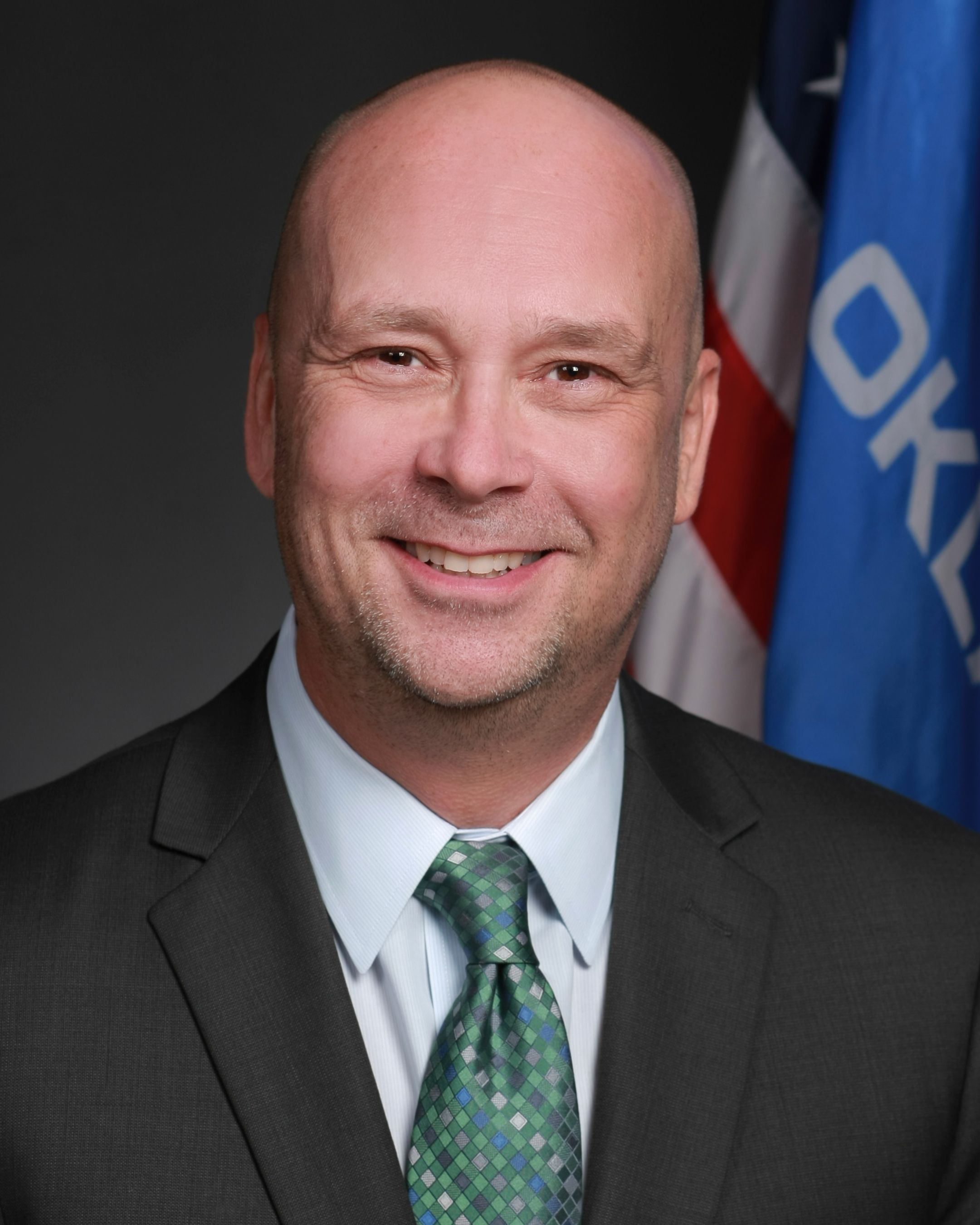
Mike Osburn
Mike Osburn House · District 81
R
Strong +
100% 9
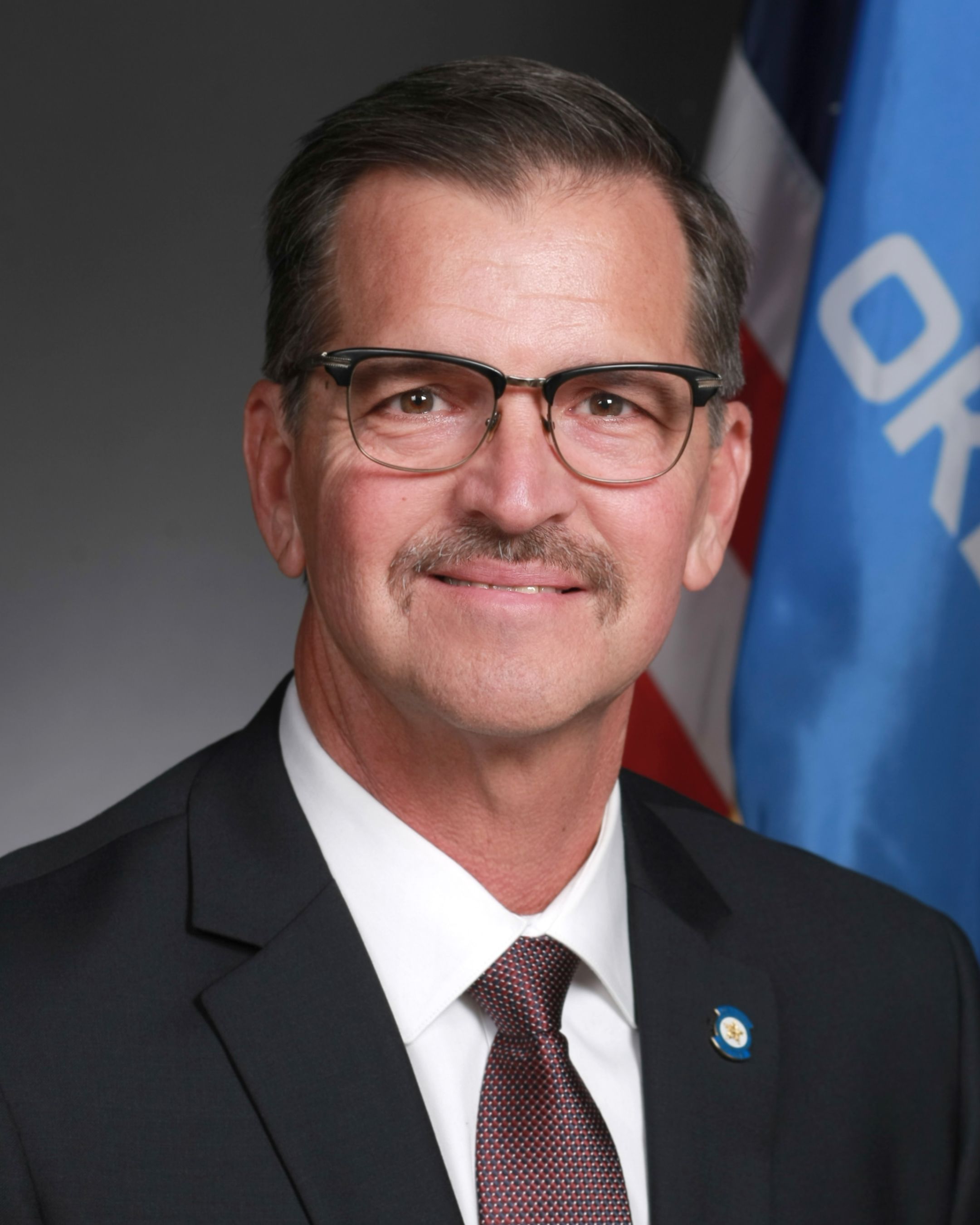
Ronny Johns
Ronny Johns House · District 25
R
Strong +
100% 9
Daniel Pae
Daniel Pae House · District 62
R
Strong +
100% 8
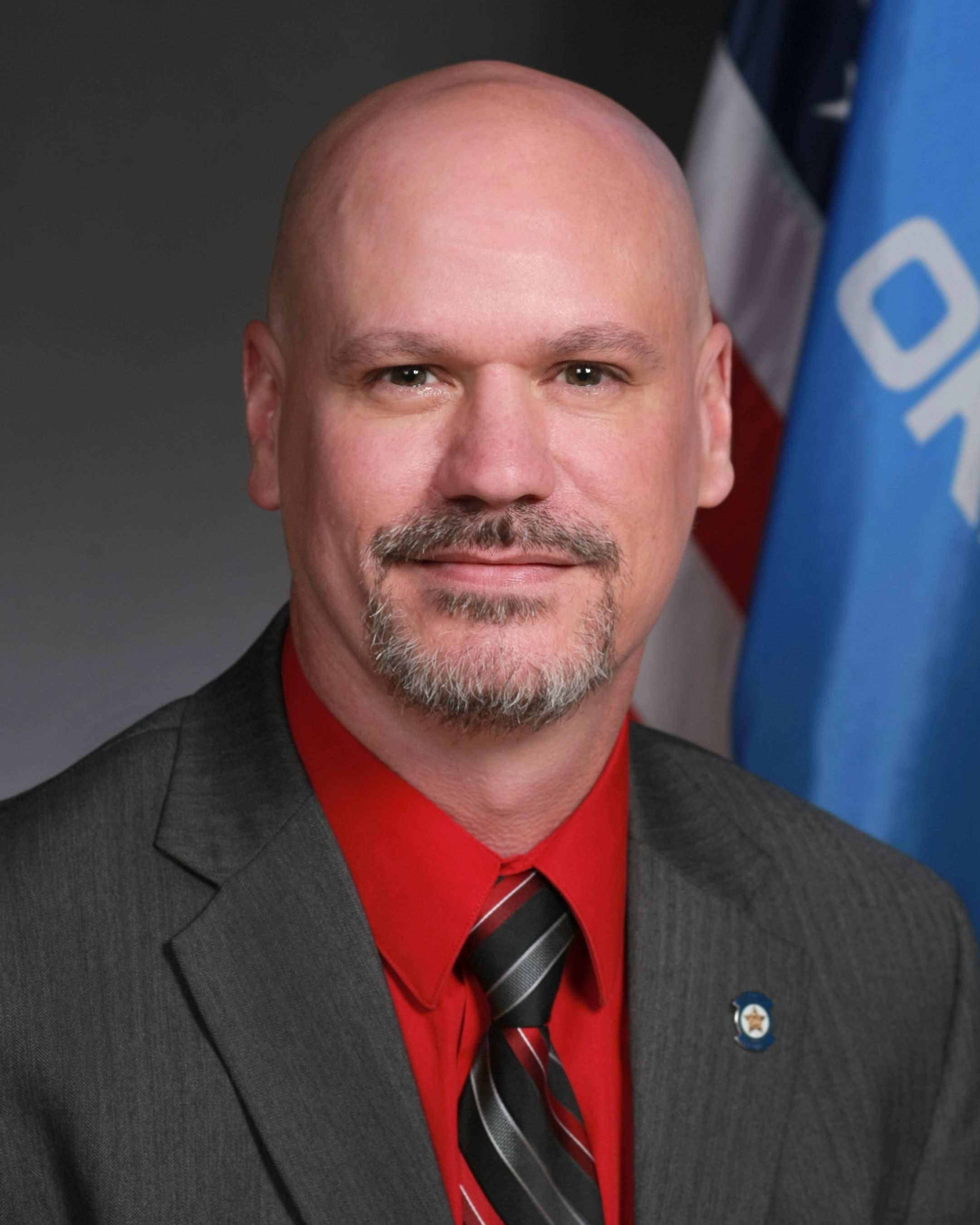
Gabe Woolley
Gabe Woolley House · District 98
R
Strong −
0% 8
Jim Grego
Jim Grego House · District 17
R
Strong −
0% 8
Kevin West
Kevin West House · District 54
R
Strong −
0% 8
Gerrid Kendrix
Gerrid Kendrix House · District 52
R
Strong −
0% 7
Jim Shaw
Jim Shaw House · District 32
R
Strong −
0% 7
Showing 11–20 of 24 bills

All technology bills

signed · Oklahoma · Senate May 28, 2025

SB 626: Security Breach Notification Act; requiring notice of security breach of certain information; modifying provisions. Effective date.

SB 626, the Security Breach Notification Act, requires businesses to notify Oklahomans when specific personal data used to verify identity (like Social Security numbers or account credentials) is compromised in a security breach. This law directly affects businesses and organizations that collect or store such identifying information, including credit bureaus, healthcare providers, and financial institutions. The key provision clarifies that notifications are mandated only when data enabling authentication of an individual is breached, not for all types of data. The law became effective on May 28, 2025, without the Governor's signature.
Sub-Topics Data Privacy
in committee · Oklahoma · Senate Feb 3, 2026

SB 1229: Driver licenses; requiring certain personal information be stored in certain database; requiring Service Oklahoma to delete certain information after certain period. Emergency.

SB 1229 requires Oklahoma's Service Oklahoma to store specific personal information - including full name, date of birth, biometric photos, address, and license number - related to REAL ID Noncompliant driver license applications in a separate, secure database. The bill mandates that this data must be deleted after a specified period, with the definition of "personally identifiable information" explicitly excluding Social Security numbers. This law directly affects Oklahoma residents applying for driver licenses or identification cards, particularly those seeking non-REAL ID compliant options. The measure aims to enhance data privacy by creating strict storage and deletion protocols for sensitive applicant information.
Sub-Topics Data Privacy
signed · Oklahoma · House May 28, 2025

HB 2289: Judicial and elected official security and privacy; creating the Oklahoma Elected Official and Judicial Security and Privacy Act of 2025; effective date; emergency.

HB 2289 creates the Oklahoma Elected Official and Judicial Security and Privacy Act of 2025, requiring state agencies to remove specific personal details - including home addresses, phone numbers, school locations, and children's information - from public records for elected officials, judges, and their immediate families. Agencies must delete such "covered information" within 72 hours of a request and cannot publicly display it. The law also mandates annual reports to the legislature on security spending and data collection methods related to protecting these individuals. It became law without the Governor’s signature on May 28, 2025.
Sub-Topics Data Privacy
died · Oklahoma · House Feb 10, 2025

HB 1762: Children; covered entities; data protection impact assessment; personal data of children; Attorney General; effective date.

HB 1762 requires online services targeting Oklahoma children (defined as under 18) to conduct data protection impact assessments and design products in the "best interest of children." It prohibits covered entities (online services processing children's data) from using "dark patterns" to manipulate choices, collecting excessive data, or processing data in ways that could cause physical, emotional, or privacy harm. The law mandates age-appropriate default privacy settings, bans selling or sharing precise geolocation data without consent, and clarifies that de-identified data or public information is excluded. It explicitly states the law does not create private lawsuits for violations or apply to services not reasonably likely to be accessed by children.
passed · Oklahoma · Senate May 8, 2025

SB 646: Judicial and federal official security and privacy; creating the Oklahoma Federal Official and Judicial Security and Privacy Act of 2025. Effective date. Emergency.

SB 646 would create Oklahoma's Federal Official Security Act, requiring state agencies to remove specific personal information of federal officials and their immediate families from public records. Covered information includes home addresses, phone numbers, email addresses, Social Security numbers, school locations for family members, and property details. Agencies must delete such information within 72 hours of a written request, with exceptions for court orders or signed releases. The law aims to prevent public exposure of sensitive data while allowing access under legal circumstances.
Sub-Topics Data Privacy
in committee · Oklahoma · House Feb 10, 2025

HB 1983: Schools; media literacy and cybersecurity to be taught in sixth, seventh, or eighth grades; State Department of Education to adopt curriculum standards; effective date.

HB 1983 requires Oklahoma public schools to teach media literacy and cybersecurity to students in sixth, seventh, or eighth grade starting in the 2027-2028 school year. It mandates a half-unit course covering specific topics like identifying online scams, fake news, deepfakes, password security, and protecting personal information. The State Department of Education must develop curriculum standards, guidelines, teacher training, and accessible resources to support this instruction, including accommodations for English learners and students with disabilities. The bill becomes effective November 1, 2025, with implementation beginning for incoming sixth graders in 2027.
in committee · Oklahoma · Senate Feb 4, 2025

SB 421: Parents' Bill of Rights; modifying applicability of certain right; requiring certain notice. Effective date.

SB 421 requires healthcare providers and facilities in Oklahoma to give parents clear notice about specific parental rights, including consent rights for biometric scans, DNA records, and video recordings of their minor children. It directly affects parents of minors by ensuring they are informed about these rights before certain medical or educational data is collected or shared. The key mechanism adds a new notice requirement for healthcare entities, clarifying when parents must be notified about data collection practices under existing parental rights. The bill does not create new rights but mandates transparency in how providers communicate these established rights to parents.
Sub-Topics Data Privacy
in committee · Oklahoma · House Feb 6, 2025

HB 1012: Data privacy; Oklahoma Computer Data Privacy Act; consumer protection; civil penalties; effective date.

HB 1012, the Oklahoma Computer Data Privacy Act, establishes new rights for Oklahoma consumers regarding their personal data collected by businesses. It directly affects for-profit businesses (excluding ISPs acting as such) that gather consumer information, requiring them to provide clear privacy disclosures, allow consumers to request access or deletion of their data, and enable opting out of data sales. Key mechanisms include mandating businesses to verify consumer requests, disclose data practices online, prohibit discrimination for exercising privacy rights, and impose civil penalties for violations. The law empowers the Oklahoma Attorney General to enforce these provisions and collect penalties into a dedicated state fund. It aligns with federal privacy laws but prioritizes the strongest consumer protections when conflicts arise.
signed · Oklahoma · Senate May 5, 2025

SB 552: Public safety; prohibiting state agencies from certain use of biotechnology. Effective date.

Oklahoma's SB 552 bans state agencies that receive federal or state funds from using biotechnology equipment or services from companies designated by the federal government as "biotechnology companies of concern" (entities controlled by foreign adversaries posing national security risks through multiomics data collection). The bill specifically targets the use of multiomics technology - which combines data from genomics, proteomics, and other biological research areas - to prevent potential security threats. State agencies cannot contract with entities using such biotechnology, and the law only takes effect after a comparable federal law is enacted. This directly affects all Oklahoma state agencies managing federal or state funds, requiring them to avoid specific biotech vendors.
Sub-Topics Data Privacy
in committee · Oklahoma · House Feb 4, 2025

HB 2291: Electric vehicles; prohibiting certain actions by electric vehicle charging providers; effective date.

HB 2291 requires public electric vehicle charging stations to allow access without memberships, subscriptions, or additional registration. It prohibits providers from collecting unnecessary personal data and mandates that all stations accept standard payment methods like credit cards or mobile payments. The law does not apply to private charging stations reserved for specific individuals or organizations. It takes effect on November 1, 2025.
Showing 11 to 20 of 24 bills