Issue · Labor & Employment

Labor & Employment

Every labor & employment bill, vote, and legislator stance in Oklahoma, automatically classified by Maddy, our AI policy reader.

Total bills
23
119th Congress
Top supporter
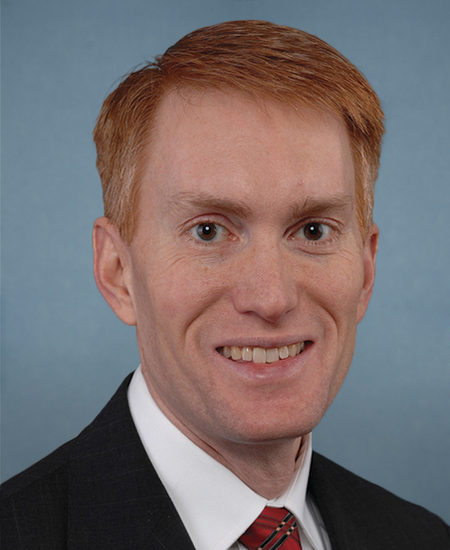
James Lankford
62% support rate
Top opponent
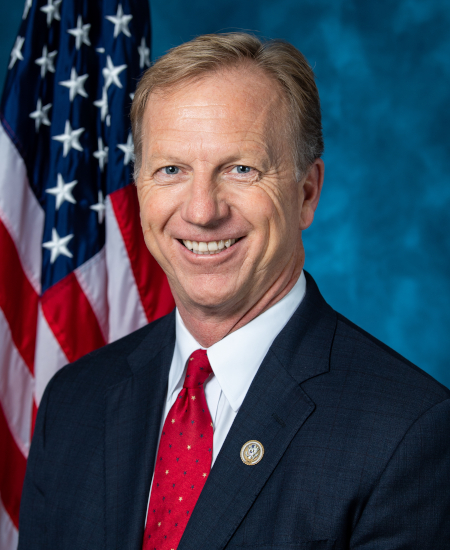
Kevin Hern
38% support rate
Ranked legislators
7
2 support · 5 oppose
Key legislators

Who's moving labor & employment in Oklahoma

Legislators moving labor & employment in Oklahoma
Legislator Party Stance Support rate Votes
James Lankford
James Lankford Senate
R
Support
62% 212
AA
Alan Armstrong Senate
R
Mixed
50% 44
Kevin Hern
Kevin Hern House · District 1
R
Oppose
38% 198
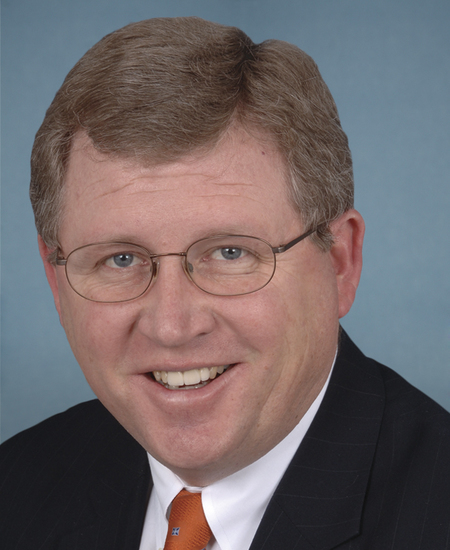
Frank D. Lucas
Frank D. Lucas House · District 3
R
Oppose
38% 194
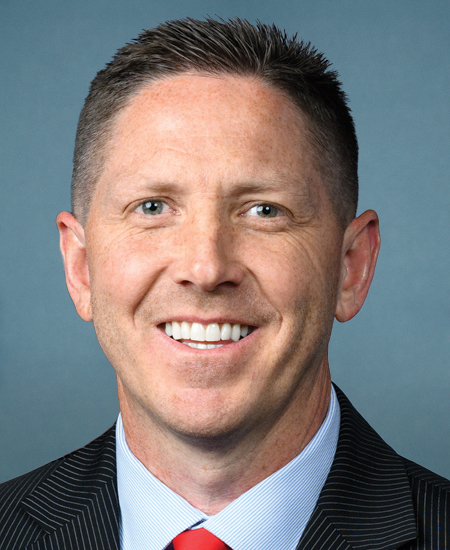
Josh Brecheen
Josh Brecheen House · District 2
R
Oppose
38% 191
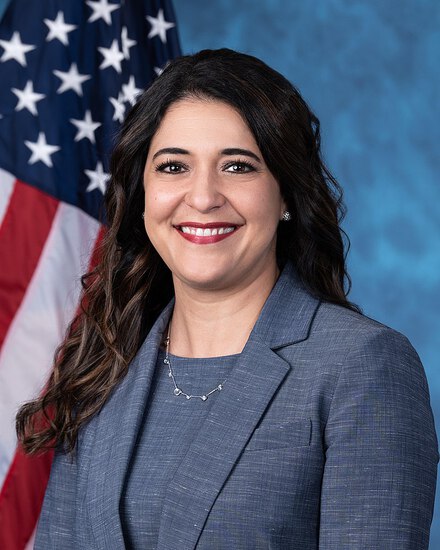
Stephanie I. Bice
Stephanie I. Bice House · District 5
R
Oppose
38% 196
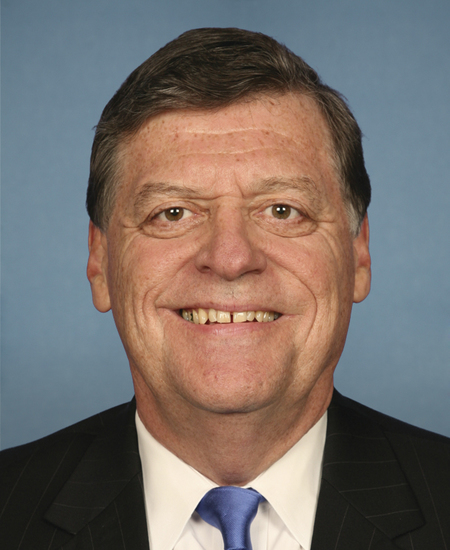
Tom Cole
Tom Cole House · District 4
R
Oppose
38% 196
Showing 1–10 of 23 bills

All labor & employment bills

in committee · United States · House Sep 3, 2026

HR 10250: No Preference Act

HR 10250, known as the No Preference Act, prohibits federal executive agencies and the Department of Defense from requiring or giving preference to contractors based on their use of union labor. The bill amends existing laws to ensure that government contract awards cannot be influenced by whether a company's workers are covered by collective bargaining agreements. This change directly affects federal procurement processes by mandating that offers be evaluated without regard to the labor status of the bidding firms.
in committee · United States · Senate May 21, 2026

S 4620: Mandatory E-Verify Act of 2026

The Mandatory E-Verify Act of 2026 makes the E-Verify employment eligibility verification system permanent and mandatory for all employers in the United States, including those who hire, recruit, or refer individuals for jobs. The bill requires employers to use the system within a phased timeline based on company size, ranging from six months for large businesses with 10,000 or more employees to 18 months for smaller businesses with fewer than 20 employees, while exempting agricultural labor verification until 18 months after enactment. Key provisions include increased civil and criminal penalties for non-compliance, the ability for the government to debar repeat violators from federal contracts, and a requirement that states sharing driver's license data with the system remain eligible for certain federal funding. Additionally, the act establishes a self-check feature for individuals to verify their own status, expands data sharing between federal and state agencies to prevent fraud, and creates a good-faith defense for employers who rely on the system's results.
Sub-Topics Work Authorization
in committee · United States · Senate Apr 29, 2026

S 4427: Heat Workforce Standards Act of 2026

The Heat Workforce Standards Act of 2026 prevents the Occupational Safety and Health Administration from finalizing or enforcing a specific proposed rule regarding heat injury prevention in workplaces. This legislation directly affects the Department of Labor and businesses by blocking the implementation of detailed requirements such as mandatory rest breaks and written safety plans. The bill argues that these specific rules are too burdensome and fail to account for unique industry and geographic conditions. By stopping this rule, the act leaves the proposed heat safety standards in a suspended state without changing existing regulations.
in committee · United States · Senate Apr 30, 2026

S 4477: Davis-Bacon Repeal Act

The Davis-Bacon Repeal Act would eliminate federal wage requirements that currently mandate contractors on government-funded construction projects pay workers at least the prevailing local wage rate. By repealing the relevant section of the U.S. Code, the bill removes the legal basis for these minimum wage standards on future contracts. The law includes a transition period that protects existing contracts and those with outstanding bids for 30 days after enactment, ensuring no immediate disruption to ongoing projects. This change would directly affect construction firms and workers involved in federally funded building work by removing the obligation to adhere to specific local wage floors.
in committee · United States · House Jan 21, 2026

HR 7169: UBER Act

The UBER Act establishes new federal requirements for ride-sharing and shared-transportation companies to receive government contracts. To qualify, every driver must be at least 21 years old, hold a valid license from a single state, pass a road test, and demonstrate sufficient English proficiency to communicate with the public and read traffic signs, with an exception for drivers who use American Sign Language. Companies that fail to certify that all their drivers meet these standards will be banned from federal contracts for five years.
in committee · United States · House Mar 25, 2025

HR 2315: Fairness for High-Skilled Americans Act of 2025

Fairness for High-Skilled Americans Act of 2025 This bill eliminates the Optional Practical Training Program or any successor program, unless Congress expressly authorizes such a program. (The program provides an F-1 student visa holder temporary employment authorization before or after completion of the student's studies, or both.)
Sub-Topics Work Authorization
in committee · United States · House Mar 26, 2025

HR 2367: College Employment Accountability Act

HR 2367, the College Employment Accountability Act, requires colleges and universities receiving federal student aid or institutional funds to comply with immigration laws or risk losing that funding. Specifically, it prohibits institutions from receiving federal aid if they hire individuals without legal work authorization (violating Section 274A of immigration law) and mandates participation in the E-Verify employment verification program. The Department of Homeland Security must monitor compliance every six months and notify the Education Secretary within 10 days if an institution violates immigration rules or fails to use E-Verify. This directly affects all higher education institutions seeking federal financial assistance under the Higher Education Act.
in committee · United States · House Jan 23, 2025

HR 687: MERIT Act of 2025

The MERIT Act of 2025 makes significant changes to federal personnel management by repealing Chapter 43 performance-based actions and modifying procedures for disciplinary actions, furloughs, and bonus recoupment. It extends probationary periods for senior executives (to 2 years) and competitive service employees (to 2 years), establishes new rules for reducing retirement benefits of employees convicted of felonies related to their federal service, and creates standardized procedures for adverse actions including written notice requirements and response periods. The bill also allows agencies to recoup bonuses for misconduct and modifies procedures for handling furloughs of more than 14 days. These changes apply to all federal employees across government agencies and aim to clarify and streamline personnel management processes.
Sub-Topics Public Employees
in committee · United States · House Feb 10, 2025

HR 1172: No Social Security for Illegal Aliens Act of 2025

HR 1172 would amend the Social Security Act to prevent undocumented immigrants from earning Social Security credits for work performed in the U.S. without authorization. It specifically excludes wages earned and self-employment income derived during periods when an individual lacked work authorization from counting toward Social Security benefits. This change applies retroactively to all wages earned before, on, or after the law's enactment, affecting future benefit calculations for undocumented workers. The bill directly impacts individuals working without legal status, ensuring such work does not contribute to their Social Security eligibility or future benefits.
Sub-Topics Work Authorization
in committee · United States · House Mar 5, 2025

HR 1882: Saving Gig Economy Taxpayers Act

This bill modifies tax reporting rules for gig economy platforms (like Uber or DoorDash) by reinstating a pre-American Rescue Plan threshold. It requires third-party payment platforms to report income to the IRS only if a gig worker earns over $20,000 in a year or completes more than 200 transactions. This directly affects low-earning gig workers who would no longer receive tax forms for smaller earnings. The change simplifies reporting for platforms and reduces administrative burden on workers with minimal income from these platforms.
Sub-Topics Gig Economy
Showing 1 to 10 of 23 bills
1 2 3 Next