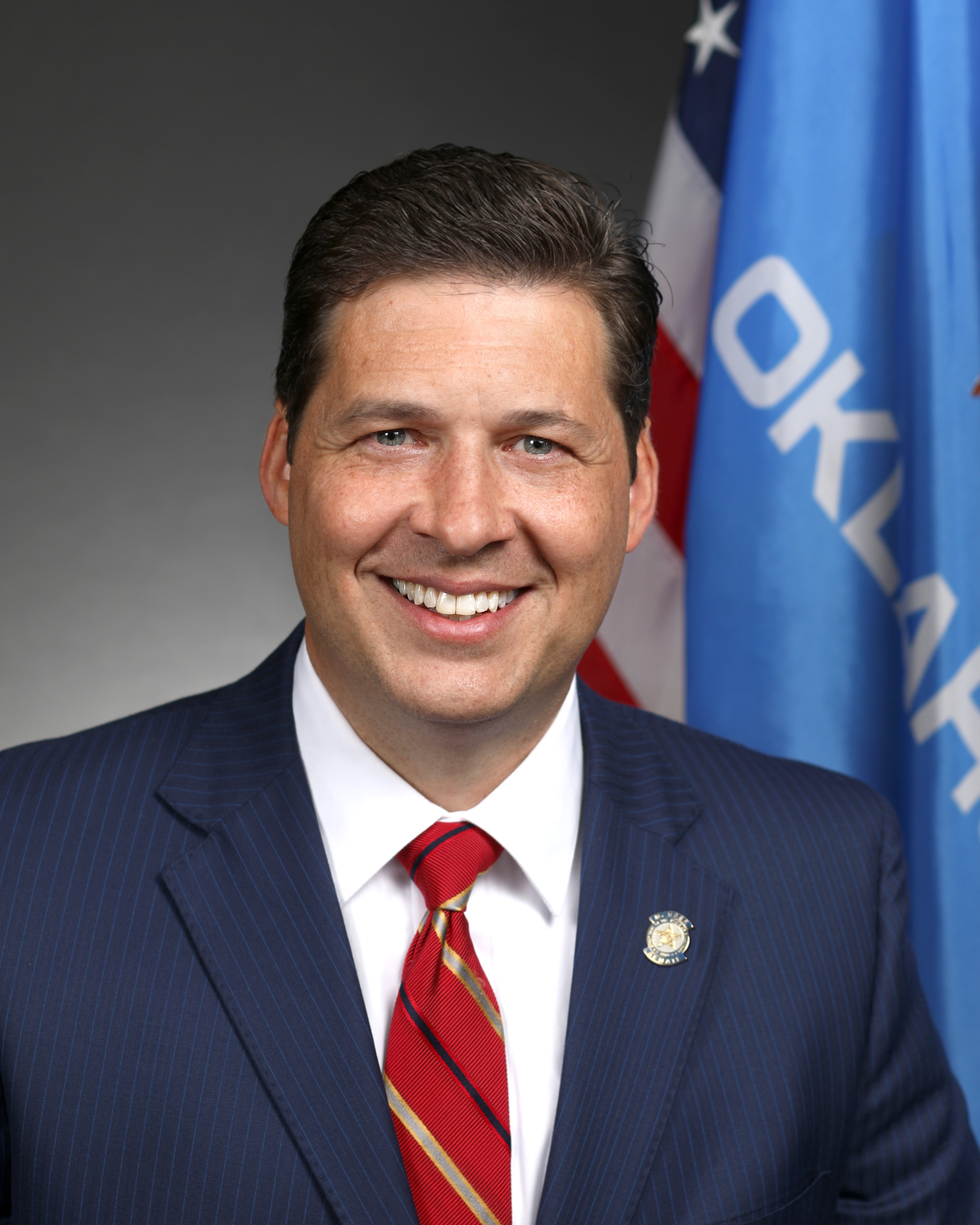
HB 3657 amends Oklahoma's definition of "employment" in the Labor Act, primarily affecting agricultural workers, crew leaders, and domestic workers. It clarifies that agricultural workers become covered employees if their employer paid $20,000+ in cash wages during a calendar year or employed 10+ workers for 20 weeks. The bill also defines "crew leaders" (who supply farm laborers) and specifies when they or the farm operator are treated as employers. Additionally, it updates domestic service coverage to require $1,000+ in quarterly cash wages for workers to be considered employees. The bill is proposed for the 2026 legislative session.
HB 3024 establishes a 10% annual cap on salary increases and bonuses for most state employees in executive branch agencies, requiring cabinet secretary approval for any increase exceeding this limit. It mandates that agencies set performance metrics for bonus eligibility and document salary adjustments above 10% due to role changes or performance reviews. The bill excludes executive directors, positions requiring advanced degrees or state licenses (like doctors and engineers), and employees of higher education systems or school districts from these limits. These provisions take effect July 1, 2026, with the Office of Management and Enterprise Services overseeing implementation.
HB 3313 establishes a new defined contribution retirement plan for Oklahoma public employees hired on or after November 1, 2015, replacing the traditional defined benefit pension for these workers. It requires a minimum 4.5% employee contribution (with a 6% employer match), allows higher voluntary contributions up to 7%, and gives participants investment choices through 401(a) and 457(b) plan structures. The bill excludes certain employees, including district attorneys, county/city officials, and some hospital staff, from this new system. Key provisions include customizable benefit forms, employer matching based on contribution rates, and requirements for the Board of Trustees to maintain tax-qualified plan status.
HB 2778 creates the Teacher Recruitment and Retention Program (expiring November 1, 2028) to support child care workers at licensed facilities. It directly affects child care employees who work at least 20 hours weekly and meet income limits: $120,000 annual household income for two-parent households or $60,000 for single-parent households. Key provisions waive co-payments for eligible employees and exempt their income from subsidy program cost-sharing calculations, while requiring providers to notify the Department of Human Services if an employee leaves. The program operates under Oklahoma’s Child Care Subsidy Program rules, with all other eligibility conditions remaining unchanged.
SB 663 transfers management of the Workforce Coordination Revolving Fund from its previous administrator to the Oklahoma Workforce Commission. It specifies that all funds remaining in the account as of July 1, 2024, must be used for workforce development programs. The bill amends existing law to remove references to fund transfers and sets an effective date of July 1, 2025. The legislature declared an emergency to expedite the law's implementation.
This bill modifies Oklahoma's minimum wage calculation by allowing employers to count up to 50% of tips, meals, or lodging toward meeting the state's minimum wage requirement, provided the base cash wage meets federal standards (29 C.F.R. § 531.50(a)(1)). It directly affects tipped workers (like restaurant staff) and their employers when Oklahoma's minimum wage exceeds the federal rate. The key provision updates how wages are computed, ensuring employers cannot reduce cash wages below federal thresholds while crediting qualifying non-cash compensation. The law takes effect November 1, 2025.
SB 95 updates key definitions in Oklahoma's workers' compensation law to clarify eligibility and claims processing. It directly affects injured workers (claimants), employers, insurance carriers, and medical providers by defining terms like "case manager" (requiring specific nursing licenses or certifications) and "carrier" (explicitly including self-insured employers). The bill also clarifies what constitutes a "compensable injury," excluding age-related conditions like arthritis and adding drug testing rules for claims involving intoxication. These changes aim to standardize claims administration and reduce disputes over coverage. The bill became effective after the governor signed it on May 6, 2025.
HB 1187 allows Oklahoma state employees to opt out of the state's basic health and dental insurance plans if they have separate group coverage, while retaining life and disability benefits. To opt out, employees must provide proof of their separate coverage and sign an annual affidavit, and they receive $150 instead of the flexible benefit amount they would otherwise receive. The state retains any savings from employees opting out of health coverage. This bill directly affects eligible state employees who qualify for separate group insurance and takes effect November 1, 2025.