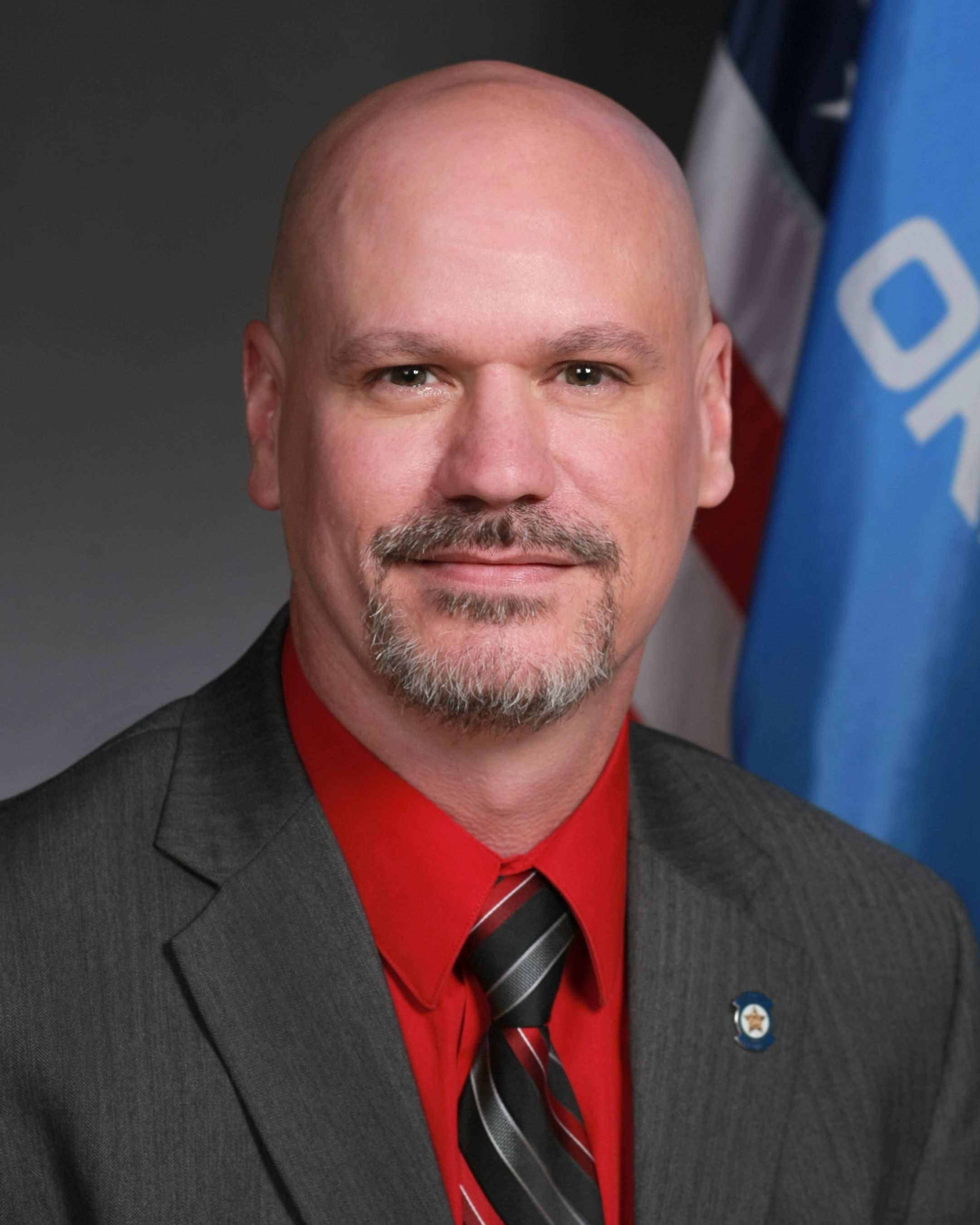
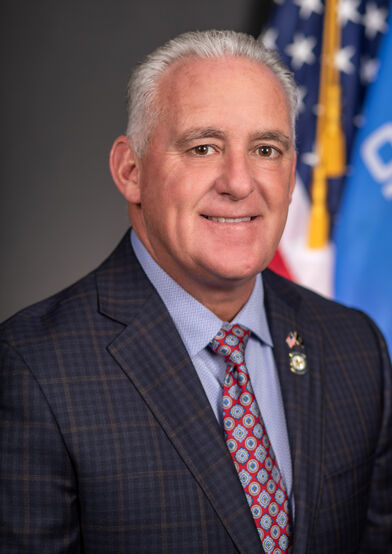
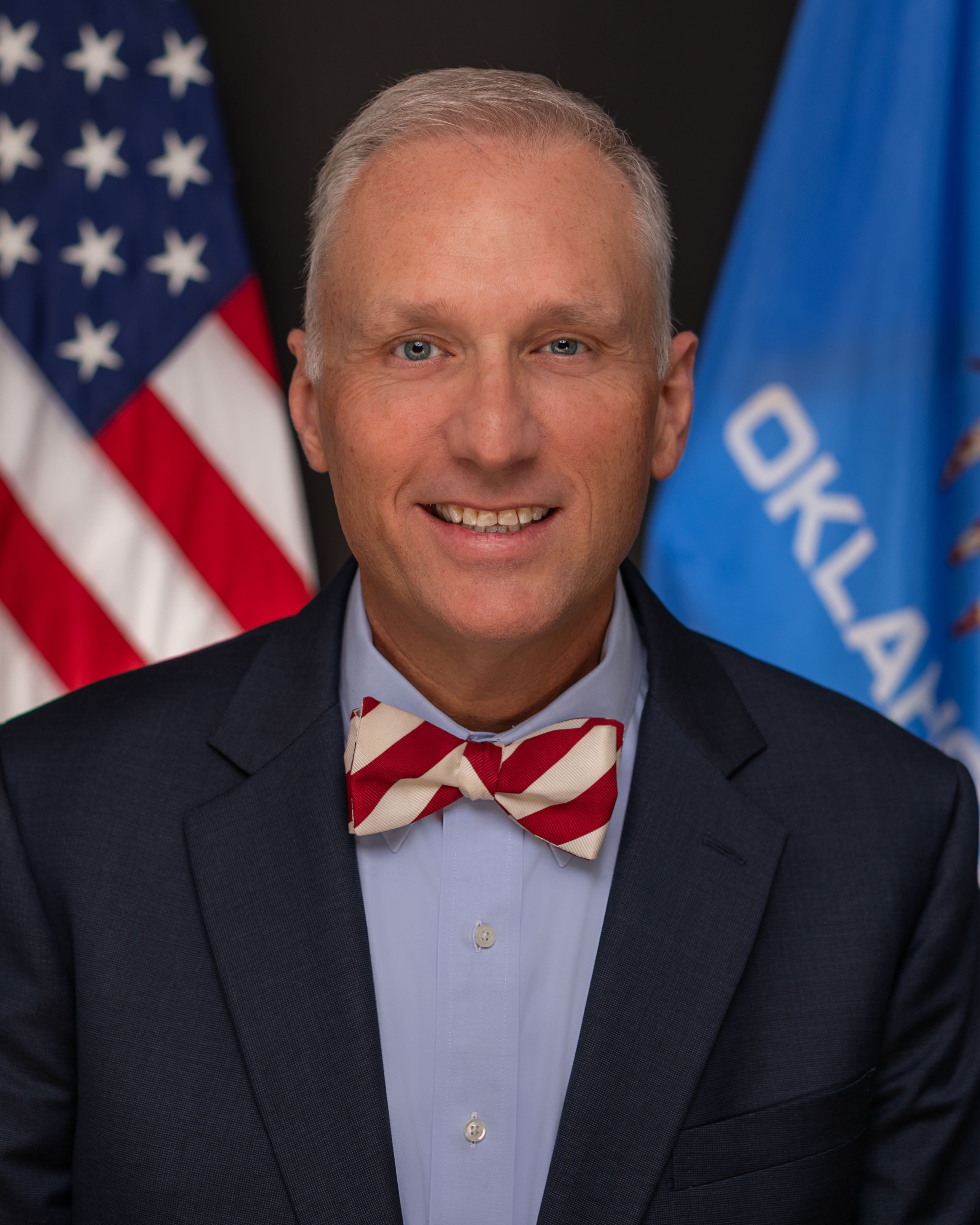
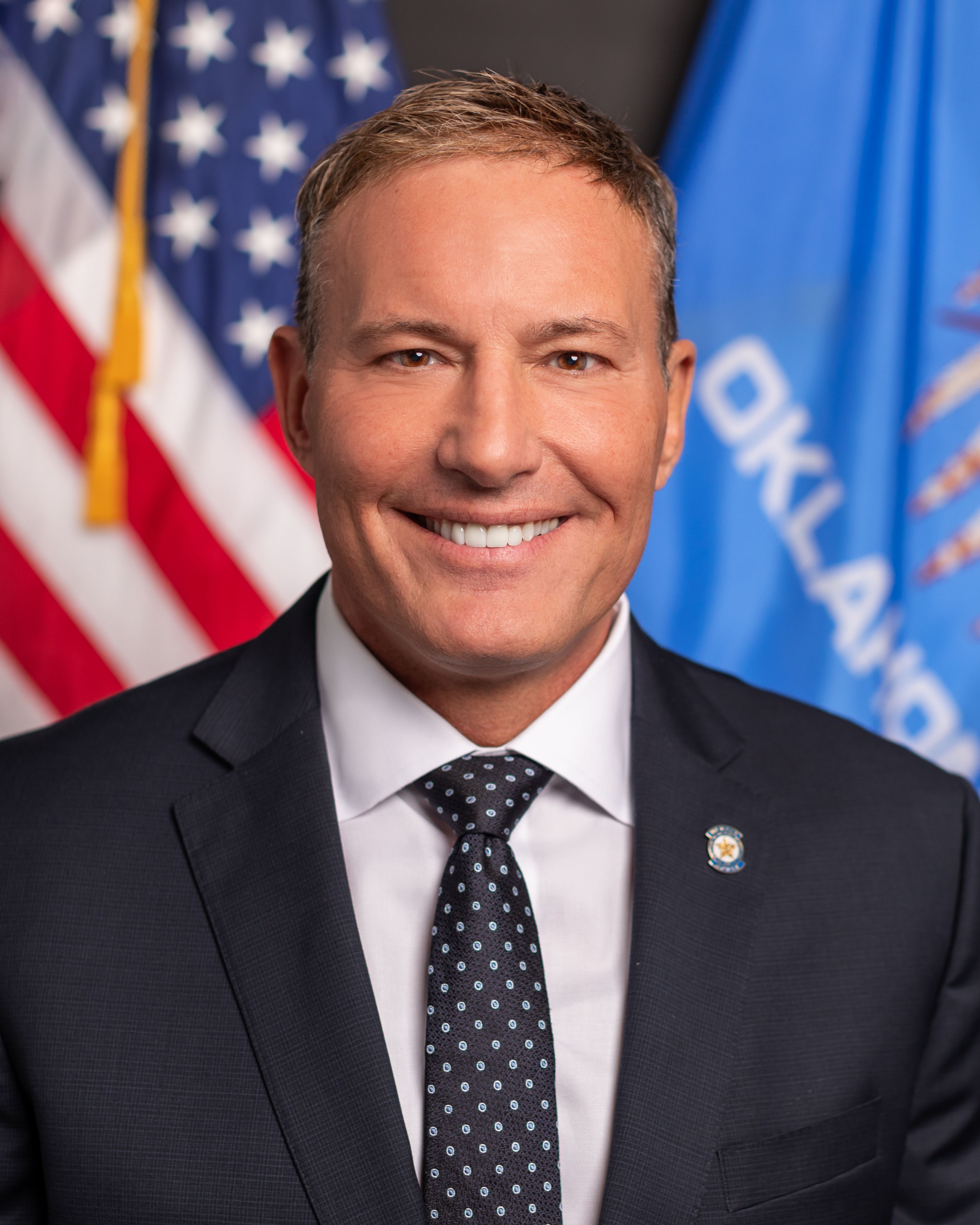
Key legislators
Who's moving immigration in Oklahoma
Showing 5 of 5
bills
All immigration bills
SB 1633 removes provisions allowing undocumented students to qualify for Oklahoma resident tuition by submitting immigration status applications or affidavits. It eliminates language ensuring these students would not be disqualified from state scholarships or financial aid based on immigration status. The bill aligns Oklahoma’s higher education residency rules with Section 3242.2, which generally prohibits non-residents from receiving resident tuition benefits or state financial aid. This change directly affects students who previously relied on the removed documentation pathways to access in-state tuition rates.
SB 1287 amends Oklahoma's Abstractors Act to update license qualification standards for abstractors. It directly affects individuals applying for abstractor licenses by requiring applicants to have legal U.S. work authorization, reside in or be physically present in the United States, and not have certain criminal convictions that pose a threat to public safety or relate to abstracting duties. The bill clarifies that the Oklahoma Abstractors Board may deny licenses based on these criteria, defining "poses a reasonable threat" as criminal conduct involving harm to others and "substantially relates" as direct bearing on abstracting duties. Licenses remain valid for one year with a maximum $150 renewal fee. The bill takes effect November 1, 2026.
HB 3787 requires all candidates for municipal, county, or school board positions in Oklahoma to meet the state's basic voting eligibility requirements as defined in the Oklahoma Constitution. This means candidates must be U.S. citizens, residents of the district, and otherwise qualified to vote in Oklahoma elections. The bill amends existing election laws to enforce this standard for all state, county, municipal, and school board offices, effective November 1, 2026. It does not change the specific requirements but ensures candidates already must meet these standards.
HB 2050 creates a new temporary licensure pathway for international medical graduates in Oklahoma who cannot immediately qualify for full licensure. It allows these applicants to obtain a limited license if they meet ECFMG standards, provide evidence of three years of post-graduate training or clinical practice abroad, secure employment at an accredited health care provider, and pass an English competency exam. During the limited license period (up to three years), they must practice only under supervision at an approved training program. After three years with no disciplinary issues and passing all USMLE exams, they may qualify for full licensure without the prior practice restrictions. This directly affects foreign-trained physicians seeking to practice in Oklahoma.
HB 1362 makes it a crime for non-U.S. citizens (defined as "aliens") to enter or remain in Oklahoma without legal authorization to be in the United States. First offenses are misdemeanors punishable by up to one year in jail or a $500 fine; second offenses or offenses committed during other crimes are felonies punishable by up to two years in prison or a $1,000 fine. The law requires convicted individuals to leave Oklahoma within 72 hours and mandates law enforcement to collect biometric data and check federal databases. It also preempts local governments from enacting conflicting immigration policies and creates an alternative to prison: if conditions are met (no prior violent crime, not charged with another felony), courts can order deportation instead of incarceration.