

Issue · Housing
Housing
Every housing bill, vote, and legislator stance in Oklahoma, automatically classified by Maddy, our AI policy reader.
Total bills
105
2026 Regular Session
Top supporter
Robert Manger
96% support rate
Top opponent
Tom Gann
26% support rate
Ranked legislators
10
5 support · 5 oppose
Key legislators
Who's moving housing in Oklahoma
| Legislator | Party | Stance | Support rate | Votes |
|---|---|---|---|---|
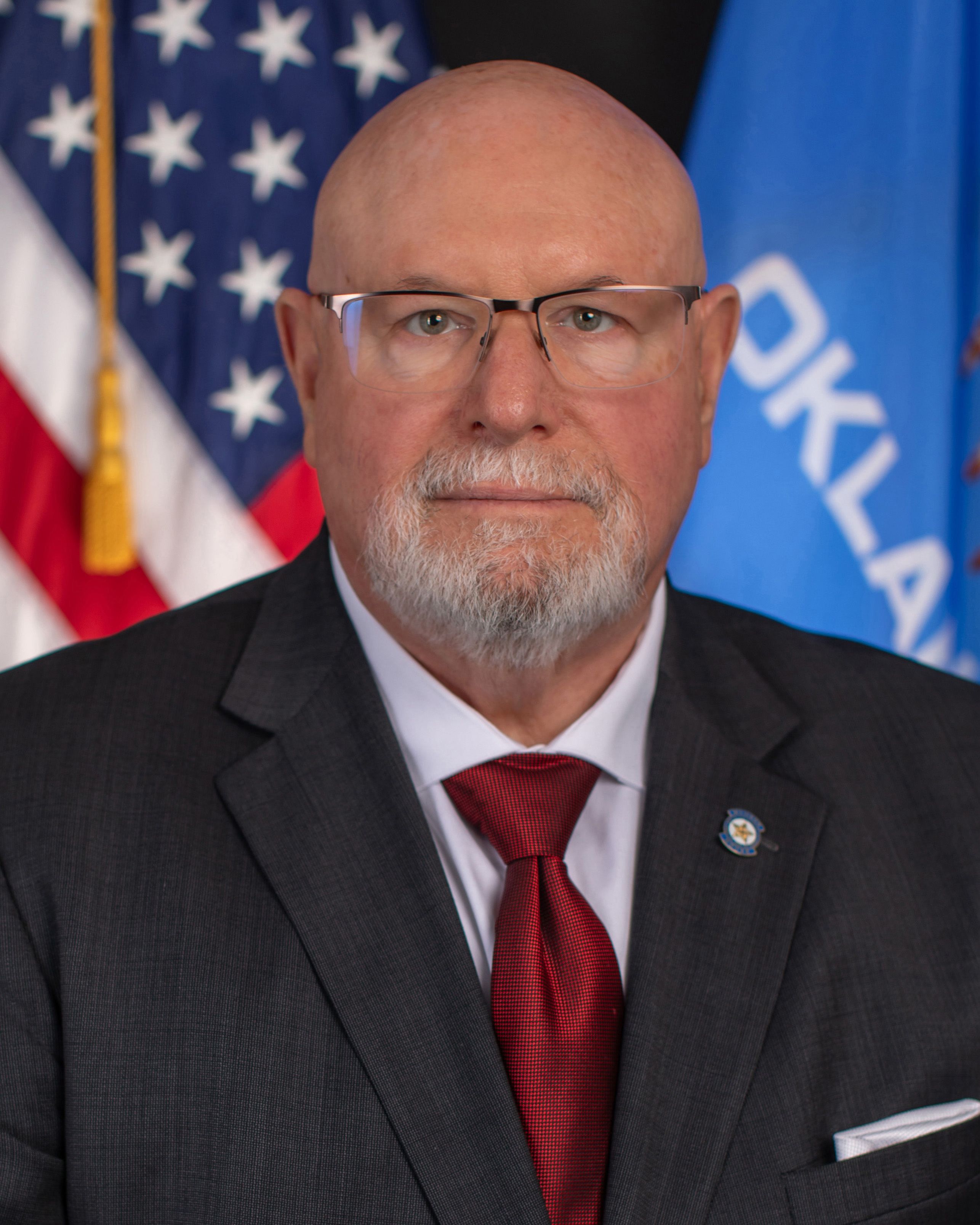
Robert Manger
House · District 101
|
R |
Strong +
|
96% | 155 |
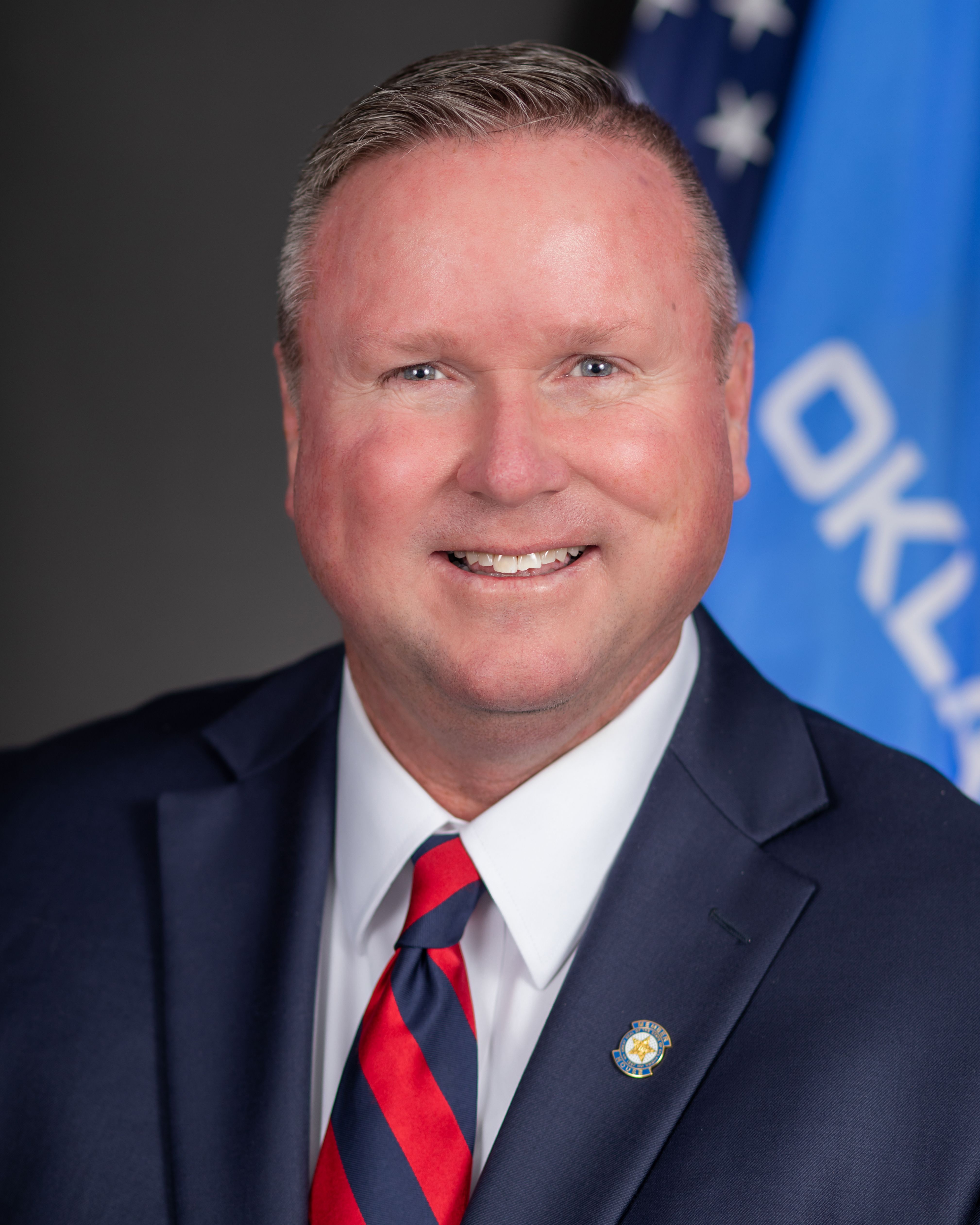
Clay Staires
House · District 66
|
R |
Strong +
|
93% | 112 |
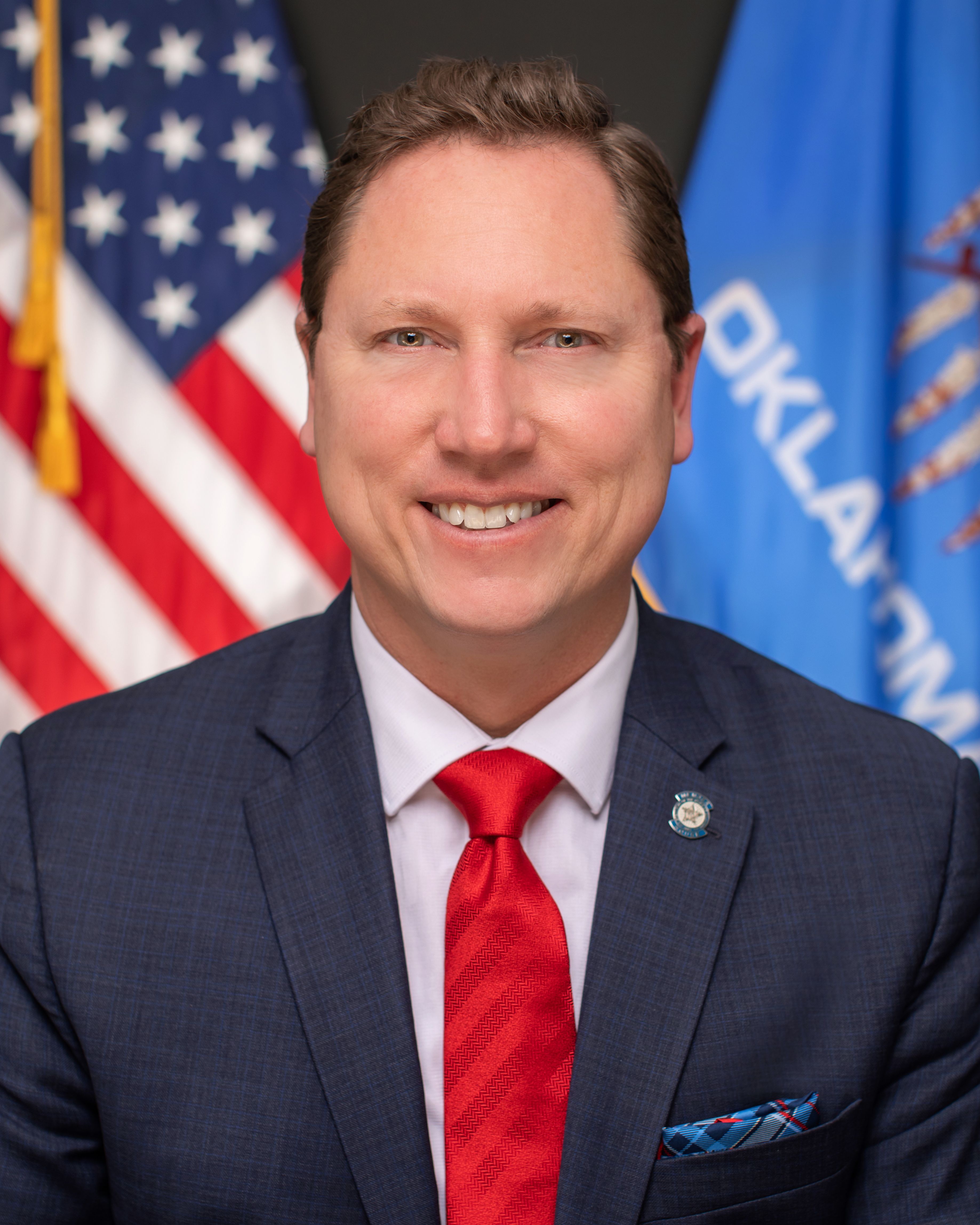
Brian Hill
House · District 47
|
R |
Strong +
|
86% | 129 |
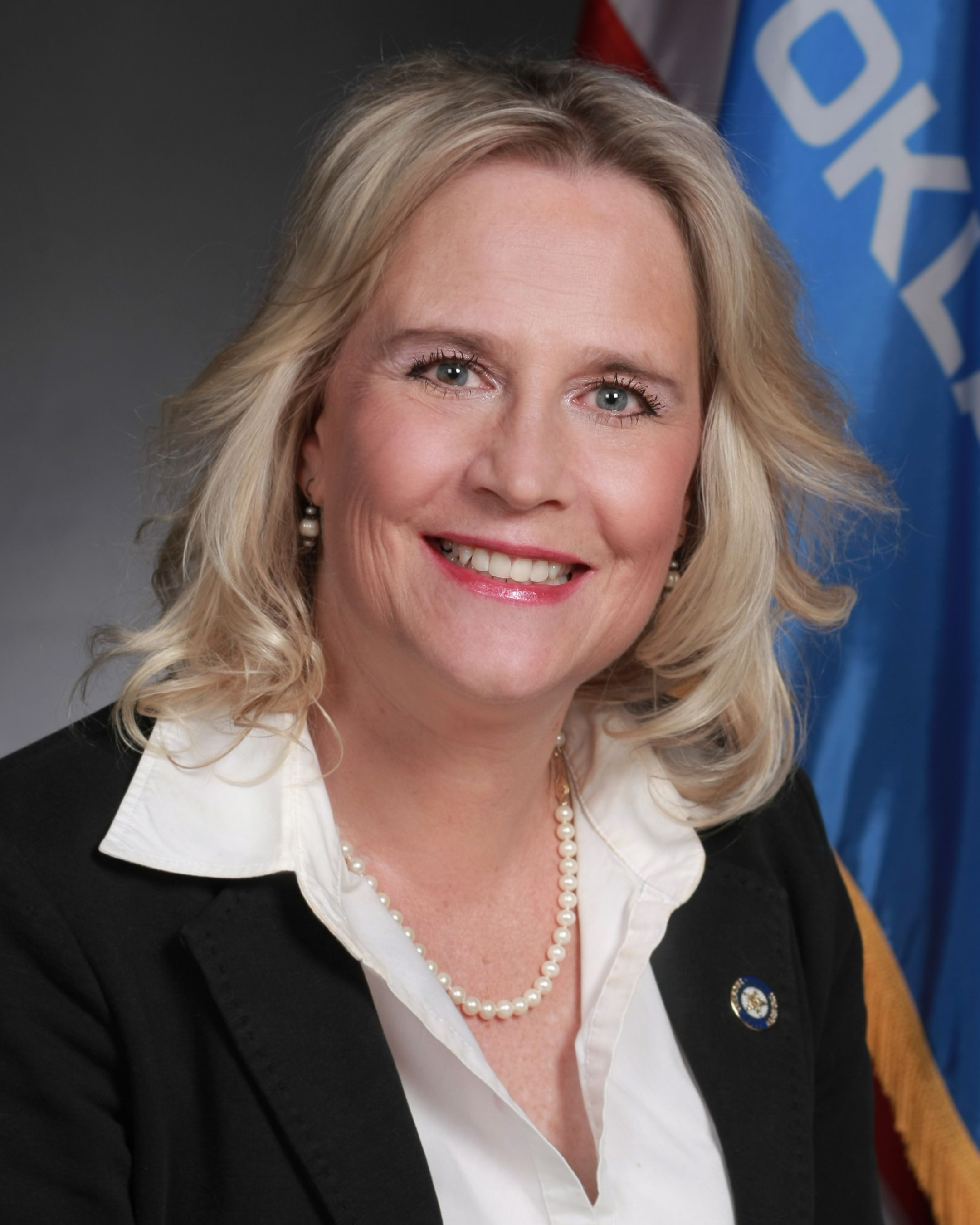
Nicole Miller
House · District 82
|
R |
Strong +
|
86% | 137 |
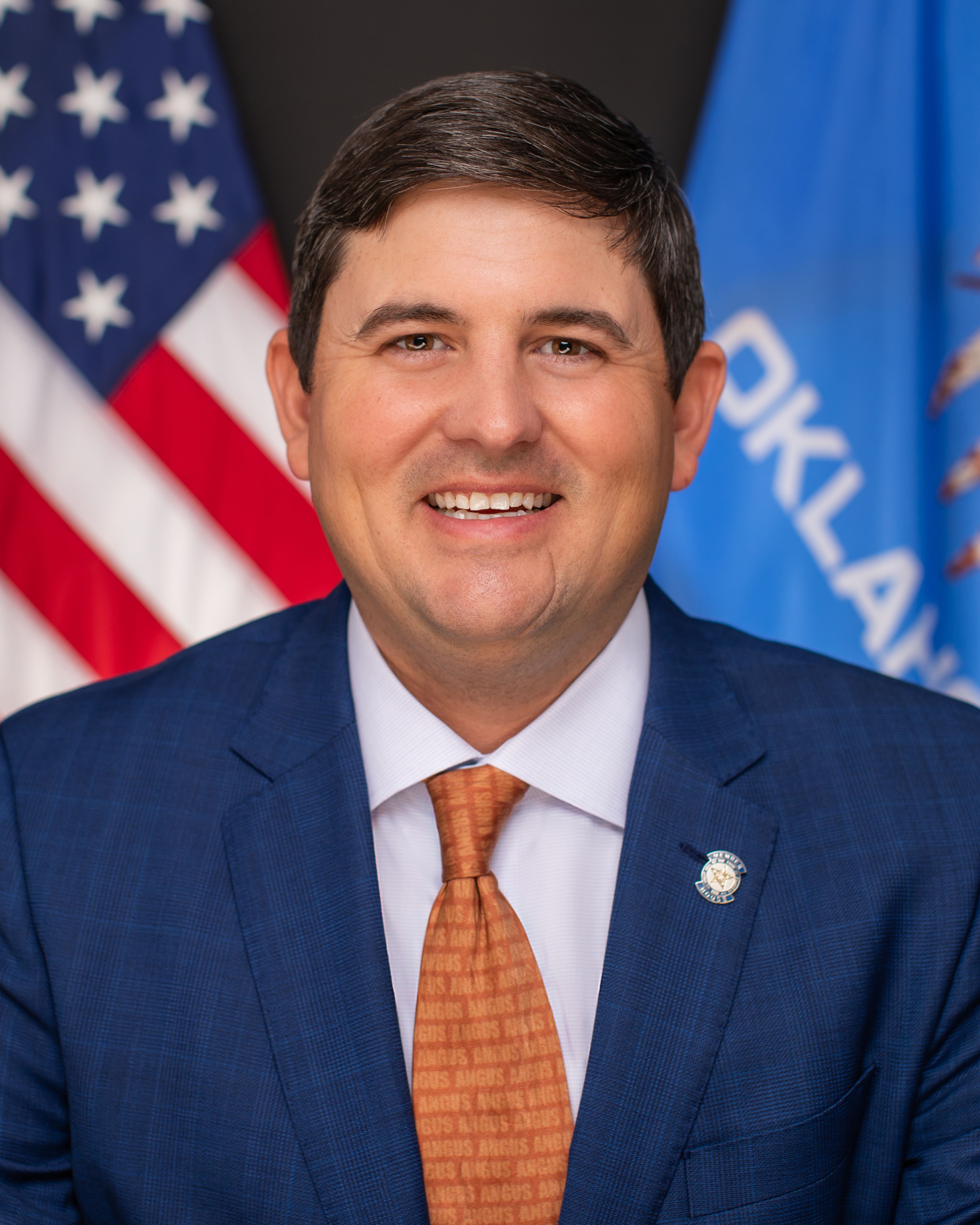
John Pfeiffer
House · District 38
|
R |
Strong +
|
84% | 143 |

Tom Gann
House · District 8
|
R |
Oppose
|
26% | 136 |

Aletia Timmons
House · District 97
|
D |
Oppose
|
27% | 67 |

Molly Jenkins
House · District 33
|
R |
Oppose
|
30% | 134 |
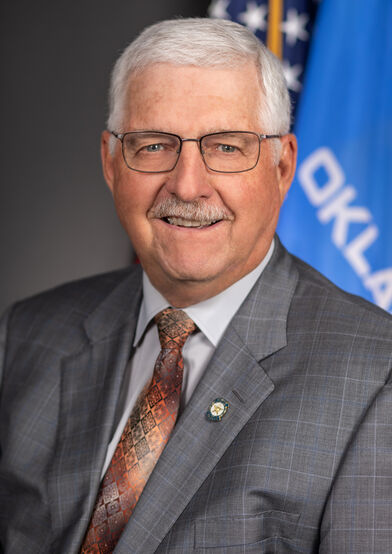
Roland Pederson
Senate · District 19
|
R |
Oppose
|
31% | 121 |
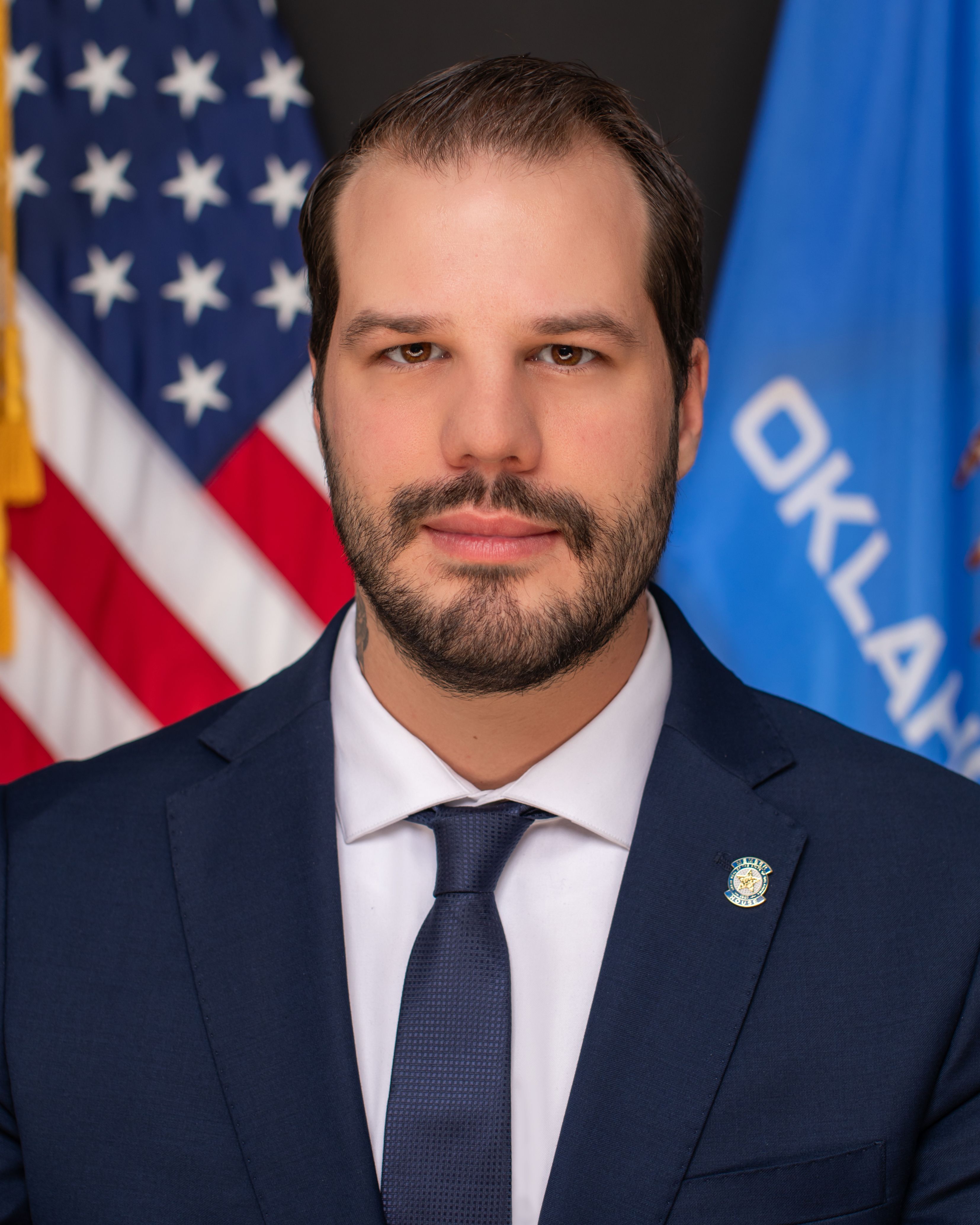
Gabe Woolley
House · District 98
|
R |
Oppose
|
33% | 148 |
Showing 21–30 of 105
bills
All housing bills
SB 1647: Mental health and substance abuse services; broadening purpose of County Community Safety Investment Fund; authorizing certain awards for specified programs. Effective date. Emergency.
Topics
✓ Criminal JusticeSupports Criminal JusticeFunds mental health/substance abuse treatment, pretrial diversion, and rehabilitation programs to reduce recidivism and support criminal justice reform.
✓ HealthcareSupports HealthcareCreates revolving fund specifically for mental health/substance abuse treatment programs, broadening purpose to directly fund these healthcare services through county programs.
✓ HousingSupports HousingBill explicitly authorizes funding for housing services as part of eligible county programs under the County Community Safety Investment Fund.
✓ Labor & EmploymentSupports Labor & EmploymentBill explicitly authorizes funding for 'employment' services within the County Community Safety Investment Fund, directly advancing labor/employment programs as a supported purpose.
HB 3565: Revenue and taxation; ad valorem; homestead exemption; increase in homestead exemption; effective date.
Topics
✓ Budget & TaxesSupports Budget & TaxesIncreases homestead tax exemption for low/middle-income homeowners (income ≤3x state median), providing direct tax relief per bill's income-linked adjustment mechanism.
✓ HousingSupports HousingIncreases homestead exemption for low-income homeowners (income ≤3x state median), reducing property tax burden and enhancing housing affordability for qualifying residents.
HB 3839: Homestead; findings; unconditional ownership; property rights; severability.
Topics
✓ Budget & TaxesSupports Budget & TaxesEliminates residential property taxes and bans substitute fees, providing direct tax relief to homeowners per State Question 842.
✓ HousingSupports HousingPrevents forced sales for non-tax charges and bans substitute fees mimicking taxes, directly protecting homeowners' property rights in housing.
HB 3913: Cities and towns; buildings; single-stairway apartment; effective date.
Sub-Topics
Building Codes
HB 4301: Protection of veterans; requiring Attorney General to enforce provisions of federal law related to payments made to escrow or title companies in certain real estate transactions; effective date.
Topics
✓ HousingSupports HousingProtects veterans/military in housing transactions by requiring earnest money return if property appraises low, strengthening property rights and consumer protection in housing.
✓ VeteransSupports VeteransRequires return of earnest money to veterans on property appraisals, enforcing federal protections to prevent financial loss during home purchases.
HB 3847: Revenue and taxation; foreclosure lien; unpaid taxes; population cap; effective date.
Topics
✓ Budget & TaxesSupports Budget & TaxesProvides tax relief for low-income elderly/disabled homeowners by exempting them from property tax foreclosure, aligning with tax relief indicators for lower income groups.
✓ HousingSupports HousingPrevents tax foreclosure on elderly/disabled homeowners meeting income/property limits, protecting vulnerable residents from displacement and strengthening housing stability.
HB 3694: Revenue and taxation; ad valorem; Oklahoma Tax Commission; form; county assessor; disabled veteran and surviving spouse; effective date.
Topics
✓ Budget & TaxesSupports Budget & TaxesBill maintains existing property tax exemption for disabled veterans, ensuring continued tax relief without requiring new funding or policy changes.
✓ HousingSupports HousingMaintains property tax exemption for disabled veterans purchasing homes, reducing housing costs and supporting affordability for a vulnerable group.
✓ VeteransSupports VeteransEnsures disabled veterans' property tax exemption continuity when purchasing new homes, protecting existing benefit without interruption per constitutional exemptions.
HB 3698: Unstable housing; Student Eviction Assistance Revolving Fund; Oklahoma State Department of Education; indigent defense; forcible entry and detainer; requirements; report; audit; effective date.
Topics
✓ Budget & TaxesSupports Budget & TaxesBill allocates state appropriations to fund the Student Eviction Assistance Revolving Fund, directly advancing public service funding through state budget resources.
✓ EducationSupports EducationCreates Student Eviction Assistance Fund via State Department of Education to prevent housing instability-related absenteeism, directly supporting educational access for K-12 students.
✓ HousingSupports HousingCreates Student Eviction Assistance Fund providing legal aid to low-income families facing eviction, directly protecting tenant rights and addressing housing instability for students.