

Issue · Healthcare
Healthcare (Substance Abuse)
Every healthcare bill, vote, and legislator stance in Oklahoma, automatically classified by Maddy, our AI policy reader.
Total bills
63
2026 Regular Session
Top supporter
Bill Coleman
100% support rate
Top opponent
Molly Jenkins
7% support rate
Ranked legislators
10
5 support · 5 oppose
Key legislators
Who's moving substance abuse in Oklahoma
| Legislator | Party | Stance | Support rate | Votes |
|---|---|---|---|---|

Bill Coleman
Senate · District 10
|
R |
Strong +
|
100% | 20 |

John Haste
Senate · District 36
|
R |
Strong +
|
100% | 20 |

Aaron Reinhardt
Senate · District 37
|
R |
Strong +
|
100% | 19 |

Brenda Stanley
Senate · District 42
|
R |
Strong +
|
100% | 19 |
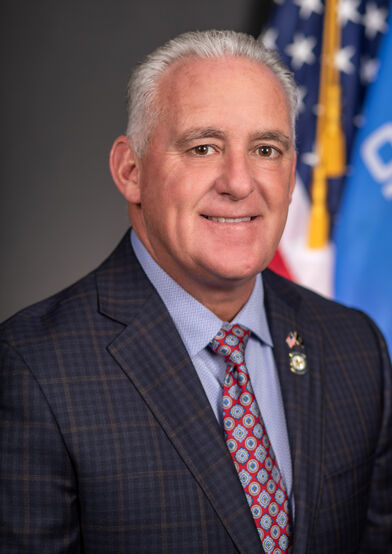
Paul Rosino
Senate · District 45
|
R |
Strong +
|
100% | 19 |

Molly Jenkins
House · District 33
|
R |
Strong −
|
7% | 14 |
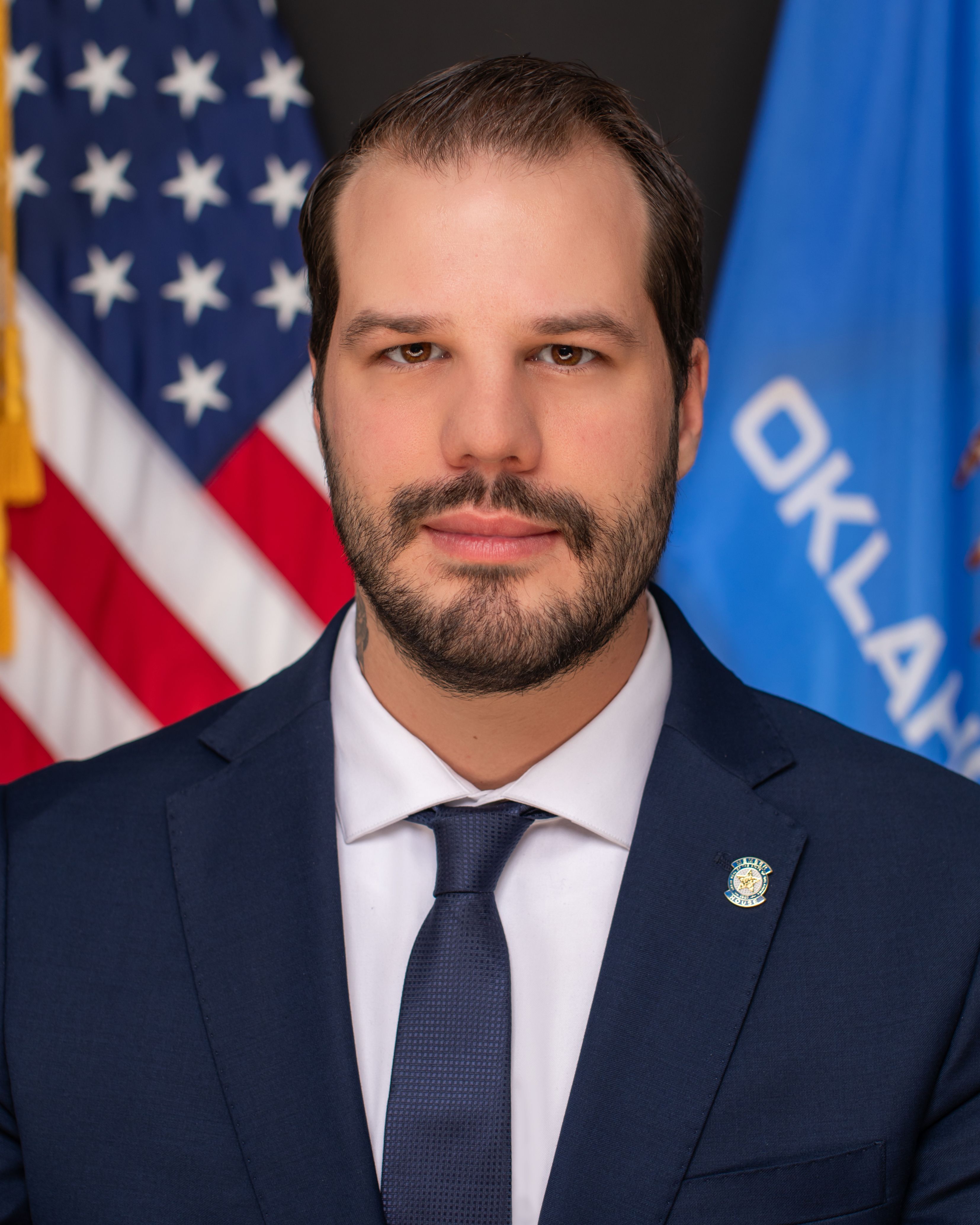
Gabe Woolley
House · District 98
|
R |
Strong −
|
8% | 13 |

Jim Shaw
House · District 32
|
R |
Strong −
|
8% | 13 |

Tom Gann
House · District 8
|
R |
Strong −
|
8% | 13 |

Rick West
House · District 3
|
R |
Strong −
|
8% | 12 |
Showing 41–50 of 63
bills
All healthcare bills
SB 606: Office of public defender; increasing certain population requirements. Effective date.
Topics
✗ Criminal JusticeOpposes Criminal JusticeRaises population threshold for public defender offices, reducing mandatory coverage in smaller counties and potentially limiting defendant access to counsel.
✓ HealthcareSupports HealthcareMandates mental health training for public defenders, supporting mental health service integration in legal representation.
SB 547: Health care; minor self-consent to health services; granting certain protections to parent or legal guardian related to medical records. Effective date.
SB 1142: Department of Human Services; making an appropriation; stating purpose. Effective date. Emergency.
Topics
✓ Budget & TaxesSupports Budget & TaxesAllocates $100k from unallocated funds to mental health services, directly funding an essential public program through budget appropriation.
✓ HealthcareSupports HealthcareAllocates $100k to mental health department for services, directly funding mental health care as per bill summary and indicators.
HB 1011: School employees; Education Employee Assistant Program; Department of Mental Health and Substance Abuse Services; effective date; emergency.
Topics
✓ EducationSupports EducationCreates voluntary program providing mental health, substance abuse, and financial support to school employees, directly supporting educators and improving well-being for better job performance.
✓ HealthcareSupports HealthcareBill establishes a mental health assistance program providing counseling and referrals for school employees, directly advancing mental health services within healthcare.
✓ Labor & EmploymentSupports Labor & EmploymentBill creates voluntary confidential counseling services for school employees to address mental health/substance abuse issues affecting job performance, expanding worker benefits and supporting workplace well-being.
SB 811: Criminal procedure; requiring implementation of certain competency restoration pilot program. Effective date. Emergency.
Topics
✓ Criminal JusticeSupports Criminal JusticeMandates community-based competency restoration for mentally ill defendants, promoting rehabilitation over incarceration in criminal justice system.
✓ HealthcareSupports HealthcareMandates community-based mental health treatment for criminal defendants, advancing mental health services within the justice system.
HB 1484: Schools; creating Rain's Law; requiring certain instruction on fentanyl abuse prevention and drug poisoning awareness; effective date; emergency.
Topics
✓ EducationSupports EducationMandates fentanyl education in health curriculum for grades 6-12, enhancing student health education programs per bill requirements.
✓ HealthcareSupports HealthcareBill mandates school-based public health education on fentanyl abuse and suicide prevention, directly advancing public health programs under healthcare topic.
HB 1601: Schools; creating the Advancing Rights for Caregiving, Health, and Extended Recovery (Maternity Leave Protection for Teachers) Act; effective date.
Topics
✓ EducationSupports EducationExtends maternity leave for public school teachers, protecting employment during pregnancy-related needs and strengthening educator welfare within K-12 education policy.
✓ HealthcareSupports HealthcareBill mandates extended leave for pregnancy-related health needs, protecting teachers' access to healthcare during maternity without penalty, aligning with patient rights protection.
✓ Labor & EmploymentSupports Labor & EmploymentExtends maternity leave protections for teachers, creating dedicated leave beyond standard sick leave for pregnancy needs, strengthening employment standards and workers' rights.
SB 144: Department of Corrections; creating the Reentry and Housing Pilot Program and Revolving Fund. Effective date.
Topics
✓ Budget & TaxesSupports Budget & TaxesBill creates a new revolving fund in state treasury using state appropriations to fund DOC reentry housing program, advancing public service funding through budget allocation.
✓ Criminal JusticeSupports Criminal JusticeSB 144 creates a reentry program with housing, job skills, and treatment to reduce recidivism, directly advancing criminal justice reform through funding and service expansion.
✓ HealthcareSupports HealthcareBill includes substance abuse treatment support as part of reentry services, aligning with healthcare access indicators for mental health/substance abuse care.
✓ HousingSupports HousingCreates affordable housing program for formerly incarcerated individuals via new revolving fund, directly advancing housing access for vulnerable population.
SB 574: Attorney General; broadening approved purposes for opioid grant awards; authorizing certain use of funds by the Attorney General. Effective date.
Topics
✓ Criminal JusticeSupports Criminal JusticeExpands opioid grant funding for prevention/treatment programs, directly supporting criminal justice reform goals by addressing root causes of crime and reducing recidivism.
✓ HealthcareSupports HealthcareExpands opioid grant funding for prevention, treatment, and recovery services, directly increasing healthcare access and public health funding for substance use disorders.