Issue · Healthcare

Healthcare

Every healthcare bill, vote, and legislator stance in Oklahoma, automatically classified by Maddy, our AI policy reader.

Total bills
470
2026 Regular Session
Top supporter
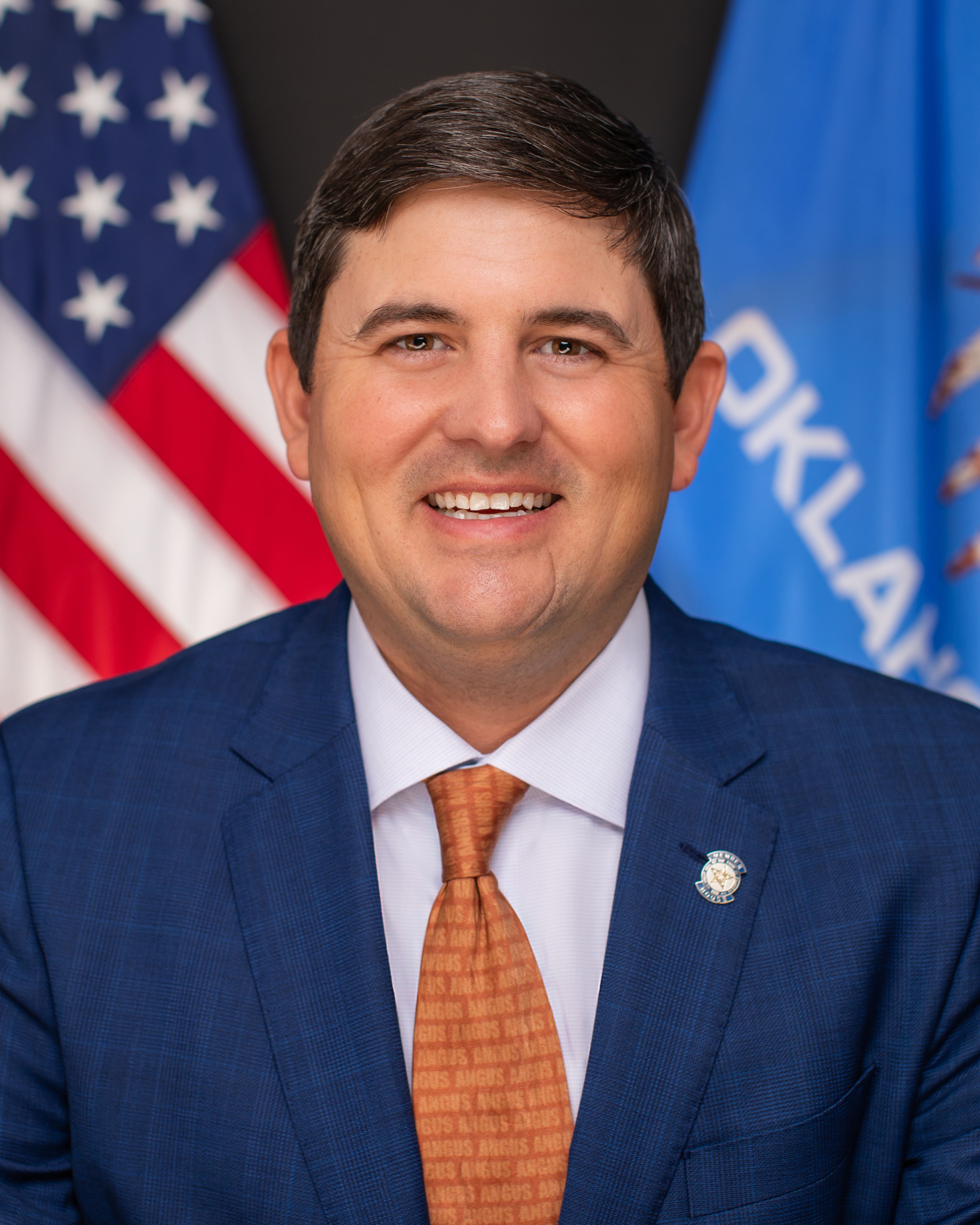
Brenda Stanley
97% support rate
Top opponent
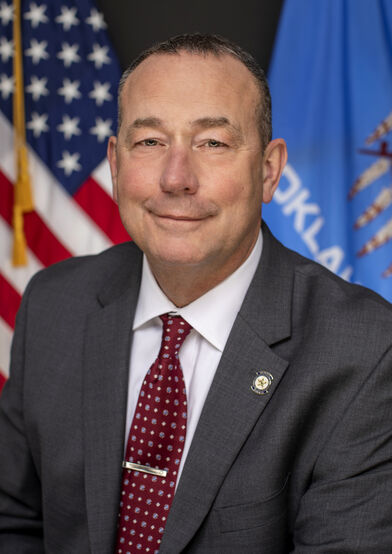
Shane Jett
16% support rate
Ranked legislators
10
5 support · 5 oppose
Key legislators

Who's moving healthcare in Oklahoma

Legislators moving healthcare in Oklahoma
Legislator Party Stance Support rate Votes
Brenda Stanley
Brenda Stanley Senate · District 42
R
Strong +
97% 214
John Pfeiffer
John Pfeiffer House · District 38
R
Strong +
96% 186
Lonnie Paxton
Lonnie Paxton Senate · District 23
R
Strong +
96% 173
Aaron Reinhardt
Aaron Reinhardt Senate · District 37
R
Strong +
96% 250
Kelly Hines
Kelly Hines Senate · District 47
R
Strong +
96% 181
Shane Jett
Shane Jett Senate · District 17
R
Strong −
16% 216
Molly Jenkins
Molly Jenkins House · District 33
R
Strong −
17% 206
Dusty Deevers
Dusty Deevers Senate · District 32
R
Strong −
19% 208
Rick West
Rick West House · District 3
R
Strong −
20% 201
Jim Shaw
Jim Shaw House · District 32
R
Oppose
20% 204
Showing 441–450 of 470 bills

All healthcare bills

in committee · Oklahoma · House Feb 13, 2025

HB 1472: Health; Alzheimer's Dementia and Other Forms of Dementia Special Care Disclosure Act; type of care; penalties; misdemeanor; effective date.

HB 1472 requires nursing homes, assisted living facilities, and similar care providers that advertise specialized dementia care to disclose specific details about their services. Facilities must submit a standardized form to Oklahoma's State Department of Health covering care philosophy, staffing ratios, resident activities, fees, and facility certifications. This information must be posted on the facility's website and made publicly available through a state-maintained online directory. Facilities falsely advertising dementia care without meeting these standards face civil penalties and misdemeanor charges. The law aims to ensure transparency for families considering care options for loved ones with dementia.
Sub-Topics Long-Term Care
in committee · Oklahoma · House Feb 17, 2025

HB 2371: Schools; mental health; pilot programs; revolving fund; effective date.

HB 2371 proposes funding pilot programs for school districts to use AI software on school-issued devices as a safety tool, without direct student surveillance. The bill requires the Oklahoma Department of Mental Health and Substance Abuse Services and the State Department of Education to fund AI programs that analyze device activity (via existing web filtering systems) to assess student safety, readiness to learn, and well-being, using data already collected for compliance. It creates a dedicated revolving fund in the state treasury to cover costs like software, equipment, and personnel for these voluntary pilot programs, which can be implemented at the district or school level. The bill would take effect November 1, 2025, if passed.
passed both · Oklahoma · Senate Mar 4, 2026

SB 202: Medicaid; modifying eligibility requirements for self-funded or self-insured health care plan to participate in certain premium assistance program. Emergency.

SB 202 modifies eligibility rules for self-funded health plans to participate in Oklahoma's Medicaid premium assistance program. It allows small businesses and public entities using self-funded health plans to qualify if the plan was already used by an employer in the program as of May 1, 2024, or if it’s owned by a local government public trust. This change specifically affects small employers (under 250 employees) and public-sector health plans seeking to access state premium assistance. The bill aims to expand coverage options for low-income workers by making more health plan types eligible for state-funded premium support.
Sub-Topics Insurance Medicaid
in committee · Oklahoma · Senate Feb 3, 2026

SB 1279: Income tax; creating the Health Care Sharing Ministries Tax Parity Act; providing deduction for certain expenditures. Effective date.

SB 1279, the Health Care Sharing Ministries Tax Parity Act, allows Oklahoma taxpayers who are active members of qualifying health care sharing ministries to deduct membership and administrative fees and exclude from taxable income any payments received from the ministry for medical expenses. This applies to Oklahoma residents who maintained membership for at least one month during the tax year, starting in 2027. The bill defines a qualifying ministry as a not-for-profit organization facilitating voluntary medical cost sharing among members with shared ethical or religious beliefs, without insurance guarantees. Taxpayers must claim these benefits using forms prescribed by the Oklahoma Tax Commission, which will establish verification rules. The law takes effect for tax year 2027.
Sub-Topics Income Tax
passed both · Oklahoma · Senate May 14, 2026

SB 740: Child sexual abuse; creating the Cindy Clemishire Act; creating Trey's Law. Effective date.

SB 740 amends Oklahoma's mental health definitions to modernize terminology and clarify eligibility for care. It replaces outdated terms like "insane" and "mental disease" with "mental illness" throughout the law and defines key terms such as "person requiring treatment" (based on specific risk criteria like immediate harm to self/others) and "licensed mental health professional" (including psychiatrists, psychologists, and counselors). The bill directly affects mental health facilities, providers, and individuals receiving care by standardizing how these terms are used in legal documents, admission processes, and treatment decisions. It does not create new services or funding but ensures consistent application of existing mental health laws.
in committee · Oklahoma · Senate Feb 4, 2025

SB 441: Medicaid; requiring certain coverage of chiropractic care; granting additional protections. Effective date. Emergency.

SB 441 requires Oklahoma's Medicaid program to cover medically necessary chiropractic care provided by licensed chiropractors for diagnosing or treating illness/injury or improving bodily function. It prohibits Medicaid from denying coverage based on age and eliminates the need for prior authorization (approval before treatment) for such care. This directly affects Medicaid beneficiaries who require chiropractic services, ensuring they can access this care without age-based barriers or extra administrative hurdles. The bill mandates these changes effective immediately upon enactment, with the Oklahoma Health Care Authority required to seek federal approval for the policy shift.
Sub-Topics Medicaid
in committee · Oklahoma · House Feb 4, 2025

HB 1842: Workers' compensation; mental health-related injuries; first responders; service weapon; CLEET certification; effective date.

HB 1842 modifies Oklahoma's workers' compensation rules for mental health injuries affecting first responders. It removes the requirement for a physical injury to claim PTSD-related compensation for law enforcement officers, firefighters, and EMTs responding to emergencies. The bill limits mental injury disability benefits to 52 weeks (with 26 weeks for initial coverage), caps medical treatment costs at $10,000, and requires employers to suspend CLEET certification and collect service weapons during disability. This directly affects full-time and volunteer first responders whose mental health conditions arise from emergency response duties.
vetoed · Oklahoma · House May 30, 2025

HB 2645: Revenue and taxation; practice of medicine; tax credit; time period; effective date.

HB 2645 creates a tax credit for qualifying doctors practicing medicine in rural Oklahoma, directly affecting licensed physicians who meet specific residency and education criteria. The credit, capped at $20,000 per year per doctor, applies to taxable income from medical practice in designated rural areas (population under 25,000 and at least 25 miles from larger cities). The bill includes an annual $1 million total credit limit, with adjustments to prevent exceeding this cap. The bill was pocket-vetoed by the governor on June 15, 2025, and never became law.
Sub-Topics Tax Credits
in committee · Oklahoma · Senate Mar 5, 2025

SB 1030: Prescription drug pricing; prohibiting certain action. Effective date.

SB 1030, the "340B Drug Pricing Nondiscrimination Act," prohibits health insurers, pharmacy benefits managers, and third-party payors from discriminating against Oklahoma's 340B drug program participants. It requires equal reimbursement rates for 340B drugs compared to non-340B drugs and bans special fees, billing requirements, or restrictions solely because a provider participates in the federal 340B program. The bill also prevents interference with patients' choice to receive 340B drugs at participating pharmacies and prohibits requiring special billing modifiers for 340B claims unless mandated by federal programs. This directly affects hospitals, clinics, and pharmacies enrolled in the federal 340B program, as well as insurers and pharmacy benefit managers handling their claims.
Sub-Topics Prescription Drugs
passed · Oklahoma · House Apr 1, 2025

HB 1416: Non-opioid treatment; terms; preferred drug lists; discretion; drug treatment; United States Food and Drug Administration; coverage; non-opioid drugs; reimbursement; effective date.

HB 1416 requires insurers offering group health plans for state employees to ensure non-opioid pain medications (approved by the FDA) are not disadvantaged in coverage compared to opioids on their preferred drug lists. It directly affects state employee health insurance plans by mandating equal treatment for FDA-approved non-opioid pain drugs, such as those that don’t act on opioid receptors. The bill does not ban opioids or require non-opioid use but prohibits insurers from making non-opioid options harder to access through coverage rules. This applies to all drugs covered under state employee plans and takes effect November 1, 2025.
Showing 441 to 450 of 470 bills
Previous 1 44 45 46 47 Next