Issue · Healthcare

Healthcare (Medicaid)

Every healthcare bill, vote, and legislator stance in Oklahoma, automatically classified by Maddy, our AI policy reader.

Total bills
93
2026 Regular Session
Top supporter
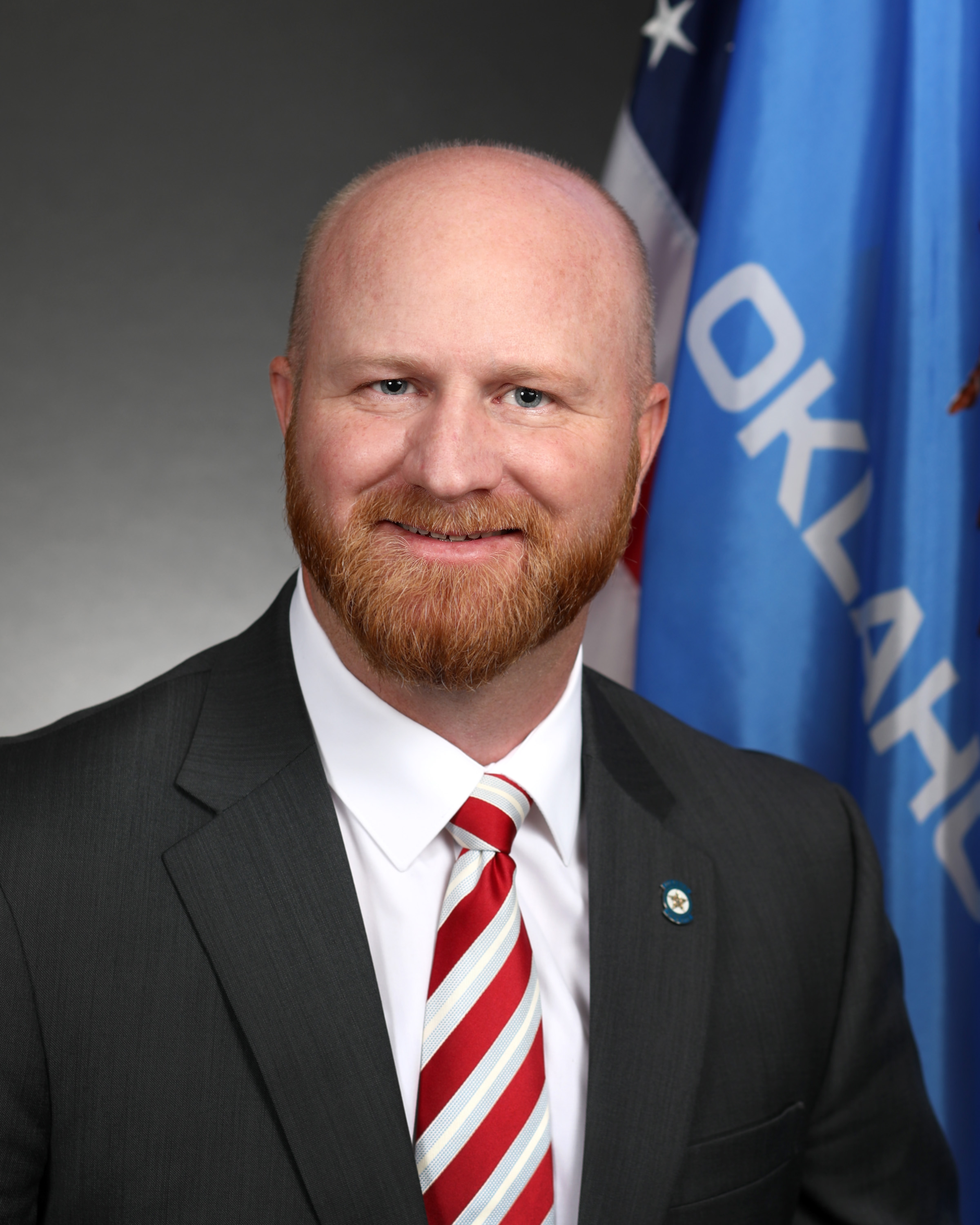
Brent Howard
100% support rate
Top opponent
Shane Jett
6% support rate
Ranked legislators
10
5 support · 5 oppose
Key legislators

Who's moving medicaid in Oklahoma

Legislators moving medicaid in Oklahoma
Legislator Party Stance Support rate Votes
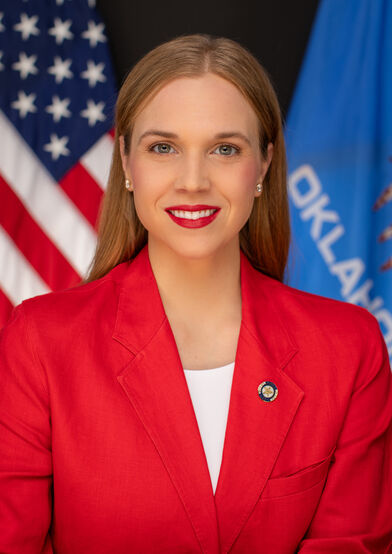
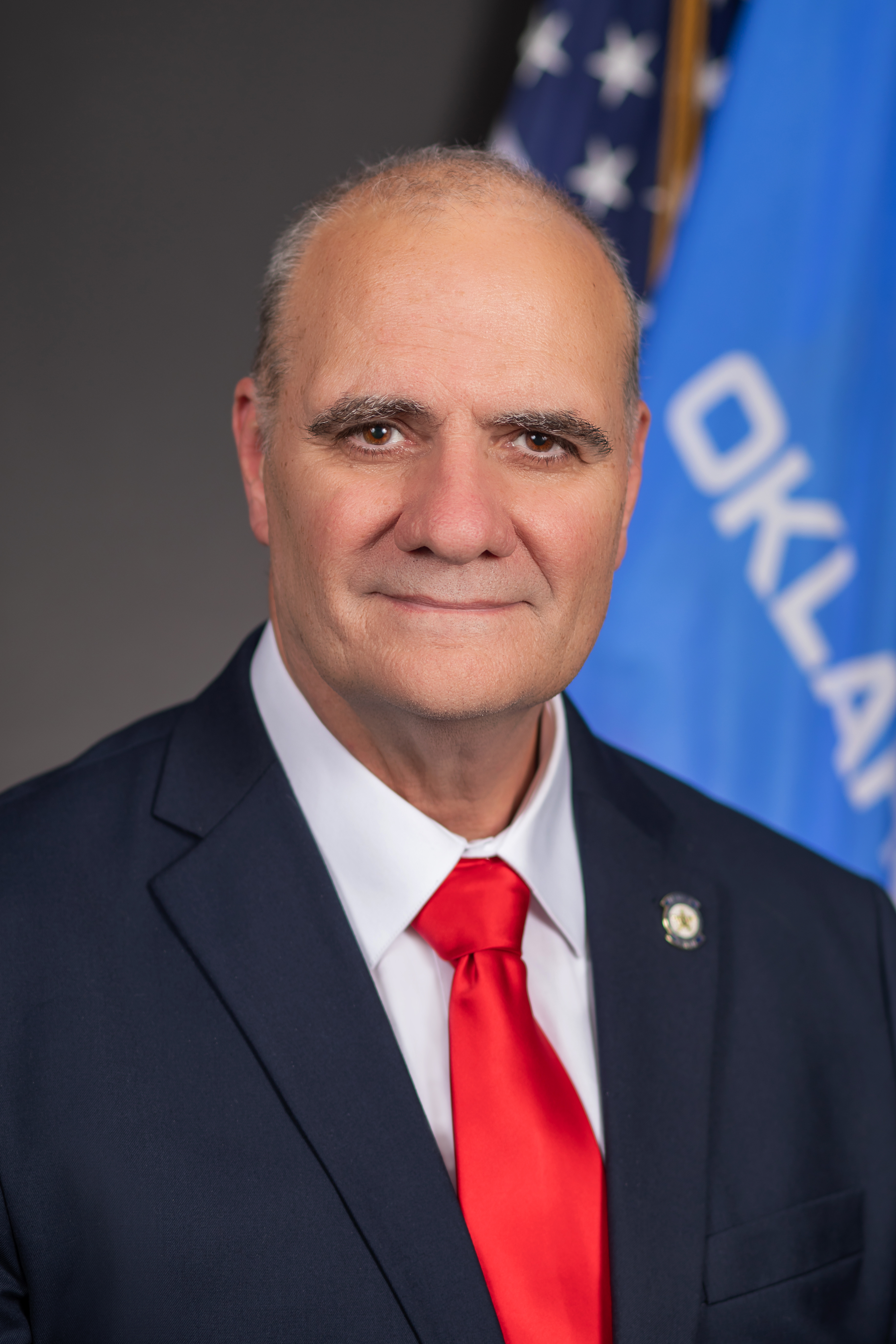
Brent Howard
Brent Howard Senate · District 38
R
Strong +
100% 20
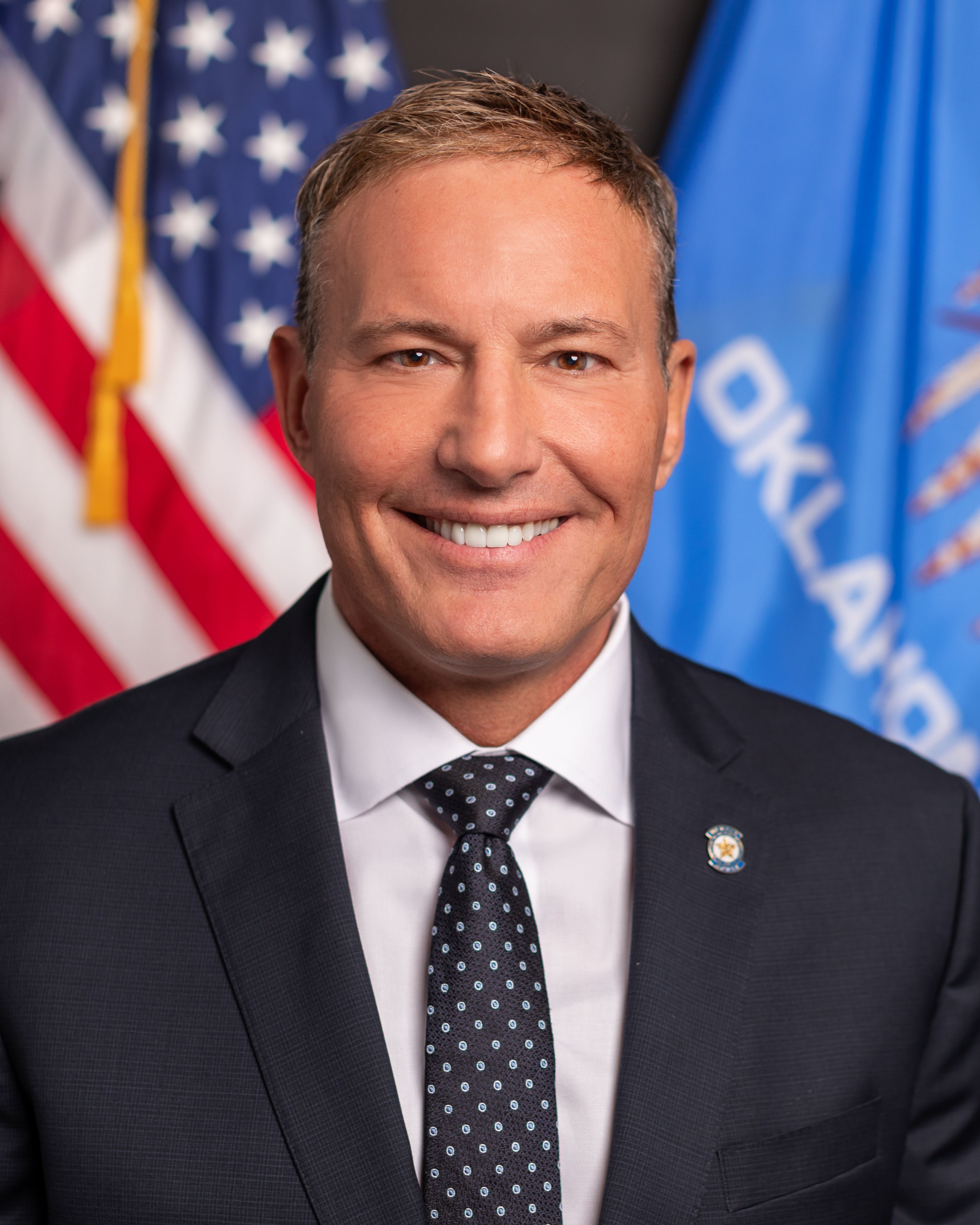
John George
John George House · District 36
R
Strong +
97% 29
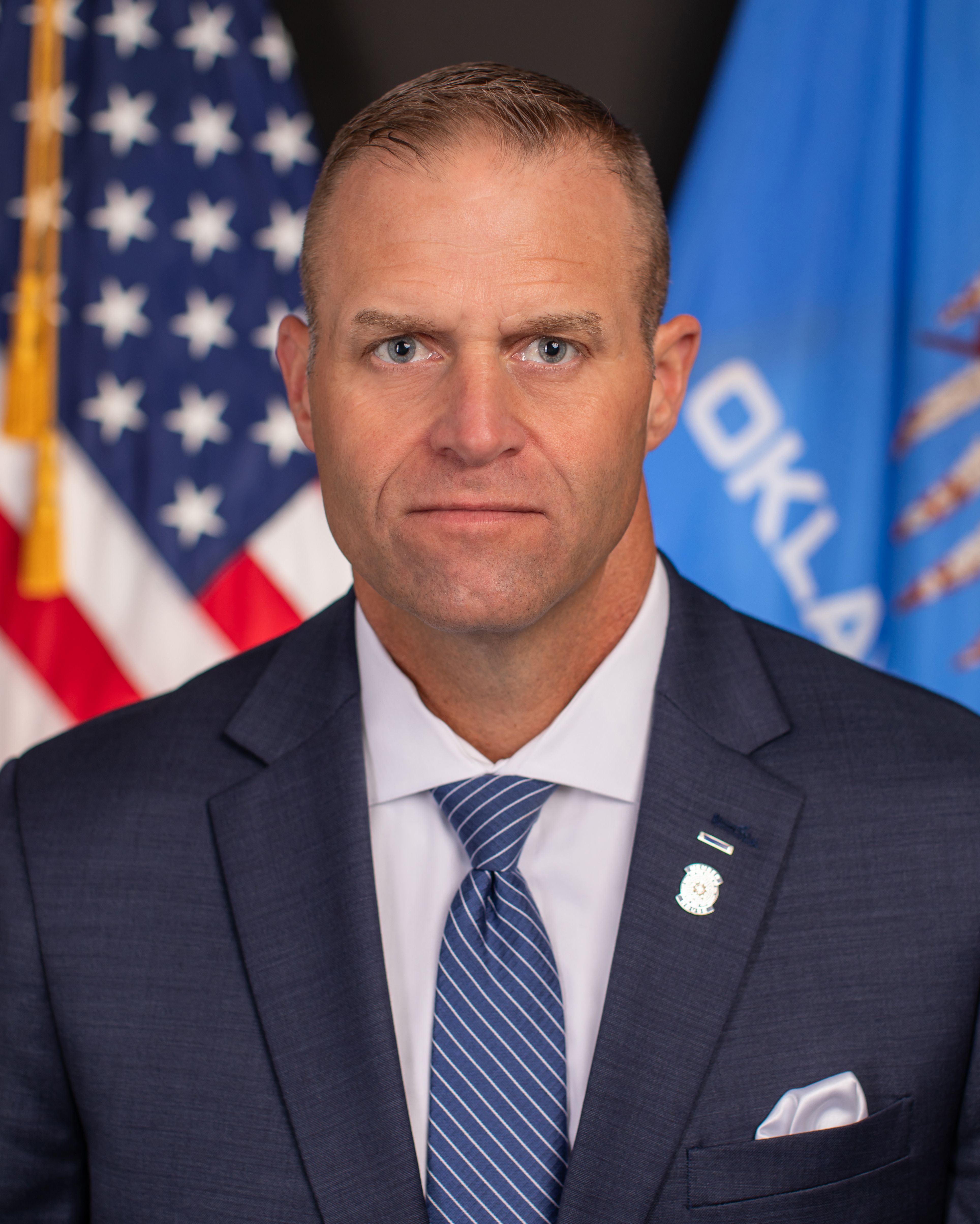
Steve Bashore
Steve Bashore House · District 7
R
Strong +
97% 29
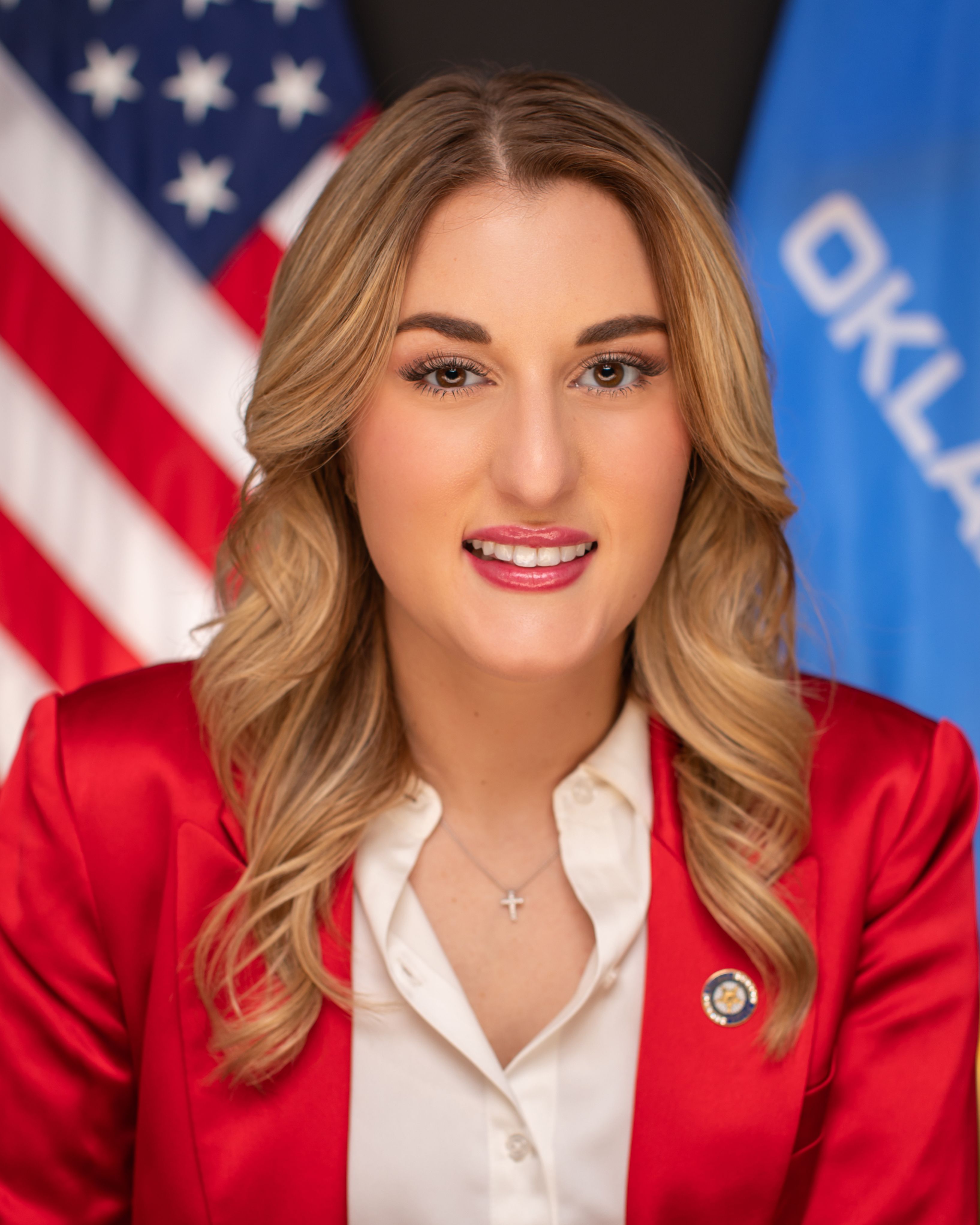
Emily Gise
Emily Gise House · District 90
R
Strong +
96% 28
Josh West
Josh West House · District 5
R
Strong +
96% 28
Shane Jett
Shane Jett Senate · District 17
R
Strong −
6% 17
Dusty Deevers
Dusty Deevers Senate · District 32
R
Strong −
11% 18
Kendal Sacchieri
Kendal Sacchieri Senate · District 43
R
Strong −
11% 18
Rick West
Rick West House · District 3
R
Strong −
15% 27
Dana Prieto
Dana Prieto Senate · District 34
R
Strong −
18% 17
Showing 31–40 of 93 bills

All healthcare bills

in committee · Oklahoma · Senate Feb 3, 2026

SB 1649: Medicaid; prohibiting Oklahoma Health Care Authority from imposing certain requirements on providers. Emergency.

SB 1649 prohibits Oklahoma's Medicaid program (administered by the Oklahoma Health Care Authority) from requiring healthcare providers to disclose whether they perform, refer for, or are affiliated with abortion services. This applies specifically to contracting, Medicaid payment, and credentialing processes. The bill directly affects Medicaid providers who previously might have faced such disclosure demands as a condition of participation. It mandates the Authority to create implementing rules and declares an emergency for immediate effect.
in committee · Oklahoma · House Feb 3, 2026

HB 3358: Medicaid provider audits; terms; review of Medicaid providers or managed care organizations; penalties; retain records; production of records; promulgation of rules; determination of overpayments; credible allegations of fraud; methodology for audits; notice; informal conference; expedited adjudicatory proceeding; Oklahoma Health Care Authority; corrective action plans; qualifications for hearing officer; costs; preliminary or final determination for overpayment; effective date.

This Oklahoma bill requires Medicaid providers and managed care organizations to retain relevant records for six years. It authorizes the Oklahoma Health Care Authority to audit providers for fraud, contract breaches, or billing errors, with written notice required before audits. If violations are found, providers may face fines up to $5,000 per incident or lose their Medicaid contracts. The bill also establishes a faster process for resolving disputes over audit findings, including informal conferences and expedited hearings.
died · Oklahoma · Senate Feb 24, 2026

SB 1837: Medicaid home- and community-based services; requiring Oklahoma Health Care Authority to seek certain exemption. Effective date.

SB 1837 requires the Oklahoma Health Care Authority (OHCA) to seek a federal exemption allowing Medicaid providers in rural counties (population ≤60,000) to provide case management and develop person-centered plans for home- and community-based services. This directly affects rural healthcare providers who currently face restrictions under federal regulation 42 C.F.R. §441.301(c)(1)(vi). The bill mandates OHCA to establish conflict-of-interest protections for exempt providers, separating case management and provider functions within organizations. The exemption would permit these rural providers to deliver services without federal barriers, effective November 1, 2026.
Sub-Topics Medicaid
in committee · Oklahoma · House Feb 3, 2026

HB 3602: Health care-related tax; Oklahoma Health Care Authority; report; publicly post; net patient revenue; exception; tax revenue; tax rate; effective date.

HB 3602 requires the Oklahoma Health Care Authority (OHCA) to annually report on health care-related taxes and publicly post the report online by October 1 each year. The bill prohibits increasing the percentage of health care providers' net patient revenue subject to these taxes above the 2025 level, and mandates a phased reduction - from 5.5% in 2028 down to 3.5% by 2032 and beyond - except for specific tax categories. It also bans tax rates that vary based on Medicaid service volume. This bill directly affects Oklahoma health care providers and the OHCA, taking effect November 1, 2026.
Sub-Topics Revenue Medicaid
in committee · Oklahoma · House Feb 3, 2026

HB 3626: Medicaid; adverse determinations and procedures; review; appeal; requirements; psychologist; minimum rates of reimbursement, value-based payment arrangements, and payment methodologies; Oklahoma Health Care Authority; appeal; effective date.

HB 3626 updates Oklahoma's Medicaid appeal process and provider reimbursement rates. It requires human reviews (by licensed physicians or mental health professionals, not automated systems) for denied claims within six months, with reviewers meeting specific expertise and conflict-of-interest standards. The bill sets minimum reimbursement rates until July 2027: 100% of the fee schedule for network providers and 90% for out-of-network providers. It specifically mandates that psychologists receive full reimbursement for services including intake, testing, and assessments - not just therapy - and establishes new rates for psychologists who win appeals. These changes directly affect Medicaid providers, particularly mental health professionals, and the Oklahoma Health Care Authority.
Sub-Topics Medicaid Mental Health
in committee · Oklahoma · House Feb 25, 2026

HB 4453: Health insurance; Oklahoma Health Care Cost Transparency Board; All Payer Claims Database; Oklahoma Insurance Department; annual primary care spending; report; effective date.

HB 4453 creates the Oklahoma Health Care Cost Transparency Board to oversee a statewide health care data database (APCD) and measure spending trends. It requires commercial health insurers to report primary care spending data annually and meet a minimum 11% spending target on primary care by 2030, using a standardized methodology from the Oklahoma Health Care Authority. The bill mandates the Insurance Department to collect and analyze cost data from insurers, Medicaid, and Medicare, then publish annual transparency reports. Insurers failing to meet benchmarks face potential penalties up to $5,000 per day for noncompliance. This directly affects commercial health insurers operating in Oklahoma.
passed · Oklahoma · House May 14, 2026

HB 4423: Oklahoma Health Care Authority; federal immigration reporting systems; requiring Authority to report certain applicants to the Attorney General; notification to Immigration and Customs Enforcement; effective date.

HB 4423 requires the Oklahoma Health Care Authority to verify the immigration status of all Medicaid applicants using the federal SAVE system (or its successor) before approving benefits. It specifically mandates that the Authority notify U.S. Immigration and Customs Enforcement (ICE) if an applicant's status cannot be verified as lawful. This applies to all applicants, including adults applying for child-only Medicaid benefits on behalf of a child. The bill takes effect October 1, 2026, and does not change Medicaid eligibility criteria but adds a verification step for immigration status.
in committee · Oklahoma · Senate Feb 16, 2026

SB 1564: Medicaid; requiring adoption of certain billing code for specified claims; requiring certain reimbursement. Effective date. Emergency.

SB 1564 requires Oklahoma's Medicaid program (Oklahoma Health Care Authority and its contractors) to use a specific billing code (HCPCS G0330) for facility fees related to dental surgeries under general anesthesia in operating rooms. This applies exclusively to surgeries performed on individuals with intellectual or developmental disabilities, such as those at ambulatory surgical centers. The bill mandates that the Authority set a reimbursement rate reflecting actual service costs, and all contractors must pay at least that rate for these claims. The policy change takes effect July 1, 2026.
Sub-Topics Medicaid
in committee · Oklahoma · House Feb 3, 2026

HB 3912: Insurance; health benefit plans; scalp cooling systems; notice of coverage; Insurance Commissioner; effective date.

HB 3912 requires health insurance plans in Oklahoma (including the State and Education Employees Group Health Insurance Plan) to cover scalp cooling systems for cancer patients undergoing chemotherapy to prevent hair loss, including the cost of the system, supplies, and monitoring. The bill specifies that scalp cooling is considered supportive cancer care, not cosmetic or experimental, and coverage remains subject to standard cost-sharing like other benefits. Plans must notify enrollees about this coverage by December 1, 2026, and the law excludes small employer plans (50 or fewer employees) and federal health plans, while also mandating Oklahoma Medicaid cover scalp cooling for eligible recipients. The bill takes effect on November 1, 2026.
Sub-Topics Insurance Medicaid
signed · Oklahoma · Senate May 13, 2026

SB 1553: Medicaid; specifying certain qualifications for appeals; providing for recovery of certain costs. Effective date.

SB 1553 amends Oklahoma's Medicaid appeal process to ensure appeals for denied claims are reviewed by qualified mental health professionals. It requires reviewers (like psychologists) to hold valid licenses, have relevant clinical experience, and avoid conflicts of interest, while banning automated review systems. The bill also establishes that if an appeal successfully reverses a denied claim, the psychologist or mental health provider can recover costs for time spent on the appeal. This directly affects Medicaid members, providers, and mental health professionals handling appeals.
Showing 31 to 40 of 93 bills
Previous 1 3 4 5 10 Next