

Issue · Healthcare
Healthcare (Mental Health)
Every healthcare bill, vote, and legislator stance in Oklahoma, automatically classified by Maddy, our AI policy reader.
Total bills
83
2026 Regular Session
Top supporter
Aaron Reinhardt
100% support rate
Top opponent
Molly Jenkins
8% support rate
Ranked legislators
10
5 support · 5 oppose
Key legislators
Who's moving mental health in Oklahoma
| Legislator | Party | Stance | Support rate | Decisive votes |
|---|---|---|---|---|

Aaron Reinhardt
Senate · District 37
|
R |
Strong +
|
100% | 22 |

Bill Coleman
Senate · District 10
|
R |
Strong +
|
100% | 22 |

Brenda Stanley
Senate · District 42
|
R |
Strong +
|
100% | 22 |
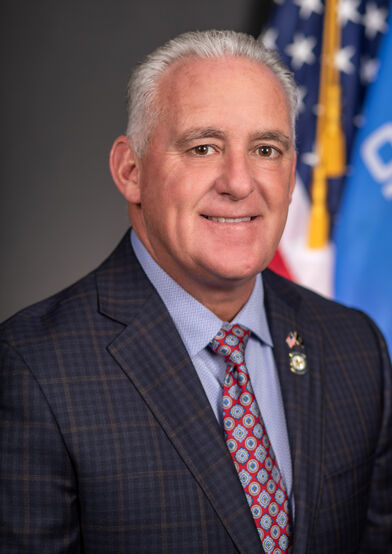
Paul Rosino
Senate · District 45
|
R |
Strong +
|
100% | 22 |
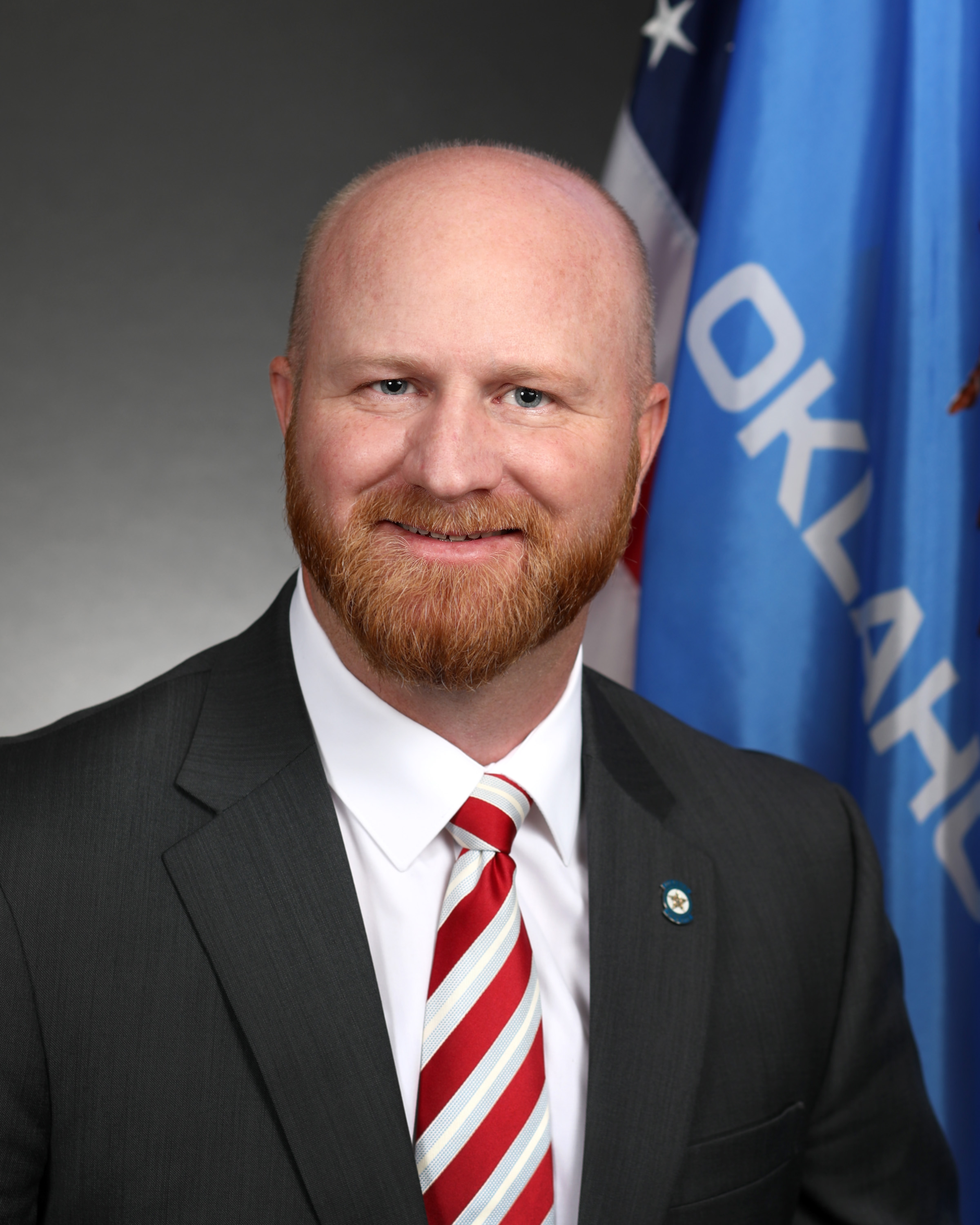
Brent Howard
Senate · District 38
|
R |
Strong +
|
100% | 19 |

Molly Jenkins
House · District 33
|
R |
Strong −
|
8% | 13 |
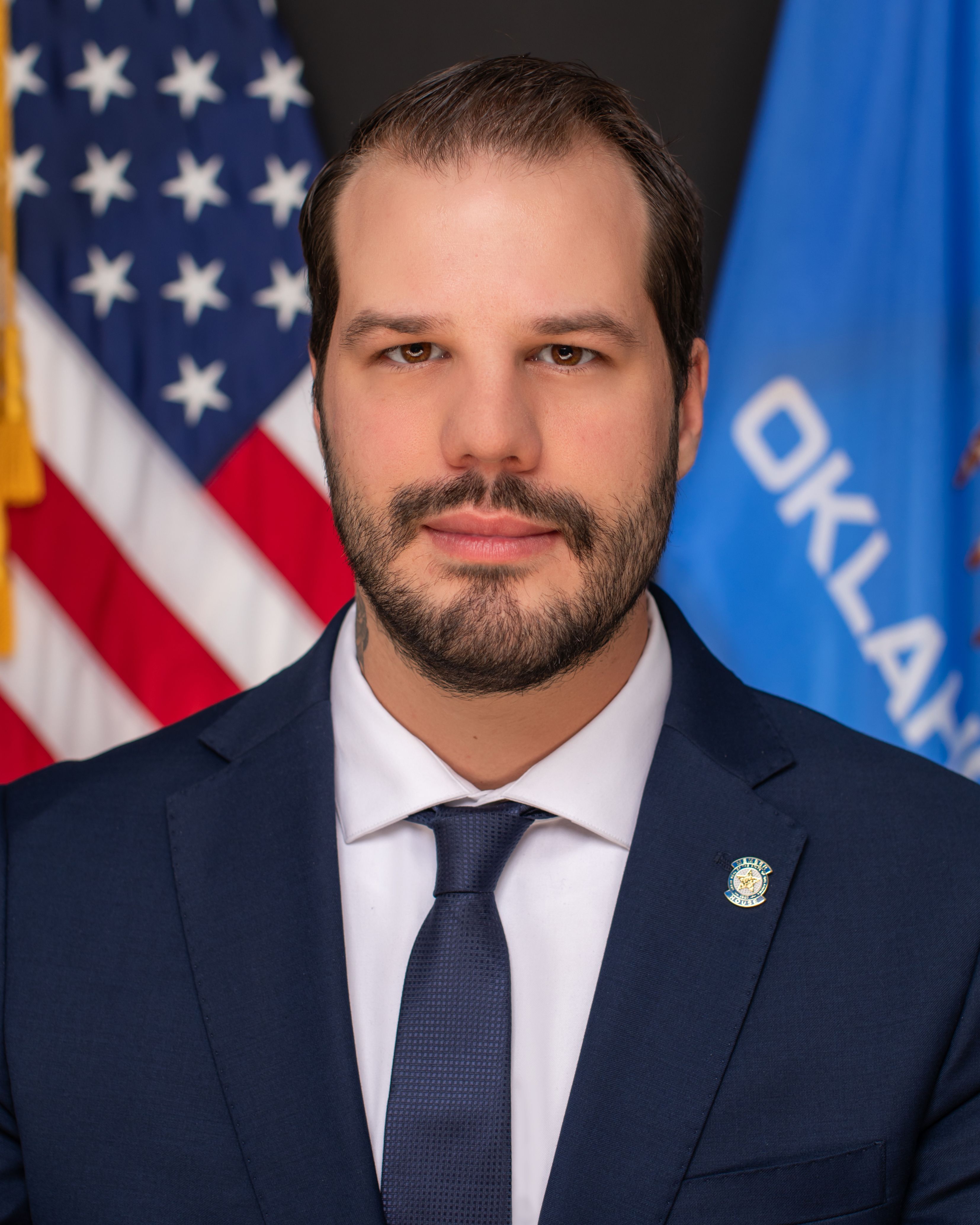
Gabe Woolley
House · District 98
|
R |
Strong −
|
10% | 10 |

Jim Shaw
House · District 32
|
R |
Strong −
|
10% | 10 |

Rick West
House · District 3
|
R |
Strong −
|
10% | 10 |

Tom Gann
House · District 8
|
R |
Strong −
|
10% | 10 |
Showing 31–40 of 83
bills
All healthcare bills
SB 913: Substance abuse services; making certain school training mandatory; requiring boards of education of public school districts to provide certain personnel with emergency opioid antagonists under specified condition. Effective date. Emergency.
Topics
✓ EducationSupports EducationMandates opioid antagonist training and availability for school staff, directly enhancing student/staff safety in educational settings per topic's 'educational access' and 'school personnel' scope.
✓ HealthcareSupports HealthcareMandates naloxone access and training for school staff to address opioid overdoses, directly enhancing public health response in schools.
SB 1379: Attorney General; establishing certain pilot program; stating eligibility requirements; Victims of Human Trafficking and Prevention Revolving Fund. Effective date. Emergency.
Topics
✓ Budget & TaxesSupports Budget & TaxesBill makes specific appropriation for trafficking victim services, directly funding public safety programs through state budget allocation.
✓ Criminal JusticeSupports Criminal JusticeFunds victim services for trafficking survivors, aligning with criminal justice reform by supporting victims and enhancing victim protection within the justice system.
✓ HealthcareSupports HealthcareFunds medical care and mental health counseling for trafficking victims via grants to nonprofits, directly supporting healthcare services as specified in bill's summary.
✓ Labor & EmploymentSupports Labor & EmploymentProvides job training services for labor trafficking victims, directly supporting employment opportunities and workforce reintegration as part of victim assistance.
HB 1566: Mental health; Neil's Law; Oklahoma Elder Exploitation and Abuse Act; purpose; intent; terms; civil actions; venue; relief; claim; records; vulnerable adult; effective date.
Sub-Topics
Mental Health
SB 1369: 988 Mental Health Lifeline; defining terms; suicide prevention and crisis service activities; standards; rules; creating the 988 Lifeline Revolving Fund; declaring funds appropriated. Effective date.
Topics
✓ Budget & TaxesSupports Budget & TaxesAllocates $5.7M from state funds for mental health crisis hotline, directly funding essential public service under budget appropriations.
✓ HealthcareSupports HealthcareAllocates $5.7M to sustain and expand 9-8-8 mental health crisis hotline, directly supporting mental health services access and crisis response capacity.
Sub-Topics
Mental Health
HB 2801: Antipsychotic drugs; vendor drug program; Oklahoma Health Care Authority; prior authorized; disorders; prior authorization; effective date.
SB 1368: Department of Mental Health and Substance Abuse Services; making an appropriation; stating purpose. Emergency.
Topics
✓ Budget & TaxesSupports Budget & TaxesAppropriates $70.5M from General Revenue to fund mental health services, supplementing existing programs - directly advancing state budget allocation for essential public services.
✓ HealthcareSupports HealthcareAllocates $70.5M for mental health/substance abuse services including Medicaid coverage and provider payments, directly funding critical healthcare programs.
SB 1141: State Department of Health; requiring portions of certain appropriated funds be used for certain purposes; stating purpose of certain disbursement; requiring use of certain date. Effective date. Emergency.
Topics
✓ Budget & TaxesSupports Budget & TaxesBill allocates $100,000 from state funds to mental health services, directly funding essential public programs without altering current requirements.
✓ HealthcareSupports HealthcareAllocates $100k specifically for mental health services under existing statutory duties without altering current programs, directly advancing mental health care access.
SB 1140: Department of Mental Health and Substance Abuse Services; requiring portions of certain appropriated funds be used for certain purposes; authorizing request for early transfers of certain funds for specific purpose. Effective date. Emergency.
HB 1538: Schools; Student Retention Protocol Act of 2025; definitions; screenings, assessments, and evaluations for students; availability of funding; effective date; emergency.
Topics
✓ EducationSupports EducationMandates screenings and support services for at-risk students before retention, aiming to address learning barriers and prevent unnecessary grade retention.
✓ HealthcareSupports HealthcareBill mandates psychiatric evaluations (mental health services) for at-risk students, directly supporting mental health care access in schools to address learning barriers.