Issue · Healthcare

Healthcare (Insurance)

Every healthcare bill, vote, and legislator stance in Oklahoma, automatically classified by Maddy, our AI policy reader.

Total bills
60
2026 Regular Session
Top supporter
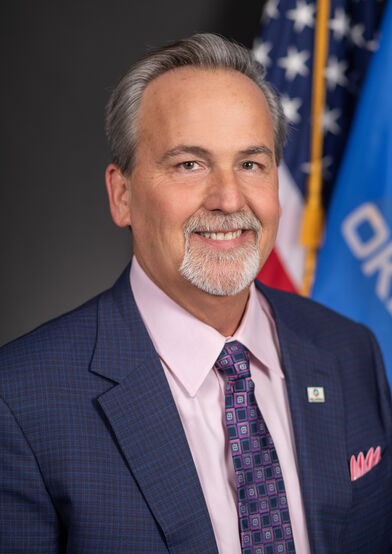
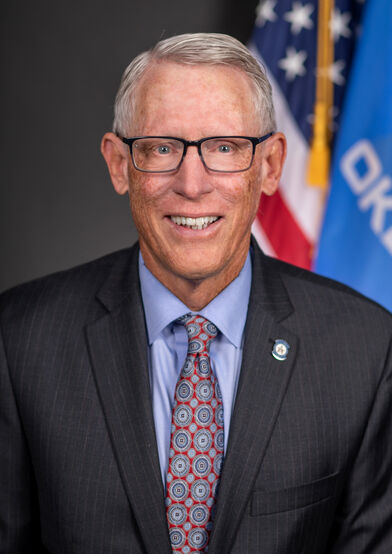
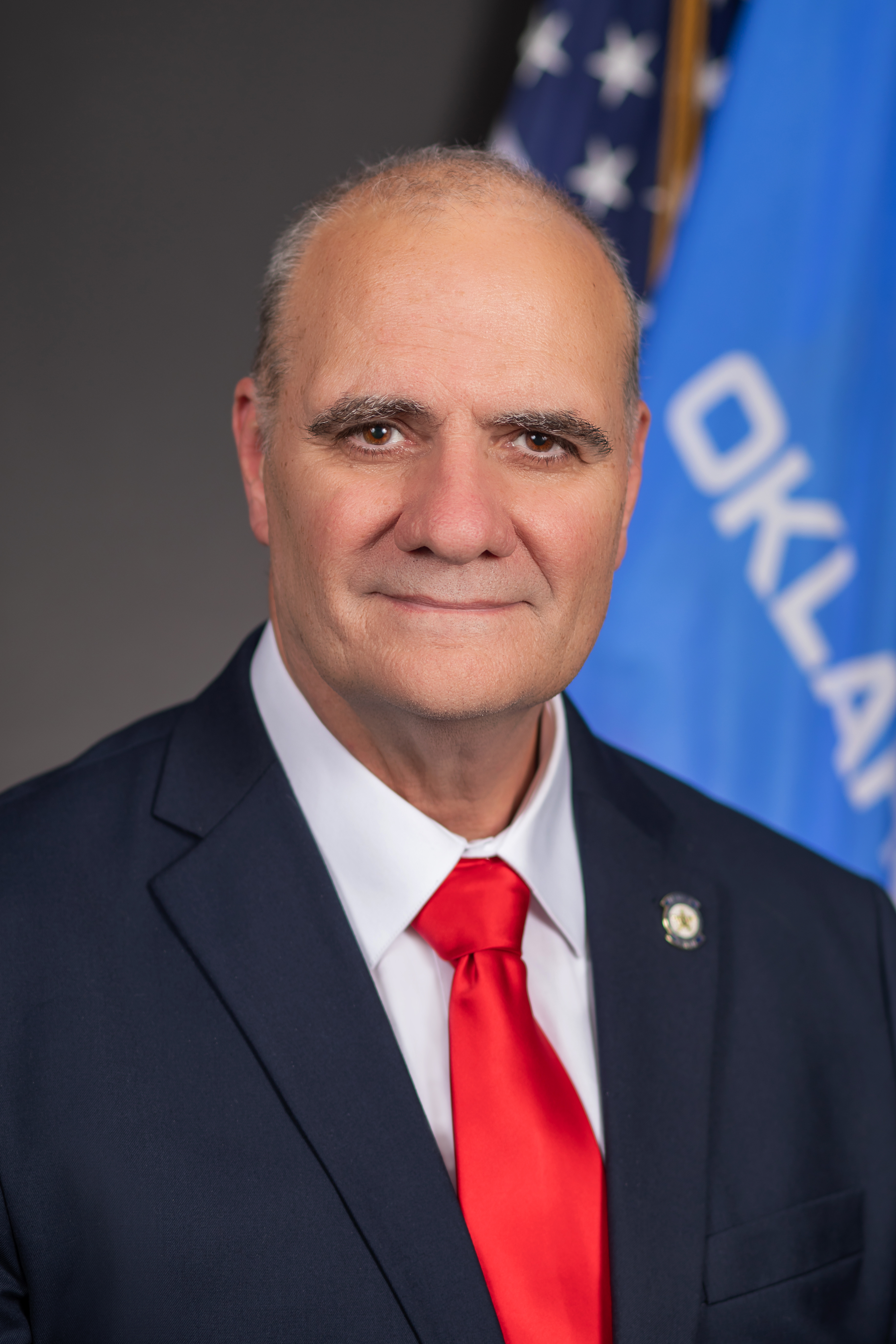
Bill Coleman
100% support rate
Top opponent
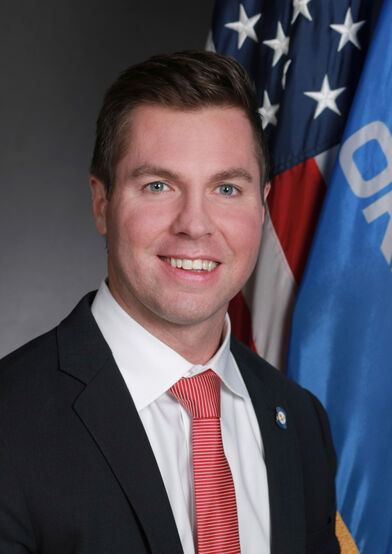
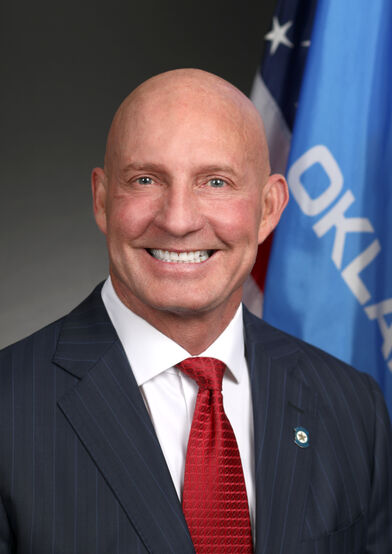
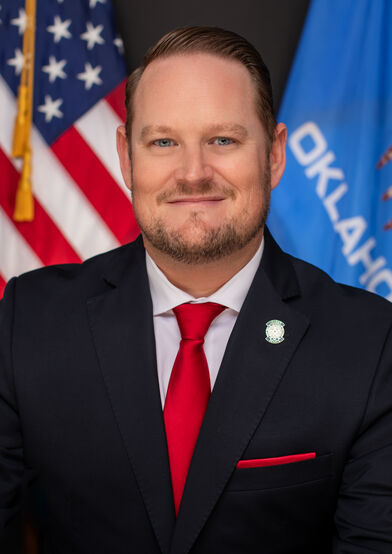
Shane Jett
8% support rate
Ranked legislators
10
5 support · 5 oppose
Key legislators

Who's moving insurance in Oklahoma

Legislators moving insurance in Oklahoma
Legislator Party Stance Support rate Votes
Bill Coleman
Bill Coleman Senate · District 10
R
Strong +
100% 20
Aaron Reinhardt
Aaron Reinhardt Senate · District 37
R
Strong +
100% 18
Adam Pugh
Adam Pugh Senate · District 41
R
Strong +
100% 17
Darrell Weaver
Darrell Weaver Senate · District 24
R
Strong +
100% 17
Dave Rader
Dave Rader Senate · District 39
R
Strong +
100% 17
Shane Jett
Shane Jett Senate · District 17
R
Strong −
8% 13
Dana Prieto
Dana Prieto Senate · District 34
R
Strong −
9% 11
Brian Guthrie
Brian Guthrie Senate · District 25
R
Strong −
14% 14
Tom Gann
Tom Gann House · District 8
R
Strong −
14% 14
Dusty Deevers
Dusty Deevers Senate · District 32
R
Strong −
15% 13
Showing 31–40 of 60 bills

All healthcare bills

signed · Oklahoma · Senate May 12, 2025

SB 1019: Health insurance; requiring certain coverage. Effective date.

SB 1019 requires Oklahoma health insurers to cover continuous anesthesia services without arbitrary time limits during medical procedures. It defines "anesthesia time" as the period from patient preparation through service discontinuation and mandates that insurers cannot restrict coverage or payment based on time duration. The law directly affects insurers and anesthesia providers by eliminating policies that previously limited coverage for procedures requiring extended anesthesia care. Effective November 1, 2025, this bill codifies these requirements into Oklahoma Statutes (Title 36, Section 7500).
Sub-Topics Insurance
passed · Oklahoma · House Apr 23, 2025

HB 1686: Sepsis protocols; requiring certain payors to use specified clinical criteria; effective date.

HB 1686 requires hospitals to establish evidence-based sepsis protocols for early identification and treatment of patients with sepsis or septic shock, including staff training and population-specific guidelines (e.g., for pediatric or adult patients). It also mandates that Medicaid payors and health insurance plans (including private insurers) use specific clinical criteria for sepsis billing: a provider’s diagnosis of sepsis plus two symptoms of inflammatory response (such as fever, rapid heartbeat, or abnormal white blood cell count). The bill directly affects hospitals providing care and insurance companies administering Medicaid or health benefit plans in Oklahoma. It becomes effective November 1, 2025, aligning with federal coding standards for sepsis diagnosis.
passed · Oklahoma · House Apr 1, 2025

HB 2805: Dental benefit plans; creating the Medical Loss Ratios for Dental (DLR) Health Care Services Plans Act; definitions; formula; reporting to Insurance Department; data verification; rebate calculation; rates; effective date.

HB 2805 establishes minimum medical loss ratio (MLR) requirements for dental benefit plans in Oklahoma, requiring insurers to spend at least 85% of premium revenue on actual dental care (not overhead) for large group plans and 80% for individual/small group plans. If insurers fail to meet these ratios, they must issue annual rebates to enrollees calculated as the shortfall multiplied by total premium revenue (excluding certain fees). The bill also mandates annual MLR reporting to the Oklahoma Insurance Department by calendar year, with public data disclosure, and requires insurers to file dental rate changes by July 1 for January 1 effective dates. It does not apply to Medicaid plans and takes effect January 1, 2028, for rebate implementation.
Sub-Topics Insurance Medicaid
signed · Oklahoma · Senate May 12, 2025

SB 515: Health insurance; authorizing health care provider to accept certain payments; requiring application of certain charge to deductible and maximum out-of-pocket expense. Effective date.

SB 515 allows Oklahoma health insurance enrollees to pay health care providers directly for covered, medically necessary services at negotiated lower prices. If the patient pays out of pocket for such a service (at a price below the insurer's standard rate), the provider must accept it as full payment and cannot bill for any balance. The insurer must then count this payment toward the patient's deductible and out-of-pocket maximum, depending on whether the provider was in-network or out-of-network. The bill applies to most health benefit plans (excluding Medicaid, Medicare supplements, and short-term plans) and takes effect November 1, 2025. It directly affects patients, providers, and insurers by changing how out-of-pocket payments count toward coverage costs.
passed · Oklahoma · House Apr 22, 2025

HB 1853: Health care services; terms; documentation; prohibiting certain billing; deductible; codification; effective date.

HB 1853 requires health insurance plans covering children to provide full, cost-sharing-free coverage for all recommended childhood immunizations (including those mandated by the State Board of Health) from birth through age 18. It also allows policyholders to pay for health care services directly at a negotiated lower rate and submit documentation to have that payment count toward their deductible. The law applies to most health insurance plans (excluding dental, vision, short-term coverage, and others listed in the bill) and takes effect November 1, 2025. This ensures children's routine vaccines are fully covered without out-of-pocket costs for families.
signed · Oklahoma · Senate May 29, 2025

SB 109: Health insurance; requiring coverage of certain genetic testing and cancer imaging; providing exclusions. Effective date.

SB 109 requires Oklahoma health insurance plans to cover genetic testing for inherited cancer risks and evidence-based cancer imaging for individuals with a personal or family history of cancer or increased cancer risk. This coverage must be provided without patient cost-sharing (such as deductibles or copays) when ordered by a healthcare provider following current medical guidelines, including those from the National Comprehensive Cancer Network. The law applies to all health benefit plans offered in Oklahoma starting November 1, 2025, ensuring these preventive services are accessible without financial barriers. It does not affect health savings account eligibility for non-preventive services but guarantees coverage for preventive care under federal guidelines.
Sub-Topics Insurance Primary Care
signed · Oklahoma · House May 29, 2025

HB 1808: Health insurance; creating the Ensuring Transparency in Prescription Drugs Prior Authorization Act; determination; consultation; prior authorization; effective date.

HB 1808, now law in Oklahoma, reforms health insurance prior authorization and step-therapy rules to improve patient access to medications. It requires insurers to grant exceptions to step-therapy protocols (where patients must try cheaper drugs first) if a medication is contraindicated, ineffective based on medical history, or causes harm - covering specific scenarios like prior adverse reactions or stability on a current treatment. The bill mandates insurers respond to urgent prior authorization requests within 24 hours and non-urgent requests within 2 business days, with requests deemed approved if deadlines are missed. It also ensures continuity of coverage for stable treatments when switching plans (90-day protection) and requires insurers to cover at least one readily available asthma controller medication per class without prior authorization.
signed · Oklahoma · Senate May 29, 2025

SB 176: Health benefit plans; requiring coverage for certain prescription. Effective date.

SB 176 requires health insurance plans to cover certain prescription drugs that were previously not included in standard coverage. It directly affects health insurance providers and policyholders by mandating this specific coverage for eligible medications. The key provision is a new requirement for all health benefit plans to include these designated prescriptions without prior authorization or excessive cost-sharing. The law became effective on May 29, 2025, after the Governor did not sign it.
in committee · Oklahoma · Senate Mar 10, 2026

SB 1047: Health insurance; requiring reimbursement for certain health care services. Effective date.

The provided context does not include the bill text or specific provisions of SB 1047. Without details on which health care services require reimbursement, the reimbursement mechanisms, or the affected entities (e.g., insurers, providers, patients), a factual summary cannot be created. The bill's title mentions "reimbursement for certain health care services" but lacks concrete policy details in the available information. For an accurate summary, the full bill text or a detailed legislative summary would be required.
Sub-Topics Insurance
passed both · Oklahoma · House May 22, 2025

HB 1683: Vision insurance; noncovered services or materials; prohibitions; effective date; emergency.

HB 1683 requires most health benefit plans in Oklahoma to cover contraceptive drugs (like pills, patches, or rings) without prior authorization. Specifically, plans must cover a three-month supply when a member first gets the drug, and a six-month supply for each subsequent refill - limiting members to one six-month supply per six-month period. The law excludes coverage for drugs intended to terminate existing pregnancies and allows smaller prescriptions if medically necessary. It applies to all plans offered, issued, or renewed on or after November 1, 2025, and does not affect vision insurance coverage (the title appears to contain an error).
Sub-Topics Insurance
Showing 31 to 40 of 60 bills
Previous 1 3 4 5 6 Next