Issue · Healthcare

Healthcare (Prescription Drugs)

Every healthcare bill, vote, and legislator stance in Oklahoma, automatically classified by Maddy, our AI policy reader.

Total bills
42
2026 Regular Session
Top supporter
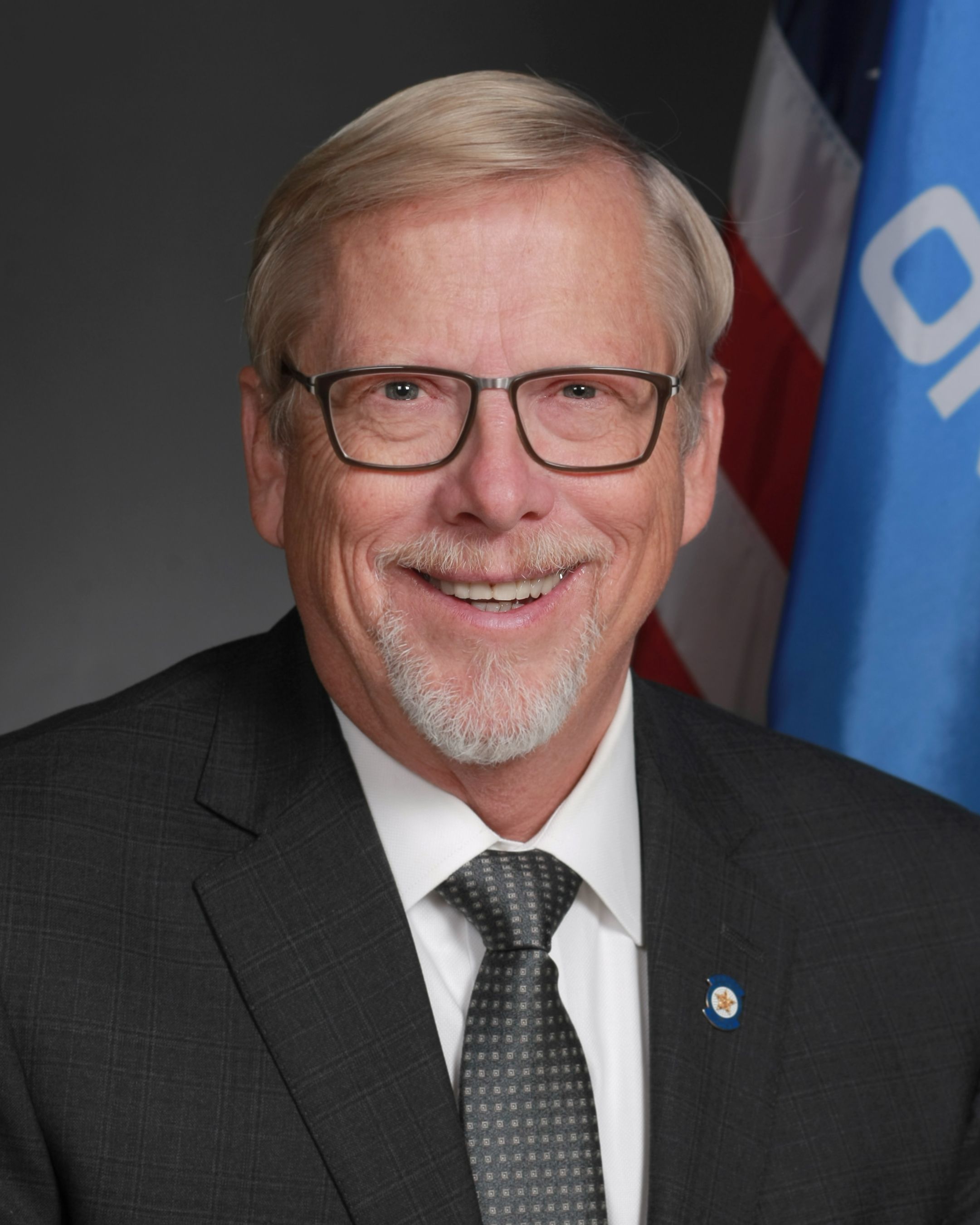
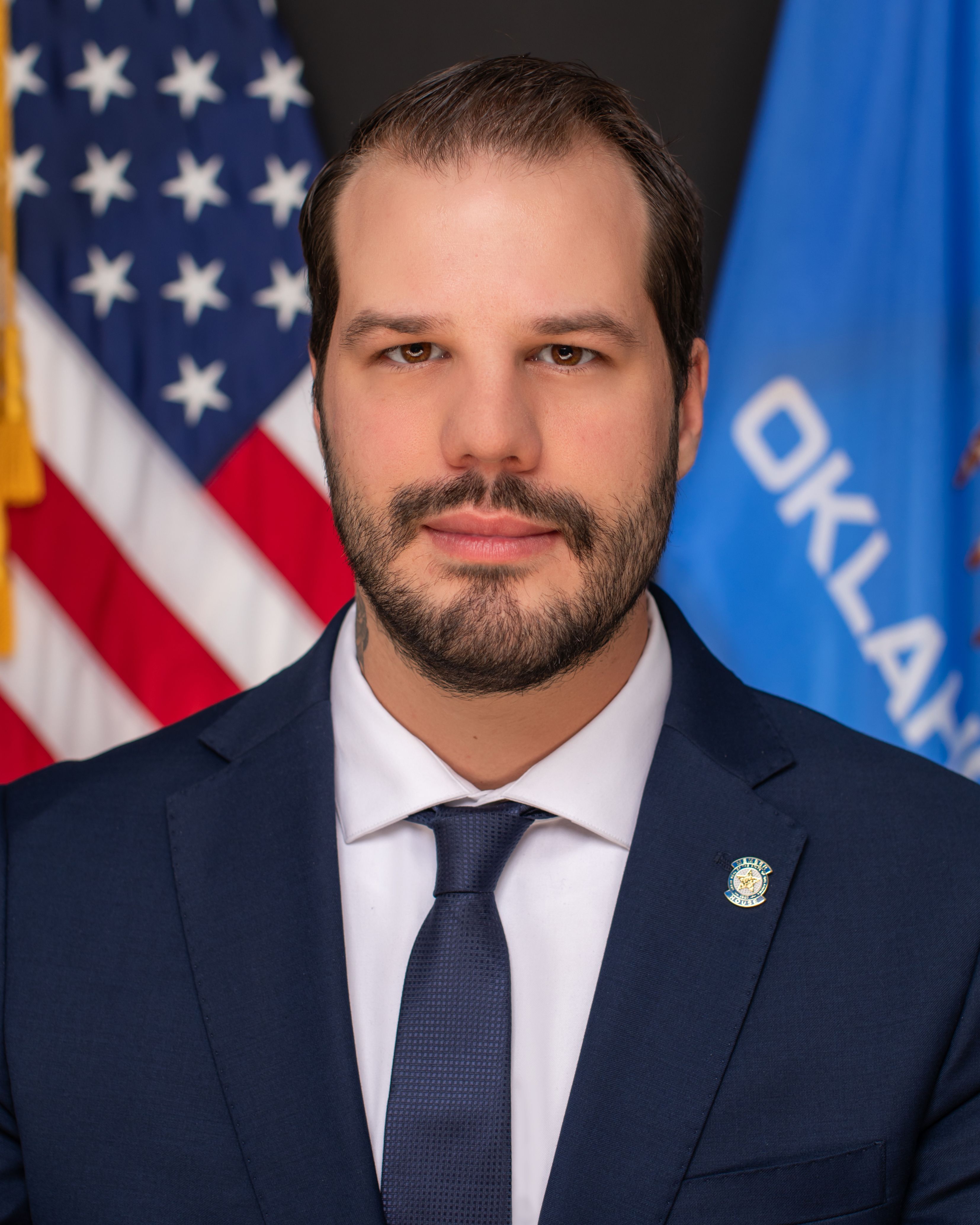
Carl Newton
100% support rate
Top opponent
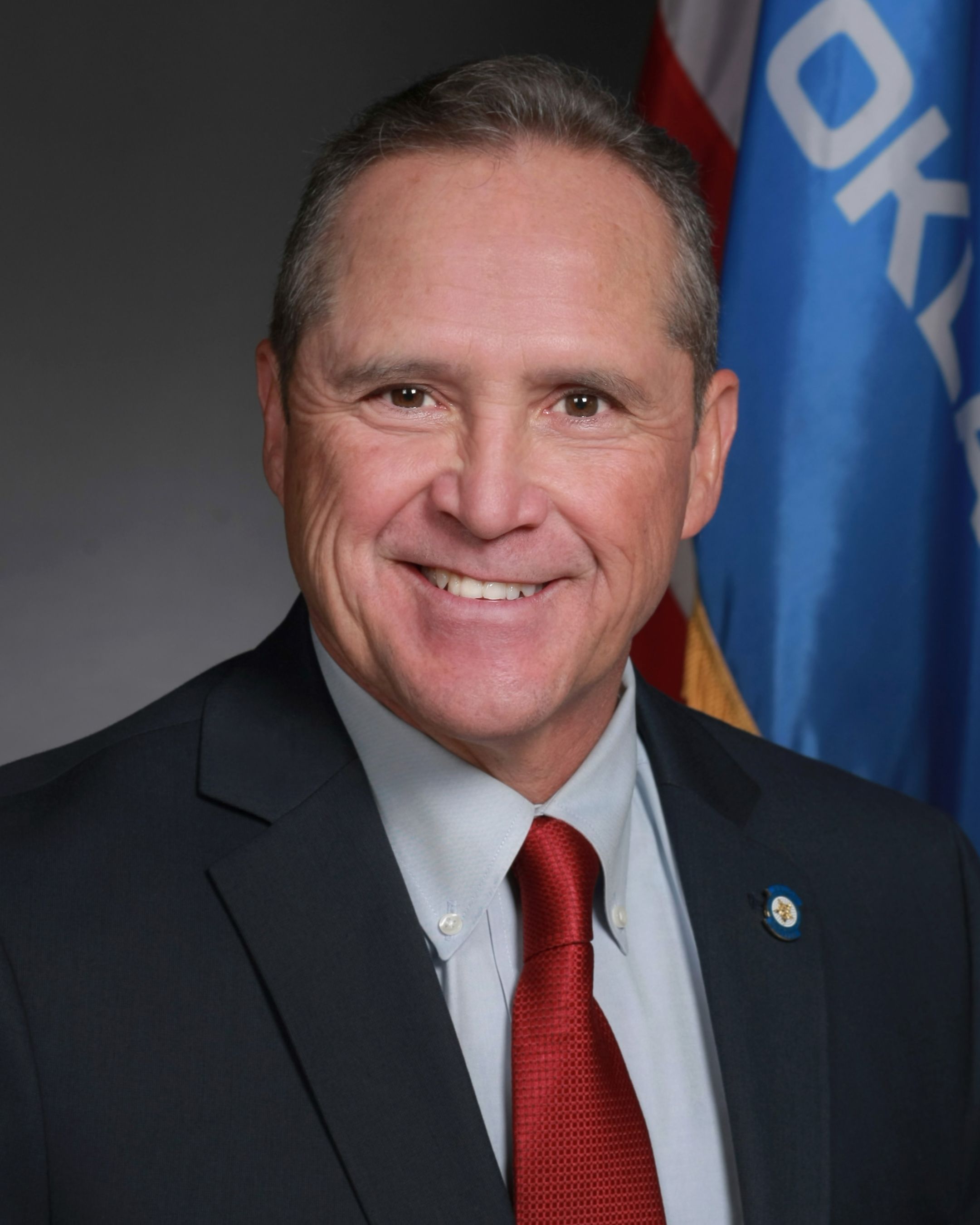
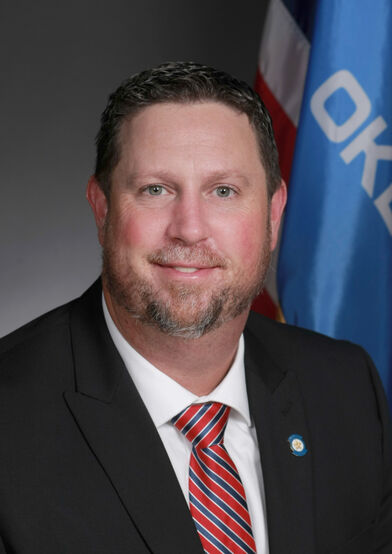
Kendal Sacchieri
0% support rate
Ranked legislators
10
5 support · 5 oppose
Key legislators

Who's moving prescription drugs in Oklahoma

Legislators moving prescription drugs in Oklahoma
Legislator Party Stance Support rate Decisive votes
Carl Newton
Carl Newton House · District 58
R
Strong +
100% 19
Danny Sterling
Danny Sterling House · District 27
R
Strong +
100% 17
Aaron Reinhardt
Aaron Reinhardt Senate · District 37
R
Strong +
100% 16
Bill Coleman
Bill Coleman Senate · District 10
R
Strong +
100% 16
John Haste
John Haste Senate · District 36
R
Strong +
100% 15
Kendal Sacchieri
Kendal Sacchieri Senate · District 43
R
Strong −
0% 9
Julie McIntosh
Julie McIntosh Senate · District 3
R
Strong −
7% 15
Gabe Woolley
Gabe Woolley House · District 98
R
Strong −
7% 14
Molly Jenkins
Molly Jenkins House · District 33
R
Strong −
7% 14
David Bullard
David Bullard Senate · District 6
R
Strong −
11% 9
Showing 21–30 of 42 bills

All healthcare bills

in committee · Oklahoma · House Feb 4, 2025

HB 2817: Health care; creating the Oklahoma Rebate Pass-Through and Pharmacy Benefits Manager Meaningful Transparency Act of 2025; definitions; requirements; effective date.

HB 2817 requires pharmacy benefits managers (PBMs) and health insurers in Oklahoma to reduce enrollees' out-of-pocket costs for prescription drugs by at least 85% of all rebates they receive from drug manufacturers. This means patients pay less at the pharmacy counter based on a price adjusted for these rebates, rather than the full drug cost. PBMs and insurers face fines of $100-$10,000 per violation for noncompliance, though they may pass through more than the 85% requirement. The bill also protects specific rebate details as trade secrets, prohibiting public disclosure of manufacturer- or product-level rebate amounts.
Sub-Topics Prescription Drugs
vetoed · Oklahoma · House May 29, 2025

HB 2048: Prescriptions; 340B Nondiscrimination Act; definitions; discriminatory actions; reimbursement; manufacturer; distributor; enforcement; Attorney General; Insurance Commissioner; violations; federal preemption; effective date.

HB 2048, the "340B Nondiscrimination Act," prohibits health insurers, pharmacy benefits managers (PBMs), and third-party payors from discriminating against healthcare providers participating in the federal 340B drug discount program. It specifically bans lower reimbursement rates for 340B drugs, extra fees or administrative burdens for 340B entities, exclusion from provider networks based on 340B status, and requirements to disclose 340B-specific billing details. The law applies to all 340B entities - such as community health centers and hospitals participating in the federal program - and ensures they receive equal treatment in billing, reimbursement, and network access. Enforcement is handled by the Attorney General, with the Oklahoma Medicaid program excluded from these provisions.
in committee · Oklahoma · Senate Feb 3, 2026

SB 1186: Practice of pharmacy; designating certain drug as over-the-counter. Effective date.

SB 1186 designates ivermectin suitable for human use as an over-the-counter medication in Oklahoma, allowing pharmacies to sell it without a prescription or consultation with a healthcare professional. This directly affects pharmacies, which can now dispense the drug without requiring a prescription, and consumers, who can purchase it directly without medical oversight. The bill amends Oklahoma law to override existing prescription requirements for this specific drug, effective November 1, 2026. It does not change access to other medications or impose new regulations beyond this single drug's status.
Sub-Topics Prescription Drugs
signed · Oklahoma · House May 5, 2025

HB 1585: Pharmacy technicians; training guidelines; training skills; on-the-job training; effective date.

HB 1585 establishes mandatory training requirements for pharmacy technicians in Oklahoma. It requires pharmacy technicians to complete two phases of training: Phase I before receiving a permit, and Phase II within 90 days of permit issuance. Pharmacy managers must develop, document, and verify all training, with failure to complete Phase II voiding the permit. The law directly affects pharmacy technicians seeking permits, their employers (pharmacy managers), and the Oklahoma Pharmacy Board, which oversees compliance. The bill takes effect November 1, 2025.
Sub-Topics Prescription Drugs
signed · Oklahoma · House May 29, 2025

HB 1808: Health insurance; creating the Ensuring Transparency in Prescription Drugs Prior Authorization Act; determination; consultation; prior authorization; effective date.

HB 1808, now law in Oklahoma, reforms health insurance prior authorization and step-therapy rules to improve patient access to medications. It requires insurers to grant exceptions to step-therapy protocols (where patients must try cheaper drugs first) if a medication is contraindicated, ineffective based on medical history, or causes harm - covering specific scenarios like prior adverse reactions or stability on a current treatment. The bill mandates insurers respond to urgent prior authorization requests within 24 hours and non-urgent requests within 2 business days, with requests deemed approved if deadlines are missed. It also ensures continuity of coverage for stable treatments when switching plans (90-day protection) and requires insurers to cover at least one readily available asthma controller medication per class without prior authorization.
vetoed · Oklahoma · Senate May 29, 2025

SB 773: Pharmacy benefit managers; modifying definitions; prohibiting certain circumstances; requiring nonpayment under providing venue for certain court proceeding; allowing Attorney General to obtain certain information. Effective date.

Oklahoma's SB 773 regulates pharmacy benefit managers (PBMs) by prohibiting unfair practices that affect independent pharmacies and patients. It requires PBMs to pay independent pharmacies the same reimbursement rate for identical drugs as they pay PBM-owned pharmacies, banning "spread pricing" where PBMs charge plans more than they pay pharmacies. The bill also prohibits PBMs from charging pharmacies fees for claim submission, network enrollment, or claims processing, and restricts retroactive payment reductions except for fraud or audit errors. These changes directly impact PBMs, pharmacies, and health plans operating in Oklahoma, aiming to ensure fairer payment practices. The bill was vetoed by the governor but overridden by the legislature on May 29, 2025.
Sub-Topics Prescription Drugs
signed · Oklahoma · Senate May 29, 2025

SB 176: Health benefit plans; requiring coverage for certain prescription. Effective date.

SB 176 requires health insurance plans to cover certain prescription drugs that were previously not included in standard coverage. It directly affects health insurance providers and policyholders by mandating this specific coverage for eligible medications. The key provision is a new requirement for all health benefit plans to include these designated prescriptions without prior authorization or excessive cost-sharing. The law became effective on May 29, 2025, after the Governor did not sign it.
signed · Oklahoma · Senate May 5, 2026

SB 1344: Prescription drugs; creating the Insulin Access and Affordability Program; requiring certain financial support and agreement. Effective date. Emergency.

SB 1344 creates Oklahoma's Insulin Access and Affordability Program, administered by the State Department of Health, to increase access to affordable insulin for residents. The bill requires the Department to provide financial support to a nonprofit pharmaceutical manufacturer developing fast-acting biosimilar insulin, contingent on the manufacturer matching funds and agreeing to produce insulin at low cost without rebates (except as required by law). The agreement includes annual reporting on development progress and repayment terms if the insulin isn't produced and distributed as promised. This program directly affects Oklahoma residents needing insulin, public and private payors, and the specified nonprofit manufacturer.
Sub-Topics Prescription Drugs
signed · Oklahoma · Senate May 28, 2025

SB 789: Pharmacy benefit managers; permitting use of certain records without limitations of date or source for certain purposes; establishing certain reimbursement rates for certain drugs. Effective date.

SB 789, now effective as of May 28, 2025, restricts how pharmacy benefit managers (PBMs) can audit pharmacies. It requires PBMs to give pharmacies 14 days' notice (30 days for wholesale audits), prohibits recouping funds for simple errors like typos, and allows pharmacies to use hospital/physician records or any drug purchase records (without date/source limits) to validate claims. The law also caps audits at 50 prescriptions per pharmacy annually and mandates that any recouped funds first be refunded to the patient. This directly affects pharmacies, PBMs, and patients by standardizing audit practices and protecting against unfair financial penalties.
in committee · Oklahoma · Senate Feb 4, 2025

SB 941: Pharmaceutical products; requiring manufacturers to publish certain list of ingredients; providing administrative, civil, and criminal penalties and remedies. Effective date.

SB 941 requires all pharmaceutical manufacturers selling products in Oklahoma - including prescription drugs, over-the-counter medications, vaccines, and research products - to publicly disclose detailed ingredient lists. This includes active/inactive components, biological sources (like mRNA or animal-derived materials), synthetic elements (such as lipids or nanotech), and exact quantities for each product. Manufacturers must submit this information to the State Board of Pharmacy, publish it on their websites, and include it in product labeling, with penalties for noncompliance including fines up to $250,000 per violation or criminal charges for intentional misrepresentation. The law takes effect January 1, 2026, and overrides conflicting state rules.
Sub-Topics Prescription Drugs
Showing 21 to 30 of 42 bills
Previous 1 … 2 3 4 … 5 Next