Issue · Healthcare

Healthcare (Medical Licensing)

Every healthcare bill, vote, and legislator stance in Oklahoma, automatically classified by Maddy, our AI policy reader.

Total bills
33
2026 Regular Session
Top supporter
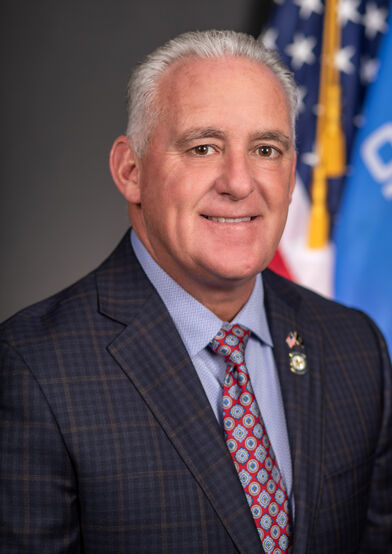
Aaron Reinhardt
100% support rate
Top opponent
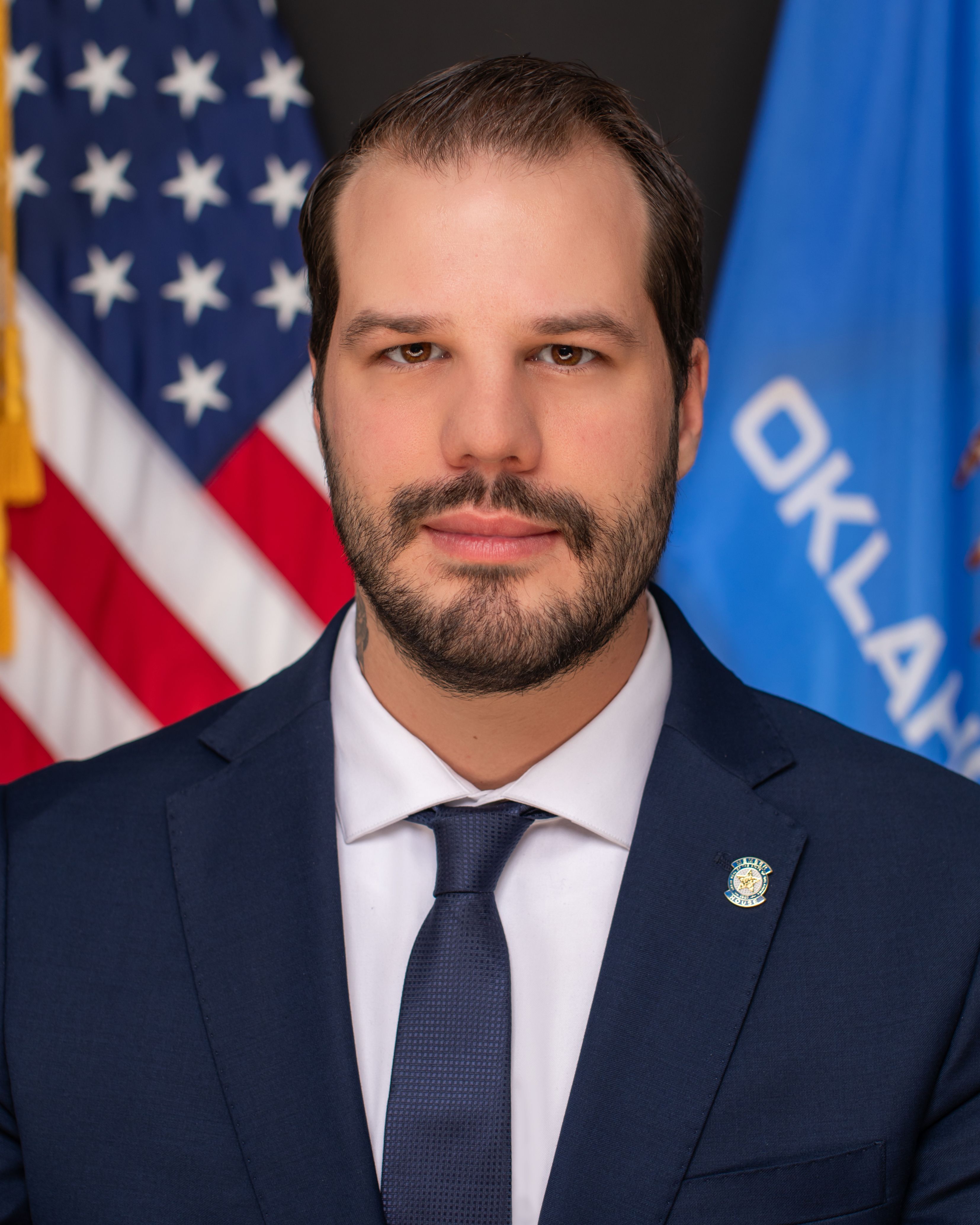
Gabe Woolley
0% support rate
Ranked legislators
10
5 support · 5 oppose
Key legislators

Who's moving medical licensing in Oklahoma

Legislators moving medical licensing in Oklahoma
Legislator Party Stance Support rate Votes
Aaron Reinhardt
Aaron Reinhardt Senate · District 37
R
Strong +
100% 14
Bill Coleman
Bill Coleman Senate · District 10
R
Strong +
100% 13
John Haste
John Haste Senate · District 36
R
Strong +
100% 13
Paul Rosino
Paul Rosino Senate · District 45
R
Strong +
100% 12
Brenda Stanley
Brenda Stanley Senate · District 42
R
Strong +
100% 11
Gabe Woolley
Gabe Woolley House · District 98
R
Strong −
0% 9
Jim Shaw
Jim Shaw House · District 32
R
Strong −
0% 8
Molly Jenkins
Molly Jenkins House · District 33
R
Strong −
0% 7
Rick West
Rick West House · District 3
R
Strong −
0% 7
Tom Gann
Tom Gann House · District 8
R
Strong −
0% 7
Showing 21–30 of 33 bills

All healthcare bills

vetoed · Oklahoma · House May 29, 2025

HB 2584: Physicians assistants; Pharmacy Act; prescriptions for controlled dangerous substances; Physician Assistant Act; Committee; members; requirements; Public Health Code; authority for physician assistants to carry out certain functions; prescribing and administering controlled substances; supervision.

HB 2584 allows physician assistants (PAs) in Oklahoma to prescribe and administer certain controlled substances under the supervision of a licensed physician, as specified in the Oklahoma Pharmacy Act and Physician Assistant Act. The bill clarifies that pharmacists may dispense these prescriptions only when written by a PA licensed in Oklahoma and supervised by an Oklahoma-licensed physician, and it modifies requirements for practice agreements between PAs and their supervising physicians. It also creates a 9-member Physician Assistant Committee with specific membership rules to oversee PA licensure and practice standards. The law directly affects PAs, supervising physicians, and pharmacists who dispense controlled substances. (Summary based on bill text amendments to Sections 353.1a, 519.2, and 519.3 of Oklahoma statutes.)
in committee · Oklahoma · House Feb 4, 2025

HB 1449: Public health and safety; Vaccine Mandate Prohibition Act; covered entities; liability; civil actions; emergency.

HB 1449, the Vaccine Mandate Prohibition Act, bans covered entities - including state agencies, hospitals, schools, and businesses receiving public funds - from requiring SARS-CoV-2 or COVID-19 vaccines for employment, licensure, education, or access to facilities. It also prohibits discrimination against unvaccinated employees and shields compliant entities from civil liability related to vaccine exposure claims. The bill directly affects employers, educational institutions, and healthcare providers that previously enforced vaccine mandates. It takes immediate effect under an emergency declaration, removing legal barriers for entities to stop requiring such vaccines.
signed · Oklahoma · House May 7, 2025

HB 2050: Professions and occupations; foreign applicants and requirements; international medical school graduates; foreign licensure body; limited licensure; parameters; employment; training programs; supervision; full licensure; unprofessional conduct; professional competence; good moral character; effective date.

HB 2050 creates a new temporary licensure pathway for international medical graduates in Oklahoma who cannot immediately qualify for full licensure. It allows these applicants to obtain a limited license if they meet ECFMG standards, provide evidence of three years of post-graduate training or clinical practice abroad, secure employment at an accredited health care provider, and pass an English competency exam. During the limited license period (up to three years), they must practice only under supervision at an approved training program. After three years with no disciplinary issues and passing all USMLE exams, they may qualify for full licensure without the prior practice restrictions. This directly affects foreign-trained physicians seeking to practice in Oklahoma.
Sub-Topics Medical Licensing
in committee · Oklahoma · House Feb 4, 2025

HB 1145: Healing arts; terms; legislative findings; protections; practitioners; penalties; effective date.

HB 1145 protects practitioners of indigenous and traditional healing therapies, as well as complementary and alternative healing practices like naturopathy and massage, by shielding them from penalties under health care laws when operating within defined limits. The bill prohibits these unlicensed practitioners from performing surgery, prescribing drugs, diagnosing medical conditions, or falsely claiming licensure. It specifically requires practitioners to avoid harmful procedures, not interfere with prescribed medications, and not misrepresent their credentials. This law directly affects both practitioners offering these services and the public accessing them, while ensuring compliance with Oklahoma’s health regulations. The bill takes effect November 1, 2025.
Sub-Topics Medical Licensing
in committee · Oklahoma · Senate Feb 4, 2025

SB 665: Freedom of conscience; creating the Medical Ethics Defense Act; granting certain rights and protections to certain medical practitioners, healthcare institutions, or healthcare payers. Effective date.

SB 665, the "Medical Ethics Defense Act," protects medical practitioners, healthcare institutions, and payers from discrimination when refusing to provide services based on conscience. It grants the right to decline any medical procedure or service (including abortion, as referenced in the title) that conflicts with their ethical, moral, or religious beliefs. The bill prohibits adverse actions like termination, loss of licensure, or denial of contracts for such refusals, while explicitly stating this protection does not override duties to provide other non-conflicting care. It applies broadly to all healthcare workers - from doctors and nurses to pharmacists and researchers - and defines "discrimination" to include any retaliatory penalty tied to conscience-based decisions.
in committee · Oklahoma · House Feb 4, 2025

HB 1332: Revenue and taxation; income tax credit; definition; credit amounts; requirements; effective date.

HB 1332 creates a new income tax credit for Oklahoma-licensed emergency medical services (EMS) personnel. It provides tiered credits based on certification level: $100 for emergency medical responders (EMRs), $200 for emergency medical technicians (EMTs), $400 for advanced/intermediate EMTs (AEMTs), and $600 for paramedics. To qualify, workers must maintain active Oklahoma licensure and be verified as current employees by their ambulance service administrator through a new online system managed by the State Department of Health. The credit applies to tax years beginning January 1, 2025, and can be combined with other tax credits. This bill directly affects licensed EMS workers employed in Oklahoma ambulance services.
Sub-Topics Income Tax Tax Credits Medical Licensing Tags Public Safety
in committee · Oklahoma · House Feb 4, 2025

HB 2921: Professions and occupations; Dental Therapy Act; education and license requirements; procedures; effective date.

HB 2921 establishes licensing requirements for dental therapists in Oklahoma, who provide limited dental services (like cleanings and fillings) under dentist supervision. To become licensed, applicants must graduate from an accredited dental therapy program, pass national exams, maintain CPR certification, and complete 12 continuing education credit hours every two years (including infection control training). The bill defines key terms like "uninsured patient" (those without dental coverage earning ≤200% of federal poverty guidelines) and specifies supervision levels (direct, general, or indirect) for dentists overseeing therapists. This affects dental therapists seeking licensure, supervising dentists, and ensures dental care access for uninsured patients as defined in the bill.
Sub-Topics Medical Licensing
passed · Oklahoma · House Apr 1, 2025

HB 2233: Professions and occupations; Massage Therapy Act; Oklahoma Board of Medical Licensure and Supervision; effective date.

HB 2233 updates Oklahoma's Massage Therapy Practice Act by clarifying licensing rules and scope of practice for massage therapists. It directly affects licensed massage therapists, massage therapy schools, and other health professionals who may provide massage services. Key changes include renaming the regulating board to the Oklahoma Board of Medical Licensure and Supervision, explicitly allowing "direct access" (public can seek massage without medical referral), and defining massage therapy as soft tissue techniques (e.g., touch, pressure, heat) while prohibiting diagnosis, prescribing, or medical techniques like ultrasound. The bill also clarifies exemptions for physicians, students, and specific practices like the Feldenkrais Method when performed within their established professional scope.
in committee · Oklahoma · Senate Feb 4, 2025

SB 361: Indigenous or traditional healing therapies; granting certain protections to practitioners; prohibiting certain acts. Effective date.

SB 361 protects indigenous traditional healing practitioners in Oklahoma who lack state healthcare licenses. It prohibits them from performing medical procedures (like surgery or prescribing drugs) or falsely claiming licensure, while shielding them from penalties under healthcare laws when practicing traditional methods within defined limits. The bill defines "indigenous or traditional healing therapy" and ensures practitioners cannot be penalized for offering culturally specific wellness services that comply with its restrictions. Effective November 1, 2025, it codifies these protections in Oklahoma Statutes (Title 59, Section 732).
Sub-Topics Medical Licensing
in committee · Oklahoma · Senate Feb 4, 2025

SB 737: Oklahoma Interventional Pain Management and Treatment Act; defining terms. Effective date.

SB 737 establishes the Oklahoma Interventional Pain Management and Treatment Act, defining "interventional pain management" as the diagnosis and treatment of chronic pain using specific techniques like nerve ablation, spinal injections, or surgical procedures such as laser diskectomy. The bill requires all practitioners to hold a valid medical license under Oklahoma's existing medical licensure laws, prohibiting unlicensed practice of these services. It also sets clear supervision rules for certified nurse anesthetists, allowing them to administer certain pain treatments under a physician's direct oversight but banning them from operating freestanding pain clinics without a board-certified physician supervising the facility.
Showing 21 to 30 of 33 bills
Previous 1 2 3 4 Next