Issue · Healthcare

Healthcare (Prescription Drugs)

Every healthcare bill, vote, and legislator stance in Oklahoma, automatically classified by Maddy, our AI policy reader.

Total bills
42
2026 Regular Session
Top supporter
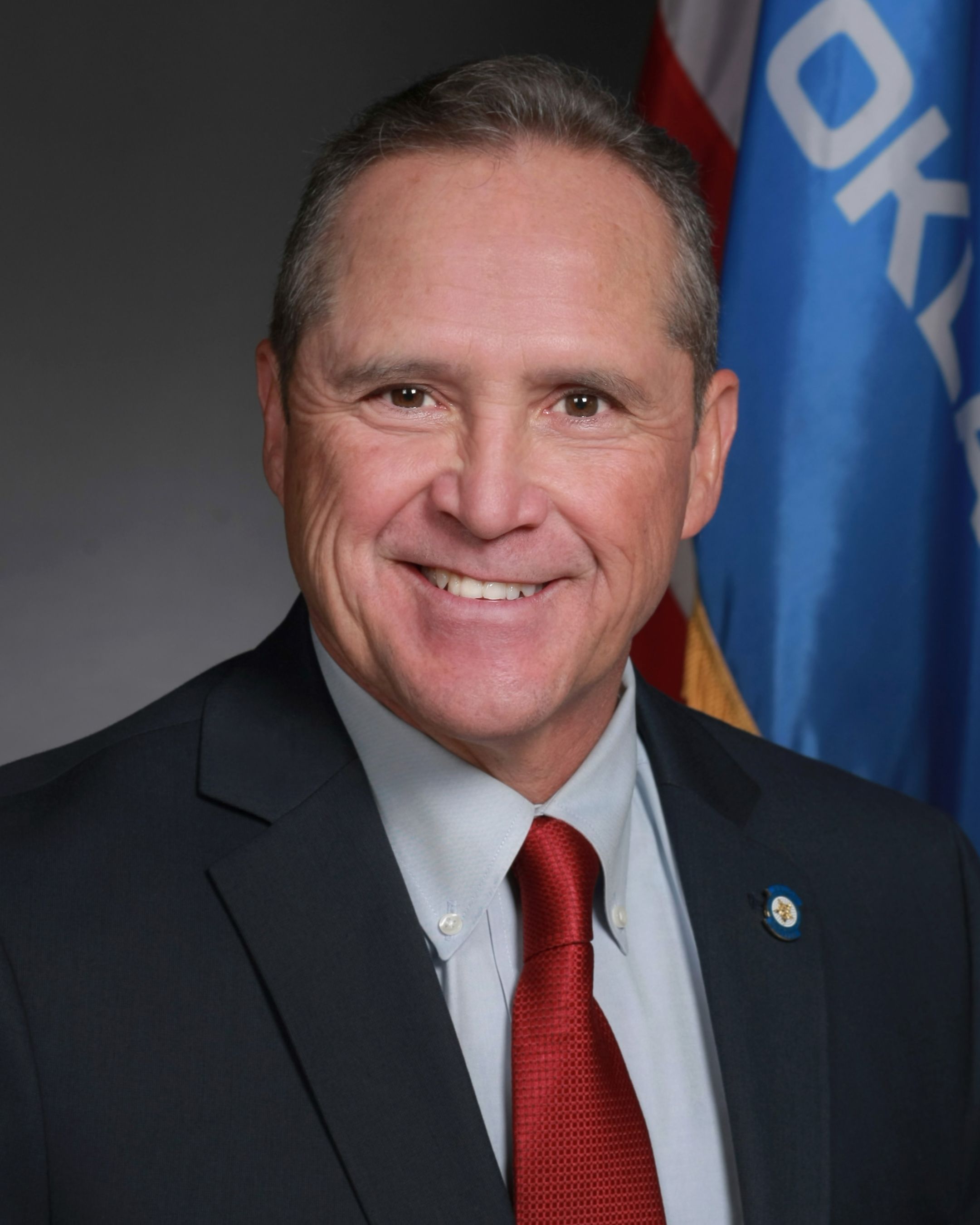
Carl Newton
100% support rate
Top opponent
Kendal Sacchieri
0% support rate
Ranked legislators
10
5 support · 5 oppose
Key legislators

Who's moving prescription drugs in Oklahoma

Legislators moving prescription drugs in Oklahoma
Legislator Party Stance Support rate Decisive votes
Carl Newton
Carl Newton House · District 58
R
Strong +
100% 19
Danny Sterling
Danny Sterling House · District 27
R
Strong +
100% 17
Aaron Reinhardt
Aaron Reinhardt Senate · District 37
R
Strong +
100% 16
Bill Coleman
Bill Coleman Senate · District 10
R
Strong +
100% 16
John Haste
John Haste Senate · District 36
R
Strong +
100% 15
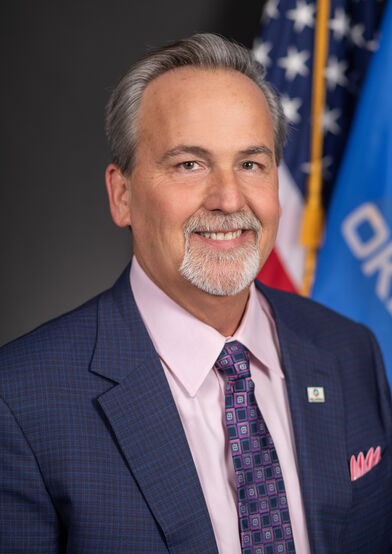
Kendal Sacchieri
Kendal Sacchieri Senate · District 43
R
Strong −
0% 9
Julie McIntosh
Julie McIntosh Senate · District 3
R
Strong −
7% 15
Gabe Woolley
Gabe Woolley House · District 98
R
Strong −
7% 14
Molly Jenkins
Molly Jenkins House · District 33
R
Strong −
7% 14
David Bullard
David Bullard Senate · District 6
R
Strong −
11% 9
Showing 11–20 of 42 bills

All healthcare bills

in committee · Oklahoma · Senate Mar 4, 2026

SB 2014: Practice of pharmacy; authorizing pharmacists to dispense certain medication upon certain federal approval and subject to certain conditions. Effective date.

SB 2014 designates ivermectin (for human use) as an over-the-counter medication in Oklahoma, allowing it to be sold without a prescription or pharmacist consultation. This bill directly affects pharmacies, pharmacists, and consumers who purchase this drug. The key provision removes the current requirement for a prescription or healthcare professional consultation for ivermectin, changing its legal status under state pharmacy law. The law takes effect on November 1, 2026.
Sub-Topics Prescription Drugs
vetoed · Oklahoma · Senate May 5, 2026

SB 2007: Pharmacy Benefit Managers; requiring PBM to remit certain fees. Effective date.

SB 2007 requires pharmacy benefit managers (PBMs) in Oklahoma to pay administrative fees to pharmacies when they adjust reimbursement rates for the same drug within 30 days after a successful appeal. Specifically, if a PBM increases reimbursement based on an appeal but then lowers it again for the same drug within 30 days, the PBM must pay $100 immediately, escalating to $500 after 90 days or $1,000 after 180 days if unpaid. The bill directly affects pharmacies and PBMs by mandating these fee payments for disputed reimbursements, ensuring providers aren’t financially penalized for legitimate appeal outcomes. It also includes other provisions like weekly MAC price updates and requirements for PBMs to provide clear documentation during reimbursement disputes. The law takes effect November 1, 2026.
Sub-Topics Prescription Drugs
in committee · Oklahoma · Senate Feb 3, 2026

SB 1563: Nonopioid drugs; modifying certain restrictions on Medicaid drug formulary; prohibiting certain carriers from imposing specified utilization controls. Effective date.

SB 1563 prevents Oklahoma Medicaid and state employee health plans from applying stricter coverage rules to nonopioid pain medications than to opioids. It requires that FDA-approved nonopioid drugs for pain management cannot face more restrictive prior authorization or step therapy requirements than opioid options. The law applies to all Medicaid formularies and state flexible benefit plans, ensuring nonopioid drugs aren't disadvantaged in coverage decisions. It takes effect January 1, 2027.
passed · Oklahoma · House Apr 28, 2026

HB 4457: Pharmacy benefits managers; terms; prohibiting pharmacy benefits managers from doing certain act; enforcement by Attorney General; effective date.

HB 4457 prohibits pharmacy benefits managers (PBMs) from owning or controlling pharmacy licenses in Oklahoma. The State Board of Pharmacy must revoke licenses of violators after November 2026, though it may issue temporary licenses for rare, orphan, or limited-distribution drugs until September 2028. Pharmacies must notify patients of service changes by January 2027, and the Board must provide lists of compliant pharmacies. This law prevents conflicts of interest by restricting PBMs from owning pharmacies.
Sub-Topics Prescription Drugs
in committee · Oklahoma · Senate Feb 3, 2026

SB 1908: Practice of pharmacy; making certain products available without prescription; making certain requirements unlawful. Effective date.

SB 1908 removes the requirement for a prescription to purchase non-narcotic medications, homeopathic treatments, and medical supplies in Oklahoma. It prohibits state agencies, healthcare payers, and others from demanding prescriptions for these items and protects pharmacists from liability when selling them per the law. The bill directly affects patients seeking these products, pharmacists dispensing them, and healthcare payers. It takes effect November 1, 2026, and allows the State Board of Pharmacy to create implementing rules.
Sub-Topics Prescription Drugs
passed · Oklahoma · House Apr 1, 2026

HB 4124: Ivermectin; defining term; allowing ivermectin to be sold or purchased without prescription; immunity for pharmacy; effective date.

HB 4124 allows Oklahoma pharmacists to dispense ivermectin to patients without a prescription, following state pharmacy board protocols. Pharmacists would be protected from legal liability when dispensing ivermectin per these protocols. The Oklahoma State Board of Pharmacy would create specific rules for implementation, including patient instructions. The law would take effect November 1, 2026.
Sub-Topics Prescription Drugs
signed · Oklahoma · Senate May 22, 2025

SB 993: Pharmacy benefit managers; establishing requirements and limits for certain audit reports and findings. Emergency.

SB 993 regulates how pharmacy benefit managers (PBMs) audit pharmacies in Oklahoma. It requires PBMs to provide 14 days' notice (30 days for wholesale audits) before audits, prohibits treating simple clerical errors (like typos or computer mistakes) as fraud, and bans recouping funds for such errors without proof of intentional fraud. The bill also mandates that if funds are recouped, pharmacies must refund patients first, and PBMs must conduct audits using licensed pharmacists for clinical judgments. This directly affects pharmacies and PBMs by setting clear standards for audit processes and preventing unfair financial penalties.
Sub-Topics Prescription Drugs
vetoed · Oklahoma · House May 29, 2025

HB 2584: Physicians assistants; Pharmacy Act; prescriptions for controlled dangerous substances; Physician Assistant Act; Committee; members; requirements; Public Health Code; authority for physician assistants to carry out certain functions; prescribing and administering controlled substances; supervision.

HB 2584 allows physician assistants (PAs) in Oklahoma to prescribe and administer certain controlled substances under the supervision of a licensed physician, as specified in the Oklahoma Pharmacy Act and Physician Assistant Act. The bill clarifies that pharmacists may dispense these prescriptions only when written by a PA licensed in Oklahoma and supervised by an Oklahoma-licensed physician, and it modifies requirements for practice agreements between PAs and their supervising physicians. It also creates a 9-member Physician Assistant Committee with specific membership rules to oversee PA licensure and practice standards. The law directly affects PAs, supervising physicians, and pharmacists who dispense controlled substances. (Summary based on bill text amendments to Sections 353.1a, 519.2, and 519.3 of Oklahoma statutes.)
in committee · Oklahoma · Senate Feb 5, 2025

SB 252: Medicaid; excluding prescription drug services from certain provisions; directing certain program delivery model. Effective date.

SB 252 changes how Oklahoma's Medicaid program covers prescription drugs. It requires the Oklahoma Health Care Authority (OHCA) to transition all Medicaid members' prescription drug coverage from contracted health plans to a direct fee-for-service model, meaning OHCA will directly pay pharmacists and pharmacies instead of using managed care contracts. The bill prohibits OHCA from contracting with pharmacy benefits managers (PBMs) but allows participation in the Medicaid Drug Rebate Program and value-based payment arrangements. This change affects all Medicaid beneficiaries covered under existing managed care contracts, with implementation dependent on federal approval.
vetoed · Oklahoma · House May 29, 2025

HB 2298: Practice of nursing; providing for independent prescriptive authority of Advanced Practice Registered Nurses who meet certain requirements; modifying various provisions of the Oklahoma Pharmacy Act, the Oklahoma Nursing Practice Act, and the Uniform Controlled Dangerous Substances Act; effective date.

HB 2298 allows qualified Advanced Practice Registered Nurses (APRNs) in Oklahoma - such as nurse practitioners and nurse-midwives - to prescribe medications independently after meeting specific requirements. To qualify, APRNs must complete 6,240 supervised clinical hours, hold a valid license, and carry $1 million in malpractice insurance per incident. The bill also sets rules for APRN advertising (requiring clear disclosure of their role and scope) and defines supervision requirements for those not yet eligible for independent prescribing. It modifies Oklahoma’s Nursing Practice Act, Pharmacy Act, and Controlled Substances Act to implement these changes.
Showing 11 to 20 of 42 bills
Previous 1 2 3 … 5 Next