Issue · Healthcare

Healthcare (Hospitals)

Every healthcare bill, vote, and legislator stance in Oklahoma, automatically classified by Maddy, our AI policy reader.

Total bills
32
2026 Regular Session
Top supporter
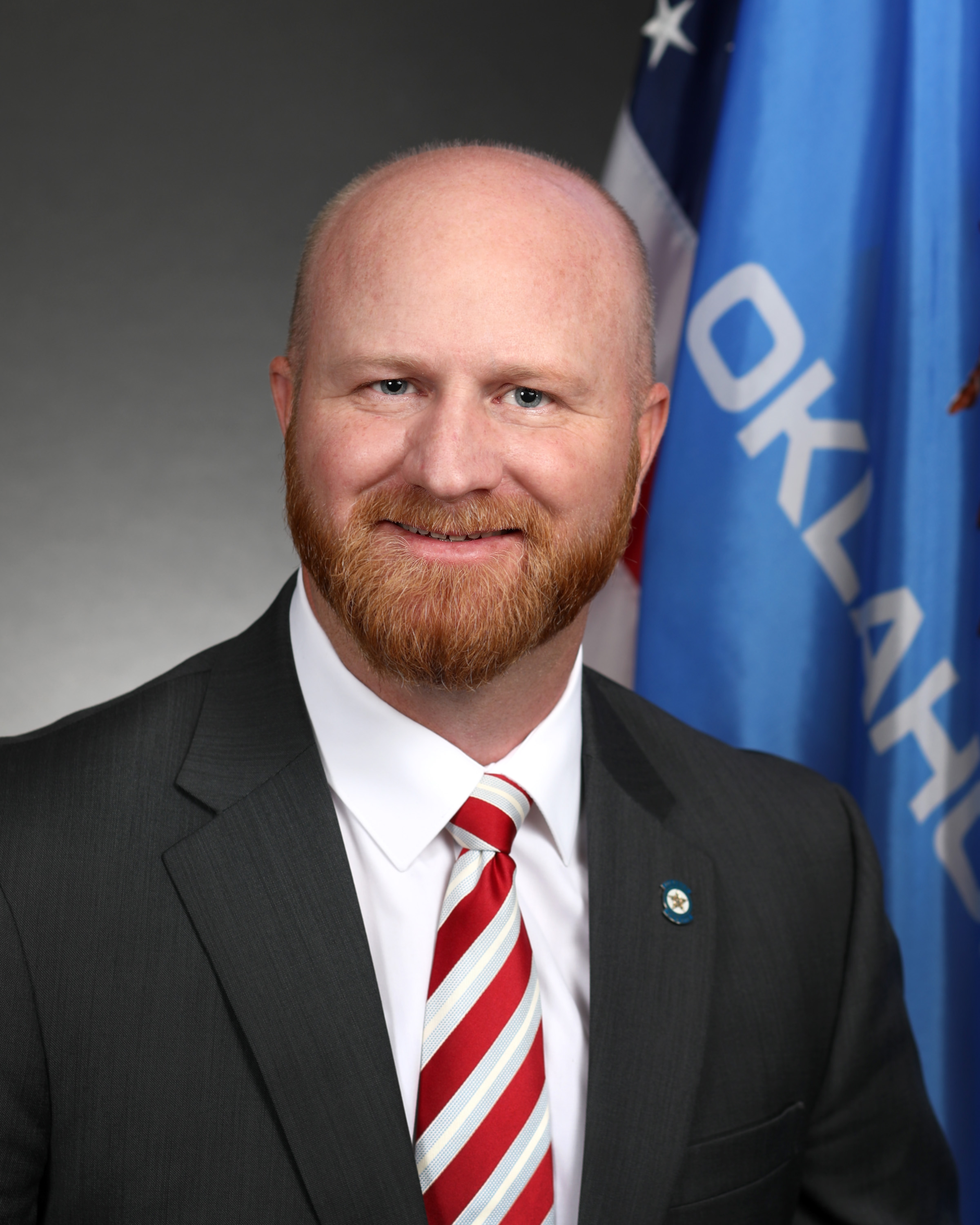
Aaron Reinhardt
100% support rate
Top opponent
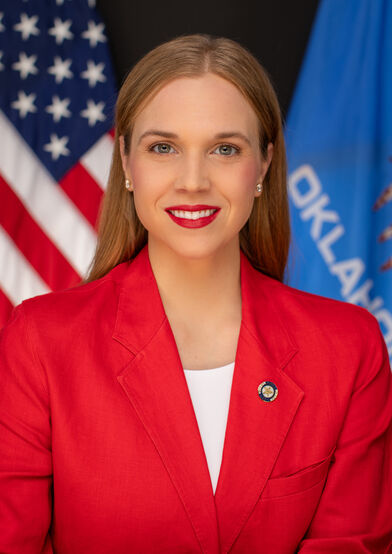
Lisa Standridge
9% support rate
Ranked legislators
10
5 support · 5 oppose
Key legislators

Who's moving hospitals in Oklahoma

Legislators moving hospitals in Oklahoma
Legislator Party Stance Support rate Votes
Aaron Reinhardt
Aaron Reinhardt Senate · District 37
R
Strong +
100% 11
Brenda Stanley
Brenda Stanley Senate · District 42
R
Strong +
100% 11
Brent Howard
Brent Howard Senate · District 38
R
Strong +
100% 11
Darrell Weaver
Darrell Weaver Senate · District 24
R
Strong +
100% 11
Dave Rader
Dave Rader Senate · District 39
R
Strong +
100% 11
Lisa Standridge
Lisa Standridge Senate · District 15
R
Strong −
9% 11
Dusty Deevers
Dusty Deevers Senate · District 32
R
Strong −
10% 10
Randy Grellner
Randy Grellner Senate · District 21
R
Strong −
10% 10
Shane Jett
Shane Jett Senate · District 17
R
Strong −
10% 10
Kendal Sacchieri
Kendal Sacchieri Senate · District 43
R
Strong −
18% 11
Showing 11–20 of 32 bills

All healthcare bills

signed · Oklahoma · House May 12, 2026

HB 3644: Venous thromboembolism; creating the Blake Burgess Act; requiring certain hospital policies and training; establishing certain registry and reporting requirements; imposing certain requirements on assisted living centers; effective date; emergency.

HB 3644 (the Blake Burgess Act) requires hospitals with emergency departments and ambulatory surgical centers to implement standardized VTE (venous thromboembolism, or blood clot in veins) risk assessments for patients using nationally recognized tools and provide annual training to non-physician clinical staff. It mandates a statewide VTE registry managed by a private, nonprofit entity meeting specific criteria, which hospitals must report to starting July 2027 with data including patient age, zip code, sex, diagnosis details, and treatment. The registry collects information to improve VTE care quality, monitor outcomes, and inform state health reports, with hospitals required to submit data on VTE incidence, patient demographics, and treatment. The law directly affects hospitals, ambulatory surgical centers, and their clinical staff through new screening, training, and reporting obligations.
in committee · Oklahoma · Senate Feb 3, 2026

SB 1901: Public health and safety; prohibiting certain actions by certain entities; requiring certain actions. Effective date.

SB 1901 prohibits hospital staff and organ procurement organizations from discussing organ/tissue donation with a family within 24 hours of a person's death determination. It bans misleading claims (like donations speeding up end-of-life care), implies financial compensation, or hiding conflicts of interest, and requires written donation process summaries and contact info for an independent ombudsman. All donation discussions with families must be electronically recorded if the family consents, and whistleblowers reporting violations are protected from workplace retaliation. Violations carry civil penalties up to $50,000 per incident, and the bill also updates Oklahoma’s death determination law to require a second independent medical verification for organ donation purposes. The law takes effect November 1, 2026.
signed · Oklahoma · Senate May 5, 2026

SB 1436: Hospitals; imposing certain duties on hospital in cases of fetal death or miscarriage; requiring State Department of Health to publish certain form. Effective date.

This bill requires Oklahoma hospitals to provide patients experiencing fetal death or miscarriage with a form explaining how to request official certificates (fetal death or stillbirth birth certificates) before discharge. Hospitals must also verbally inform patients about these certificate options. The State Department of Health must create and publish this standardized form online, including clear instructions and contact details for vital records. The law takes effect November 1, 2026, directly affecting hospitals and patients in Oklahoma facing these medical circumstances.
Sub-Topics Hospitals
signed · Oklahoma · House May 29, 2025

HB 2793: Emergency Medicine Revolving Fund; making an appropriation; source; amount; effective date; emergency.

HB 2793 allocates $8,000,000 from Oklahoma’s Progressing Rural Economic Prosperity Fund to establish an Emergency Medicine Revolving Fund, as created by prior legislation (HB 2784). This fund will support ongoing emergency medical services, directly affecting hospitals and emergency care providers across the state. The appropriation becomes effective July 1, 2025, and the bill declares an emergency to expedite implementation. The bill does not create new taxes or services but redirects existing state funds to this specific purpose.
signed · Oklahoma · House May 8, 2025

HB 2295: Hospital license; prohibiting transfer of hospital licenses from one address to another; administrative requirements; mediation; effective date.

HB 2295 prohibits public trust hospitals in Oklahoma communities with fewer than 30,000 residents (per federal census) from transferring their licenses to locations more than 15 miles away. If a hospital plans to close, the bill mandates a mediation process: the hospital and municipality each appoint a mediator, who then select a third mediator to set a sale price for the facility if agreement isn’t reached. Hospital trustees must complete an approved education program within 90 days of appointment and certify they have no financial ties to potential buyers. The bill also requires CMS provider numbers to revert to the hospital immediately upon termination of third-party leases. It takes effect November 1, 2025.
Sub-Topics Hospitals
in committee · Oklahoma · Senate Feb 10, 2025

SB 222: Hospitals; creating the Maternity Care Pilot Program; directing certain grant award; providing for application; limiting use of funds. Effective date. Emergency.

SB 222 creates Oklahoma's Maternity Care Pilot Program, providing a one-time $5 million grant to a single hospital to add labor and delivery services. The program targets hospitals meeting strict criteria: they must be critical access facilities, tax-exempt 501(c)(3) organizations owned by public entities, profitable for two years, not currently offering such services, and staffed with at least one Certified Nurse-Midwife. Grant funds can only cover staffing, essential equipment/supplies, and maternal/infant health education - not construction. The State Department of Health will select the highest-scoring eligible hospital and develop application rules, with the program effective July 1, 2025.
signed · Oklahoma · House May 29, 2025

HB 2784: Public health; Oklahoma State University Medical Authority; Medicaid supplemental payments; agreements and contract; benefits; waivers; creating the Emergency Medicine Revolving Fund; effective date.

HB 2784 creates the Emergency Medicine Revolving Fund to preserve Medicaid supplemental payments for specific hospitals. It directly affects Oklahoma hospitals with American College of Surgeons Level 1 trauma centers, particularly those owned, operated, or partnered with the Oklahoma State University Medical Trust or University Hospitals Trust (including facilities in Oklahoma City and Tulsa). The bill requires annual certification by the Oklahoma State University Medical Authority to ensure trauma centers meet standards for receiving these payments, while also clarifying agreements between medical authorities and healthcare providers. Key provisions include maintaining existing Medicaid funding streams for teaching hospitals, trauma centers, and affiliated medical school providers, and directing the Oklahoma Health Care Authority to develop plans to sustain these payments through federal waivers or state plan amendments.
signed · Oklahoma · House May 8, 2025

HB 2746: Revenue and Taxation; Remote Quality Jobs Incentive Act; eligibility requirements for basic health benefits plans; effective date.

HB 2746 amends Oklahoma's Remote Quality Jobs Incentive Act to require proxy establishments (entities that attract remote workers to the state) to verify that included remote workers have basic health insurance meeting specific coverage standards. The insurance must cover hospital care, physician services, mental health, substance abuse treatment, prescription drugs, and prenatal care, with employees paying no more than 50% of the premium. The bill also clarifies key terms like "remote worker" (an employee working outside Oklahoma who hasn't lived there in the past year) and "new direct job" (a job created by an establishment other than the proxy that didn't exist before application approval). The law takes effect November 1, 2025, and became effective without the Governor's signature on May 8, 2025.
passed · Oklahoma · House Apr 23, 2025

HB 1686: Sepsis protocols; requiring certain payors to use specified clinical criteria; effective date.

HB 1686 requires hospitals to establish evidence-based sepsis protocols for early identification and treatment of patients with sepsis or septic shock, including staff training and population-specific guidelines (e.g., for pediatric or adult patients). It also mandates that Medicaid payors and health insurance plans (including private insurers) use specific clinical criteria for sepsis billing: a provider’s diagnosis of sepsis plus two symptoms of inflammatory response (such as fever, rapid heartbeat, or abnormal white blood cell count). The bill directly affects hospitals providing care and insurance companies administering Medicaid or health benefit plans in Oklahoma. It becomes effective November 1, 2025, aligning with federal coding standards for sepsis diagnosis.
in committee · Oklahoma · House Feb 26, 2025

HB 1577: State Medicaid program; medically necessary; donor human milk-derived products; reimbursement; promulgation of rules; policy or procedure; Oklahoma Health Care Authority; federal approval; effective date.

HB 1577 requires Oklahoma Medicaid to cover medically necessary donor human milk-derived products (like donated breast milk) for infants under 12 months in inpatient or outpatient settings. Coverage applies when a licensed physician, physician assistant, or nurse practitioner certifies it is needed due to low birth weight (under 1,500 grams), prematurity (34 weeks or less gestation), or a specific medical condition. The Oklahoma Health Care Authority must establish quality standards for these products, provide separate reimbursement (not bundled with hospital payments), and develop implementing rules while seeking federal approval. The law takes effect November 1, 2025, directly impacting Medicaid-covered infants and healthcare providers in Oklahoma.
Showing 11 to 20 of 32 bills
Previous 1 2 3 4 Next