Issue · Healthcare

Healthcare (Women's Health)

Every healthcare bill, vote, and legislator stance in Oklahoma, automatically classified by Maddy, our AI policy reader.

Total bills
19
2026 Regular Session
Top supporter
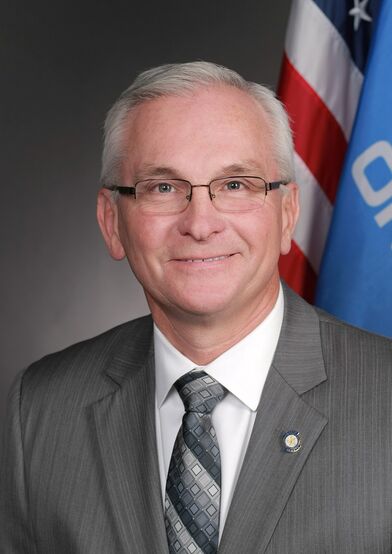
Darcy Jech
100% support rate
Top opponent
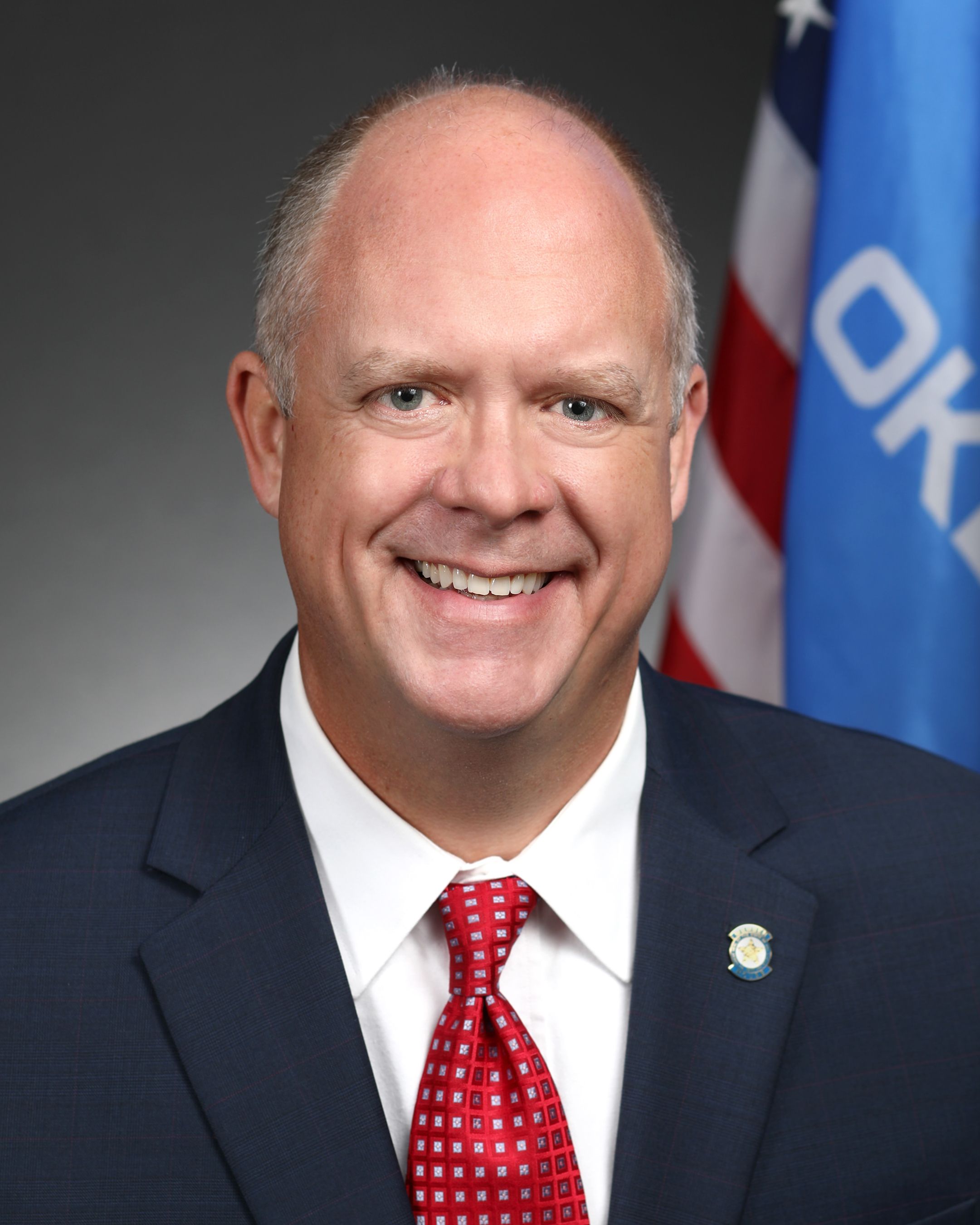
Jay Steagall
22% support rate
Ranked legislators
10
5 support · 5 oppose
Key legislators

Who's moving women's health in Oklahoma

Legislators moving women's health in Oklahoma
Legislator Party Stance Support rate Decisive votes
Darcy Jech
Darcy Jech Senate · District 26
R
Strong +
100% 4
Warren Hamilton
Warren Hamilton Senate · District 7
R
Strong +
100% 3
John Pfeiffer
John Pfeiffer House · District 38
R
Strong +
86% 7
Preston Stinson
Preston Stinson House · District 96
R
Strong +
80% 10
Jo Anna Dossett
Jo Anna Dossett Senate · District 35
D
Strong +
80% 5
Jay Steagall
Jay Steagall House · District 43
R
Oppose
22% 9
Jim Shaw
Jim Shaw House · District 32
R
Oppose
22% 9
Molly Jenkins
Molly Jenkins House · District 33
R
Oppose
22% 9
Rick West
Rick West House · District 3
R
Oppose
22% 9
Tom Gann
Tom Gann House · District 8
R
Oppose
22% 9
Showing 11–19 of 19 bills

All healthcare bills

in committee · Oklahoma · Senate Feb 4, 2025

SB 989: Abortion; creating the Wrongful Death Protection Act of 2025; making certain individuals liable for wrongful death from abortion-inducing drugs. Emergency.

SB 989 creates the "Wrongful Death Protection Act of 2025," holding manufacturers, distributors, and providers of abortion-inducing drugs strictly liable for the death or injury of an unborn child or pregnant woman resulting from those drugs. It specifically targets drugs like mifepristone and misoprostol (excluding emergency contraception like Plan B), and applies to anyone involved in their supply chain. The law prohibits common defenses (e.g., ignorance of the law, consent, or negligence claims) and voids any waiver of this liability, with a 6-year statute of limitations for lawsuits. It explicitly excludes cases where abortion was performed to save a pregnant woman’s life or treat medical conditions like ectopic pregnancy.
Sub-Topics Women's Health
in committee · Oklahoma · House Feb 26, 2025

HB 1008: Abortion; prohibition of abortion; definitions; prescribing standard based upon preservation of the life of a pregnant woman; emergency.

HB 1008 prohibits most abortions in Oklahoma except when necessary to preserve the life of a pregnant woman facing a medical emergency involving physical disorder, illness, or injury directly related to pregnancy. It defines "medical emergency" as conditions where abortion is required to save the woman's life, and imposes penalties of up to $100,000 or 10 years in prison for violations. The bill explicitly states it does not criminalize women for pregnancy outcomes and preserves access to contraceptives when used before pregnancy detection. The law takes immediate effect as an emergency measure upon passage.
signed · Oklahoma · House May 6, 2026

HB 1168: Abortion-inducing drugs; terms; trafficking; felony; exceptions.

HB 1168 makes it a felony to knowingly deliver or possess abortion-inducing drugs (like misoprostol or methotrexate) with the intent of causing an abortion, punishable by up to $100,000 in fines or 10 years in prison. It directly affects individuals who provide such drugs for non-exceptional purposes, including off-label use for abortion. Key exceptions include pharmacists, manufacturers, and distributors acting within lawful medical practices, as well as preventive contraception used as directed by manufacturers. The law does not restrict treatment for ectopic pregnancies, miscarriages, or medical uses of drugs like chemotherapy.
in committee · Oklahoma · House Feb 4, 2025

HB 1724: Abortion pills; Prevention of Maternal Harm Act of 2025; coerced abortion; imprisonment; fines; Schedule IV; mifepristone and misoprostol; effective date.

HB 1724, the "Prevention of Maternal Harm Act of 2025," criminalizes administering abortion-inducing drugs (mifepristone and misoprostol) without a pregnant person’s consent. It imposes penalties of 5-20 years in prison and fines up to $100,000 for "coerced criminal abortion by means of fraud," with harsher sentences if the pregnancy exceeds three months. The bill also redesignates mifepristone and misoprostol as Schedule IV controlled substances under Oklahoma law, treating them like other restricted medications. This directly affects healthcare providers, caregivers, or others who administer these drugs without consent, making non-consensual use a felony. The law takes effect November 1, 2025.
in committee · Oklahoma · Senate Feb 4, 2025

SB 665: Freedom of conscience; creating the Medical Ethics Defense Act; granting certain rights and protections to certain medical practitioners, healthcare institutions, or healthcare payers. Effective date.

SB 665, the "Medical Ethics Defense Act," protects medical practitioners, healthcare institutions, and payers from discrimination when refusing to provide services based on conscience. It grants the right to decline any medical procedure or service (including abortion, as referenced in the title) that conflicts with their ethical, moral, or religious beliefs. The bill prohibits adverse actions like termination, loss of licensure, or denial of contracts for such refusals, while explicitly stating this protection does not override duties to provide other non-conflicting care. It applies broadly to all healthcare workers - from doctors and nurses to pharmacists and researchers - and defines "discrimination" to include any retaliatory penalty tied to conscience-based decisions.
in committee · Oklahoma · Senate Feb 19, 2026

SB 884: Abortion; creating the Oklahoma Right to Life Act; prohibiting certain acts; imposing certain duty on health care providers; providing certain penalty and immunities. Emergency.

SB 884, the "Oklahoma Right to Life Act," bans nearly all abortions in Oklahoma by prohibiting anyone from performing, attempting, or aiding in an abortion. It defines "abortion" broadly as any action to terminate a pregnancy (except for specific cases like preserving the life of the unborn person after live birth or removing a dead unborn person from a miscarriage or trauma), and defines "unborn person" as beginning at conception. The law imposes criminal penalties, including first-degree murder charges for violations, though it requires health care providers to attempt a live birth during life-threatening medical emergencies involving the pregnant person. It explicitly excludes contraceptives used before pregnancy is detectable. The bill is classified as an emergency measure.
Sub-Topics Women's Health
in committee · Oklahoma · Senate Feb 4, 2025

SB 883: Abortion; prohibiting certain acts involving abortion-inducing drugs; providing administrative and criminal penalties. Emergency.

SB 883 prohibits providing abortion-inducing drugs (like mifepristone or misoprostol) with the intent to terminate a pregnancy in Oklahoma, directly affecting healthcare providers and anyone distributing such drugs. It defines "abortion-inducing drugs" as medicines prescribed specifically to cause abortion, excluding those used for other medical purposes. Violators face felony charges and potential revocation of medical licenses, while existing related statutes (63 O.S. Sections 1-729a through 1-757.16) are repealed. The bill declares an emergency, making it effective immediately upon passage.
Sub-Topics Women's Health
died · Oklahoma · Senate Feb 19, 2025

SB 456: Abortion; creating the Abolition of Abortion Act; modifying applicability of provisions related to homicide and wrongful death. Emergency.

SB 456, the "Abolition of Abortion Act," would reclassify most abortion procedures as criminal homicide under Oklahoma law, defining "human being" to include unborn children and applying homicide statutes to abortion-related deaths. It exempts legal abortions with maternal consent, standard medical practices, life-saving procedures for the mother (with steps to save the fetus), and spontaneous miscarriages. The bill also modifies wrongful death claims to include unborn children and expands duress defenses for mothers who undergo abortions under threat. The bill failed in committee in February 2025 and would not take effect if passed, as it is currently pending legislative action.
in committee · Oklahoma · Senate Feb 4, 2025

SB 1033: Practice of pharmacy; requiring licensure of certain out-of-state pharmacies; requiring certain inspections; providing administrative remedies and penalties. Effective date.

SB 1033 requires out-of-state pharmacies that ship drugs into Oklahoma to obtain a license from the Oklahoma State Board of Pharmacy and comply with state pharmacy laws. It mandates initial and annual on-site inspections by Oklahoma inspectors (not out-of-state agencies), with pharmacies covering inspection costs. Key violations include breaching pharmacy technician ratios, shipping abortion-inducing drugs in violation of state law, or failing to follow storage guidelines, leading to fines up to $50,000 or license revocation for non-compliance. The bill takes effect November 1, 2025.
Showing 11 to 19 of 19 bills