Issue · Healthcare

Healthcare

Every healthcare bill, vote, and legislator stance in Oklahoma, automatically classified by Maddy, our AI policy reader.

Total bills
470
2026 Regular Session
Top supporter
Brenda Stanley
97% support rate
Top opponent
Shane Jett
16% support rate
Ranked legislators
10
5 support · 5 oppose
Key legislators

Who's moving healthcare in Oklahoma

Legislators moving healthcare in Oklahoma
Legislator Party Stance Support rate Votes
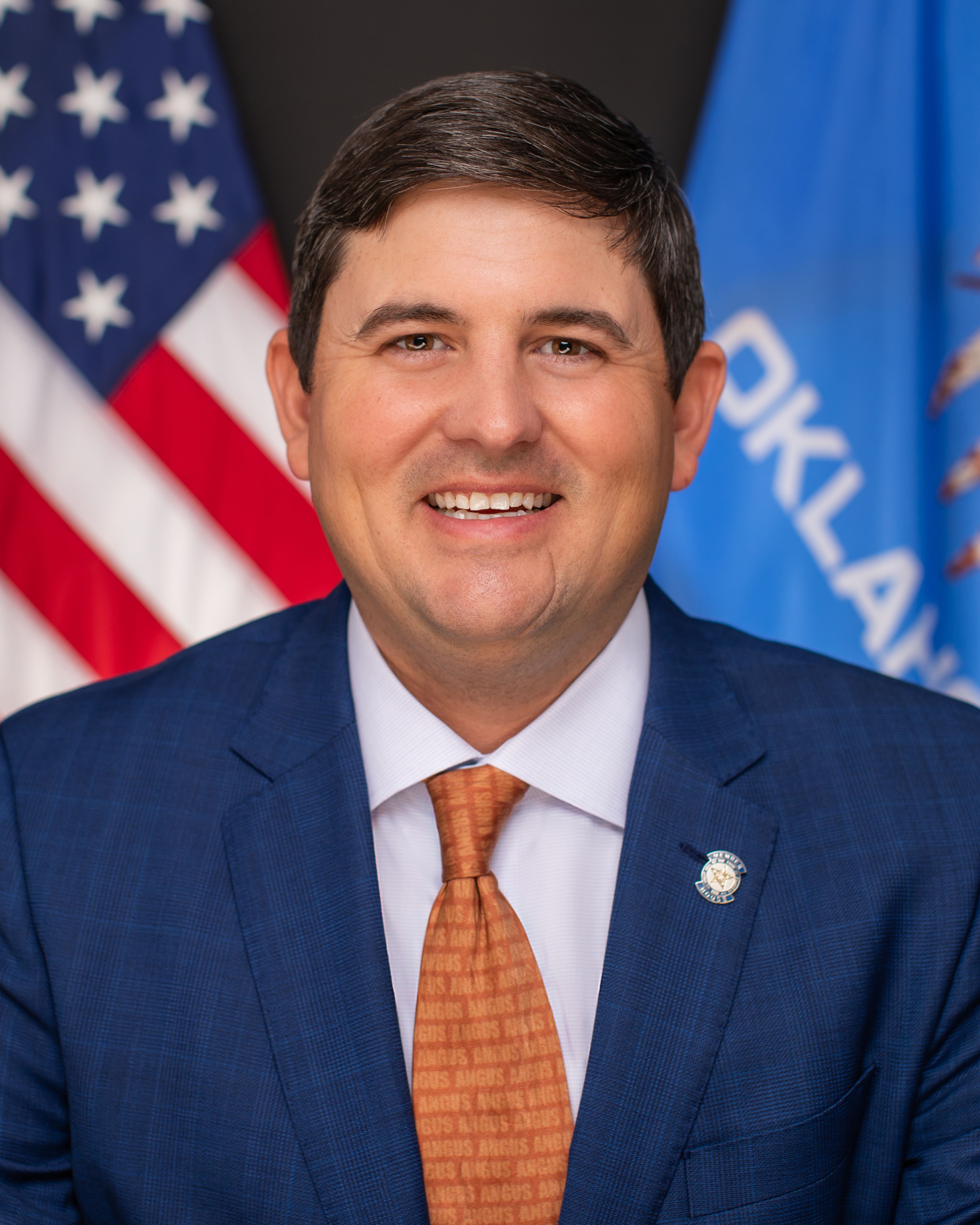
Brenda Stanley
Brenda Stanley Senate · District 42
R
Strong +
97% 214
John Pfeiffer
John Pfeiffer House · District 38
R
Strong +
96% 186
Lonnie Paxton
Lonnie Paxton Senate · District 23
R
Strong +
96% 173
Aaron Reinhardt
Aaron Reinhardt Senate · District 37
R
Strong +
96% 250
Kelly Hines
Kelly Hines Senate · District 47
R
Strong +
96% 181
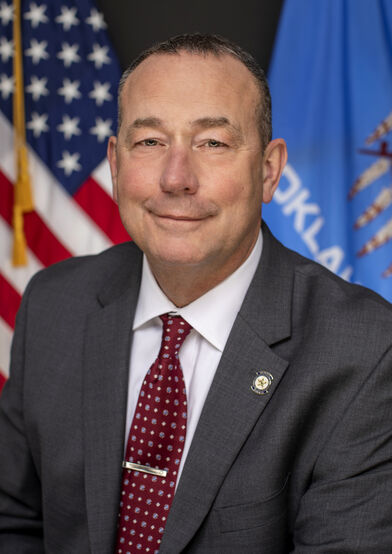
Shane Jett
Shane Jett Senate · District 17
R
Strong −
16% 216
Molly Jenkins
Molly Jenkins House · District 33
R
Strong −
17% 206
Dusty Deevers
Dusty Deevers Senate · District 32
R
Strong −
19% 208
Rick West
Rick West House · District 3
R
Strong −
20% 201
Jim Shaw
Jim Shaw House · District 32
R
Oppose
20% 204
Showing 131–140 of 470 bills

All healthcare bills

signed · Oklahoma · House May 6, 2026

HB 3934: Professions and occupations; practice of dentistry; definitions; committees; practice; licensing; effective date; emergency.

HB 3934 creates two new "extended care permits" for dental hygienists in Oklahoma to expand access to preventive dental care for underserved populations. Permit I allows hygienists to provide services in schools, foster care, youth programs, and clinics for children (birth to grade 12) with specific experience requirements (1,200 hours or teaching). Permit II allows similar services for seniors (65+) and people with developmental disabilities in residential facilities, requiring 1,600 hours and special training. Both permits require supervision by a licensed dentist, restrict services to preventive care (like cleanings and fluoride), and mandate reporting to the supervising dentist. The bill directly affects dental hygienists seeking expanded practice and the vulnerable groups they serve in community settings.
Sub-Topics Primary Care
in committee · Oklahoma · House Feb 3, 2026

HB 3833: Blood autologous; Oklahoma Autologous and Directed Blood Donation Act; terms; physician orders; hospital responsibilities; blood bank responsibilities; administrative fees; liability protections; promulgation of rules; State Department of Health; effective date.

HB 3833, the Oklahoma Autologous and Directed Blood Donation Act, establishes rules for hospitals and blood banks to handle patients' own blood donations (autologous) or donations specifically for a named patient (directed). It requires hospitals to follow physician orders for these donations when donors meet eligibility standards, ensure proper handling and availability, and not deny use based on internal policies. Blood banks must process and store these donations according to federal standards, and facilities may charge reasonable administrative fees for special handling. The law directly affects hospitals, blood banks, physicians, and patients needing blood for scheduled procedures, with rules to be implemented by the State Department of Health by November 1, 2026.
Sub-Topics Hospitals
in committee · Oklahoma · Senate Feb 3, 2026

SB 1969: Massage therapy; establishing certain eligibility to join certain Compact; creating certain multistate licensing system. Effective date.

SB 1969 establishes Oklahoma's participation in the Interstate Massage Compact, creating a multistate licensing system for massage therapists. It requires Oklahoma to recognize licenses issued by other participating states and mandates the creation of an Interstate Massage Compact Commission to manage the system, including enforcing disciplinary actions across states. The bill directly affects licensed massage therapists (who gain easier interstate practice) and state licensing boards (which must share disciplinary data and adhere to commission rules). Key provisions include requiring states to recognize military members' home-state licenses, enabling streamlined license mobility, and setting standards for disciplinary enforcement across member states. The compact aims to improve public access to safe massage therapy services while reducing regulatory burdens.
Tags Licensing
in committee · Oklahoma · Senate Mar 4, 2026

SB 2014: Practice of pharmacy; authorizing pharmacists to dispense certain medication upon certain federal approval and subject to certain conditions. Effective date.

SB 2014 designates ivermectin (for human use) as an over-the-counter medication in Oklahoma, allowing it to be sold without a prescription or pharmacist consultation. This bill directly affects pharmacies, pharmacists, and consumers who purchase this drug. The key provision removes the current requirement for a prescription or healthcare professional consultation for ivermectin, changing its legal status under state pharmacy law. The law takes effect on November 1, 2026.
Sub-Topics Prescription Drugs
in committee · Oklahoma · Senate Feb 3, 2026

SB 2038: Health Insurance; requiring certain decisions to be made by licensed professional; prohibiting issuance of outcomes determined with artificial-intelligence; requiring disclosure notice by insurer. Emergency.

SB 2038 prohibits health insurance companies in Oklahoma from using artificial intelligence (AI) systems to make final decisions denying, reducing, or terminating coverage or benefits. Instead, all such decisions must be reviewed and issued by licensed healthcare providers, not AI. The bill requires insurers to disclose to patients that human providers - not AI - made the final decision, and mandates that insurers consult a patient’s treating provider on medical necessity before denying coverage. These requirements apply directly to health insurance issuers operating in Oklahoma and affect patients whose claims are reviewed by insurers.
signed · Oklahoma · Senate Apr 14, 2026

SB 1942: Dental insurance claims; modifying definition. Effective date.

SB 1942 amends Oklahoma's dental insurance regulations to clarify what services insurers must cover and how claim denials must be handled. It defines "covered services" as all dental procedures the insurance plan must pay for, regardless of plan limitations like deductibles or frequency rules. The bill requires insurers to provide dentists with specific details - such as the reviewing dentist's license number and contact information - when denying claims based on "lack of medical necessity." This ensures transparency and allows dentists to directly question denials through designated channels. The changes apply to dental insurance plans and health benefit plans covering dental services in Oklahoma.
signed · Oklahoma · House May 12, 2026

HB 3650: Medicaid; extending certain termination dates; establishing certain reimbursement rates for multistate contracts; effective date.

HB 3650 sets minimum reimbursement rates for healthcare providers treating Oklahoma Medicaid enrollees, requiring contracted entities to pay in-network providers 100% and out-of-network providers 90% of the 2021 fee schedule rates until 2035. It mandates value-based payment arrangements for providers (with quality-based incentives), requires 11% of contracted entities' healthcare spending to go toward primary care, and includes specific payment rules for rural health clinics, behavioral health centers, pharmacies, and ambulance services. The bill also establishes annual capitation rate updates and medical loss ratio penalties for non-compliant entities. It becomes effective November 1, 2026.
in committee · Oklahoma · Senate Feb 3, 2026

SB 1661: Blood donation; requiring blood service systems to comply with certain physician orders; requiring hospitals to allow certain blood donations. Effective date.

SB 1661 requires blood service systems (like blood banks) to follow doctors' orders for autologous or direct blood donations - where patients donate their own blood before a scheduled procedure. It allows blood services to charge a reasonable fee to cover administrative costs for processing these donations. Hospitals must permit patients to donate their own blood directly for an upcoming medical procedure when a physician orders it. This bill directly affects patients needing pre-procedure blood donations, doctors ordering such donations, and blood services/hospitals managing the process.
passed · Oklahoma · House Apr 1, 2026

HB 3975: Department of Health; Oklahoma Rural Health Transformation Program; partner agencies; reporting requirements; Oklahoma Rural Health Transformation Revolving Fund; memoranda of understanding; codification; emergency.

HB 3975 establishes the Oklahoma Rural Health Transformation Program (ORHT) to manage federal funds for rural health initiatives, designating the Oklahoma State Department of Health (ODH) as the lead agency responsible for overseeing these funds and reporting to state officials. The bill creates an Oklahoma Rural Health Transformation Revolving Fund to hold federal funds, requiring ODH to submit annual reports to state leaders and quarterly public updates on fund expenditures and project progress. It mandates ODH to align program outcomes with federal reporting requirements to ensure proper oversight of funds received through the Centers for Medicare and Medicaid Services (CMS).
Sub-Topics Medicaid Medicare
in committee · Oklahoma · Senate Feb 3, 2026

SB 1951: Reproductive health and fertility; creating the Reproductive Empowerment and Support Through Optimal Restoration (RESTORE) Act. Effective date.

SB 1951, the RESTORE Act, establishes a framework to improve access to restorative reproductive medicine (RRM) for Oklahomans with reproductive health conditions like endometriosis, PCOS, and infertility. It requires the State Department of Health to collect data on these conditions, mandate healthcare facilities to provide specific RRM services, and allocate funds for related programs and provider training. The bill defines RRM as approaches that restore natural reproductive physiology rather than suppress or bypass it, distinguishing it from assisted reproductive technologies like IVF. It directly affects patients with diagnosed reproductive conditions and healthcare providers by setting new service, data, and training requirements.
Sub-Topics Women's Health
Showing 131 to 140 of 470 bills
Previous 1 13 14 15 47 Next