Issue · Healthcare

Healthcare

Every healthcare bill, vote, and legislator stance in Oklahoma, automatically classified by Maddy, our AI policy reader.

Total bills
547
2026 Regular Session
Top supporter
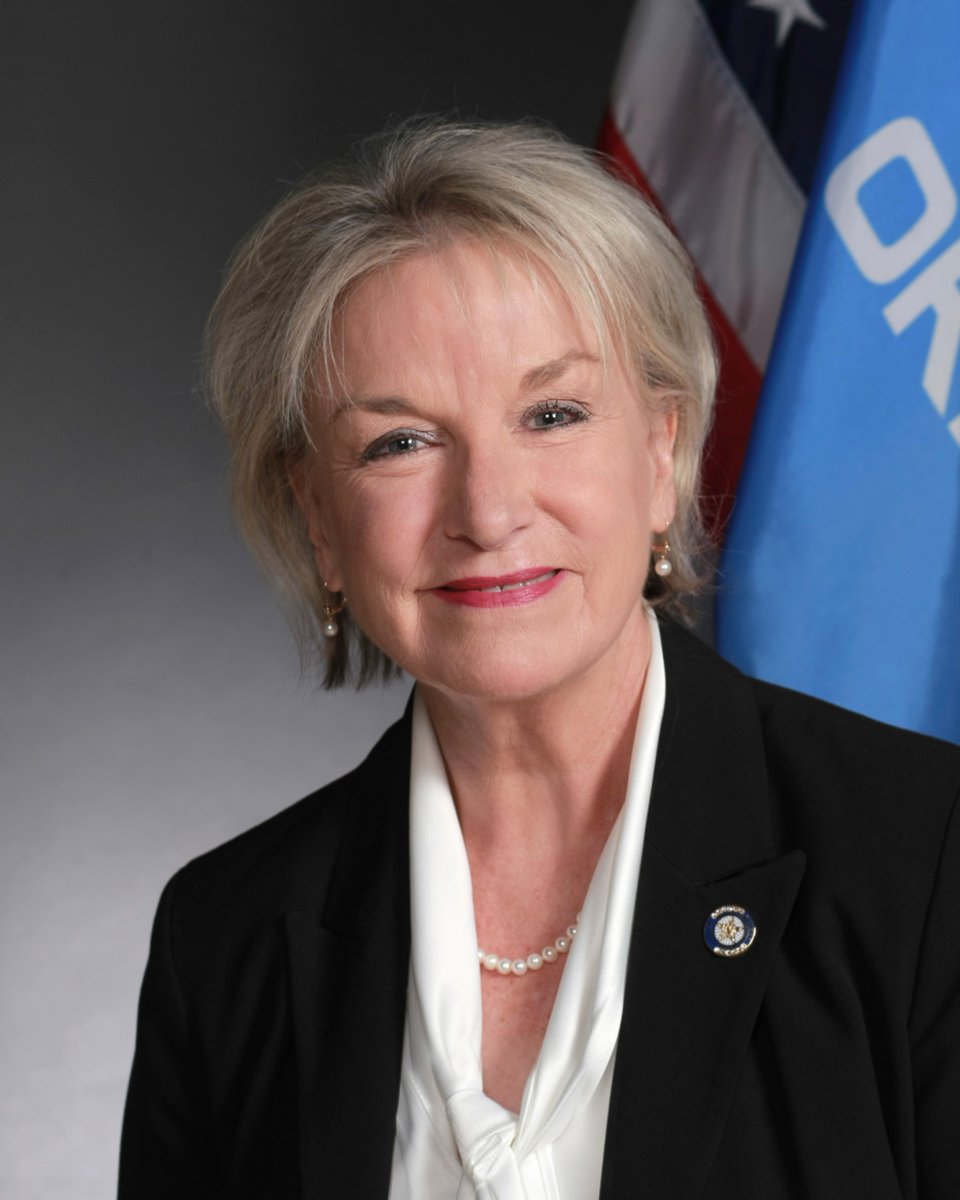
Brenda Stanley
97% support rate
Top opponent
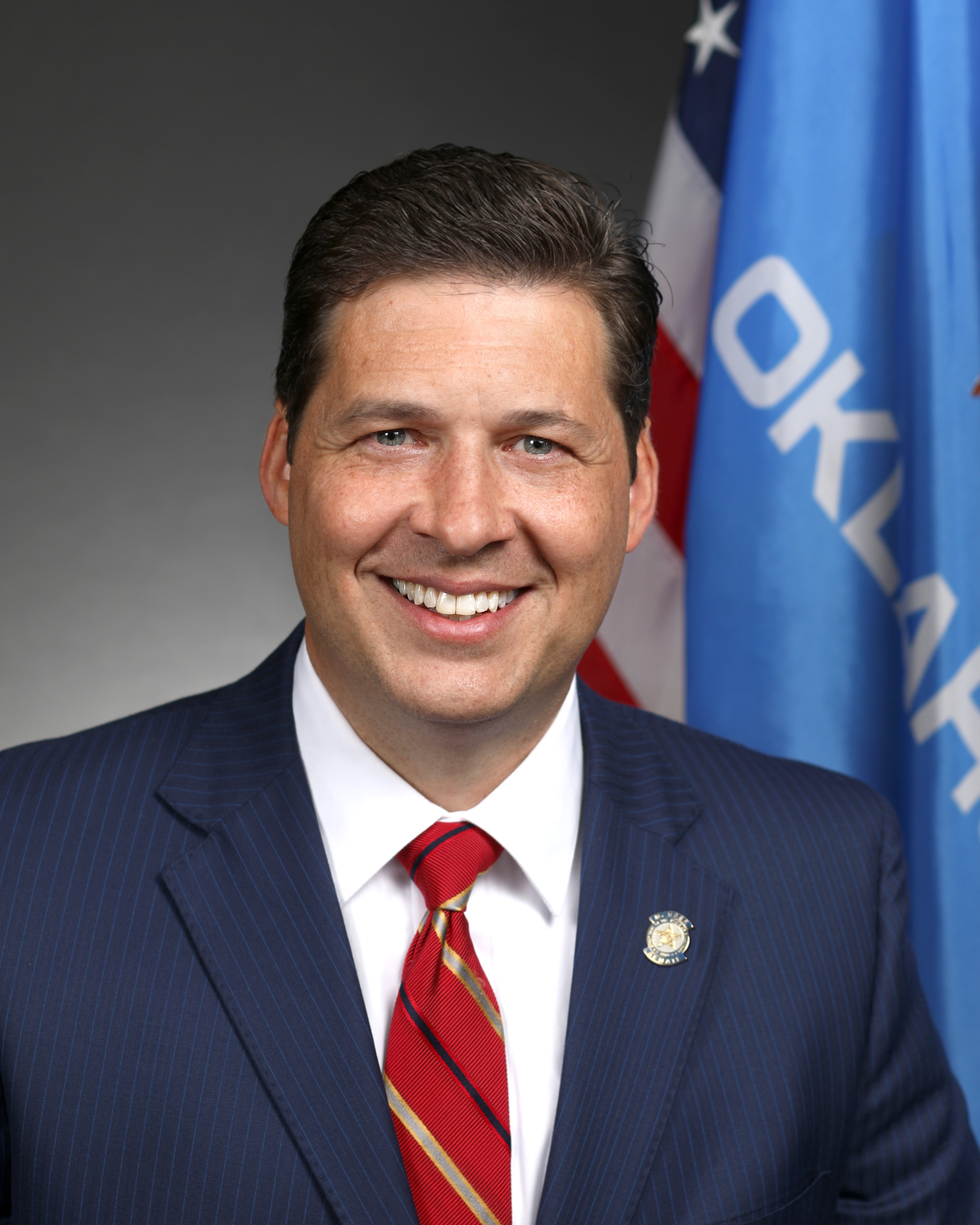
Shane Jett
16% support rate
Ranked legislators
10
5 support · 5 oppose
Key legislators

Who's moving healthcare in Oklahoma

Legislators moving healthcare in Oklahoma
Legislator Party Stance Support rate Votes
Brenda Stanley
Brenda Stanley Senate · District 42
R
Strong +
97% 214
John Pfeiffer
John Pfeiffer House · District 38
R
Strong +
96% 186
Lonnie Paxton
Lonnie Paxton Senate · District 23
R
Strong +
96% 173
Aaron Reinhardt
Aaron Reinhardt Senate · District 37
R
Strong +
96% 250
Kelly Hines
Kelly Hines Senate · District 47
R
Strong +
96% 181
Shane Jett
Shane Jett Senate · District 17
R
Strong −
16% 216
Molly Jenkins
Molly Jenkins House · District 33
R
Strong −
17% 206
Dusty Deevers
Dusty Deevers Senate · District 32
R
Strong −
19% 208
Rick West
Rick West House · District 3
R
Strong −
20% 201
Jim Shaw
Jim Shaw House · District 32
R
Oppose
20% 204
Showing 131–140 of 547 bills

All healthcare bills

signed · Oklahoma · Senate May 11, 2026

SB 1561: Emergency medical services; modifying certain disciplinary actions. Effective date.

SB 1561 updates Oklahoma's enforcement rules for ambulance services that violate emergency medical regulations. It expands the State Commissioner of Health's disciplinary options to include requiring free public service or mandatory training programs, in addition to fines, license suspensions, or probation. The bill clarifies that out-of-state ambulance services responding to emergencies in Oklahoma must comply with state rules and submit documentation of their response. These changes strengthen oversight of ambulance services operating within the state.
in committee · Oklahoma · Senate Feb 3, 2026

SB 2042: Nursing facilities; imposing certain duty on personnel of the State Department of Health related to emergency orders. Effective date.

SB 2042 requires Oklahoma Department of Health personnel to remain on-site at nursing facilities during emergencies that pose immediate risks to resident health, safety, or welfare. This applies when the Department issues an emergency order under the Nursing Home Care Act, mandating staff stay until the facility's "plan of removal" is accepted. The bill directly affects nursing facilities, health department staff, and residents during critical incidents. Key provisions clarify emergency order procedures, including requiring immediate on-site presence during life-endangering situations and ensuring facilities receive written notice of violations with correction deadlines. It does not change existing penalties or dispute processes but adds this specific on-site requirement during emergencies.
Sub-Topics Long-Term Care
in committee · Oklahoma · House Feb 3, 2026

HB 3361: Medicaid reimbursements; minimum rates of reimbursements; discretionary; effective date.

HB 3361 sets minimum reimbursement rates for Medicaid providers in Oklahoma through July 2027. It requires contracted entities to pay participating providers 100% of the standard fee schedule rate and non-participating providers 90% of the 2021 rate. The bill mandates value-based payment plans for providers tied to quality metrics, while ensuring specific protections for pharmacies, rural health clinics, behavioral health clinics, and emergency medical services. It also requires contracted entities to spend at least 11% of healthcare expenses on primary care and updates capitation rates annually based on federal standards. The bill takes effect November 1, 2026.
signed · Oklahoma · Senate May 6, 2026

SB 1484: Medicolegal investigations; broadening certain investigative requirements; requiring certain notice to parent or legal guardian. Effective date.

SB 1484 requires Oklahoma medical examiners to conduct standardized investigations for sudden infant or young deaths (including SIDS, SUID, SDY, and SADS), mandating autopsies when needed, review of medical records, and documentation of recent immunizations. It requires medical examiners to notify parents or legal guardians before investigations begin and grants them the right to refuse parts of the process unless a crime is suspected. The bill expands mandatory investigations to cover all sudden unexplained deaths in children under 20, requiring reporting to a national CDC/NIH registry and sharing findings with the State Department of Health. This directly affects medical examiners, parents/guardians of deceased children, and state health authorities through new procedural requirements.
in committee · Oklahoma · Senate Feb 3, 2026

SB 2097: Oklahoma Juvenile Code; modifying definitions. Effective date.

SB 2097 amends specific definitions within Oklahoma's Juvenile Code (10A O.S. 2021, Section 2-1-103) to clarify terminology used in juvenile justice proceedings. It defines key terms like "behavioral health" (including mental health and substance abuse treatment), "community-based" services (near-home programs for prevention/diversion), and "core community-based" services (specific counseling, case management, and rehabilitative treatments). The bill directly affects juveniles, families, and juvenile justice professionals by standardizing how services and legal terms are applied in court and treatment settings. This definition update aims to improve consistency in implementing existing juvenile justice programs and reporting.
in committee · Oklahoma · House Feb 3, 2026

HB 3038: Abortion; Abolition of Abortion Act; purpose; enforcement; wrongful death; victim of an unborn child; homicide; exceptions; emergency.

HB 3038, titled the "Abolition of Abortion Act," reclassifies abortion as homicide under Oklahoma law, making it a criminal offense punishable by the same legal standards applied to harm against born individuals. It directly affects pregnant people, healthcare providers performing abortions, and families seeking wrongful death claims related to abortions. Key provisions include removing existing exceptions allowing abortion, requiring documented informed consent, and amending wrongful death laws to permit lawsuits when abortions occur under specific circumstances like coercion, lack of consent, or medical negligence. Exceptions cover life-saving procedures for the mother (with reasonable efforts to save the fetus) and spontaneous miscarriages.
signed · Oklahoma · Senate May 11, 2026

SB 1655: Oklahoma Adoption Code; modifying applicability of certain confidentiality provisions. Emergency.

SB 1655 modifies Oklahoma's adoption confidentiality rules to allow limited sharing of identifying information under specific conditions. It permits biological and adoptive parents to mutually agree in writing to share identifying details, with court and agency notification. The bill also allows the Department of Human Services to share adoptive parent contact information with healthcare providers managing an adopted child's "Children’s Specialty Plan" for medical continuity. Most adoption records remain confidential, with exceptions only for these two scenarios, and the law takes immediate effect due to an emergency declaration.
in committee · Oklahoma · Senate Feb 3, 2026

SB 1807: State Medicaid program; eliminating certain reduced assessment rate. Effective date.

SB 1807 eliminates a reduced assessment rate for nursing facilities under Oklahoma's Medicaid program, replacing it with a uniform per-patient day fee calculation. This fee, based on total annual patient gross receipts divided by patient days, directly affects licensed nursing facilities (excluding those operated by the Oklahoma Department of Veterans Affairs). The bill updates funding mechanisms, requiring the fee to fund specific Medicaid services including increasing personal needs allowances for nursing home residents from $30 to $50 monthly. It also clarifies that the fee must align with federal Medicaid reimbursement rules and ensures funds are exempt from budget cuts.
in committee · Oklahoma · Senate Feb 3, 2026

SB 1559: Medicaid; requiring establishment of direct primary care pilot program. Effective date.

SB 1559 requires Oklahoma's Medicaid program to test a direct primary care model through a 36-month pilot program serving up to 1,000 Medicaid beneficiaries. It mandates the Oklahoma Health Care Authority to contract directly with qualified providers using monthly payments per patient (not traditional capitated contracts) and establish quality benchmarks aligned with federal rules. The program requires annual reports tracking access, patient satisfaction, clinical outcomes, and costs, with recommendations for future Medicaid policy. This pilot aims to evaluate how direct primary care - where patients pay a flat fee for services - could improve care within Medicaid, without changing existing Medicaid coverage.
Sub-Topics Medicaid Primary Care
in committee · Oklahoma · Senate Feb 3, 2026

SB 1657: Abortion; prohibiting manufacture or provision of abortion-inducing drugs; authorizing certain qui tam actions. Emergency.

SB 1657 prohibits manufacturing, distributing, or providing abortion-inducing drugs (like mifepristone or misoprostol) in Oklahoma, except for specific medical uses such as treating ectopic pregnancies, life-threatening conditions, or miscarriages. It exempts hospitals, state facilities, and healthcare providers acting within certain medical exceptions. The law can only be enforced through private lawsuits (qui tam actions) filed by citizens, not by state authorities or prosecutors. This directly affects healthcare providers, pharmacies, and anyone handling these drugs in Oklahoma, with strict limits on permitted uses.
Sub-Topics Women's Health
Showing 131 to 140 of 547 bills
Previous 1 13 14 15 55 Next