Issue · Environment

Environment (Drinking Water)

Every environment bill, vote, and legislator stance in Oklahoma, automatically classified by Maddy, our AI policy reader.

Total bills
12
2026 Regular Session
Top supporter
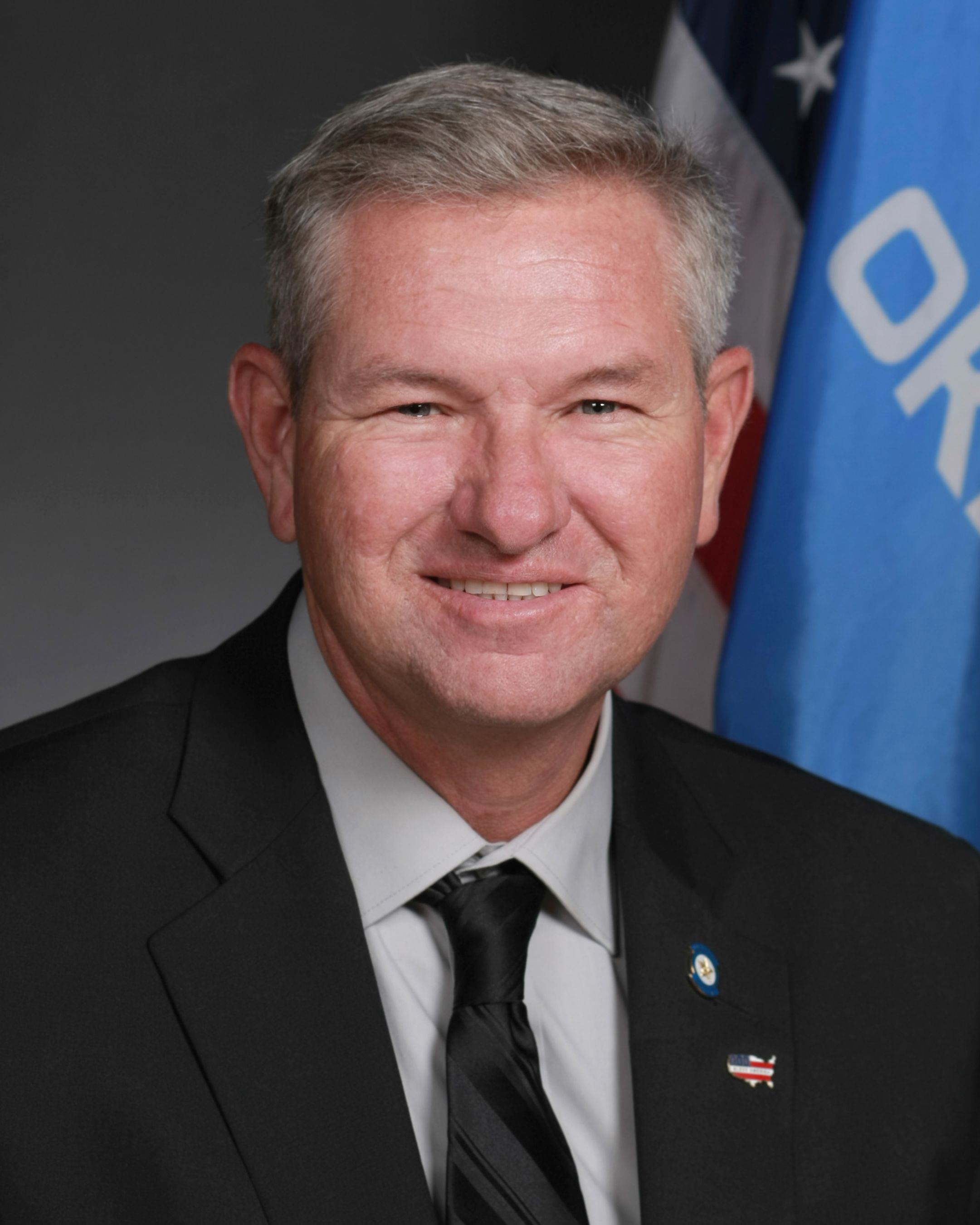
Casey Murdock
100% support rate
Top opponent
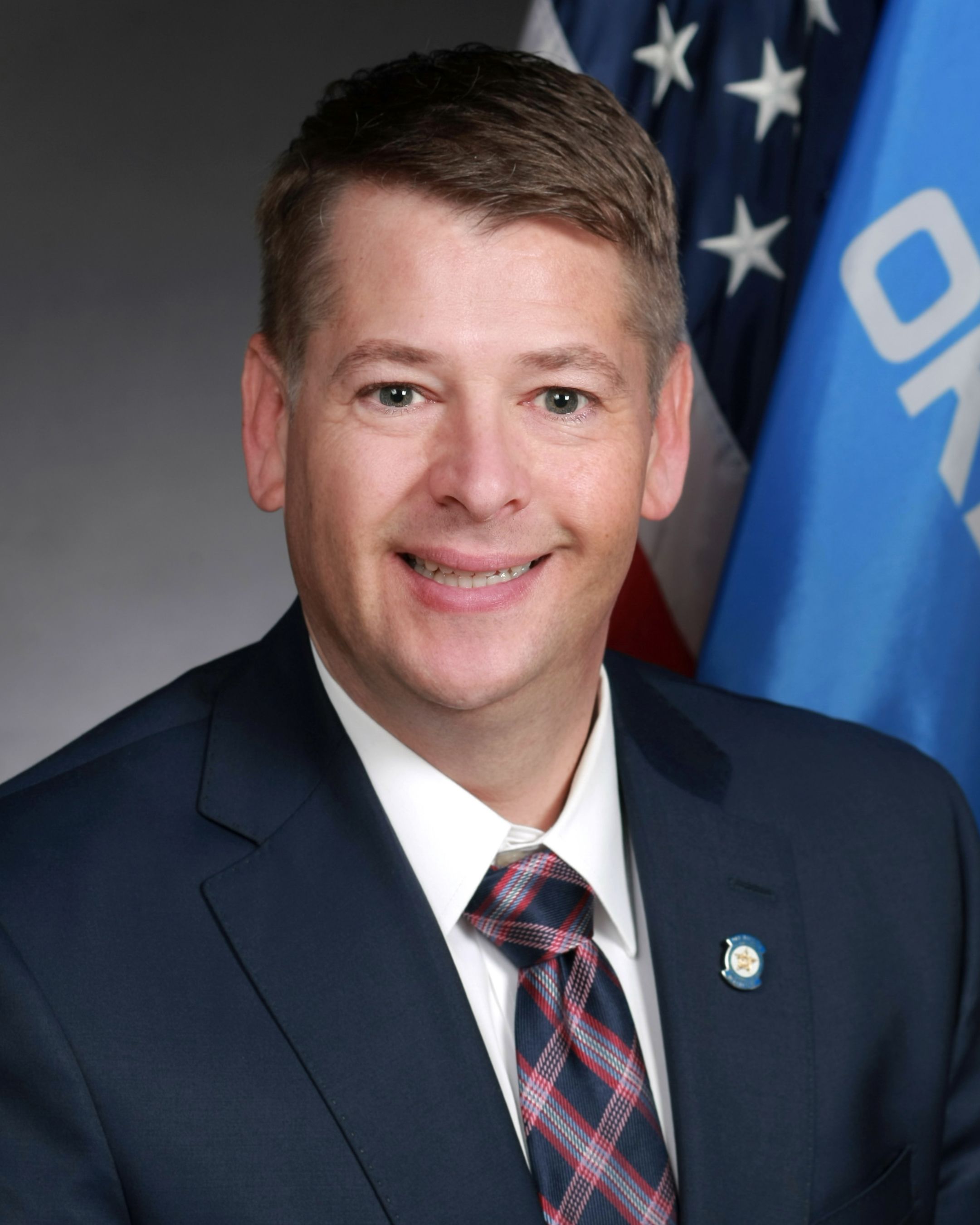
David Smith
0% support rate
Ranked legislators
10
5 support · 5 oppose
Key legislators

Who's moving drinking water in Oklahoma

Legislators moving drinking water in Oklahoma
Legislator Party Stance Support rate Votes
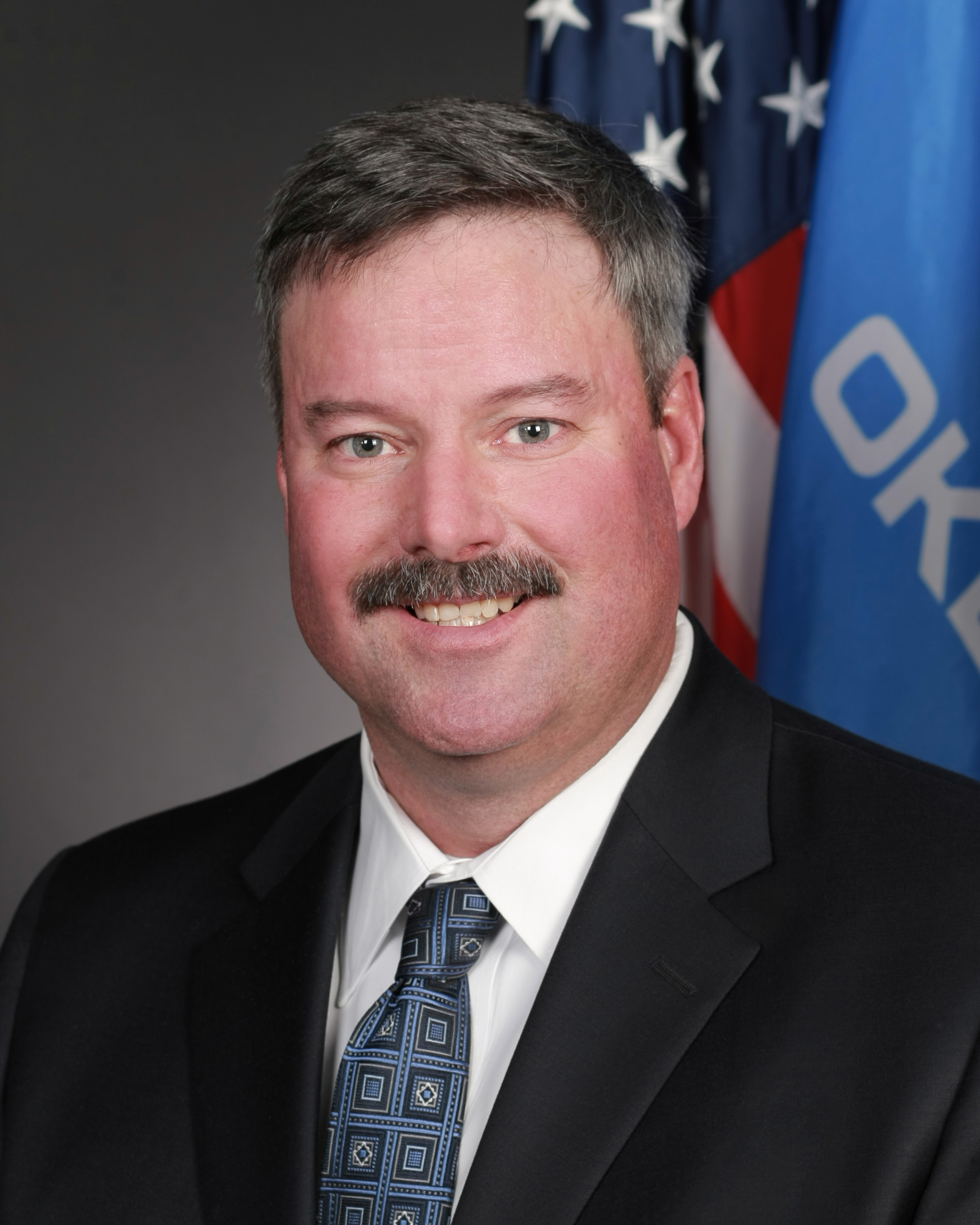
Casey Murdock
Casey Murdock Senate · District 27
R
Strong +
100% 5
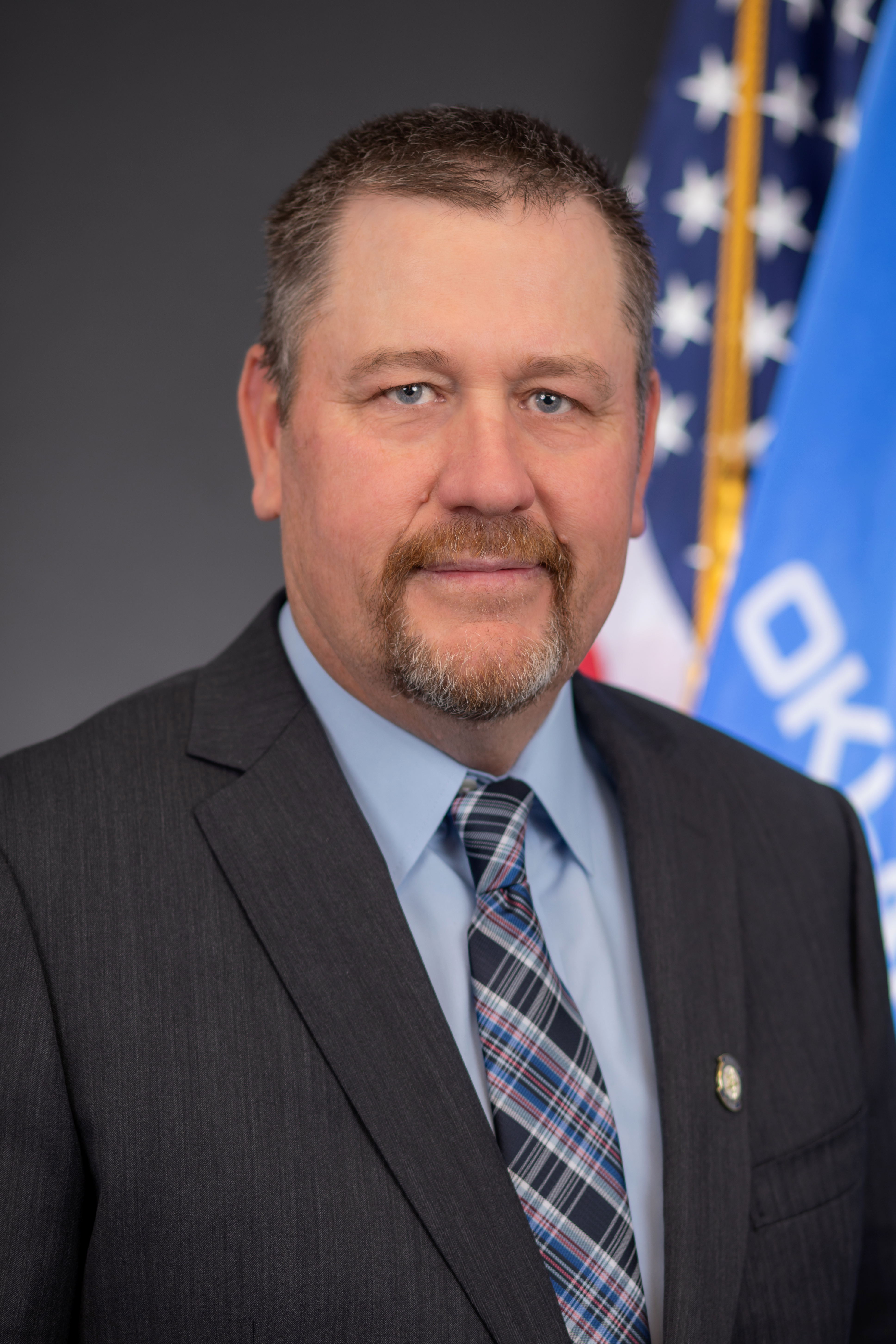
Grant Green
Grant Green Senate · District 28
R
Strong +
100% 5
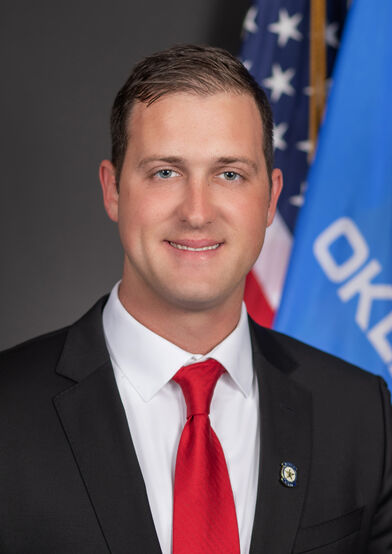
Tom Woods
Tom Woods Senate · District 4
R
Strong +
100% 5
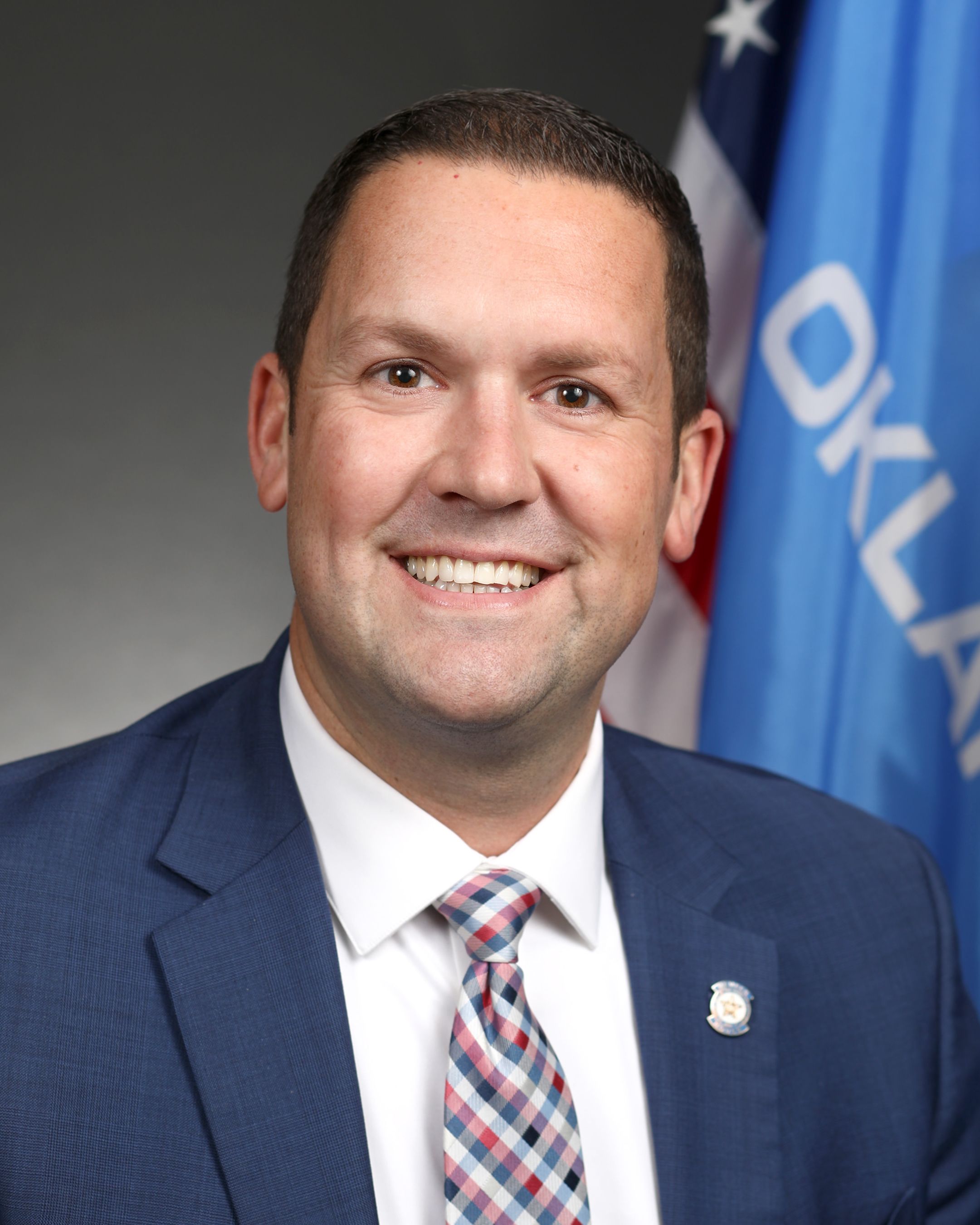
Anthony Moore
Anthony Moore House · District 57
R
Strong +
100% 4
Arturo Alonso
Arturo Alonso House · District 89
D
Strong +
100% 4
David Smith
David Smith House · District 18
R
Strong −
0% 4
Jim Shaw
Jim Shaw House · District 32
R
Strong −
0% 4
Chris Sneed
Chris Sneed House · District 14
R
Strong −
0% 3
Cody Maynard
Cody Maynard House · District 21
R
Strong −
0% 3
Denise Crosswhite Hader
Denise Crosswhite Hader House · District 41
R
Strong −
0% 3
Showing 1–10 of 12 bills

All environment bills

in committee · Oklahoma · Senate Mar 3, 2025

SB 265: Water and water rights; creating the Oklahoma Water Infrastructure Loan Program and Revolving Fund; stating Program and Fund purposes. Emergency.

SB 265 creates the Oklahoma Water Infrastructure Loan Program and Revolving Fund to provide low-interest loans for water system improvements. It directly affects municipalities and water districts by enabling them to access funding for projects like upgrading pipes, treatment facilities, or water supply systems. The bill establishes a revolving fund that replenishes as loans are repaid, ensuring ongoing availability of capital. The "Emergency" designation indicates it aims for rapid implementation to address urgent water infrastructure needs.
Sub-Topics Drinking Water
in committee · Oklahoma · Senate Mar 12, 2026

SB 1333: Oklahoma Water Resources Board; establishing the Water Infrastructure Enhancement Program; creating the Water Infrastructure Enhancement Revolving Fund; creating the Oklahoma Water Resources Board Low-Interest Revolving Fund. Effective date. Emergency.

SB 1333 establishes Oklahoma's Water Infrastructure Enhancement Program to modernize the state's aging water systems. It creates a $50 million revolving fund from General Revenue to provide direct grants, low-interest loans, and technical assistance to communities - particularly rural areas through the Rural Economic Action Plan grant program. The bill allocates 50% of funds to a new low-interest loan program, 20% for rural grants, and 10% for outreach and planning. The program becomes effective July 1, 2026, with funds available for infrastructure projects like pipe replacements and treatment upgrades.
Sub-Topics Revenue Drinking Water
in committee · Oklahoma · Senate Feb 17, 2025

SB 268: Biosolids; prohibiting land application, spreading, sale, and distribution of certain materials; requiring reporting; requiring remediation. Emergency.

SB 268 prohibits the land application, spreading, sale, or distribution of biosolids (treated wastewater sludge) and related products (like compost containing sludge) on farmland in Oklahoma if they contain PFAS chemicals. It exempts agricultural products derived from food processing (e.g., apple or blueberry waste) and manure-based materials, provided they weren’t mixed with sludge. The bill requires the Environmental Quality Department to report on septage management by February 2026 and the Agriculture Department to develop PFAS remediation plans for affected farmers, with a cost report due to the Legislature. This directly impacts wastewater treatment facilities, agricultural producers using soil amendments, and businesses selling compost or fertilizer products.
Sub-Topics Drinking Water
in committee · Oklahoma · Senate Feb 3, 2026

SB 1799: Biosolids; prohibiting certain land application. Emergency.

This bill prohibits the land application, sale, or distribution of biosolids (wastewater treatment byproducts) containing perfluoroalkyl substances (PFAS) on agricultural land in Oklahoma. It specifically bans materials like sewage sludge, compost made with sludge, or fertilizers derived from sludge, with limited exemptions for food-processing byproducts (e.g., spent grain from brewing) and animal manure. The Oklahoma Department of Environmental Quality and Agriculture must enforce the ban, develop PFAS remediation plans for affected farmers, and submit reports by February 2027 detailing implementation and costs. The law targets PFAS contamination risks in soil and crops while allowing alternative agricultural materials to be used.
Sub-Topics Drinking Water
passed · Oklahoma · House Mar 11, 2026

HB 2976: Department of Environmental Quality; requiring the promulgation of rules establishing water quality criteria for aluminum; effective date.

HB 2976 requires Oklahoma's Department of Environmental Quality (DEQ) to create rules establishing safe water quality levels for aluminum. These rules would set maximum allowable concentrations of aluminum in water to protect aquatic ecosystems and drinking water sources. The bill, amended to take effect in 2028, directly impacts the DEQ (which must develop the rules) and industries discharging aluminum into waterways, such as manufacturing or mining operations.
in committee · Oklahoma · Senate Feb 3, 2026

SB 2141: Agriculture and environmental protection; creating the Oklahoma PFAS-Safe Biosolids and Farmland Protection Act. Effective date.

SB 2141 creates Oklahoma's "PFAS-Safe Biosolids and Farmland Protection Act" to regulate the land application of biosolids (treated sewage sludge) and septage on farmland. It requires mandatory PFAS testing before application using EPA Method 1633, establishes four tiered concentration limits (from unrestricted use at <20μg/kg to prohibition at >100μg/kg), and mandates that generators share test results and tier information with landowners before application. The bill directly affects wastewater treatment facilities (generators), farmers receiving land application, and the Oklahoma Department of Environmental Quality (enforcement). Landowners must provide written consent acknowledging PFAS data, and records must be kept for 10 years, with additional safeguards for food crops and sensitive areas.
Sub-Topics Drinking Water
failed · Oklahoma · House Apr 30, 2026

HB 3403: Environment and natural resources; creating the Oklahoma Biosolids Land Application Research Pilot Program Act; effective date.

HB 3403 creates a five-year research program at Oklahoma State University to study the safe land application of treated sewage sludge (biosolids) on agricultural land. The program, administered by the Department of Environmental Quality with OSU partners, will develop application protocols (including testing for contaminants like PFAS), monitor environmental impacts, and assess regulatory models. It directly affects Oklahoma farmers, ranchers, and municipal wastewater facilities by providing research on biosolids use, while exempting participating farms from state permitting during controlled research. The program requires annual reports on findings to state leaders and includes liability protections for landowners following approved protocols.
Sub-Topics Drinking Water
in committee · Oklahoma · Senate Feb 4, 2025

SB 271: Environment and natural resources; creating the Oklahoma Perfluoroalkyl and Polyfluoroalkyl Substances Act; providing application, liability, and fee assessment for certain waste disposal. Emergency.

SB 271 creates Oklahoma's first state-level regulatory framework for perfluoroalkyl and polyfluoroalkyl substances (PFAS), focusing on waste disposal. It protects specific entities like public water systems, wastewater treatment facilities, fire departments using PFAS-containing AFFF foam, and airports from civil liability for PFAS releases - unless they violated regulations or acted with gross negligence. The bill requires the Environmental Quality Board to establish rules for PFAS waste handling, mandates fees for disposal (replacing tonnage fees), and requires permits for facilities processing over 200 pounds of AFFF waste daily. It also sets standards for classifying out-of-state PFAS waste and declares an emergency to expedite implementation.
in committee · Oklahoma · House Feb 4, 2025

HB 1726: Biosolids; prohibiting land application, spreading, sale, and distribution of certain materials; reporting; remediation; funding policies; emergency.

HB 1726 bans the land application, sale, or distribution of biosolids (treated sewage byproducts) and related products containing perfluoroalkyl substances (PFAS) as fertilizers, soil amendments, or mulch in Oklahoma. It directly affects wastewater treatment facilities, agricultural businesses, and farmers who previously used these materials. Key provisions include exemptions for food-processing compost (e.g., from fruits or grains), manure, and lined landfill disposal, while requiring the Department of Environmental Quality to enforce environmental rules and develop a remediation funding plan for PFAS contamination. The bill also mandates a 2025 report on long-term alternatives for safely managing biosolids and septage.
in committee · Oklahoma · Senate Feb 4, 2025

SB 613: Water and water rights; directing creation of centralized hotline for water quality concerns. Effective date.

SB 613 requires Oklahoma's Attorney General's Office to create a statewide hotline for residents to report water quality concerns. The Attorney General must coordinate with the Department of Environmental Quality to investigate complaints, conduct water testing, and enforce regulations. The bill also grants the Attorney General authority to create rules for implementing this hotline system. It becomes effective November 1, 2025, directly affecting Oklahoma residents with water quality issues and state environmental agencies.
Showing 1 to 10 of 12 bills
1 2 Next