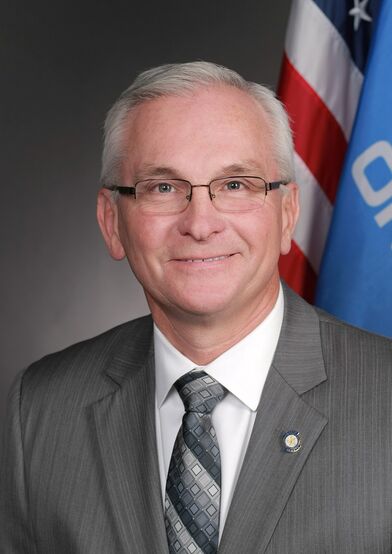
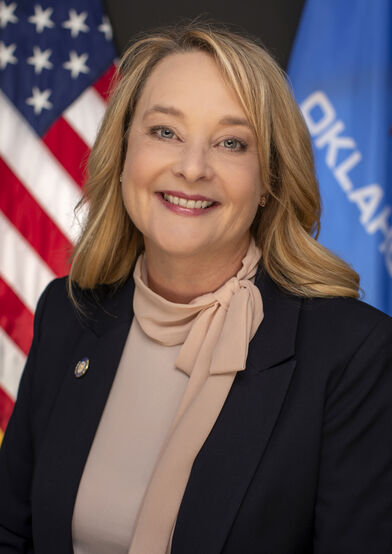
SB 259 requires groundwater permit holders to submit annual usage reports, with specific additions for swine operations using liquid waste systems that must indicate if they are licensed under Oklahoma's Concentrated Animal Feeding Operations Act. It updates waste prevention rules to prohibit inefficient use, pollution, and unauthorized drilling, while expanding the Oklahoma Water Resources Board's authority to investigate complaints, implement metering schedules, and enforce penalties. The bill directs the Board to monitor groundwater use, notify agriculture officials about unlicensed operations, and require landowner notice before inspections. An appropriation funds the Board's new monitoring and enforcement responsibilities under this legislation.
SB 1319 creates a dedicated "Corporation Commission Plugging Fund" to address environmental and safety issues from oil and gas operations. The fund must maintain $5 million, with additional taxes collected if it falls below this level until replenished (effective until July 2031). It establishes a new program allowing homeowners contaminated by brine or oil from *abandoned wells* (as defined by law) to apply for financial assistance from the fund without needing prior insurance claims. The Corporation Commission will determine assistance amounts and create rules to manage applications and verify contamination sources.
HB 1370 establishes a "Corporation Commission Plugging Fund" to address seeping natural gas and environmental safety issues related to oil and gas operations. The bill requires the fund to maintain $5 million, and if it falls below this level, an additional excise tax on oil and gas will be imposed until replenished. It specifies that 10.526% of oil excise tax revenue and 10.5555% of natural gas excise tax revenue must be allocated to this fund, with the remaining portions going to the General Revenue Fund and the Interstate Oil Compact Fund. The bill extends the fund's sunset date from 2026 to 2031, ensuring continued funding for these environmental response efforts.
HB 4428 requires Oklahoma's pension benefit plans (like state retirement funds) to vote on shareholder proposals solely based on financial impact, banning consideration of environmental, social, or political goals. It mandates that pension boards base all voting decisions on "pecuniary factors" (financial risk/return) to maximize shareholder value, and prohibits proxy advisors from providing recommendations that include non-financial considerations. Boards must annually report all votes, including their decision, management's stance, and any proxy advisor's recommendation, publishing the report online by March 1 each year. The law applies to all state pension systems and takes effect November 1, 2026.
HB 2988 creates an income tax credit for Oklahoma landowners who implement specific conservation practices, including removing harmful woody species, improving soil health, or enhancing water efficiency on agricultural land. It directly affects farmers and ranchers who actively practice these conservation methods on their property, allowing them to claim credits of $5-$500 per acre (up to $150,000-$200,000 annually) based on the number of qualifying practices used. The Oklahoma Conservation Commission issues tax credit certificates verifying eligibility, while the program limits annual credits to $3 million total and requires applicants to not have received full cost coverage from other sources. The credit applies to income tax returns for 2027-2030, with certificates processed in order of submission until the $3 million cap is reached.
HB 1728 creates the Salt Cedar Eradication Act to manage invasive salt cedar (Tamarix species) in Oklahoma's Upper Red River Basin, directly affecting private, tribal, and public landowners in that region. The Oklahoma Conservation Commission will lead a program that maps infestations, implements eradication methods (like mechanical removal and chemical treatments), and provides financial and technical assistance to landowners. It establishes a revolving fund using state, federal, and private funds designated for salt cedar removal, and requires annual reports to state officials on progress, spending, and recommendations. The program aims to protect water resources, restore native ecosystems, and support agricultural productivity.
HB 3173, the Well Repurposing Act, allows Oklahoma's Corporation Commission to authorize converting existing oil and gas wells into facilities for energy storage or geothermal energy development. It defines key terms like "geothermal resources" (excluding oil/hydrocarbons) and requires the Commission to set fees and financial requirements for these repurposed wells. The bill states that wells actively used for energy storage are not considered abandoned, but must be sealed if operations stop for 12+ months. This directly affects oil/gas well operators seeking to repurpose infrastructure under Commission approval.
SB 1439 blocks lawsuits against fossil fuel companies (including producers, sellers, and trade associations) that claim climate change or greenhouse gas emissions caused harm when their products functioned as designed. The bill prohibits any civil action seeking relief related to climate change, alleged climate effects, or emissions - covering common claims like fraud or failure to warn - but excludes cases involving violations of environmental or worker protection laws. It applies to all fossil fuels (oil, natural gas, coal, etc.) and requires courts to dismiss ongoing climate-related lawsuits immediately upon the bill's effective date. This law creates a new legal barrier for climate change litigation while preserving access to courts for environmental law enforcement.
HB 4246 allows Oklahoma's Department of Environmental Quality (DEQ) to contract with the Oklahoma Rural Water Association or other qualified state suppliers for technical assistance to rural water and wastewater system operators. The bill expands the DEQ's existing authority to partner with nonprofit entities that can provide equally effective support, without requiring new funding. It directly affects rural water system operators statewide by potentially improving access to technical support services. The bill takes effect on November 1, 2026.
HB 2975 requires Oklahoma poultry feeding operations to create detailed Nutrient Management Plans for handling poultry waste. These plans must include specific waste storage methods (like covered storage during emergencies), strict rules against applying waste during rain, saturated ground, or on frozen land, and soil/waste testing data. Farms must renew these plans every six years and maintain records of all waste applications. The bill directly affects all poultry operations in Oklahoma by setting concrete environmental handling requirements.