Issue · Energy

Energy (Renewable Energy)

Every energy bill, vote, and legislator stance in Oklahoma, automatically classified by Maddy, our AI policy reader.

Total bills
4
2026 Regular Session
Top supporter
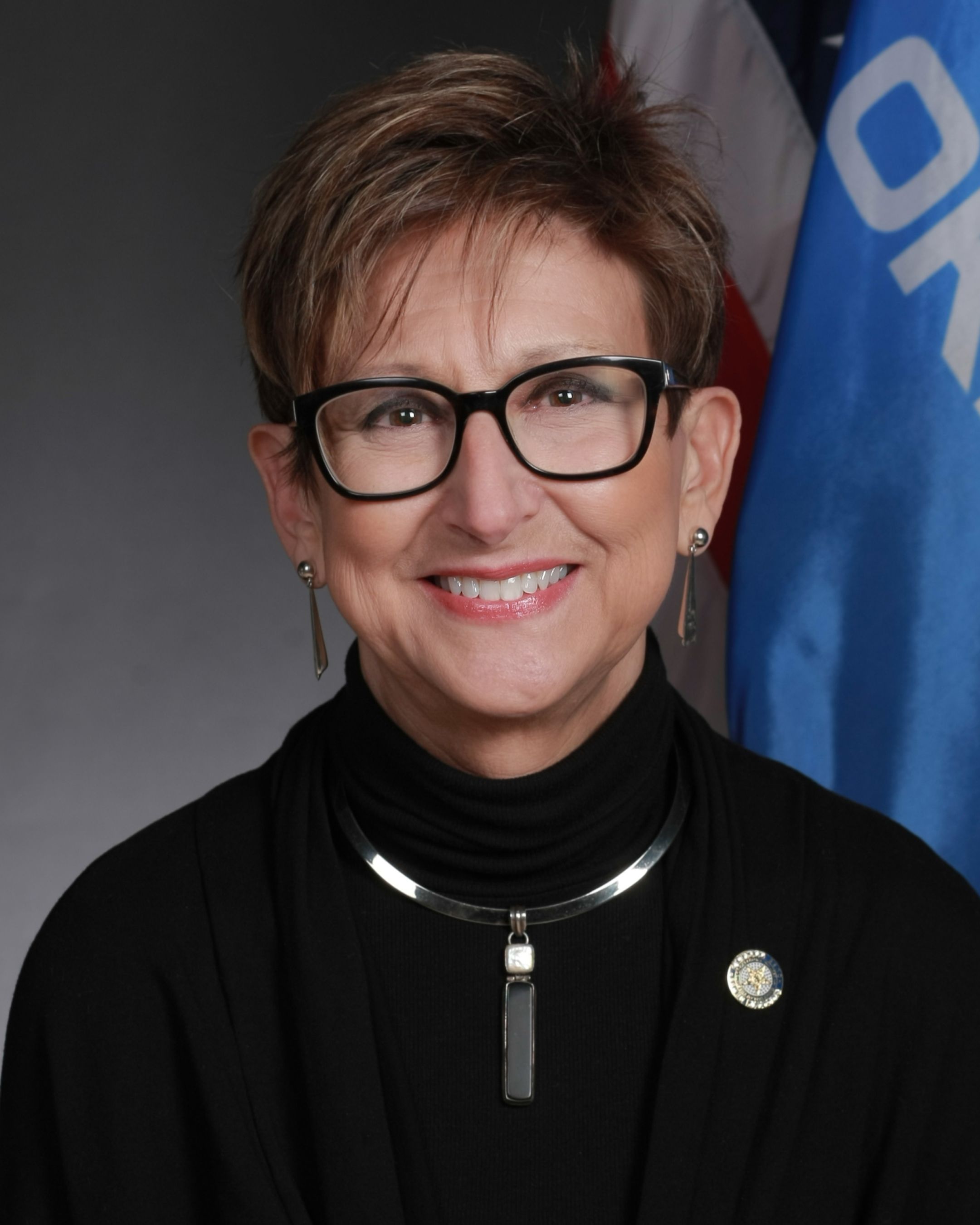
Mary Boren
100% support rate
Top opponent
Jim Shaw
0% support rate
Ranked legislators
10
5 support · 5 oppose
Key legislators

Who's moving renewable energy in Oklahoma

Legislators moving renewable energy in Oklahoma
Legislator Party Stance Support rate Votes
Mary Boren
Mary Boren Senate · District 16
D
Strong +
100% 7
Arturo Alonso
Arturo Alonso House · District 89
D
Strong +
100% 6
Mickey Dollens
Mickey Dollens House · District 93
D
Strong +
100% 6
Ellen Pogemiller
Ellen Pogemiller House · District 88
D
Strong +
100% 5
Meloyde Blancett
Meloyde Blancett House · District 78
D
Strong +
100% 5
Jim Shaw
Jim Shaw House · District 32
R
Strong −
0% 6
Jonathan Wilk
Jonathan Wilk House · District 20
R
Strong −
0% 6
Chris Banning
Chris Banning House · District 24
R
Strong −
0% 5
Clay Staires
Clay Staires House · District 66
R
Strong −
0% 5
Cody Maynard
Cody Maynard House · District 21
R
Strong −
0% 5
Showing 4 of 4 bills

All energy bills

in committee · Oklahoma · Senate Feb 3, 2026

SB 2124: Public utility; authorizing fish hatcheries to generate electricity behind the meter for on-site use. Effective date.

SB 2124 (2026) allows fish hatcheries operated by Oklahoma's Department of Wildlife Conservation to generate electricity on-site for their own use without being classified as public utilities under Oklahoma law. The bill exempts these hatcheries from public utility regulations (defined in Title 17, Section 151) if they meet specific requirements outlined in that section. This change directly affects state-run hatcheries seeking to offset their energy costs through self-generated power. The policy simplifies regulatory compliance for hatcheries using on-site renewable energy, effective November 1, 2026.
Sub-Topics Renewable Energy
in committee · Oklahoma · Senate Feb 4, 2025

SB 919: Commissioners of the Land Office; clarifying terms of agricultural and commercial leases; requiring value of real property leased by public entities to be accounted for in certain investment cap. Effective date.

SB 919 clarifies lease terms for Oklahoma's Land Office trust lands, defining "commercial leases" to include renewable energy projects and restricting agricultural leases to certain entities. It amends ownership rules to limit corporations, trusts, and LLCs from leasing agricultural land unless they meet strict criteria (e.g., 65% income from farming/minerals, member/owner restrictions). The bill also updates investment rules for public funds, removing exemptions for real property investments and requiring that the value of real property leased by public entities be excluded from the 5% investment cap. These changes directly affect land leaseholders, agricultural businesses, and the Land Office's management of public funds.
Sub-Topics Renewable Energy
failed · Oklahoma · House Apr 20, 2026

HB 2157: Renewable energy; stating legislative intent; creating the Oklahoma Agrivoltaics Act; emergency.

HB 2157 creates the Oklahoma Agrivoltaics Advisory Committee to coordinate renewable energy development with agriculture. The 17-member committee includes representatives from farming, ranching, tribal governments, renewable energy, and state agencies, tasked with advising on policies that support both industries. It requires the Corporation Commission to submit a 2026 report identifying existing tools, policy options, and research needs for siting renewable projects without harming farming, ranching, or forestry. A new revolving fund will support these efforts, with monies from public or private sources.
Sub-Topics Renewable Energy
in committee · Oklahoma · Senate Feb 17, 2026

SB 1285: Public Facilities Act; establishing certain requirements for certain construction. Effective date.

SB 1285 requires all new construction by Oklahoma state-funded entities (like agencies, universities, and career centers) to meet strict energy efficiency standards for heating, cooling, and building systems. It mandates minimum performance levels for heating systems (e.g., 90% efficiency for gas, banning electric resistance as primary heat), prioritizes geothermal systems, and requires life-cycle cost analysis over 25 years to select the most efficient options. The bill also requires integrated building control systems to monitor energy use and gives preference to licensed Oklahoma vendors and locally made HVAC equipment. These changes aim to reduce energy costs, promote renewable energy integration, and ensure state buildings meet verified efficiency benchmarks.