Issue · Education

Education

Every education bill, vote, and legislator stance in Oklahoma, automatically classified by Maddy, our AI policy reader.

Total bills
413
2026 Regular Session
Top supporter
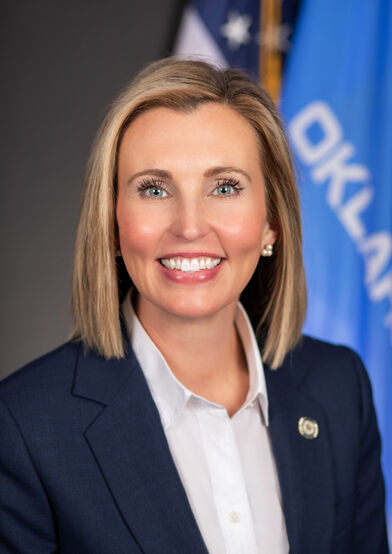
John Haste
92% support rate
Top opponent
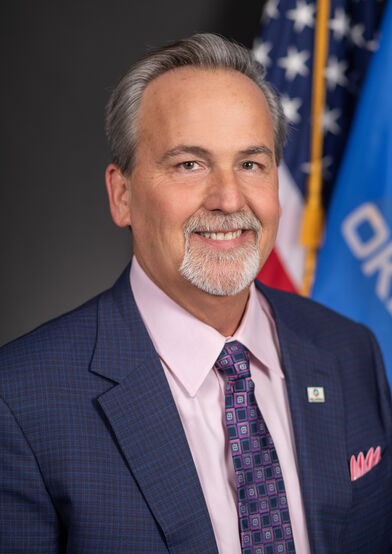
Tom Gann
27% support rate
Ranked legislators
10
5 support · 5 oppose
Key legislators

Who's moving education in Oklahoma

Legislators moving education in Oklahoma
Legislator Party Stance Support rate Votes
John Haste
John Haste Senate · District 36
R
Strong +
92% 162
Avery Frix
Avery Frix Senate · District 9
R
Strong +
91% 155
Kristen Thompson
Kristen Thompson Senate · District 22
R
Strong +
90% 177
Lonnie Paxton
Lonnie Paxton Senate · District 23
R
Strong +
90% 154
Bill Coleman
Bill Coleman Senate · District 10
R
Strong +
90% 174
Tom Gann
Tom Gann House · District 8
R
Oppose
27% 215
Molly Jenkins
Molly Jenkins House · District 33
R
Oppose
30% 238
Jim Shaw
Jim Shaw House · District 32
R
Oppose
33% 225
Rick West
Rick West House · District 3
R
Oppose
34% 204
Justin Humphrey
Justin Humphrey House · District 19
R
Oppose
35% 157
Showing 111–120 of 413 bills

All education bills

died · Oklahoma · House Feb 19, 2026

HB 4149: Strong Readers Act; references; legislative findings; declaring intent of the Legislature; reading screenings; reading deficiencies; parent notifications; State Department of Education; reading panel; alternate reading assessments; promotion to fourth grade; retaining third grade; good-cause exemptions; intensive reading instruction; intensive acceleration class; reporting requirements; teacher training requirements; eighth-grade reading level; driver license; remedial reading for driver licenses; alternative reading proficiency tests; motorcycle licenses; testing site requirements; documentation requirements; out of state test results; school enrollment, completion, or lawful excuse for minors to obtain a driver license; violations; alternate route to obtain driver license; employer fines; attendance officers; Department of Public Safety; license cancellation; definitions; exceptions; forms; effective date; emergency.

HB 4149, the Strong Readers Act, requires Oklahoma public schools to screen all kindergarten through third-grade students for reading proficiency three times yearly using state-approved tools. It prohibits the "three-cueing system" (meaning/structure/visual cues) in reading instruction and mandates evidence-based teaching methods focused on phonological awareness, decoding, fluency, vocabulary, and comprehension. Students who do not meet grade-level reading standards may be retained in third grade, with schools required to provide intensive reading instruction, notify parents, and establish acceleration classes for retained students. The law aims to ensure students achieve grade-level reading proficiency by the end of third grade through standardized assessments and targeted support.
died · Oklahoma · House Feb 6, 2026

HB 4288: Schools; authorizing the Department of Mental Health and Substance Abuse Services to create an alternative education pilot program for out-of-school suspended students; effective date.

HB 4288 authorizes Oklahoma's Department of Mental Health and Substance Abuse Services to create a pilot program offering alternative education for students suspended from school for more than 14 days. The program must include therapy and restorative practices in daily instruction, allowing students to continue participating after their suspension ends. School districts can develop reintegration plans to help students return to regular classes and activities, with up to 10% of annual alternative education funds designated for this pilot. The bill applies directly to suspended students and school districts, effective November 1, 2026.
in committee · Oklahoma · House Feb 3, 2026

HB 3023: Strong Readers Act; reading screenings; screening instruments; intervention plan implementation and reporting; Reading Proficiency Team; State Department of Education; benchmarks; literacy coaches; retention, tutoring, and re-screening options for first and second grade students; mandatory retention for third grade students who do not meet certain benchmarks; exceptions; tutoring and summer academy options; alternative placement teaching certificates; adjunct teachers; prohibitions; effective date; emergency.

HB 3023, the Strong Readers Act, requires annual reading screenings for all kindergarten through third-grade students in Oklahoma public schools to identify reading deficiencies. Students not meeting grade-level targets must receive tailored intervention plans within 15 days, including evidence-based instruction in phonological awareness, decoding, fluency, vocabulary, and comprehension. Third-grade students who do not meet benchmarks face mandatory retention unless they qualify for exceptions or participate in tutoring or summer academies. The bill mandates approved screening tools, weekly progress reporting to the State Department of Education, and exemptions for students with disabilities, English language learners, or those using Braille/sign language.
Sub-Topics K-12 Education
in committee · Oklahoma · House Feb 3, 2026

HB 3939: Appropriations; workforce development; effective date; emergency.

HB 3939 allocates $10 million from Oklahoma's General Revenue Fund to the Oklahoma Department of Commerce for workforce development programs in the Tulsa Metropolitan area. The funds will contract with a nonprofit focused on charitable and educational work to partner with schools and agencies, aiming to eliminate barriers to equitable opportunities and economic mobility for all students. The bill directs these programs to include workshops and initiatives specifically targeting student access to economic advancement. It becomes effective July 1, 2026.
died · Oklahoma · House Feb 19, 2026

HB 4158: Higher education; Oklahoma Tuition Equalization Grant; increasing income cap; effective date; emergency.

HB 4158 increases the income threshold for Oklahoma Tuition Equalization Grants from $50,000 to $80,000 annually for students' parents (or $80,000 for independent students). This change directly affects Oklahoma residents whose family income previously exceeded $50,000 but now qualifies them for the $2,000 annual grant. The bill amends existing eligibility rules under Section 2632 of Oklahoma law, maintaining other requirements like full-time enrollment and institutional accreditation. It takes effect July 1, 2026, with emergency status.
in committee · Oklahoma · House Feb 3, 2026

HB 3956: Higher education; waiver of tuition and fees for permanently disabled veterans; effective date; emergency.

HB 3956 waives tuition and fees at Oklahoma public colleges and universities for veterans who were honorably discharged and certified by the U.S. Department of Veterans Affairs with a 100% permanent disability directly related to military service (including injury, accident, or disease incurred during active duty). The bill requires VA certification of the disability as the sole eligibility criterion. It takes effect July 1, 2026, and is designated as an emergency measure. This policy change directly affects qualifying veterans seeking higher education within Oklahoma's public system, removing financial barriers for this specific group.
in committee · Oklahoma · House Feb 3, 2026

HB 3009: Schools; Oklahoma Parental Choice Tax Credit Program; credit amount; notice; effective date; emergency.

HB 3009 amends Oklahoma's Parental Choice Tax Credit Program to increase and adjust tax credits for families using private schools or alternative education. It sets income-based credit limits: up to $7,500 annually for households earning under $75,000, decreasing to $5,000 for those earning over $250,000. The credit covers qualified expenses like private school tuition, tutoring, textbooks, and standardized test fees for eligible students (Oklahoma residents in accredited private schools or alternative education programs). Taxpayers must submit receipts to claim the credit, which applies to tax years 2024 and beyond. The bill directly affects Oklahoma parents, guardians, and students enrolled in qualifying educational settings.
died · Oklahoma · House Feb 10, 2026

HB 3677: Schools; Oklahoma Parental Choice Tax Credit Program; Oklahoma Tax Commission; website; effective date.

HB 3677 amends Oklahoma's Parental Choice Tax Credit Program to expand tax credits for families using private education. It directly affects Oklahoma taxpayers with eligible students attending accredited private schools or certain alternative education programs. The bill establishes income-based credit amounts (ranging from $5,000 to $7,500 annually), covers tuition, tutoring, materials, and assessments, and adds special provisions for schools serving homeless students or financially disadvantaged students. The Oklahoma Tax Commission must publish monthly updates on the program via its website, with the changes effective for tax year 2024 and beyond.
in committee · Oklahoma · Senate Feb 3, 2026

SB 2070: Charter schools; adding requirements to charter school application; requiring annual oversight and performance review. Effective date. Emergency.

SB 2070 strengthens oversight of Oklahoma charter schools by adding detailed requirements for new applications and annual performance reviews. It mandates 10 hours of state-approved training for applicants and sponsors before submitting applications, and requires 34 specific items in applications - including financial plans, academic alignment, disability support plans, and organizational charts. The bill also requires sponsors to conduct annual performance reviews, post summaries on their websites, and include specific data in reports to the Statewide Charter School Board. These changes directly affect charter school applicants, sponsors, and governing boards by increasing transparency and accountability in school operations.
Sub-Topics School Choice
in committee · Oklahoma · Senate Feb 3, 2026

SB 1811: School Safety and Bullying Prevention Act; requiring certain policies relating to discipline and bullying. Effective date. Emergency.

SB 1811, the School Safety and Bullying Prevention Act, requires Oklahoma school districts to adopt detailed policies addressing bullying and discipline. These policies must include procedures for reporting bullying (including anonymous options, with no disciplinary action based solely on anonymous reports), prohibit zero-tolerance disciplinary approaches, and explicitly recognize students' right to use reasonable physical force for self-defense or to protect others from bullying. The bill also mandates annual policy notices to parents and students, staff training on bullying prevention, and referrals to support programs for both victims and perpetrators.
Showing 111 to 120 of 413 bills
Previous 1 11 12 13 42 Next