Issue · Criminal Justice

Criminal Justice (Probation & Parole)

Every criminal justice bill, vote, and legislator stance in Oklahoma, automatically classified by Maddy, our AI policy reader.

Total bills
34
2026 Regular Session
Top supporter
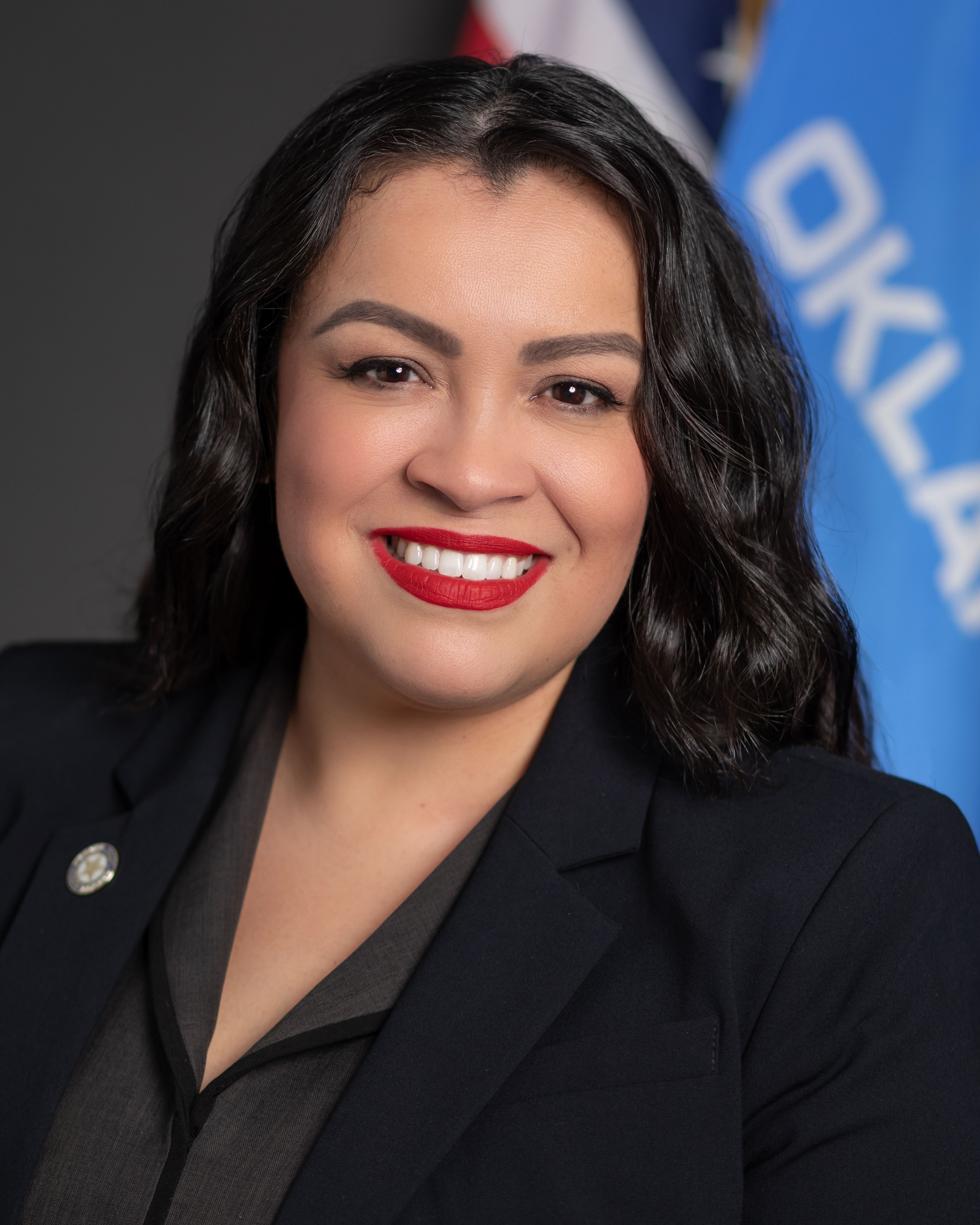
Annie Menz
100% support rate
Top opponent
Jay Steagall
0% support rate
Ranked legislators
10
5 support · 5 oppose
Key legislators

Who's moving probation & parole in Oklahoma

Legislators moving probation & parole in Oklahoma
Legislator Party Stance Support rate Votes
Annie Menz
Annie Menz House · District 45
D
Strong +
100% 6
Meloyde Blancett
Meloyde Blancett House · District 78
D
Strong +
100% 6
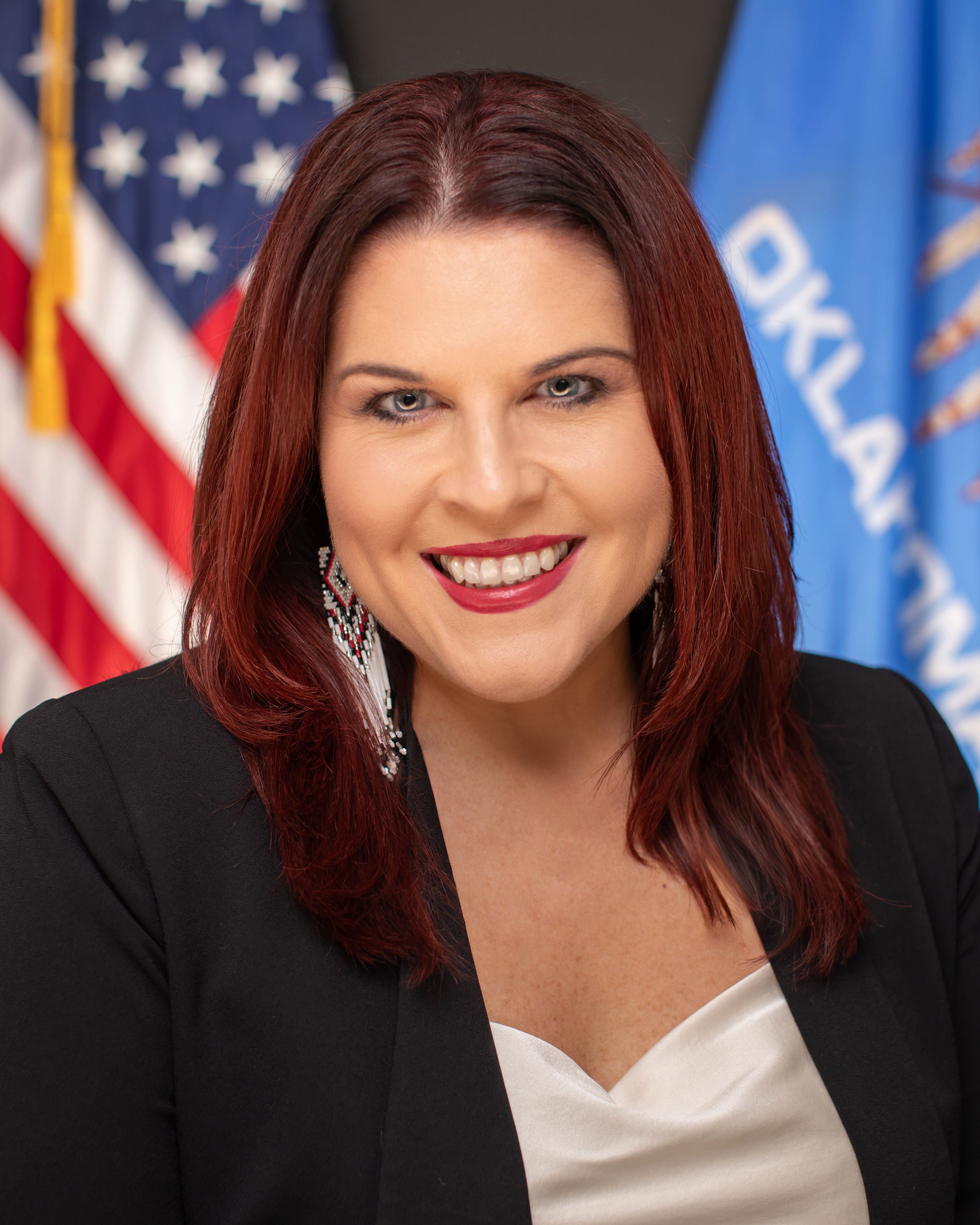
Amanda Clinton
Amanda Clinton House · District 71
D
Strong +
100% 5
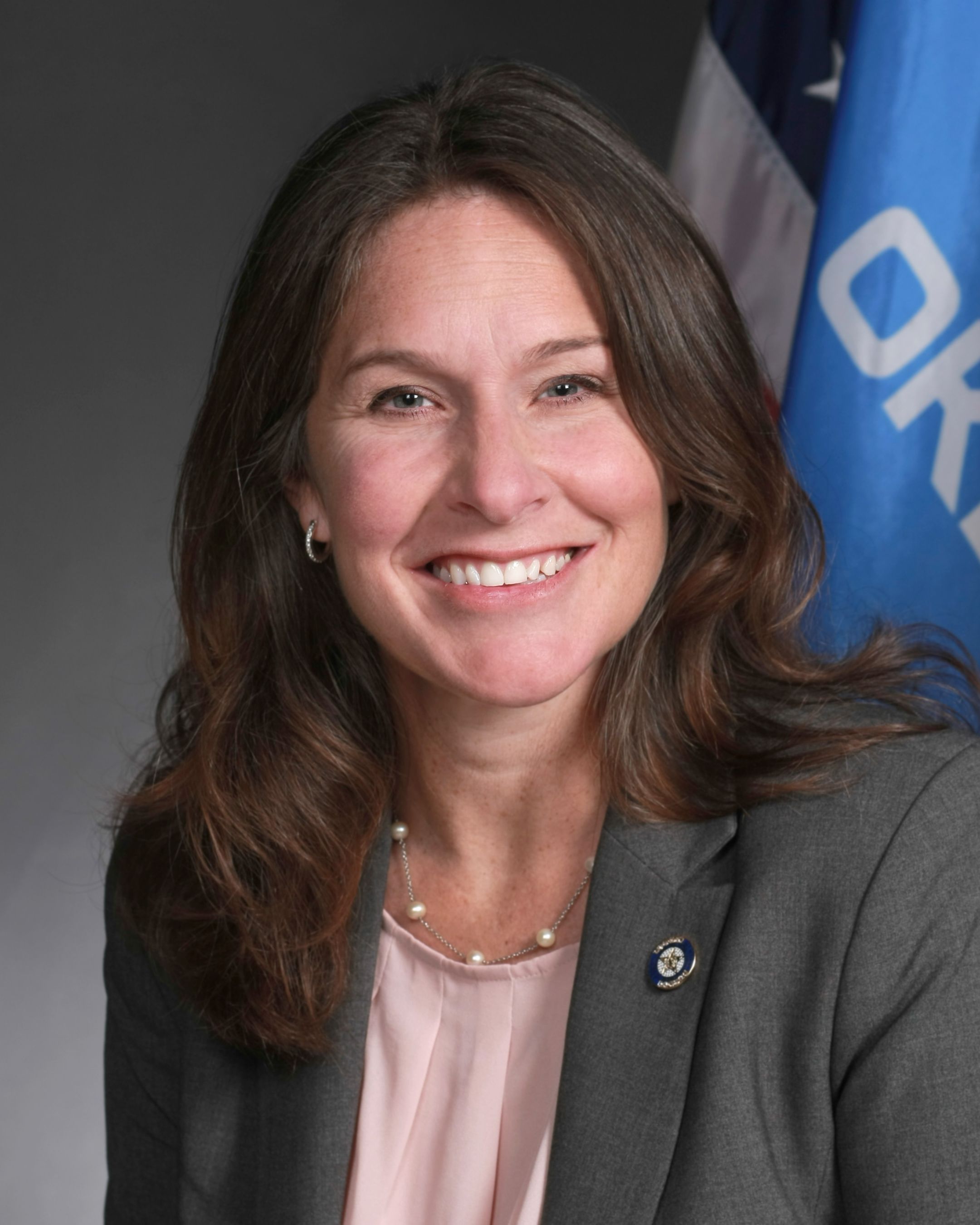
Melissa Provenzano
Melissa Provenzano House · District 79
D
Strong +
88% 8
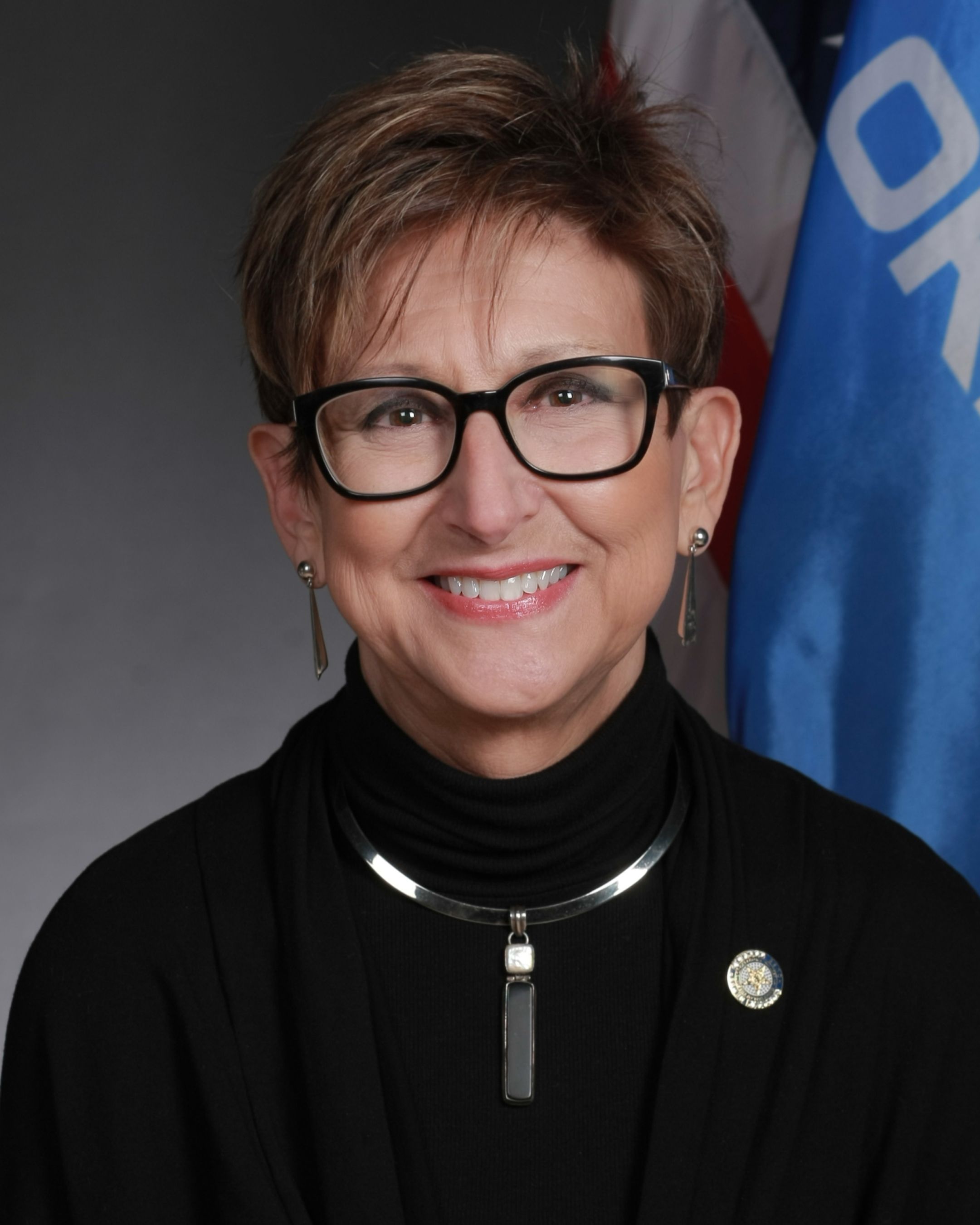
Michael Brooks
Michael Brooks Senate · District 44
D
Strong +
87% 15
Jay Steagall
Jay Steagall House · District 43
R
Strong −
0% 5
Dusty Deevers
Dusty Deevers Senate · District 32
R
Strong −
0% 4
Brent Howard
Brent Howard Senate · District 38
R
Strong −
10% 10
Todd Gollihare
Todd Gollihare Senate · District 12
R
Strong −
10% 10
Paul Rosino
Paul Rosino Senate · District 45
R
Strong −
11% 9
Showing 1–10 of 34 bills

All criminal justice bills

in committee · Oklahoma · House Mar 3, 2026

HB 3053: Parole; creating the Oklahoma Elder Parole Eligibility Act; directing the Pardon and Parole Board to grant parole to certain inmates; codification; effective date.

HB 3053, the "Oklahoma Elder Parole Eligibility Act," requires the Pardon and Parole Board to grant parole to Oklahoma inmates aged 65 or older who meet specific criteria, including no serious disciplinary infractions in the past 36 months and completion of required correctional programs. The Department of Corrections must automatically review eligible inmates, certify their compliance with these criteria, and provide documentation to the Board, which must then grant parole without discretion. Exclusions apply for inmates serving life without parole, those convicted of offenses where parole is statutorily prohibited, or those posing a documented imminent threat of harm (supported by recent medical/psychological evidence). Paroled inmates will face standard parole conditions, age-appropriate supervision, and any necessary medical or treatment plans. The law takes effect November 1, 2026.
in committee · Oklahoma · House Feb 3, 2026

HB 3966: Wrongful convictions; providing for retroactive application of wrongful conviction claims; effective date.

HB 3966 allows Oklahoma residents wrongfully convicted of felonies and later cleared through a governor's pardon or court order finding actual innocence to receive compensation. The bill calculates payments as $50,000 for each full year served in prison, with additional $50,000 per year for time spent on death row and $25,000 per year for parole or probation time. Compensation is capped at $1 million paid as a lump sum, or in annual installments over three years for larger awards. This retroactive law applies to all wrongful convictions resulting in imprisonment since 1975, with claims requiring documented evidence of innocence from the governor or court.
in committee · Oklahoma · Senate Feb 26, 2026

SB 2151: Crimes and punishments; authorizing lower minimum imprisonment requirement for certain offenses. Effective date.

SB 2151 changes Oklahoma's sentencing requirements for 23 specific serious offenses, including murder, rape, child sexual abuse, trafficking, and violent crimes. It lowers the mandatory minimum sentence portion from 85% to 65% for convicted individuals in these cases if the district attorney files a notice before sentencing. This means defendants could become parole-eligible after serving 65% of their sentence instead of 85%, but only when the DA chooses to file the notice. The bill repeals prior versions of the same sentencing rule and takes effect November 1, 2026.
vetoed · Oklahoma · House May 6, 2026

HB 4324: Criminal procedure; authorizing district attorneys to adjust sentences; effective date.

HB 4324 allows Oklahoma district attorneys to request sentence adjustments for certain offenders at any time after sentencing, provided they do not seek to increase confinement or supervision periods. The bill requires district attorneys to seek victim input and provide written notice to victims before filing such requests, and courts must consider rehabilitation progress, changed circumstances, and victim testimony when reviewing adjustments. It specifically applies to offenders serving life without parole for non-violent crimes (after 10+ years), drug-related sentences, and others, while excluding death sentences, life without parole for violent crimes, and sex offender registration cases. The law aims to create a structured process for modifying sentences based on updated information, with victims having a formal role in the review.
in committee · Oklahoma · House Feb 3, 2026

HB 3854: Confidential records; prescribing right of victims to confidentiality of crime scene and autopsy photographs; codification; effective date.

HB 3854 (2026) ensures victims and their families have confidentiality rights regarding crime scene and autopsy photographs used in clemency hearings before Oklahoma's Pardon and Parole Board. The bill requires these specific photographs to be submitted in a separate hearing packet, not made public, and adds them explicitly to the list of protected records under Oklahoma's open records law. This directly affects victims/families seeking privacy for sensitive materials and the Pardon and Parole Board handling clemency cases. The law amends 51 O.S. § 24A.5 to include "crime scene and autopsy photographs of victims" as exempt from public disclosure.
Sub-Topics Probation & Parole
in committee · Oklahoma · House Feb 12, 2026

HB 3850: Prisons and reformatories; directing the Department of Corrections to fund program for inmates to obtain high school equivalency diplomas; effective date.

HB 3850 requires Oklahoma's Department of Corrections to fully fund a program enabling all state prison inmates to earn high school equivalency diplomas (like a GED) before release, removing prior financial hardship exemptions. It mandates that the department assess each inmate's educational needs upon intake, prioritize those with basic literacy gaps or nearing release dates, and link program completion to parole eligibility. Inmates refusing recommended education programs lose earned credits and face parole eligibility risks. The law applies broadly to all inmates except those documented as incapable of benefiting from education. It takes effect November 1, 2026.
in committee · Oklahoma · House Feb 3, 2026

HB 3201: Prisons and reformatories; directing the Pardon and Parole Board to establish Conviction Integrity Review Unit; stating purpose of the Unit; codification; effective date.

HB 3201 creates a Conviction Integrity Review Unit within Oklahoma's Pardon and Parole Board to review death penalty convictions. It directly affects inmates sentenced to death who submit petitions containing new evidence suggesting they are factually innocent, after their appeals have concluded. The Unit, staffed by at least two licensed attorneys (with criminal prosecution or defense experience), an investigator, and a paralegal, must investigate these claims and report findings to the Board and relevant parties. The bill requires new evidence not previously presented and capable of resolution, focusing on correcting potential wrongful convictions in capital cases.
Sub-Topics Probation & Parole
died · Oklahoma · House Feb 6, 2026

HB 3351: Pardon and Parole Board; increasing compensation for members of the Board; and providing an effective date.

HB 3351 increases annual compensation for Oklahoma's Pardon and Parole Board members and establishes attendance requirements tied to pay. The bill sets the Board Chair's annual pay at $24,800 (split into $400 for meeting prep and $1,667 for monthly meetings) and members' pay at $22,800 (split into $400 prep and $1,500 per meeting). Members who miss meetings without justification lose their monthly compensation, and missing two or more meetings may lead to removal proceedings. This directly affects the Board members, who are appointed to review parole and pardon cases.
Sub-Topics Probation & Parole
in committee · Oklahoma · House Feb 3, 2026

HB 3352: Pardon and parole; updating language; effective date.

HB 3352 updates Oklahoma's pardon and parole procedures by revising statutory language and adding new requirements. It creates an accelerated commutation process for individuals convicted of crimes reclassified from felonies to misdemeanors, requiring the Pardon and Parole Board to prioritize these cases. The bill mandates extended notification timelines (20 business days) for victims, district attorneys, and the Attorney General before decisions, and requires the Board to provide detailed annual reports to the Legislature on approval rates and public input. These changes apply directly to the Pardon and Parole Board, inmates seeking commutation or pardon, and crime victims.
Sub-Topics Probation & Parole
died · Oklahoma · House Feb 16, 2026

HB 3651: Prisons and reformatories; authorizing the Director of the Oklahoma Department of Corrections to supervise certain probationers and parolees; effective date.

HB 3651 would authorize the Director of the Oklahoma Department of Corrections to supervise certain probationers and parolees. This change would directly affect individuals on probation or parole who fall under the Director’s supervision, as well as the Department of Corrections in its management of community supervision. The bill amends state law to add this new authority to the Director’s existing duties, expanding their role beyond prison operations. The bill is currently under review in the Judiciary and Public Safety Oversight committee after its introduction.
Showing 1 to 10 of 34 bills
1 2 3 4 Next