Issue · Criminal Justice

Criminal Justice (Violent Crime)

Every criminal justice bill, vote, and legislator stance in Oklahoma, automatically classified by Maddy, our AI policy reader.

Total bills
22
2026 Regular Session
Top supporter
Michelle McCane
100% support rate
Top opponent
Chuck Hall
0% support rate
Ranked legislators
10
5 support · 5 oppose
Key legislators

Who's moving violent crime in Oklahoma

Legislators moving violent crime in Oklahoma
Legislator Party Stance Support rate Votes
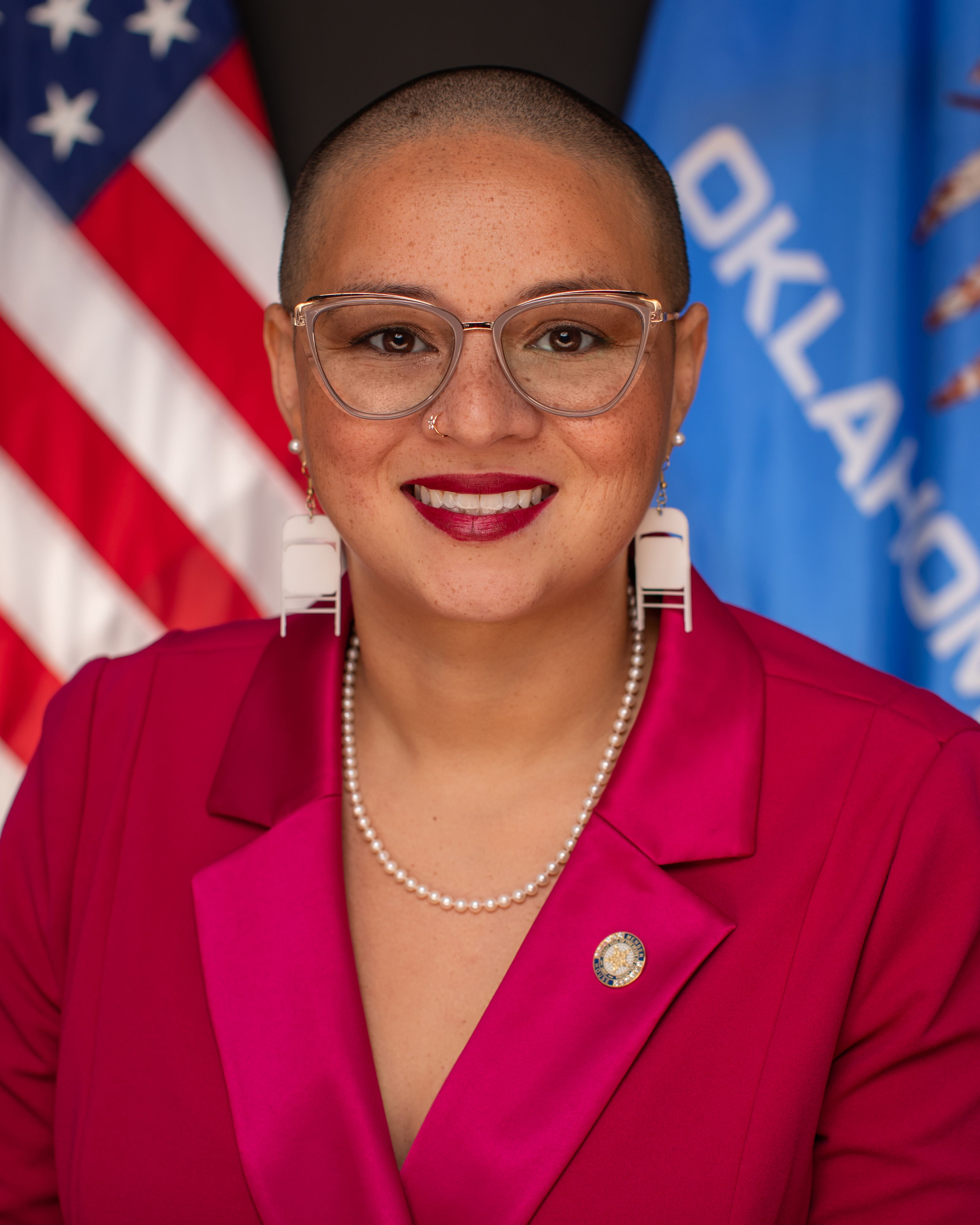
Michelle McCane
Michelle McCane House · District 72
D
Strong +
100% 4
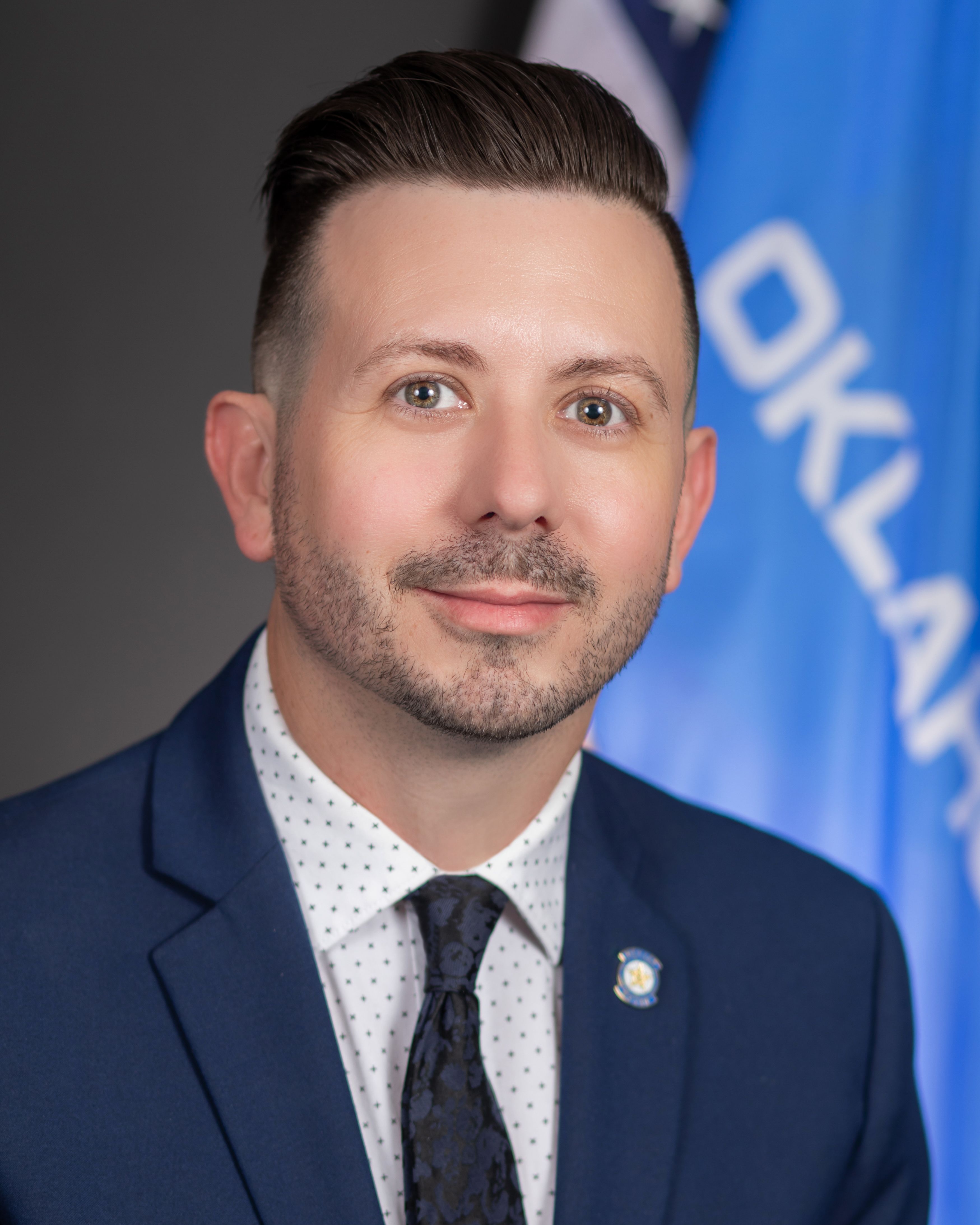
Arturo Alonso
Arturo Alonso House · District 89
D
Strong +
80% 5
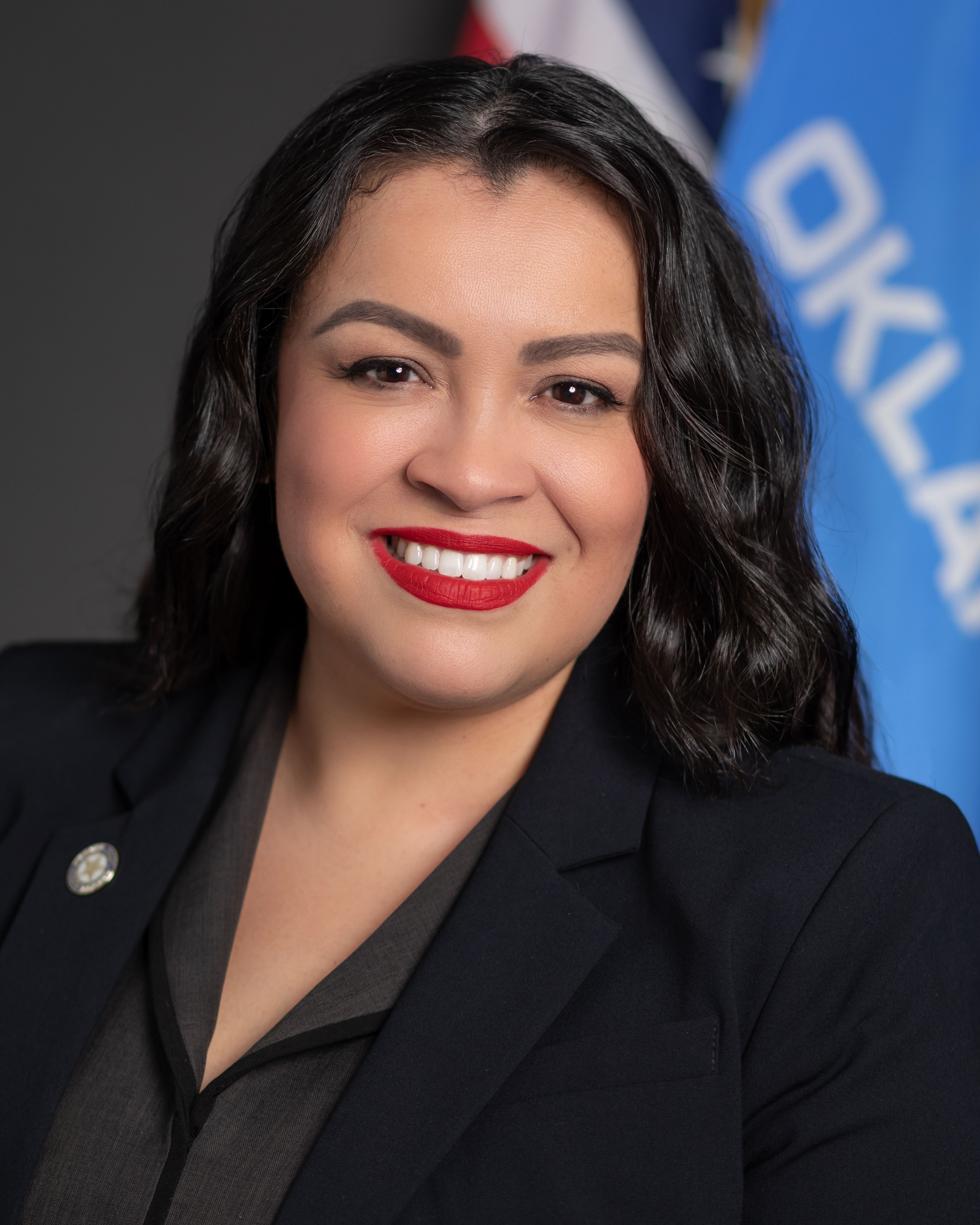
Jared Deck
Jared Deck House · District 44
D
Strong +
80% 5
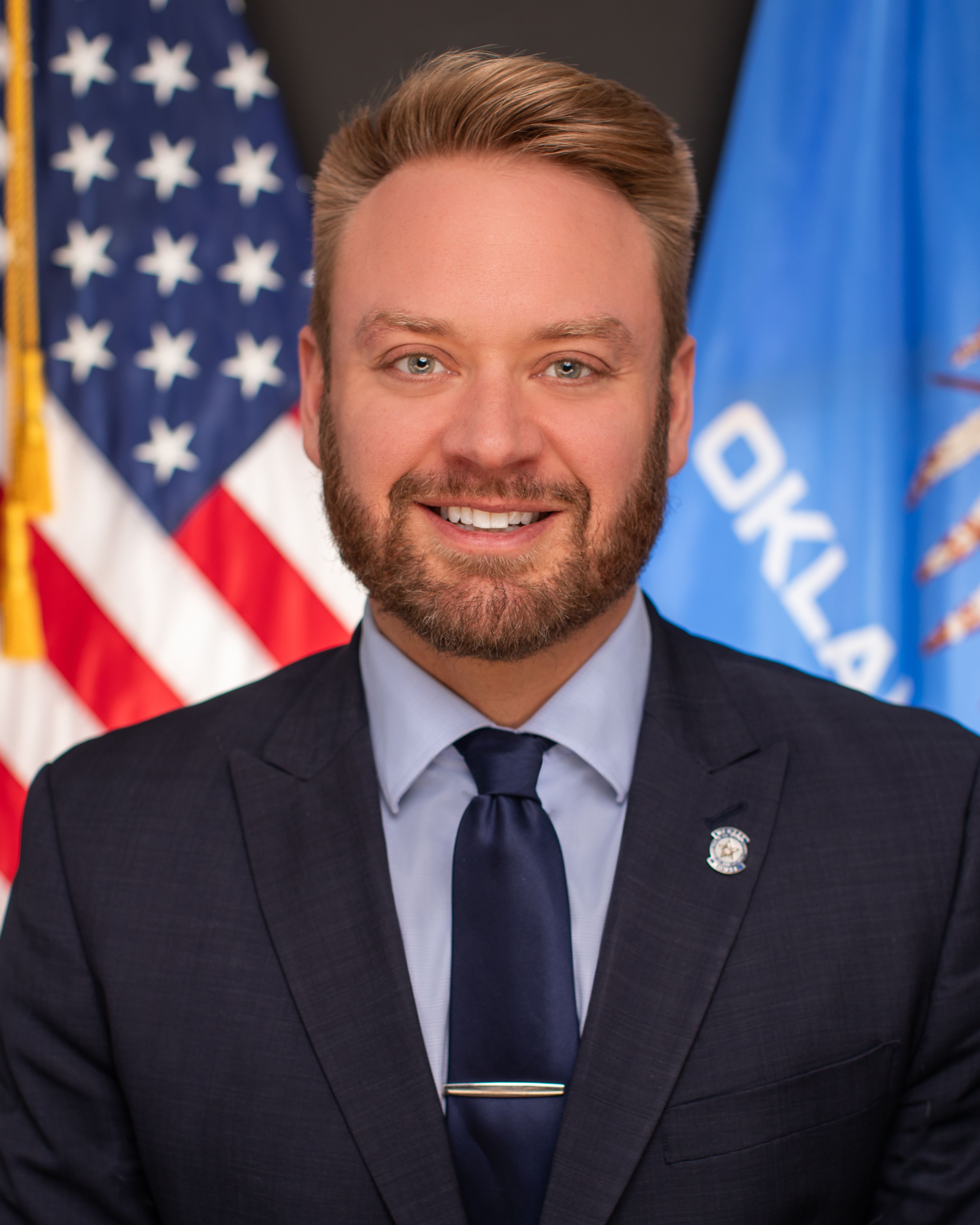
Annie Menz
Annie Menz House · District 45
D
Support
75% 4
Mickey Dollens
Mickey Dollens House · District 93
D
Support
75% 4
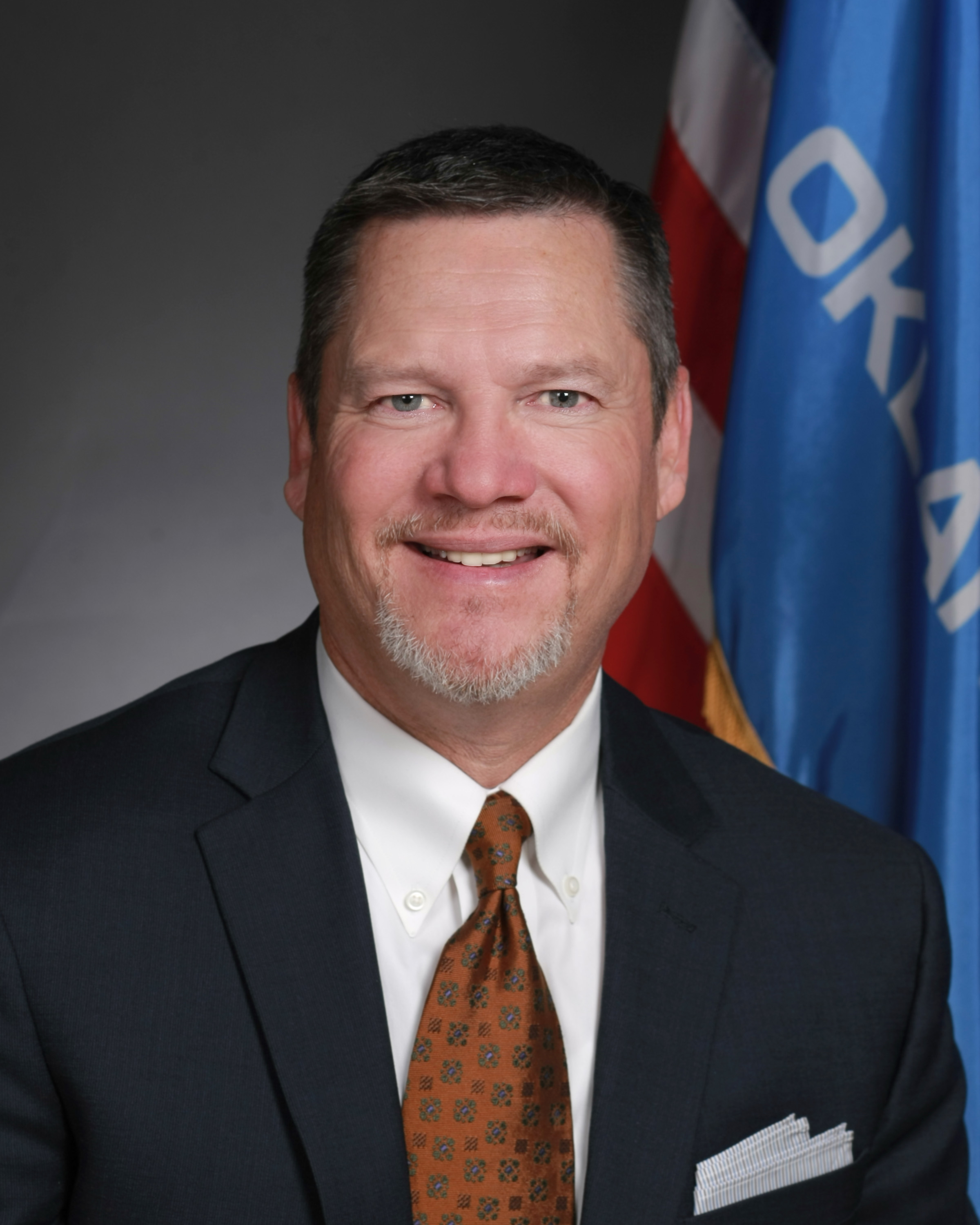
Chuck Hall
Chuck Hall Senate · District 20
R
Strong −
0% 11
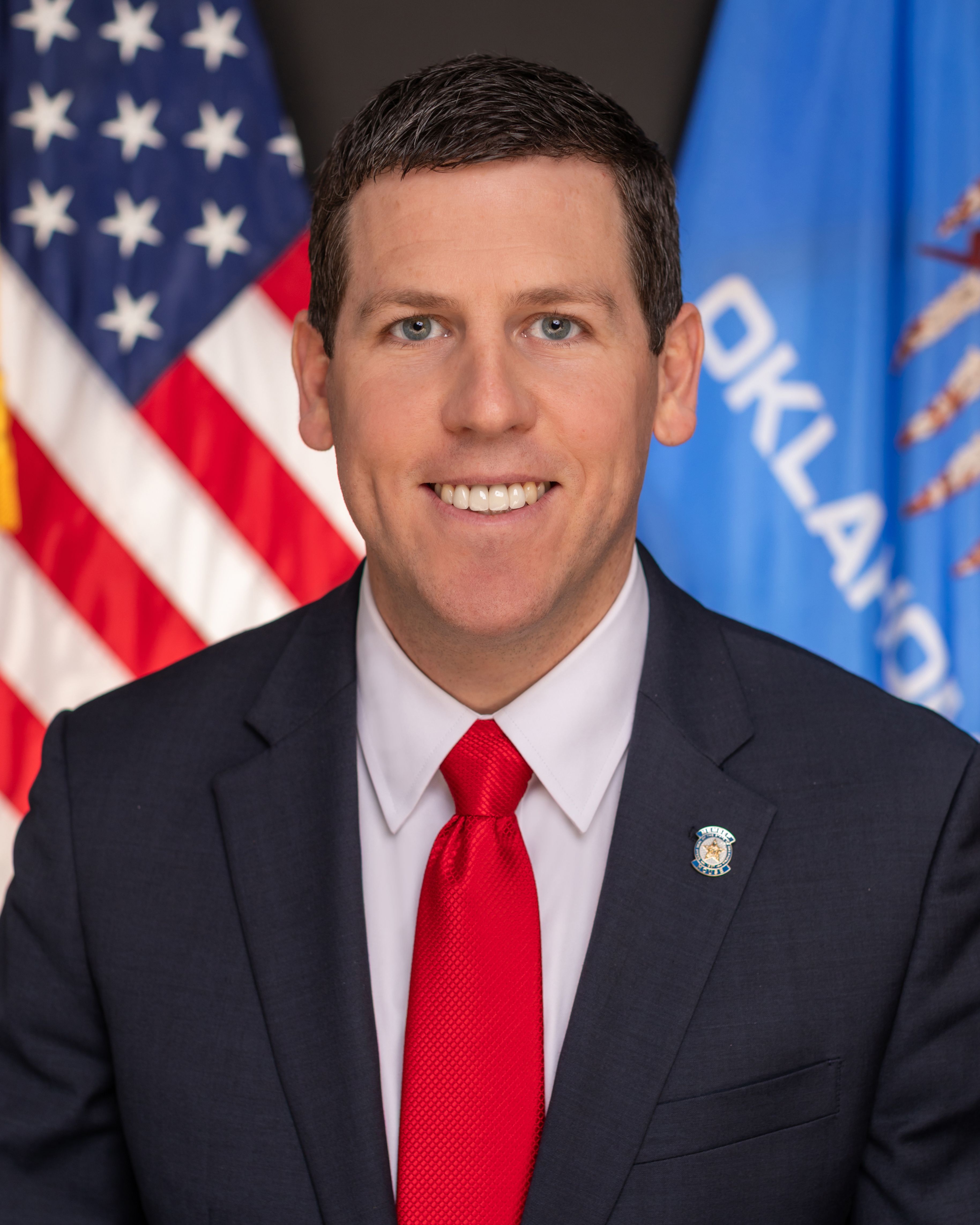
Rob Hall
Rob Hall House · District 67
R
Strong −
0% 11
Robert Manger
Robert Manger House · District 101
R
Strong −
0% 9
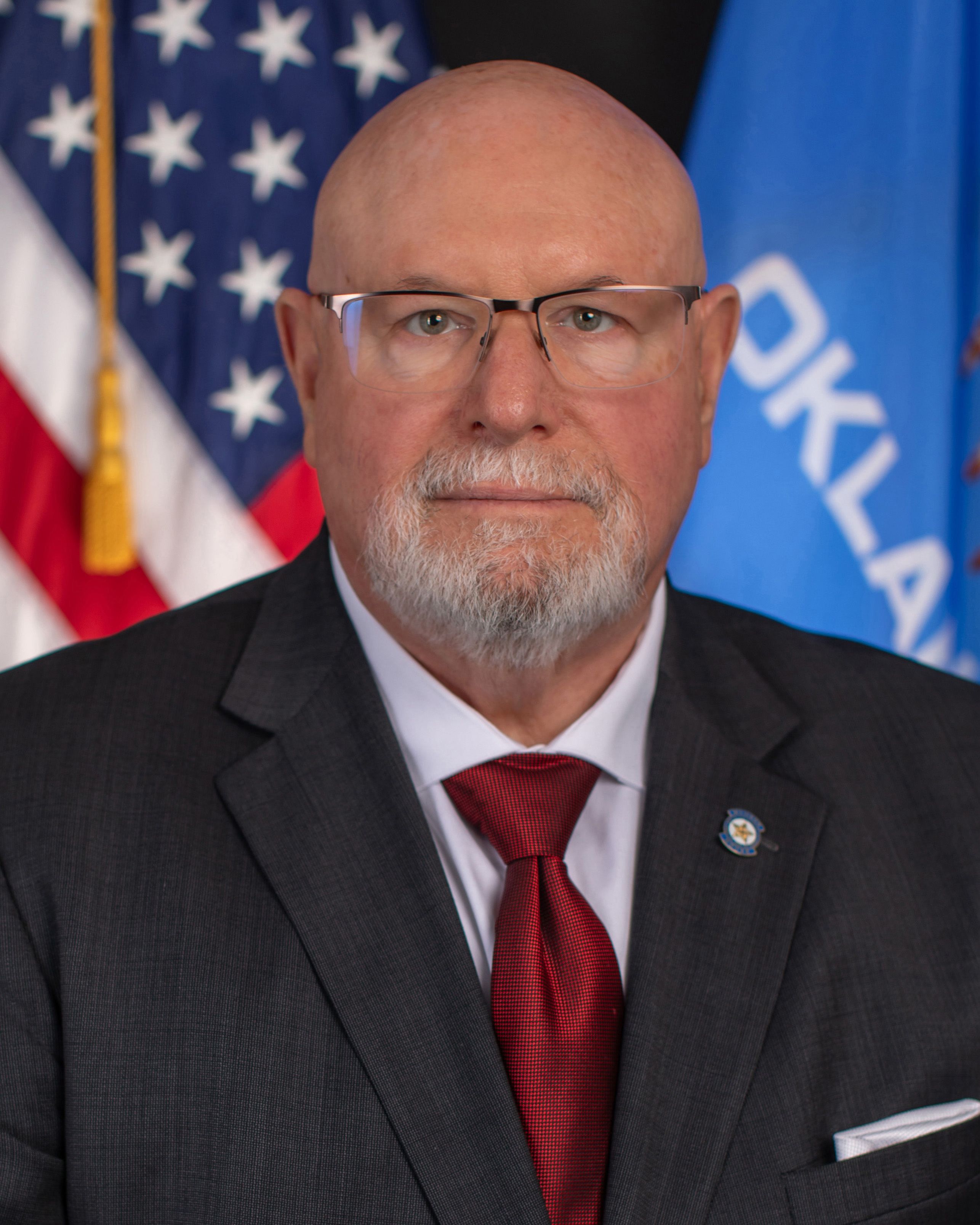
David Hardin
David Hardin House · District 86
R
Strong −
0% 8
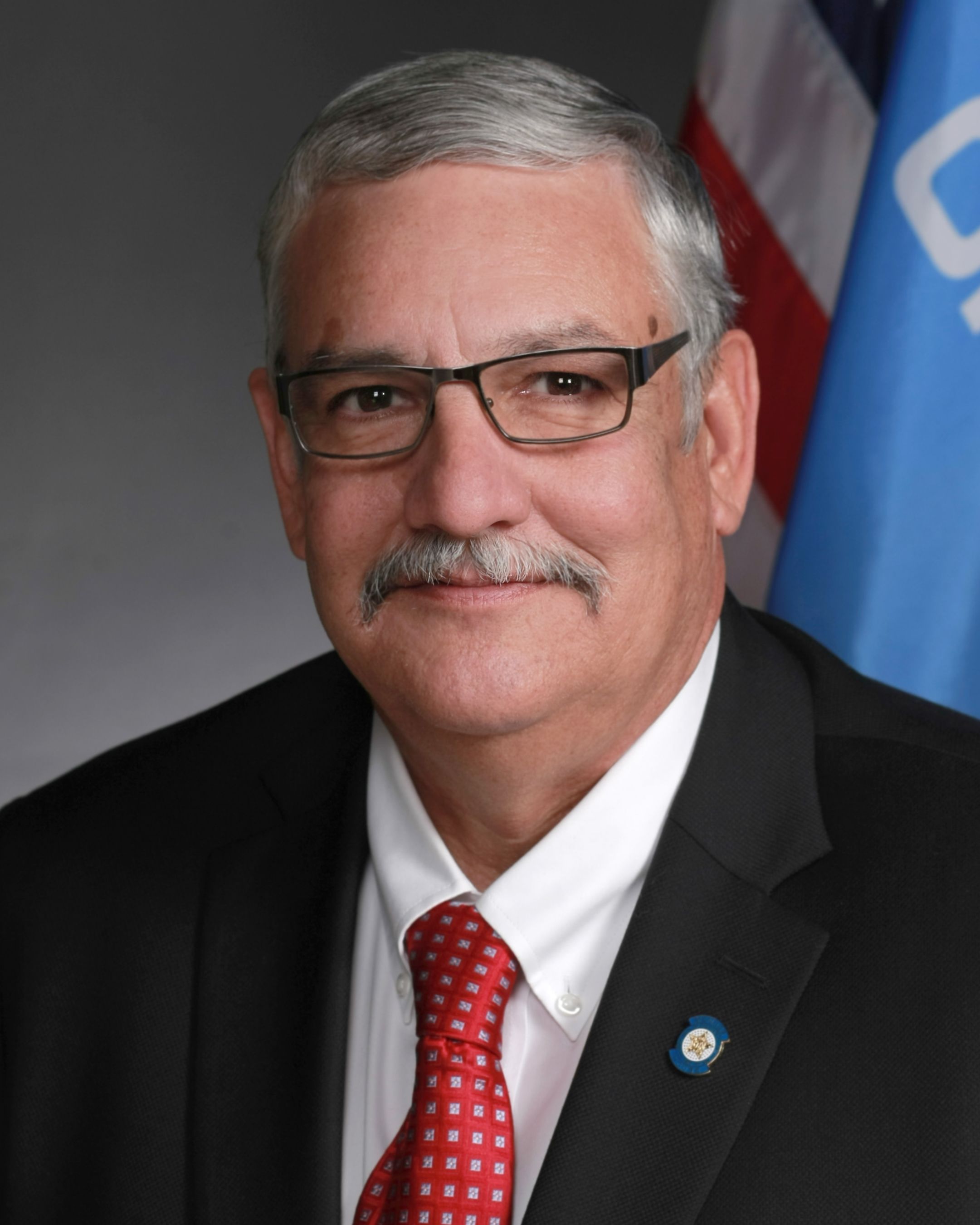
Erick Harris
Erick Harris House · District 39
R
Strong −
0% 8
Showing 1–10 of 22 bills

All criminal justice bills

in committee · Oklahoma · House Feb 3, 2026

HB 3330: Crimes and punishments; creating the Oklahoma Assault and Battery Penalties Act of 2026; effective date.

HB 3330, titled the "Oklahoma Assault and Battery Penalties Act of 2026," creates a new framework for sentencing in assault and battery cases. It establishes specific penalties for these offenses but is not intended to be codified in Oklahoma Statutes. The bill will take effect on November 1, 2026, and directly affects individuals charged with assault or battery crimes in Oklahoma. The bill text does not specify the exact penalty changes, only that it creates a new penalty structure for these offenses.
in committee · Oklahoma · House Feb 3, 2026

HB 3038: Abortion; Abolition of Abortion Act; purpose; enforcement; wrongful death; victim of an unborn child; homicide; exceptions; emergency.

HB 3038, titled the "Abolition of Abortion Act," reclassifies abortion as homicide under Oklahoma law, making it a criminal offense punishable by the same legal standards applied to harm against born individuals. It directly affects pregnant people, healthcare providers performing abortions, and families seeking wrongful death claims related to abortions. Key provisions include removing existing exceptions allowing abortion, requiring documented informed consent, and amending wrongful death laws to permit lawsuits when abortions occur under specific circumstances like coercion, lack of consent, or medical negligence. Exceptions cover life-saving procedures for the mother (with reasonable efforts to save the fetus) and spontaneous miscarriages.
in committee · Oklahoma · Senate Feb 10, 2026

SB 1820: Duels; modifying elements of certain offense; establishing certain guidelines for consent as affirmative defense. Effective date.

SB 1820 amends Oklahoma law to classify dueling with deadly weapons as a Class C1 felony punishable by imprisonment. It also creates a new defense for assault charges (under Sections 644/647 of Title 21) where a defendant claims the victim consented to non-serious conduct that posed a recognized risk in the victim's occupation, medical treatment, or scientific research. This defense does not apply if the conduct was related to gang membership. The bill becomes effective November 1, 2026, and defines "serious bodily injury" as harm creating a substantial risk of death or permanent disfigurement.
Sub-Topics Violent Crime
in committee · Oklahoma · House Feb 3, 2026

HB 3203: Crimes and punishments; making certain acts unlawful; effective date.

HB 3203 amends Oklahoma's assault and battery laws to specifically address medical treatment without consent. It defines "aggravated assault and battery" in Section 646 when medical professionals administer treatment causing injury or distress without informed consent, fail to explain risks, or ignore a patient's refusal. Violating these medical consent provisions becomes a Class B5 felony under Section 647, carrying up to four years in prison or a $5,000 fine - stricter than standard aggravated assault penalties. The bill directly affects healthcare providers performing treatments and patients who experience unauthorized medical interventions. It clarifies "informed consent" as a process requiring clear information about treatment risks and benefits.
signed · Oklahoma · Senate May 13, 2026

SB 2011: Assault and battery; modifying scope of certain offenses. Effective date.

SB 2011 expands Oklahoma's Class B5 criminal offense classification by adding 37 specific crimes, including domestic violence against intimate partners, assaults on police officers, stalking, and certain animal cruelty acts. This change affects individuals convicted of these offenses by subjecting them to the more severe penalties associated with Class B5, a higher-level criminal classification. The bill also updates statutory references to ensure consistency in the law. Introduced in the 2026 Oklahoma Legislature, it was referred to the Judiciary Committee.
in committee · Oklahoma · House Feb 4, 2025

HB 1306: Crimes and punishments; expanding scope of certain unlawful acts; effective date.

HB 1306 expands penalties for adults who encourage minors to join criminal gangs or foreign terrorist organizations. It makes it a felony to recruit, solicit, or encourage minors to participate in gang activities, with penalties including up to 5 years in prison for first offenses and 5-10 years for repeat violations. The bill also defines "criminal street gangs" as groups of five or more committing specific crimes (like robbery, drug trafficking, or violence) and reclassifies gang-related offenses as public nuisances. This directly affects adults who facilitate minor runaways or gang involvement, and gang members committing the enumerated crimes.
in committee · Oklahoma · Senate Mar 6, 2025

SB 1100: Assault and battery; requiring certain assessment; authorizing certain alternative programs. Effective date.

SB 1100 amends Oklahoma's domestic abuse sentencing laws to increase penalties for assaults against intimate partners or family members, including longer prison terms for repeat offenses and specific provisions for cases involving pregnant victims. The bill requires courts to mandate court-ordered assessments and participation in certified batterers' intervention programs (minimum 52 weeks) or alternative programs (minimum 26 weeks) as a condition of suspended or deferred sentences for domestic abuse convictions. Defendants must complete these programs, with three consecutive or seven total unexcused absences serving as evidence for probation revocation. The law directly affects individuals convicted of domestic abuse, courts managing these cases, and certified domestic violence program providers overseeing the required treatment.
passed · Oklahoma · House Apr 1, 2025

HB 1362: Crimes and punishments; unlawful immigration; making certain acts unlawful; penalties; emergency.

HB 1362 makes it a crime for non-U.S. citizens (defined as "aliens") to enter or remain in Oklahoma without legal authorization to be in the United States. First offenses are misdemeanors punishable by up to one year in jail or a $500 fine; second offenses or offenses committed during other crimes are felonies punishable by up to two years in prison or a $1,000 fine. The law requires convicted individuals to leave Oklahoma within 72 hours and mandates law enforcement to collect biometric data and check federal databases. It also preempts local governments from enacting conflicting immigration policies and creates an alternative to prison: if conditions are met (no prior violent crime, not charged with another felony), courts can order deportation instead of incarceration.
signed · Oklahoma · House May 30, 2025

HB 2104: Classification of felony offenses; designating classification for certain offenses; effective date.

HB 2104 reclassifies specific existing criminal offenses as felonies under Oklahoma law. It amends multiple statutes to establish felony classification for crimes including murder (first/second degree), kidnapping, child abuse, robbery, assault with a weapon, drug trafficking, and certain sex offenses. The bill does not create new crimes but changes the legal classification of these specific offenses from lower-level violations to felonies. This reclassification affects the severity of penalties for these offenses under Oklahoma's criminal code, with the law taking effect on June 10, 2025.
Sub-Topics Violent Crime
in committee · Oklahoma · House Feb 4, 2025

HB 1625: Crimes and punishments; modifying scope of crime to include strangulation; effective date.

HB 1625 amends Oklahoma's law defining aggravated assault on law enforcement officers to explicitly include strangulation as a criminal act. The bill expands the felony assault definition to cover any act causing asphyxia through neck pressure or closing air passages (e.g., choking), directly affecting police officers, sheriffs, deputies, highway patrol officers, corrections personnel, and state peace officers. This change makes strangulation during an assault on these officers a separate felony offense with penalties of 5 years to life in prison or fines up to $5,000. The bill takes effect November 1, 2025, and does not alter existing penalties for other assault types.
Showing 1 to 10 of 22 bills
1 2 3 Next