Issue · Criminal Justice

Criminal Justice (Corrections)

Every criminal justice bill, vote, and legislator stance in Oklahoma, automatically classified by Maddy, our AI policy reader.

Total bills
124
2026 Regular Session
Top supporter
John Waldron
89% support rate
Top opponent
Lisa Standridge
12% support rate
Ranked legislators
10
5 support · 5 oppose
Key legislators

Who's moving corrections in Oklahoma

Legislators moving corrections in Oklahoma
Legislator Party Stance Support rate Votes
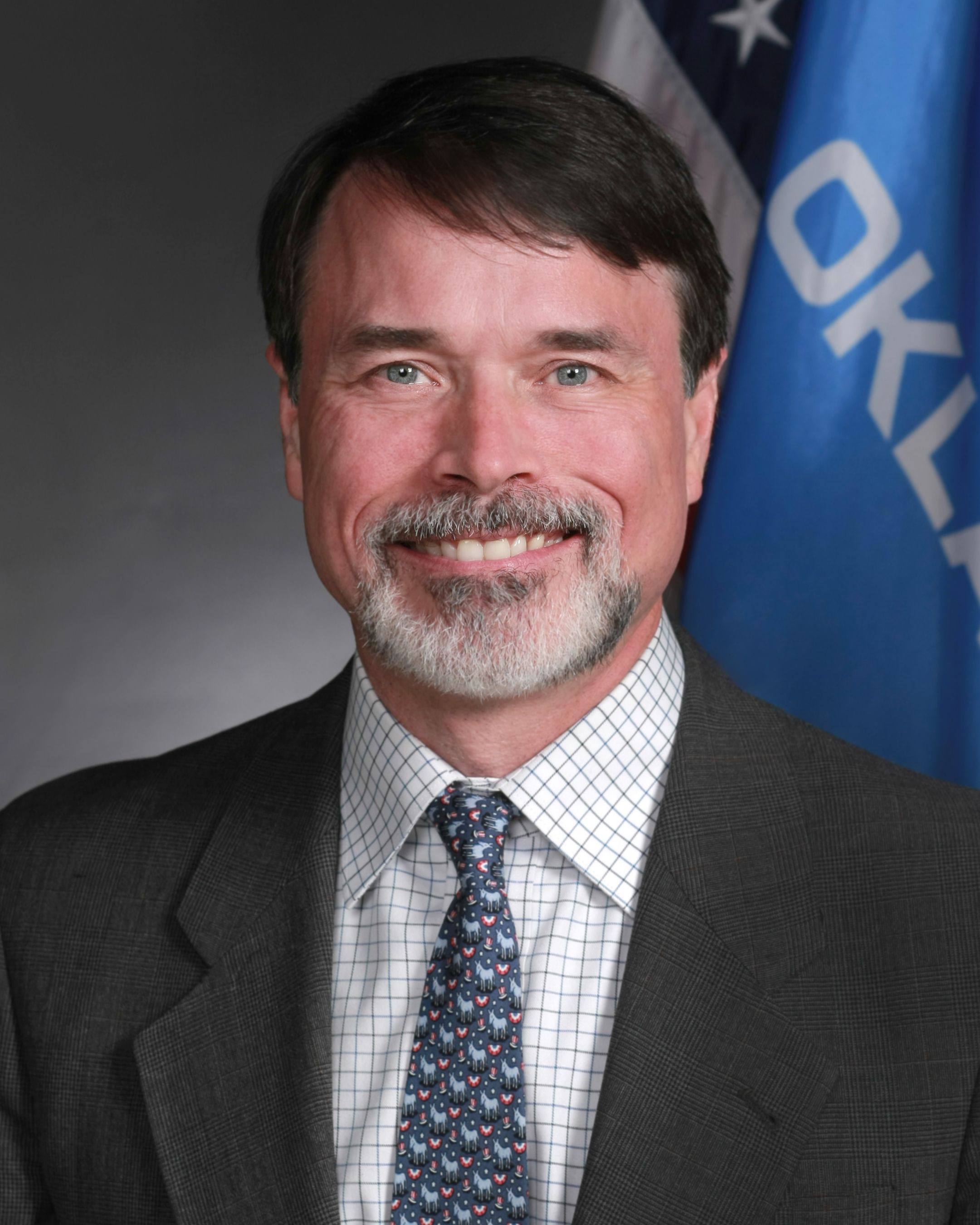
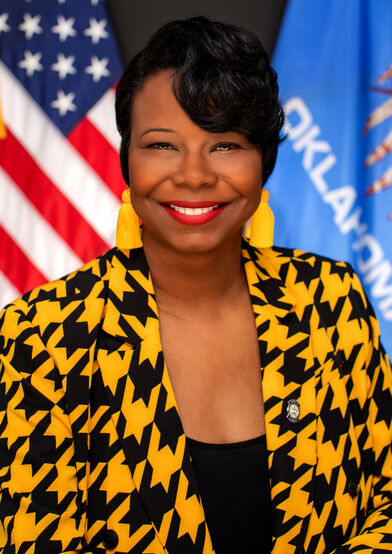
John Waldron
John Waldron House · District 77
D
Strong +
89% 19
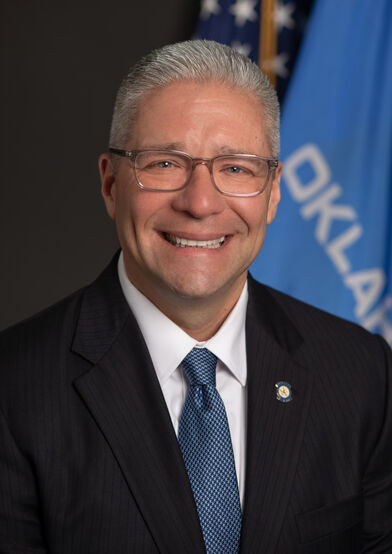
Michael Brooks
Michael Brooks Senate · District 44
D
Strong +
88% 51
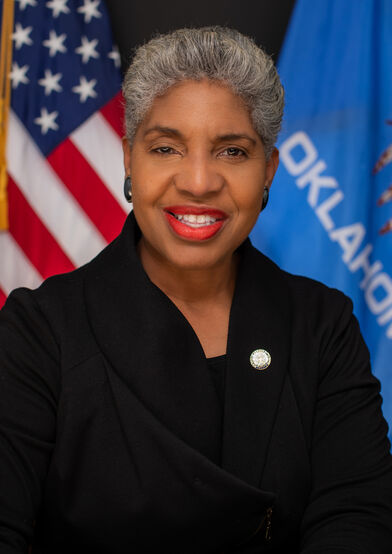
Regina Goodwin
Regina Goodwin Senate · District 11
D
Strong +
87% 45
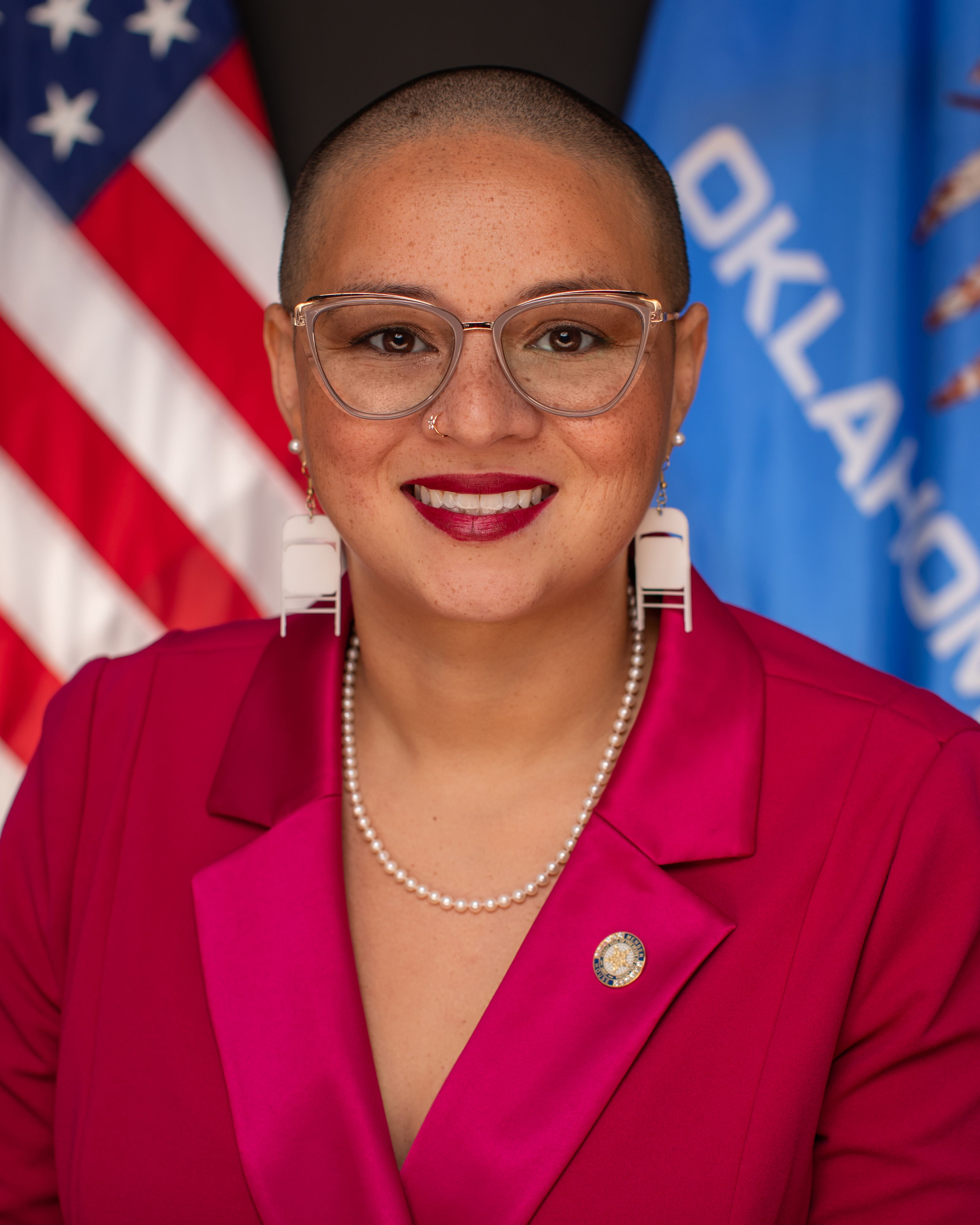
Michelle McCane
Michelle McCane House · District 72
D
Strong +
86% 22
Nikki Nice
Nikki Nice Senate · District 48
D
Strong +
85% 27
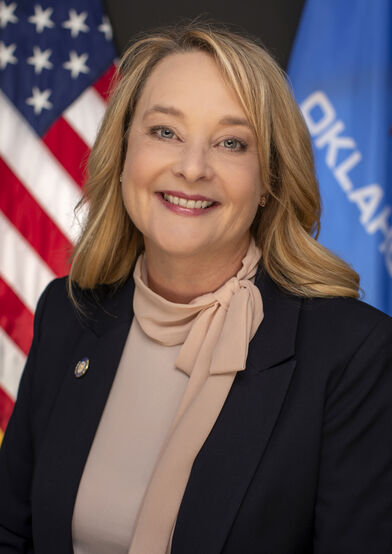
Lisa Standridge
Lisa Standridge Senate · District 15
R
Strong −
12% 32
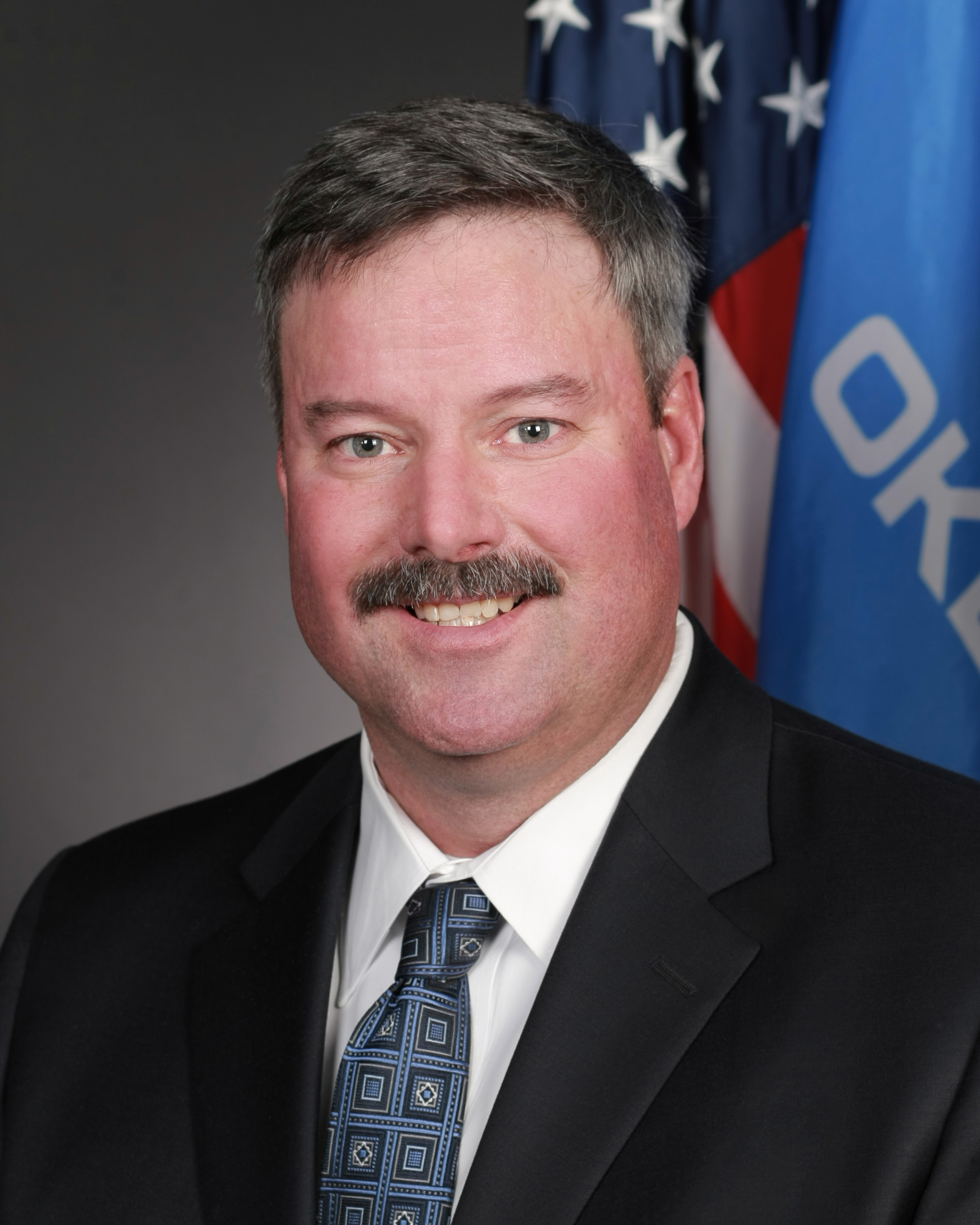
Casey Murdock
Casey Murdock Senate · District 27
R
Strong −
14% 43
Darrell Weaver
Darrell Weaver Senate · District 24
R
Strong −
14% 43
Jay Steagall
Jay Steagall House · District 43
R
Strong −
14% 14
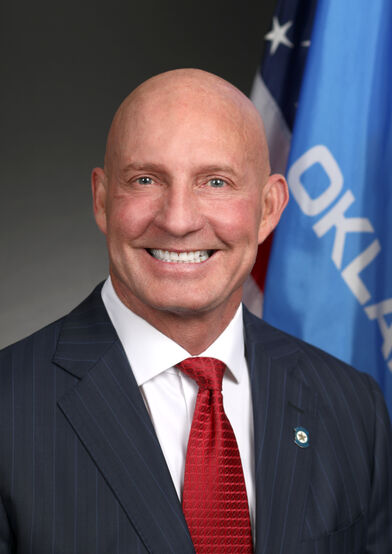
Shane Jett
Shane Jett Senate · District 17
R
Strong −
15% 27
Showing 81–90 of 124 bills

All criminal justice bills

in committee · Oklahoma · Senate Feb 20, 2025

SB 550: Crimes and punishment; making certain acts unlawful. Emergency.

SB 550 prohibits organizing adult cabaret performances harmful to minors on public property or hosting "story hours" (where drag performers read children's books to minors) in public spaces. Violators face felony charges (1-5 years in prison or $5,000-$20,000 fine) for performances, or misdemeanor charges (up to 1 year jail or $500-$1,000 fine) for story hours. The law preempts conflicting local ordinances and defines "harmful to minors" per existing Oklahoma law. It directly affects event organizers, venues, and performers hosting such public activities involving minors.
Sub-Topics Corrections
in committee · Oklahoma · House Feb 4, 2025

HB 1176: Crimes and punishments; exploitation of elderly and disabled adults; property purchase; below market value; effective date.

HB 1176 creates new felony charges for exploiting vulnerable adults by taking their money, assets, or property. It specifically targets two practices: (1) taking funds/assets through a position of trust or business relationship, or (2) purchasing residential property from elderly (62+) or disabled adults for less than 70% of market value. Violations involving $100,000+ in assets carry up to 15 years in prison and $10,000 fines, while lower-value cases carry up to 10 years and the same fine. The law directly affects elderly and disabled adults who may be targeted by others seeking to take advantage of their vulnerability.
Sub-Topics Corrections
signed · Oklahoma · Senate May 13, 2026

SB 1213: Prisons and reformatories; modifying provisions related to inmate earned credits. Effective date.

SB 1213 modifies Oklahoma's inmate earned credit system by removing minimum incarceration time requirements (previously 3 months for Class 3, 8 months for Class 4) for assigning credit levels. It establishes new monthly credit rates based on an inmate's criminal history: inmates without prior felony convictions receive higher credits (Class 3: 45 credits/month, Class 4: 60 credits/month) compared to those with felony histories (Class 3: 33 credits, Class 4: 44 credits). The bill affects all state prison inmates by changing how their sentence reductions are calculated through earned credits. Key provisions include updating credit assignment criteria, requiring gender-neutral language, and specifying that credits cannot be earned for certain offenses like killing law enforcement officers. The changes apply to all inmates assigned to Class Levels 2-4 under the Department of Corrections' updated policies.
signed · Oklahoma · House May 12, 2025

HB 2364: Corrections; requiring inmates be assisted in receiving certain driver license before release; effective date.

HB 2364 requires Oklahoma's Department of Corrections to assist inmates without a current state-issued driver license or identification card in obtaining a REAL ID Noncompliant Driver License before release, or a REAL ID Noncompliant Identification Card if the license is unattainable. The department must begin this process at least nine months prior to release and provide employment-related documentation, including vocational records, birth certificates, and Social Security cards. Inmates over 65, those on medical parole, or in mental health units are exempt from preparing resumes or practicing job interviews. The bill becomes effective November 1, 2025.
signed · Oklahoma · House May 11, 2026

HB 1933: Nitrous oxide; Maddix Bias Act; definition; sale of nitrous oxide to persons under twenty-one; legal age; enforcement; penalty; imprisonment; effective date.

HB 1933 prohibits the recreational use and sale of nitrous oxide (laughing gas) for intoxication, directly affecting individuals under 21 and sellers to minors. It makes possessing nitrous oxide for intoxication a misdemeanor punishable by up to 90 days in jail or a $5,000 fine, with harsher penalties for possessing over 16 grams. Key exceptions include medical/dental use, food propellants (like whipped cream chargers), and industrial applications, ensuring the law doesn’t impact legitimate commercial or healthcare uses. The bill also prohibits selling nitrous oxide paraphernalia to those under 18 and allows business license suspension for repeat violations. It takes effect November 1, 2025.
Sub-Topics Corrections
signed · Oklahoma · House May 6, 2026

HB 1168: Abortion-inducing drugs; terms; trafficking; felony; exceptions.

HB 1168 makes it a felony to knowingly deliver or possess abortion-inducing drugs (like misoprostol or methotrexate) with the intent of causing an abortion, punishable by up to $100,000 in fines or 10 years in prison. It directly affects individuals who provide such drugs for non-exceptional purposes, including off-label use for abortion. Key exceptions include pharmacists, manufacturers, and distributors acting within lawful medical practices, as well as preventive contraception used as directed by manufacturers. The law does not restrict treatment for ectopic pregnancies, miscarriages, or medical uses of drugs like chemotherapy.
signed · Oklahoma · Senate May 27, 2025

SB 599: Crimes and punishments; lewd or indecent acts to a child; modifying scope of punishment for certain crimes. Effective date.

SB 599 modifies Oklahoma's criminal penalties for offenses against children, specifically increasing punishments for sexual abuse and exploitation. It mandates a minimum 25-year prison sentence for anyone convicted of child sexual abuse or exploitation involving a child under 12, while maintaining maximum life imprisonment. The bill also requires post-prison supervision for certain offenders sentenced to two or more years in prison. It applies to all individuals responsible for a child's welfare (like parents or caregivers) who commit these crimes, and clarifies that consent is never a defense. The law became effective after the governor approved it on May 22, 2025.
Sub-Topics Corrections
passed · Oklahoma · House Apr 1, 2025

HB 1362: Crimes and punishments; unlawful immigration; making certain acts unlawful; penalties; emergency.

HB 1362 makes it a crime for non-U.S. citizens (defined as "aliens") to enter or remain in Oklahoma without legal authorization to be in the United States. First offenses are misdemeanors punishable by up to one year in jail or a $500 fine; second offenses or offenses committed during other crimes are felonies punishable by up to two years in prison or a $1,000 fine. The law requires convicted individuals to leave Oklahoma within 72 hours and mandates law enforcement to collect biometric data and check federal databases. It also preempts local governments from enacting conflicting immigration policies and creates an alternative to prison: if conditions are met (no prior violent crime, not charged with another felony), courts can order deportation instead of incarceration.
signed · Oklahoma · Senate May 12, 2025

SB 690: Prisons and reformatories; authorizing certain attainment of earned credits. Effective date.

SB 690 amends Oklahoma's correctional system to clarify how inmates earn sentence-reduction credits. It establishes four class levels (1-4) based on participation in work, education, and rehabilitation programs, with higher credits for better performance (e.g., Class 4 inmates earn 60 credits/month if they have no prior felony convictions). The bill prohibits earning credits for inmates convicted of crimes resulting in death of law enforcement or DOC staff, or for those violating probation. It also updates language to be gender-neutral and specifies that credits equal one day of reduced incarceration per credit. This law directly affects all Oklahoma state inmates serving sentences with the possibility of sentence reduction through earned credits.
in committee · Oklahoma · Senate Feb 3, 2026

SB 1294: Detention facilities; prohibiting charges for certain calls. Effective date.

SB 1294 prohibits detention facilities in Oklahoma from charging fees for phone calls made by individuals held in those facilities. It specifically applies to facilities operated by the Office of Juvenile Affairs (for juvenile detention) and the Department of Corrections (for adult correctional facilities). The bill bans any fees or charges for placing phone calls from these facilities, directly affecting incarcerated individuals and their families who rely on communication. The law takes effect on November 1, 2026.
Showing 81 to 90 of 124 bills
Previous 1 8 9 10 13 Next