Issue · Criminal Justice

Criminal Justice (Corrections)

Every criminal justice bill, vote, and legislator stance in Oklahoma, automatically classified by Maddy, our AI policy reader.

Total bills
58
2026 Regular Session
Top supporter
John Waldron
89% support rate
Top opponent
Lisa Standridge
12% support rate
Ranked legislators
10
5 support · 5 oppose
Key legislators

Who's moving corrections in Oklahoma

Legislators moving corrections in Oklahoma
Legislator Party Stance Support rate Votes
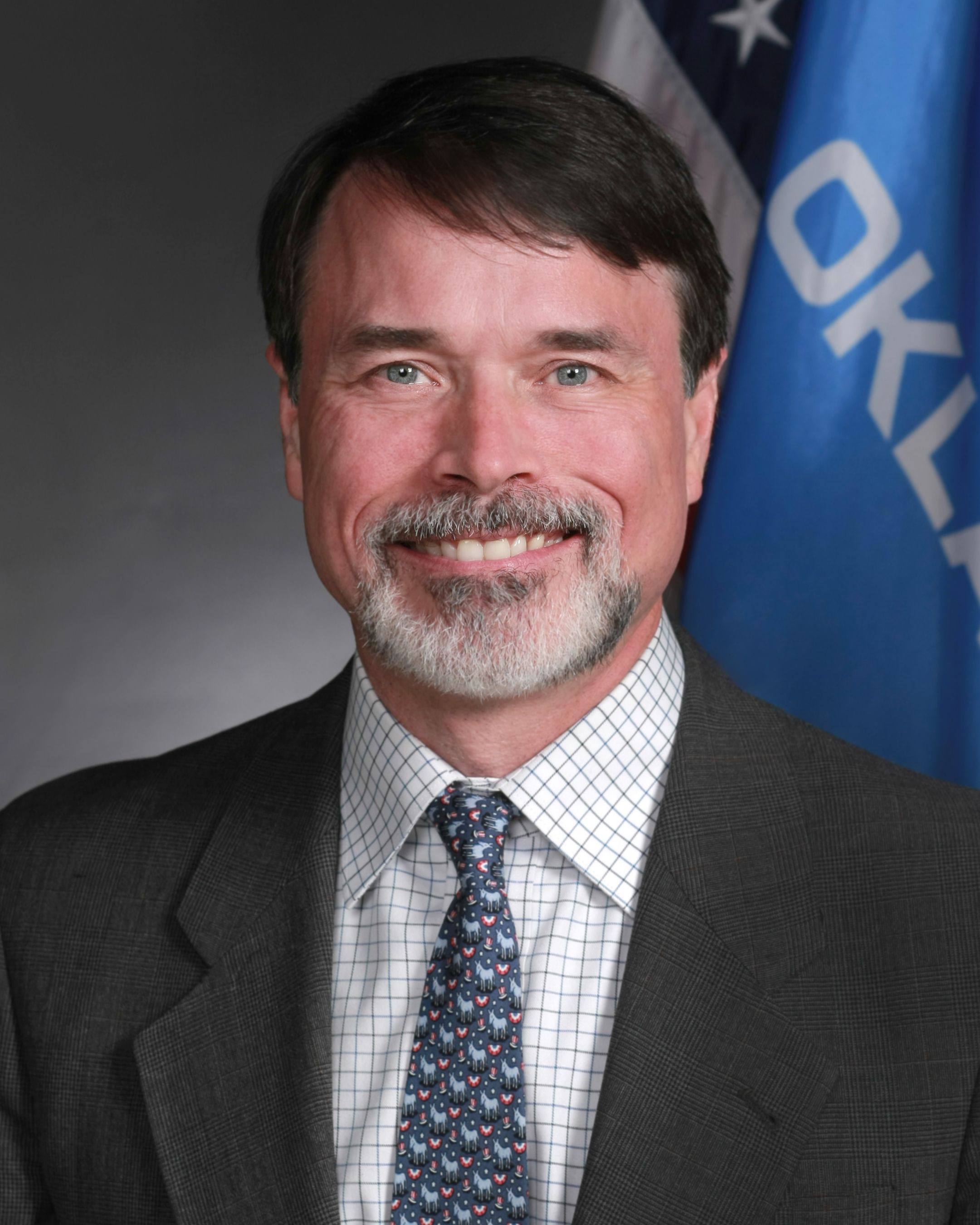
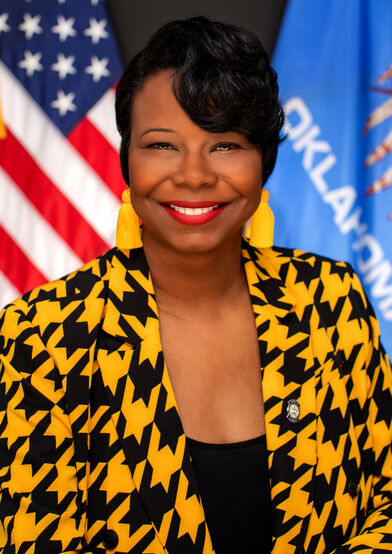
John Waldron
John Waldron House · District 77
D
Strong +
89% 19
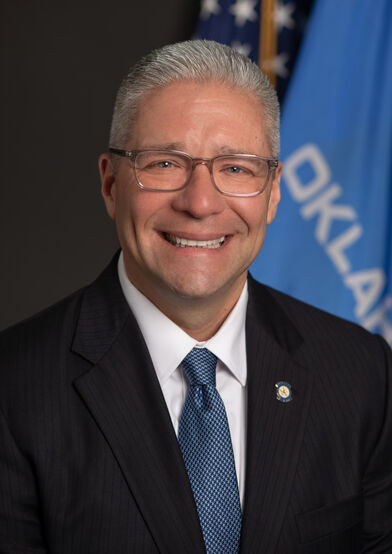
Michael Brooks
Michael Brooks Senate · District 44
D
Strong +
88% 51
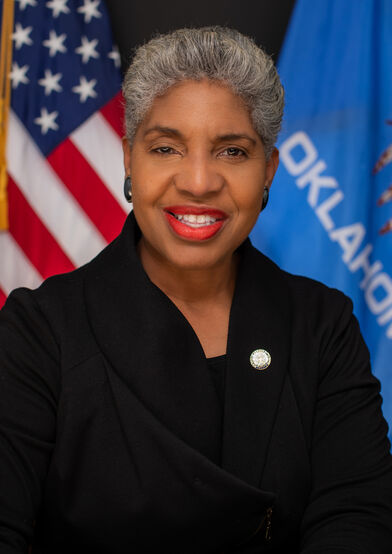
Regina Goodwin
Regina Goodwin Senate · District 11
D
Strong +
87% 45
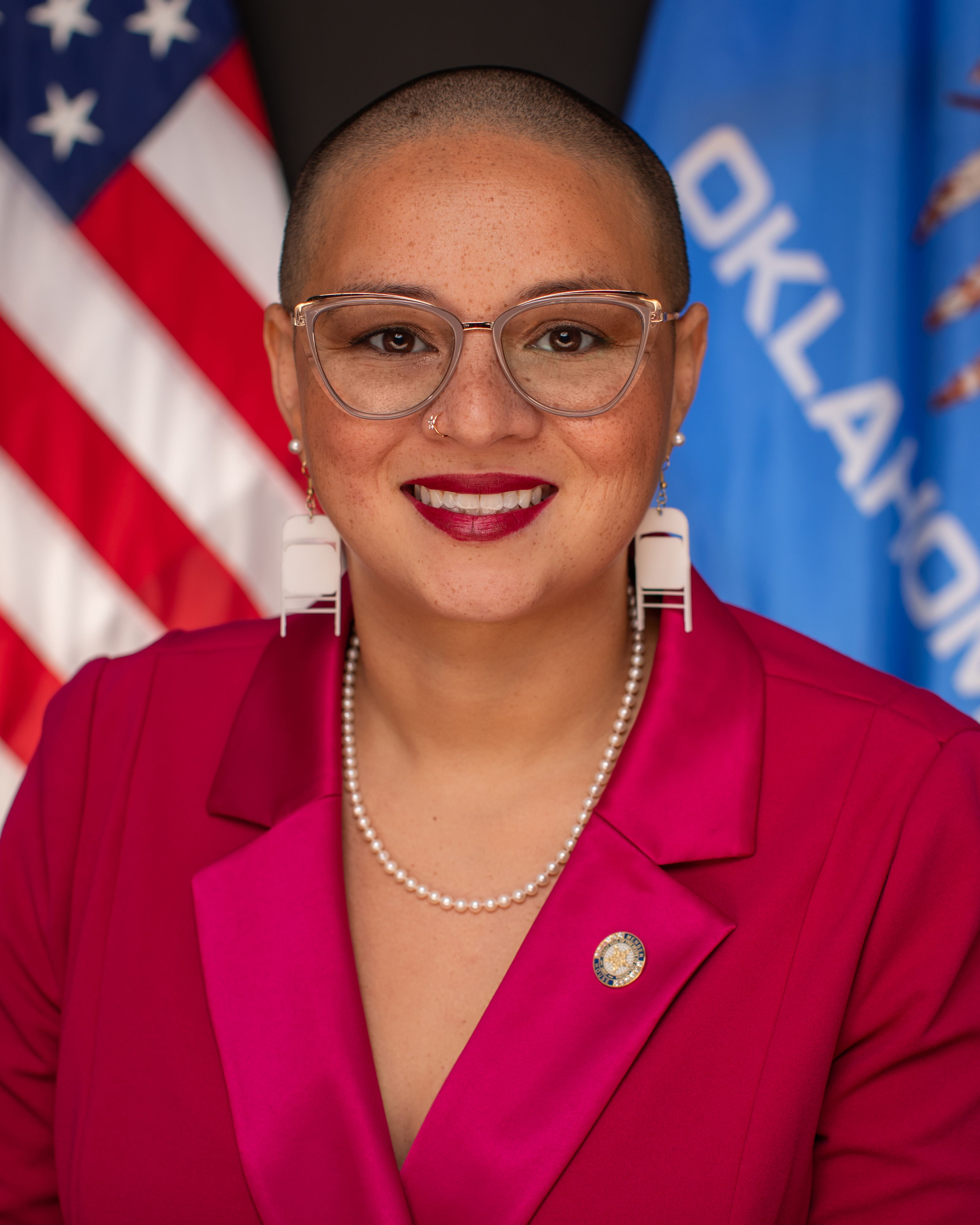
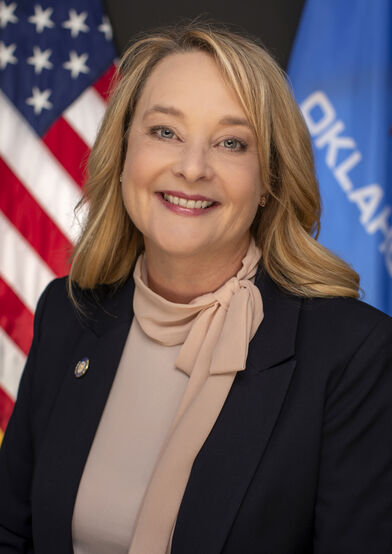
Michelle McCane
Michelle McCane House · District 72
D
Strong +
86% 22
Nikki Nice
Nikki Nice Senate · District 48
D
Strong +
85% 27
Lisa Standridge
Lisa Standridge Senate · District 15
R
Strong −
12% 32
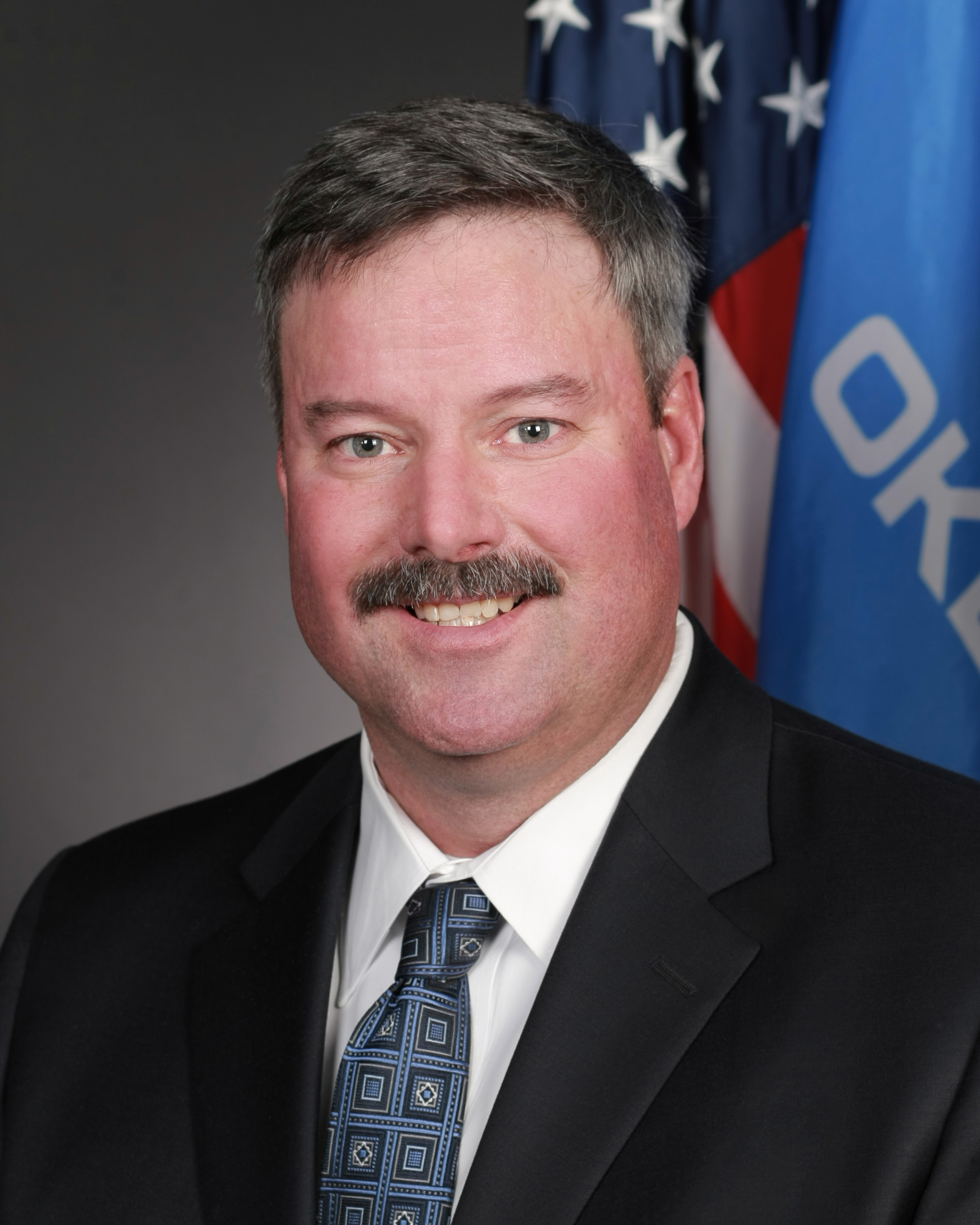
Casey Murdock
Casey Murdock Senate · District 27
R
Strong −
14% 43
Darrell Weaver
Darrell Weaver Senate · District 24
R
Strong −
14% 43
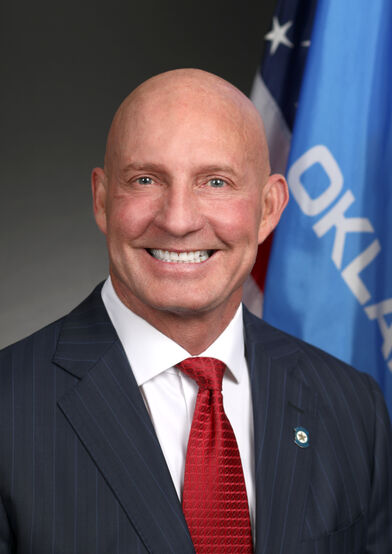
Jay Steagall
Jay Steagall House · District 43
R
Strong −
14% 14
Shane Jett
Shane Jett Senate · District 17
R
Strong −
15% 27
Showing 51–58 of 58 bills

All criminal justice bills

vetoed · Oklahoma · House May 29, 2025

HB 1592: Larceny; providing elements of organized retail crime; codification; effective date.

HB 1592 defines "organized retail crime" in Oklahoma, making it a separate offense when two or more specific circumstances occur during retail theft (such as property intended for resale, multiple people acting jointly, using tools to evade detection, or removing anti-shoplifting devices). It sets penalties: up to 5 years in prison or a $1,000 fine for stolen property under $15,000, and up to 8 years in prison or a $1,000 fine for $15,000 or more, plus mandatory restitution. The bill also amends statutes to clarify "pattern of criminal offenses" and recreates the Oklahoma Organized Retail Crime Task Force to study retail theft countermeasures. This law directly affects individuals committing retail theft meeting the defined criteria, with the task force providing policy recommendations until December 2024.
signed · Oklahoma · House May 5, 2025

HB 1001: Crimes and punishments; Lauria and Ashley's Law; minimum prison sentences; effective date.

HB 1001, known as "Lauria and Ashley's Law," requires individuals convicted of 23 specific serious crimes - including murder, rape, child exploitation, trafficking, and certain violent assaults - to serve at least 85% of their prison sentence before becoming eligible for parole. It prohibits earned credits or other reductions that would shorten sentences below this 85% threshold. The law applies to all offenders convicted of these designated offenses and takes effect November 1, 2025. It was signed into law by the Governor on May 5, 2025.
in committee · Oklahoma · Senate Mar 12, 2025

SB 928: Assault and battery; creating misdemeanor and felony offenses. Effective date.

SB 928 creates new misdemeanor and felony charges for assaulting or battering county employees while they are performing their duties. It defines "county employee" broadly to include workers for counties and contracted firms. Simple assault/battery becomes a misdemeanor (up to 1 year in jail or $1,000 fine), while aggravated attacks become felonies (up to 2 years in prison or $5,000 fine). The bill also requires counties to post clear signage stating that felony charges may apply for such attacks. This law directly affects county employees and aims to strengthen protections for them during work.
in committee · Oklahoma · House Feb 4, 2025

HB 1061: Crimes and punishments; making certain acts unlawful; codification; effective date.

HB 1061 makes it a crime to intentionally assault or batter municipal, county, or state officials while they are performing their official duties. It creates two offenses: a misdemeanor for assault (up to 1 year in jail or $1,000 fine) and a felony for battery or assault-and-battery (up to 5 years in prison or $5,000 fine). The law specifically covers officials like police, fire, health, code enforcement, and zoning personnel, as defined in the bill. It applies to intentional harm without justifiable cause, directly affecting both officials performing their duties and individuals who target them. The bill takes effect November 1, 2025.
in committee · Oklahoma · Senate Feb 4, 2025

SB 502: Crimes and punishment; creating felony offense. Effective date.

SB 502 defines "cannibalism" as willingly ingesting human flesh, blood, or tissue and makes it a felony punishable by up to 14 years in prison. The bill directly affects anyone who commits this act, creating a new criminal offense under Oklahoma law. It codifies this definition in Title 21 of the Oklahoma Statutes and takes effect November 1, 2025. The law establishes clear penalties without specifying additional circumstances or exceptions.
Sub-Topics Corrections
in committee · Oklahoma · House Feb 4, 2025

HB 1153: Crimes and punishments; increasing penalties for certain unlawful act; effective date.

HB 1153 increases penalties for distributing obscene material or child sexual abuse material in Oklahoma. It raises punishments for distributing obscene material to a misdemeanor felony (1-3 years in jail or $2,000 fine), and for child sexual abuse material to a felony (3-20 years in prison or $10,000 fine for first offense; 10-30 years or $20,000 fine for repeat offenses), with mandatory sex offender registration. The bill directly affects individuals who distribute such material, including photos, videos, or publications. Key provisions include steeper fines, longer prison terms for repeat violations, and automatic sex offender registration upon conviction. The law takes effect November 1, 2025.
Sub-Topics Corrections
in committee · Oklahoma · Senate Mar 11, 2025

SB 780: Flag-related offenses; creating felony offense and providing penalties. Effective date.

SB 780 creates a felony offense for removing or taking down the U.S. flag from public property or private property (without permission) and replacing it with another flag. It directly affects individuals who handle U.S. flags on public or private property, including property owned by others. The bill imposes penalties of up to $3,000 in fines, up to three years in prison, or both for violations. The law becomes effective November 1, 2025.
Sub-Topics Corrections
passed · Oklahoma · Senate Apr 17, 2025

SB 871: Crimes and punishments; required service of minimum percentage of sentence; modifying statutory references to certain criminal offenses. Effective date.

SB 871 modifies Oklahoma's law against eluding police officers by updating penalty structures for different offenses. For first-time offenders, it increases the maximum fine for misdemeanor eluding from $2,000 to $5,000 and raises the jail term for second offenses to up to one year. If eluding endangers others, the offense becomes a felony punishable by 1-5 years in state prison; if it causes "great bodily injury" (defined as serious harm like permanent disfigurement or long-term disability), penalties increase to 1-7 years. The bill also clarifies legal language around these offenses and takes effect November 1, 2025. It directly affects drivers convicted of eluding police in Oklahoma.
Sub-Topics Corrections Policing
Showing 51 to 58 of 58 bills
Previous 1 4 5 6