

Issue · Criminal Justice
Criminal Justice (Law Enforcement)
Every criminal justice bill, vote, and legislator stance in Oklahoma, automatically classified by Maddy, our AI policy reader.
Total bills
88
2026 Regular Session
Top supporter
Trey Caldwell
100% support rate
Top opponent
Brian Guthrie
17% support rate
Ranked legislators
10
5 support · 5 oppose
Key legislators
Who's moving law enforcement in Oklahoma
| Legislator | Party | Stance | Support rate | Votes |
|---|---|---|---|---|
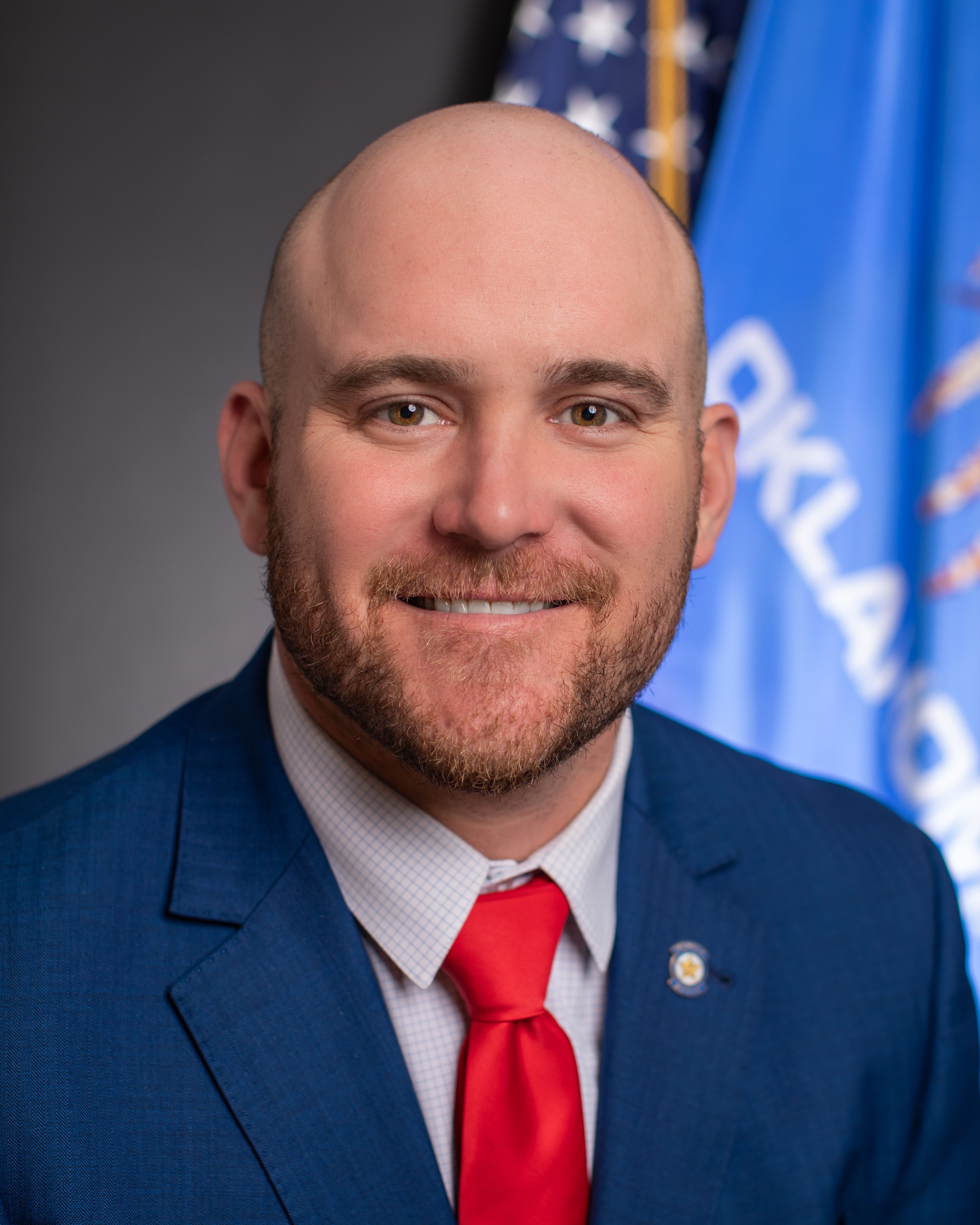
Trey Caldwell
House · District 63
|
R |
Strong +
|
100% | 5 |
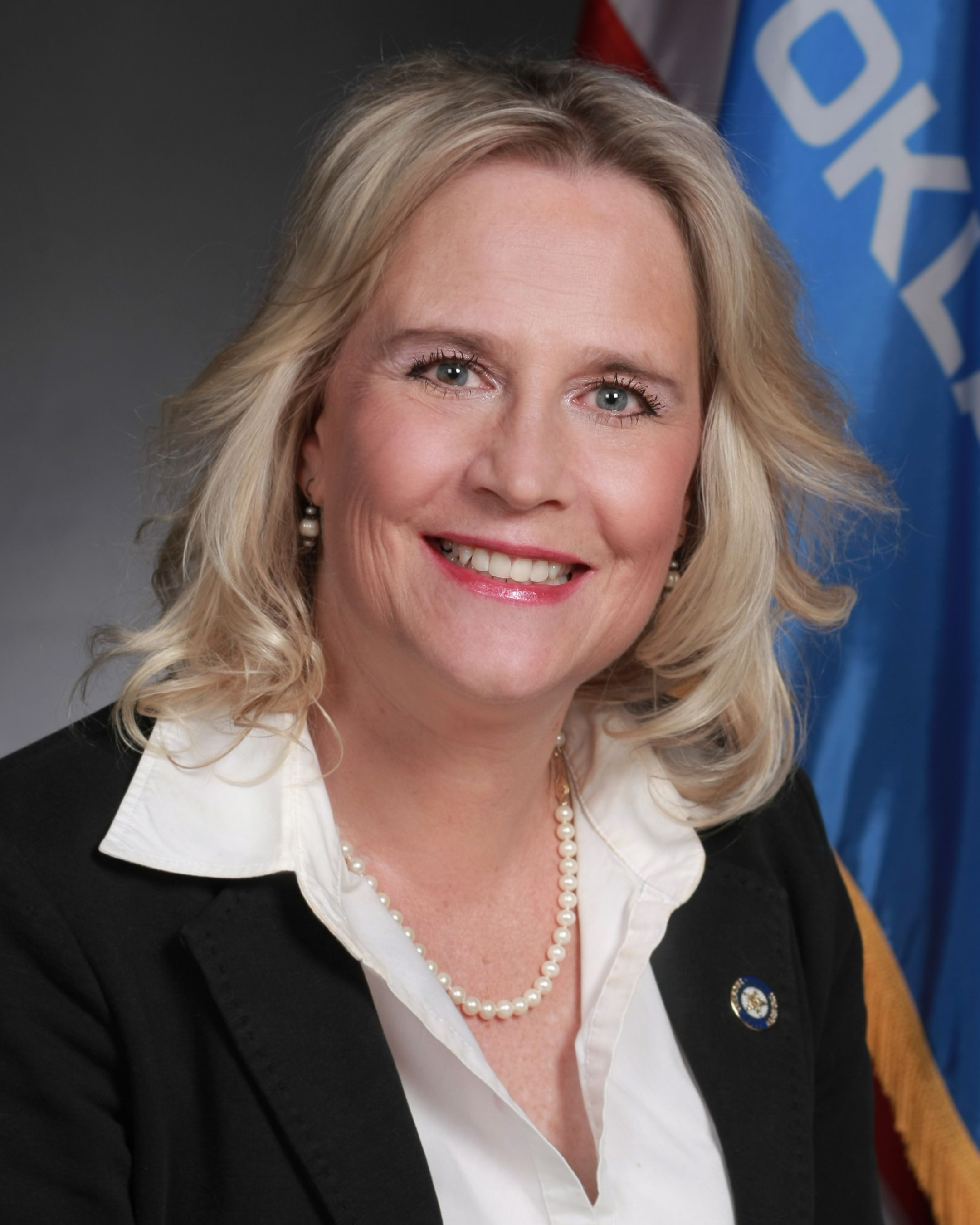
Nicole Miller
House · District 82
|
R |
Strong +
|
100% | 4 |
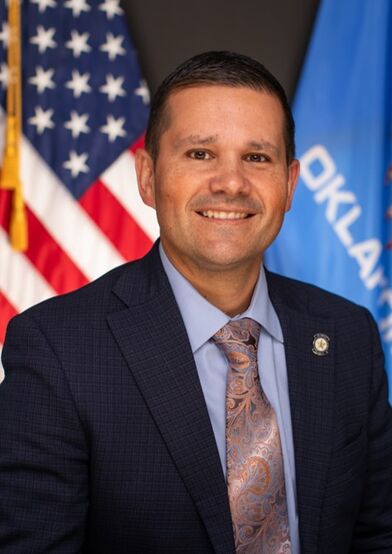
Bryan Logan
Senate · District 8
|
R |
Strong +
|
100% | 3 |
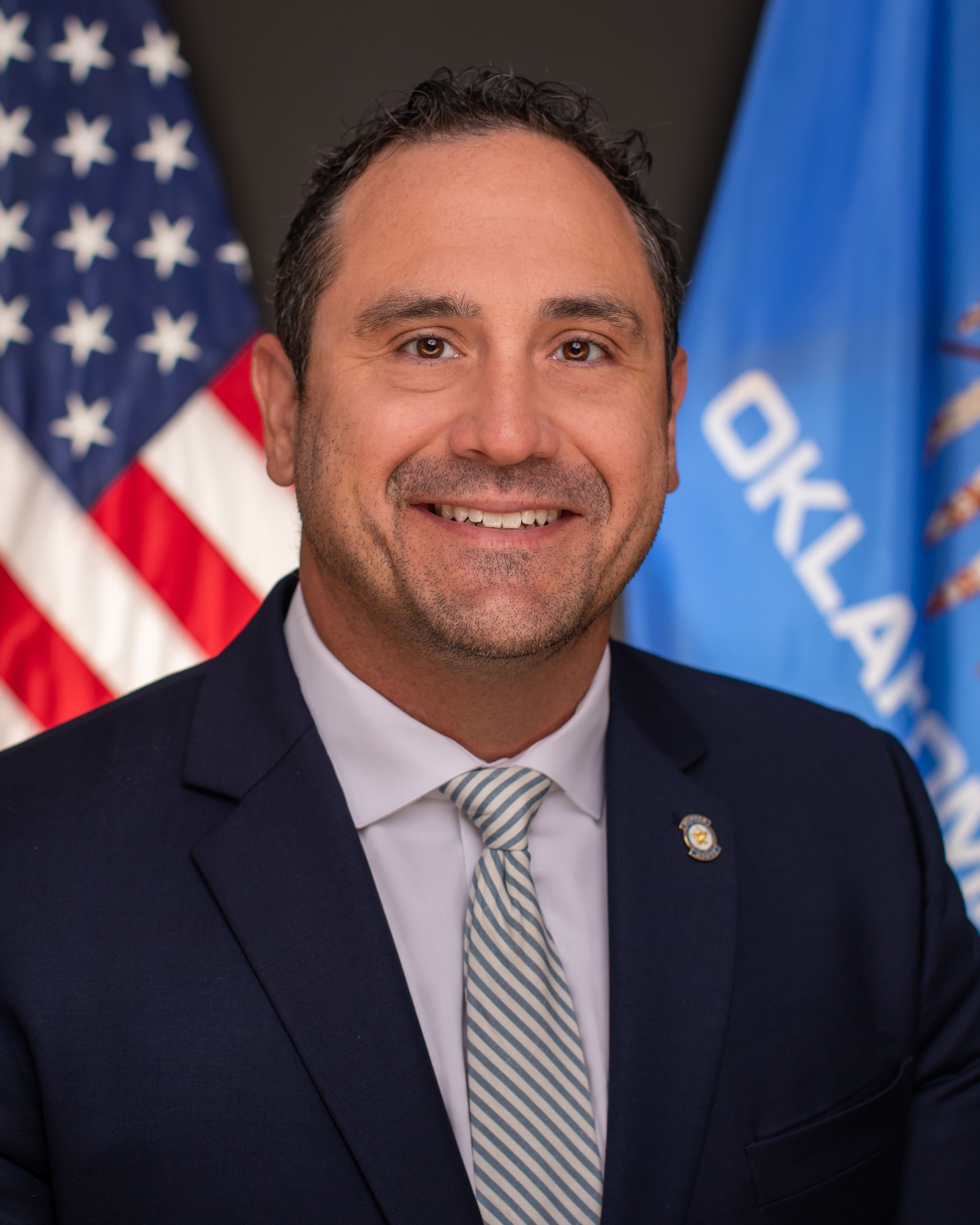
Nick Archer
House · District 55
|
R |
Strong +
|
100% | 3 |

Eddy Dempsey
House · District 1
|
R |
Strong +
|
88% | 8 |
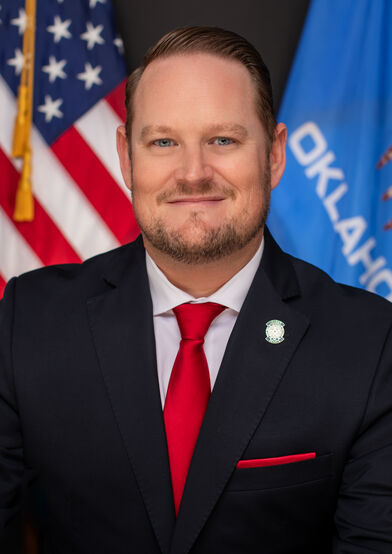
Brian Guthrie
Senate · District 25
|
R |
Strong −
|
17% | 6 |

Julie McIntosh
Senate · District 3
|
R |
Strong −
|
17% | 6 |

Lisa Standridge
Senate · District 15
|
R |
Strong −
|
17% | 6 |
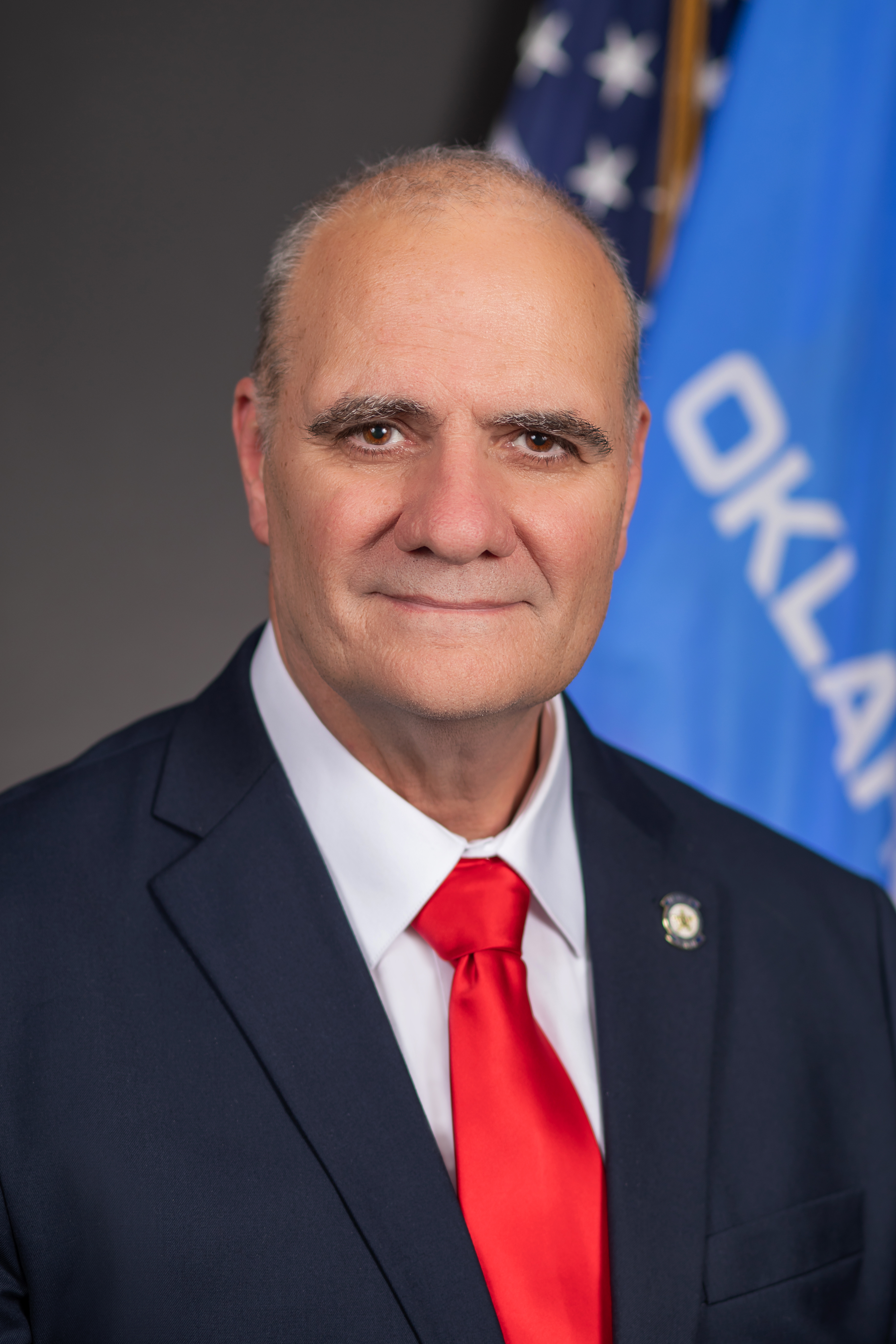
Dana Prieto
Senate · District 34
|
R |
Oppose
|
25% | 8 |

Dusty Deevers
Senate · District 32
|
R |
Oppose
|
29% | 7 |
Showing 41–50 of 88
bills
All criminal justice bills
HB 3760: Revenue and taxation; Law Enforcement Strategic Support Act; income tax credits; law enforcement support; foundations; procedures; reporting requirements; effective date.
Topics
✓ Budget & TaxesSupports Budget & TaxesCreates tax credits for law enforcement foundation donations with statewide spending caps, directing funds to essential officer needs (training/equipment) while managing state budget impact.
✓ Criminal JusticeSupports Criminal JusticeFunds law enforcement via tax credits for foundations supporting officer training/equipment, strengthening local police resources without defunding.
HB 3637: Children; Oklahoma Children's Code; lead agency; child abuse multidisciplinary review team; district attorney; duties; references; joint investigations; team functions; Department of Human Services; terms; Child Abuse Multidisciplinary Team Account; funds; contract; rules; Oklahoma Multidisciplinary Team Council; membership; elect; quorum; business; Child Abuse Multidisciplinary Team Account Fund; Child Abuse Training and Coordination Council; repealer; effective date.
Sub-Topics
Law Enforcement
SB 1396: Sales tax; providing exemption for certain organizations providing support for first responders. Effective date.
Topics
✓ Budget & TaxesSupports Budget & TaxesProvides sales tax exemption for first responder support organizations, reducing tax burden on qualifying purchases per bill's explicit language.
✓ Criminal JusticeSupports Criminal JusticeBill provides tax exemption for organizations supporting law enforcement, fire, and EMS, indirectly funding first responder services under criminal justice topic.
HB 2705: Sexual assault victims; directing law enforcement agencies to inform sexual assault victims of the status of certain evidence; codification; effective date.
SB 1331: Alicia's Law; creating the Internet Crimes Against Children Revolving Fund. Effective date. Emergency.
Topics
✓ Criminal JusticeSupports Criminal JusticeFunds Internet Crimes Against Children Task Force, enhancing law enforcement collaboration and victim protection in criminal justice.
✓ TechnologySupports TechnologyCreates fund for Internet Crimes Against Children Task Force, enhancing cybersecurity efforts to combat online child exploitation through law enforcement collaboration.
Sub-Topics
Law Enforcement
SB 1318: Alicia's Law; creating the Internet Crimes Against Children Revolving Fund. Effective date. Emergency.
Topics
✓ Criminal JusticeSupports Criminal JusticeCreates dedicated fund for ICAC Task Force to combat internet crimes against children, strengthening law enforcement collaboration in criminal justice.
✓ TechnologySupports TechnologyFunds ICAC Task Force for cybersecurity efforts combating online child exploitation, enhancing digital safety and law enforcement capabilities.
Sub-Topics
Law Enforcement
SB 607: Oklahoma Evidence Code; providing for admissibility of certain statements in certain proceedings. Effective date.
SB 302: State fiscal affairs; creating the Oklahoma Law Enforcement Legacy Fund; making an appropriation. Effective date. Emergency.
Topics
✓ Budget & TaxesSupports Budget & TaxesRedirects $563M/$759M unappropriated funds to fund law enforcement wages via General Revenue Fund transfers, advancing public service funding.
✓ Criminal JusticeSupports Criminal JusticeFunds law enforcement wages via Legacy Fund, directly supporting officer compensation and retention, a core criminal justice funding priority.
HB 1739: Retirement; Oklahoma Law Enforcement Retirement System; contribution; top base salary; benefit computation; effective dates; contingent effective dates; emergency.
Topics
✓ Criminal JusticeSupports Criminal JusticeIncreases employer contributions to law enforcement retirement system, directly funding officer benefits and supporting retention within criminal justice workforce.
✓ Labor & EmploymentSupports Labor & EmploymentIncreases employer contributions (11%→16.5%) and uses higher salary basis for retirement benefits, strengthening law enforcement retirees' financial security under employment benefits.
Sub-Topics
Law Enforcement