Issue · Criminal Justice

Criminal Justice

Every criminal justice bill, vote, and legislator stance in Oklahoma, automatically classified by Maddy, our AI policy reader.

Total bills
309
2026 Regular Session
Top supporter
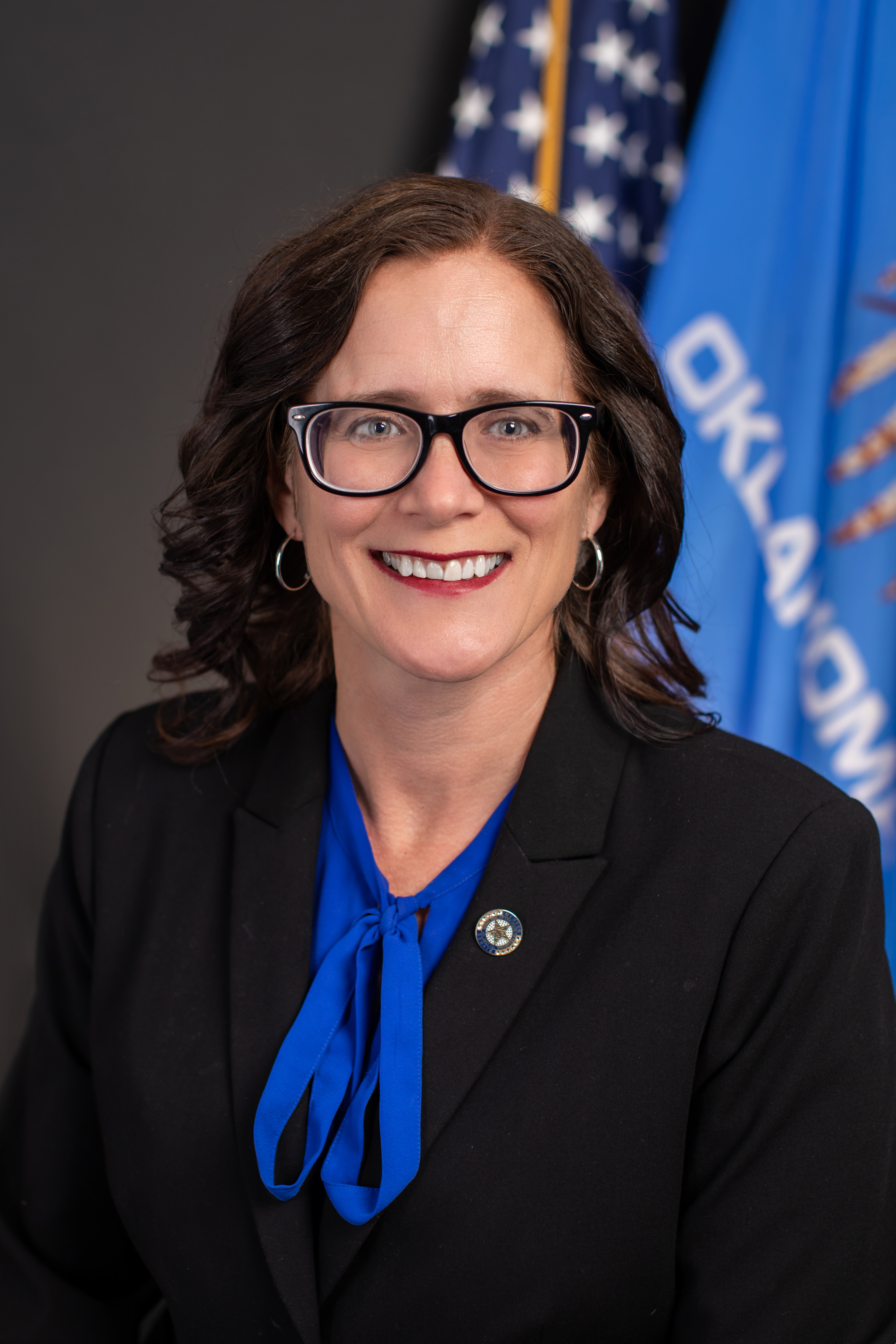
Aletia Timmons
76% support rate
Top opponent
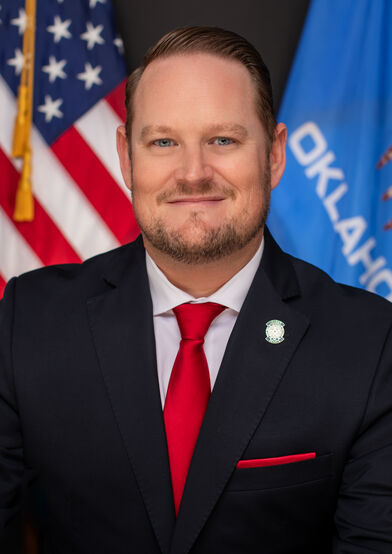
Brian Guthrie
24% support rate
Ranked legislators
10
5 support · 5 oppose
Key legislators

Who's moving criminal justice in Oklahoma

Legislators moving criminal justice in Oklahoma
Legislator Party Stance Support rate Votes
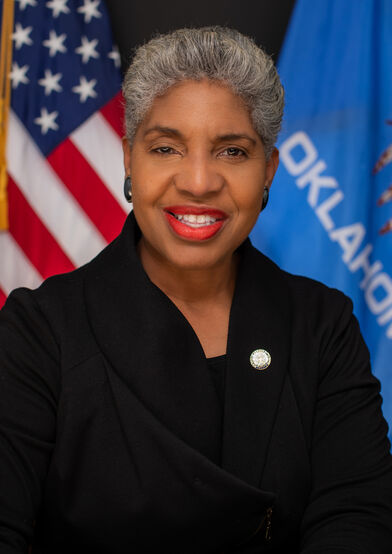
Aletia Timmons
Aletia Timmons House · District 97
D
Support
76% 91
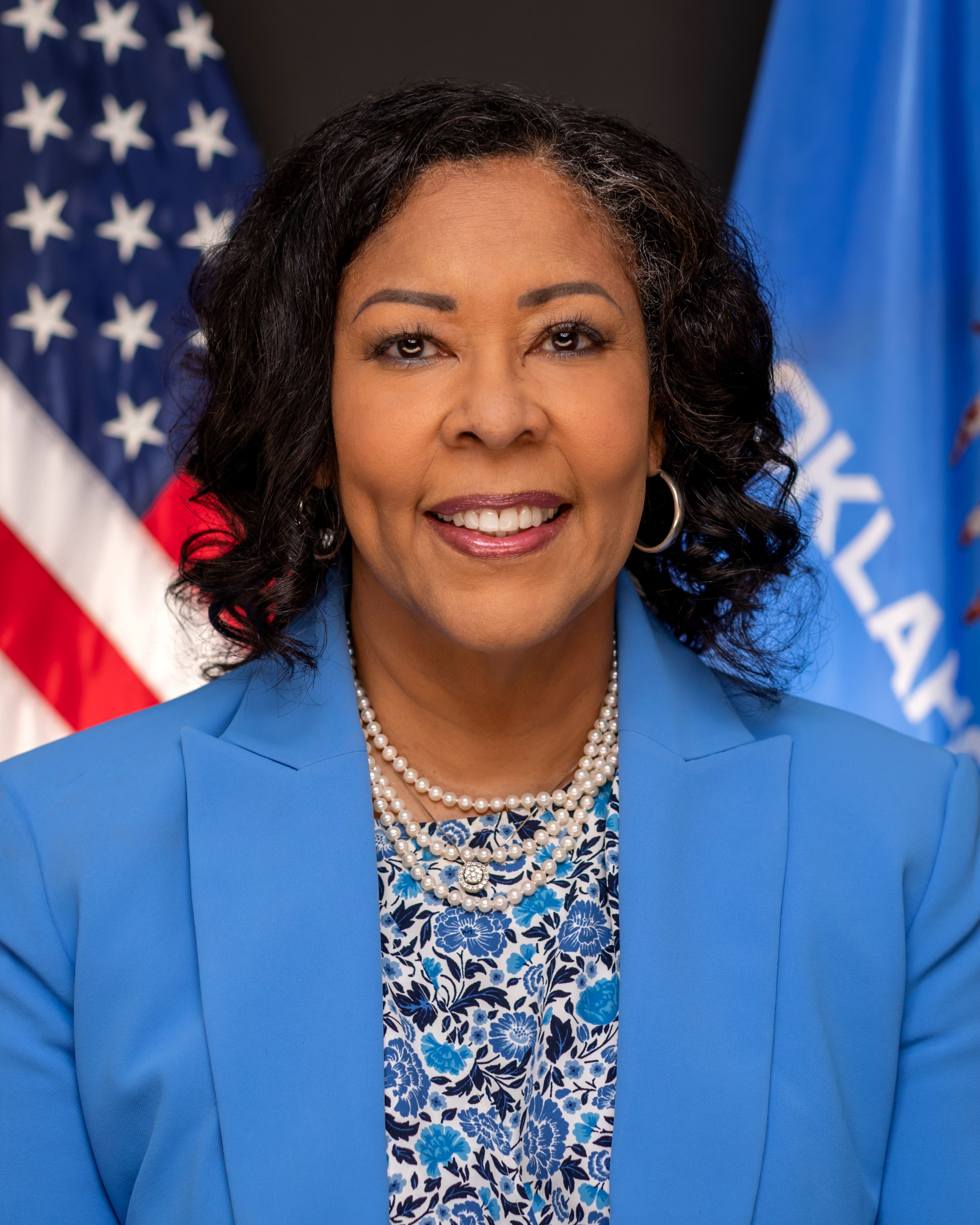
Regina Goodwin
Regina Goodwin Senate · District 11
D
Support
73% 225
Michael Brooks
Michael Brooks Senate · District 44
D
Support
72% 274
Carri Hicks
Carri Hicks Senate · District 40
D
Support
71% 184
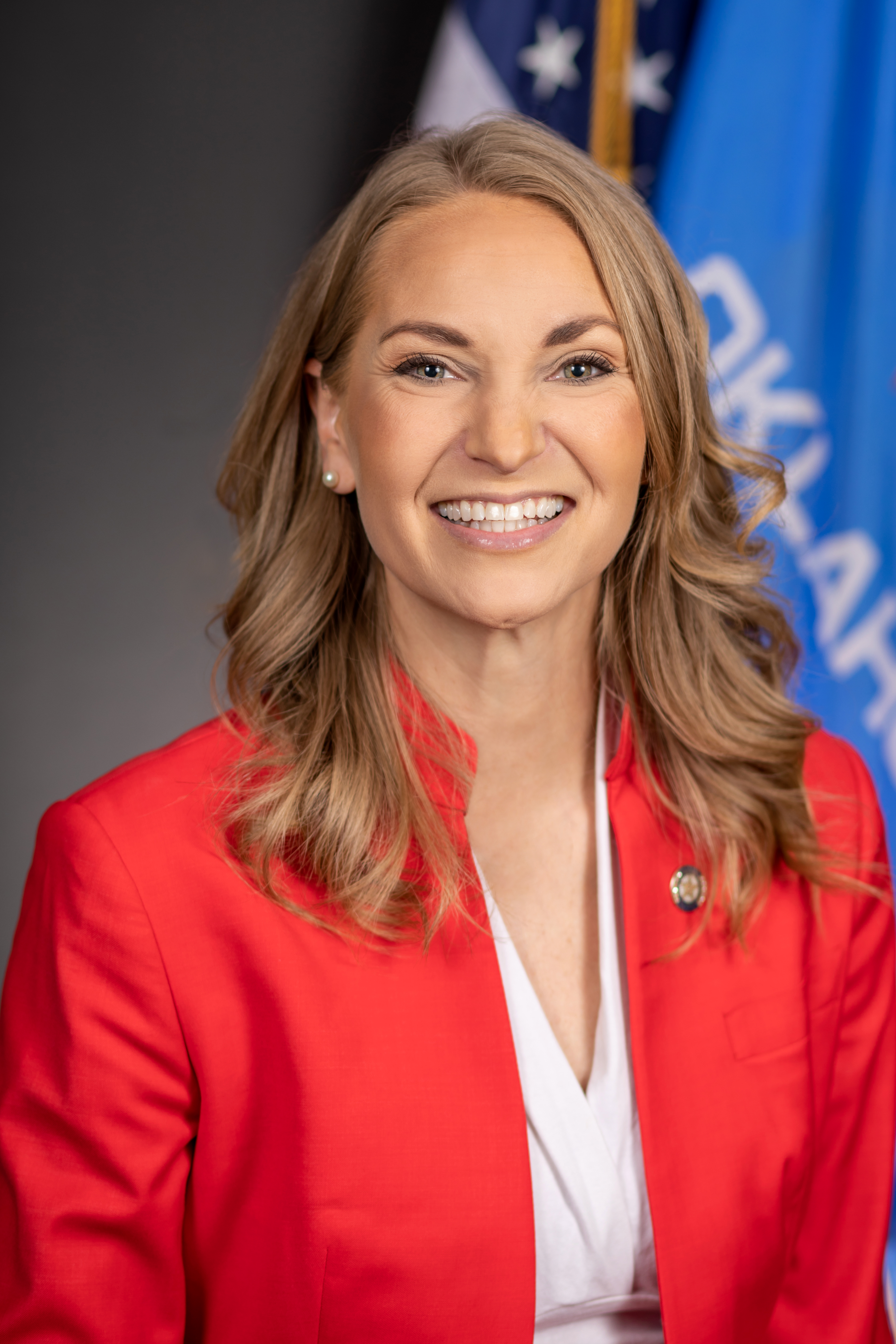
Julia Kirt
Julia Kirt Senate · District 30
D
Support
70% 174
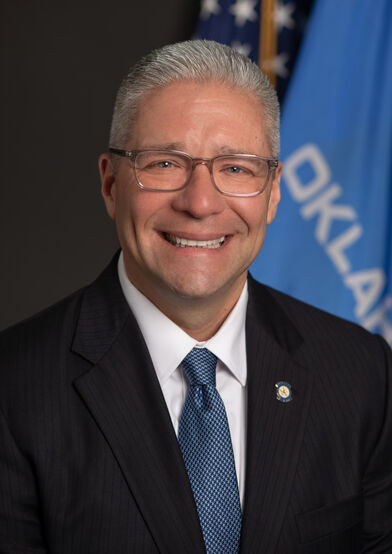
Brian Guthrie
Brian Guthrie Senate · District 25
R
Oppose
24% 158
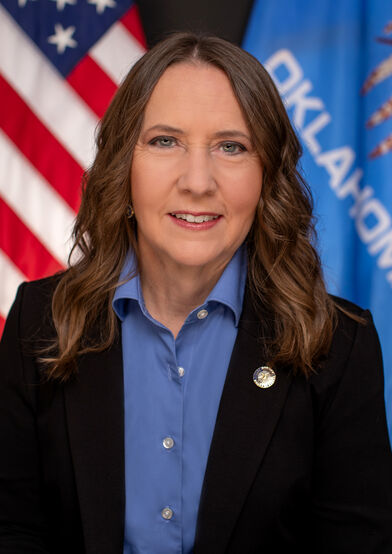
Lisa Standridge
Lisa Standridge Senate · District 15
R
Oppose
26% 220
Jay Steagall
Jay Steagall House · District 43
R
Oppose
27% 149
Julie McIntosh
Julie McIntosh Senate · District 3
R
Oppose
28% 164
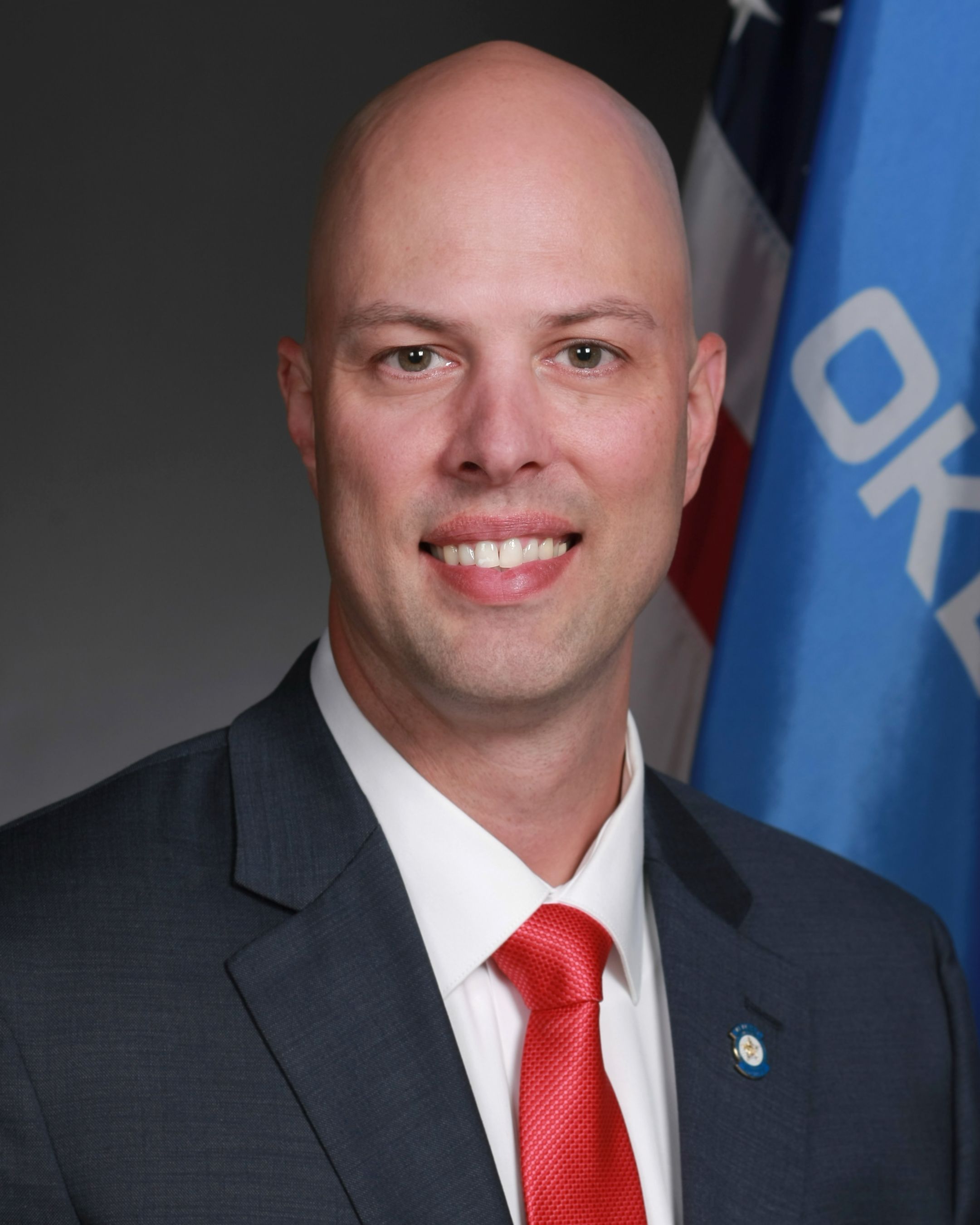
Dusty Deevers
Dusty Deevers Senate · District 32
R
Oppose
28% 156
Showing 41–50 of 309 bills

All criminal justice bills

in committee · Oklahoma · House Feb 3, 2026

HB 4151: Domestic abuse; directing law enforcement officers to conduct interviews regarding domestic abuse; codification; effective date.

HB 4151 requires Oklahoma law enforcement to interview family members before finalizing death investigations when a decedent has an identifiable history of domestic abuse and specific factors are present (e.g., premature death, scene resembling suicide, history of coercive control, or strangulation). It mandates current domestic abuse training for investigators, allows family access to victim services during investigations, and gives families the right to request investigation records if a case is closed without a homicide finding. The bill also specifies 10 conditions triggering autopsy requests and clarifies that it doesn’t override existing investigation discretion or impose new liability on agencies. It applies to deaths involving domestic abuse victims and takes effect November 1, 2026.
signed · Oklahoma · House Apr 29, 2026

HB 3742: Criminal procedure; Due Process Protection Act of 2026; preliminary examinations and proceedings; disclosure; effective date.

HB 3742 amends Oklahoma's criminal discovery rules to shorten the time limit for completing pre-trial evidence exchanges. It specifically requires prosecutors to disclose detailed information about jailhouse informants - including their criminal history, any deals made with them, and specific statements made to them - 10 days before trial. The bill also mandates district attorneys to maintain centralized records of all cases using jailhouse informants, with annual de-identified reports published by the District Attorneys Council. This directly affects criminal defendants, prosecutors, and jailhouse informants in Oklahoma court proceedings by increasing transparency around informant credibility. The changes aim to streamline discovery while improving accountability for informant testimony.
Sub-Topics Courts
in committee · Oklahoma · House Feb 3, 2026

HB 4244: Criminal procedure; authorizing prosecutions for child sex crimes to be commenced at any time; effective date.

HB 4244 extends the statute of limitations for prosecuting certain child sex crimes in Oklahoma, allowing prosecutions to be filed at any time until the victim's 45th birthday. It directly affects victims of specific offenses including rape, child pornography, sexual abuse of vulnerable adults, and trafficking involving minors. Key mechanisms include retroactive application to cases not already time-barred and exceptions permitting prosecution immediately if DNA evidence or a confession establishes probable cause. The bill does not change time limits for adult victims (20 years after discovery) or other offenses.
passed · Oklahoma · House Apr 23, 2026

HB 4144: Oklahoma Open Records Act; law enforcement records; arrest and incident reports; public inspection; effective date.

HB 4144 requires Oklahoma law enforcement agencies to make specific arrest and incident reports publicly available, including arrest details (name, date of birth, cause), incident summaries, radio logs, crime summaries, jail records, and body-worn camera footage. Agencies must redact sensitive information like minor identities, medical details, or ongoing investigation details before release, but must disclose redacted portions once investigations conclude. This bill directly affects all Oklahoma law enforcement agencies by expanding public access to policing records while establishing clear redaction standards for privacy and safety concerns. The policy changes standardize transparency for public record requests related to law enforcement activities.
Sub-Topics Corrections Law Enforcement Tags Government Transparency
in committee · Oklahoma · Senate Feb 3, 2026

SB 1880: Oklahoma Juvenile Code; requiring certain persons who testify falsely to be placed on certain list. Effective date.

SB 1880 amends Oklahoma's Juvenile Code to address false testimony in child welfare cases. It requires the Department of Human Services (DHS) to maintain a public list on its website of individuals - such as child welfare workers, law enforcement, or state employees - who knowingly provide false information under oath during proceedings involving children alleged to be neglected or abused. This list can be used as evidence to assess the truthfulness of these individuals in future cases. The bill also imposes penalties, including fines up to $1,000 or up to two years in prison, for falsifying documents in cases where a child suffered great bodily harm or death. The law takes effect November 1, 2026.
in committee · Oklahoma · House Mar 3, 2026

HB 3053: Parole; creating the Oklahoma Elder Parole Eligibility Act; directing the Pardon and Parole Board to grant parole to certain inmates; codification; effective date.

HB 3053, the "Oklahoma Elder Parole Eligibility Act," requires the Pardon and Parole Board to grant parole to Oklahoma inmates aged 65 or older who meet specific criteria, including no serious disciplinary infractions in the past 36 months and completion of required correctional programs. The Department of Corrections must automatically review eligible inmates, certify their compliance with these criteria, and provide documentation to the Board, which must then grant parole without discretion. Exclusions apply for inmates serving life without parole, those convicted of offenses where parole is statutorily prohibited, or those posing a documented imminent threat of harm (supported by recent medical/psychological evidence). Paroled inmates will face standard parole conditions, age-appropriate supervision, and any necessary medical or treatment plans. The law takes effect November 1, 2026.
in committee · Oklahoma · House Feb 3, 2026

HB 3966: Wrongful convictions; providing for retroactive application of wrongful conviction claims; effective date.

HB 3966 allows Oklahoma residents wrongfully convicted of felonies and later cleared through a governor's pardon or court order finding actual innocence to receive compensation. The bill calculates payments as $50,000 for each full year served in prison, with additional $50,000 per year for time spent on death row and $25,000 per year for parole or probation time. Compensation is capped at $1 million paid as a lump sum, or in annual installments over three years for larger awards. This retroactive law applies to all wrongful convictions resulting in imprisonment since 1975, with claims requiring documented evidence of innocence from the governor or court.
in committee · Oklahoma · House Feb 24, 2026

HB 3903: Domestic violence; criminal procedure; law enforcement agencies; incident reports; court clerks; protective order; petition; case record; exceptions; judiciary; annual training; effective date.

HB 3903 requires Oklahoma law enforcement agencies to create detailed written domestic violence incident reports (not just dispatch logs), including crime type, day, and time, and submit monthly summaries to the Oklahoma State Bureau of Investigation. It mandates that court clerks accept, file-stamp, and docket protective order petitions without charging victims any fees, while prohibiting courts from requiring victims to pursue other legal actions (like divorce) before seeking protection. The bill also adds provisions allowing courts to grant exclusive custody of animals owned by either party during domestic violence cases and requires annual judiciary training on these procedures. These changes directly affect victims seeking protection, law enforcement agencies, and court clerks handling domestic violence cases.
signed · Oklahoma · Senate Apr 22, 2026

SB 1733: Schools; requiring public and private school employees to report certain disclosure, allegation, or information to law enforcement within certain time period; requiring school employees to annually sign certain attestation. Effective date. Emergency.

SB 1733 requires Oklahoma school employees (including teachers, coaches, and administrators) to report suspected student sexual abuse, assault, or misconduct to law enforcement within 24 hours. It prohibits school investigations or disciplinary actions before reporting and mandates annual attestation forms confirming staff understanding of these duties. The law applies to all public and charter school staff, with confidentiality protections for reporters. It takes effect July 1, 2026, and declares an emergency for immediate implementation.
in committee · Oklahoma · Senate Mar 4, 2026

SB 2179: Criminal procedure; persons in a state of mental illness or defect; modifying conditions and procedures for discharge or conditional release. Effective date.

SB 2179 requires Oklahoma's Department of Mental Health to create a written individualized service plan for people found not guilty by reason of mental illness (NGRI/MI) within 45 days of their court adjudication. The plan must include treatment details, risk assessments, and service schedules, developed with the individual's input and based on a forensic psychological evaluation. Once approved by the court, the plan becomes part of the court's final order and must be reviewed quarterly for the first year, then semiannually, with updates provided to the court and parties. This bill directly affects NGRI/MI individuals, courts, mental health providers, and the Department of Mental Health by mandating structured treatment planning and oversight.
Sub-Topics Courts Mental Health
Showing 41 to 50 of 309 bills
Previous 1 4 5 6 31 Next