Issue · Criminal Justice

Criminal Justice

Every criminal justice bill, vote, and legislator stance in Oklahoma, automatically classified by Maddy, our AI policy reader.

Total bills
139
2026 Regular Session
Top supporter
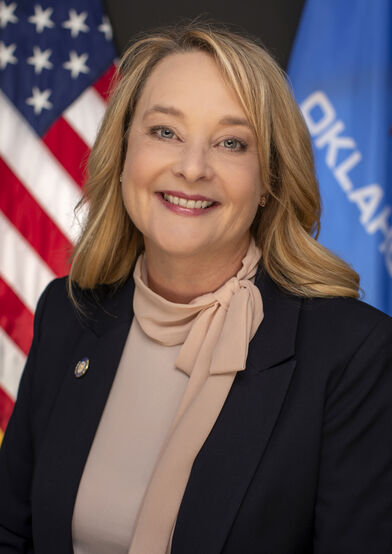
Aletia Timmons
76% support rate
Top opponent
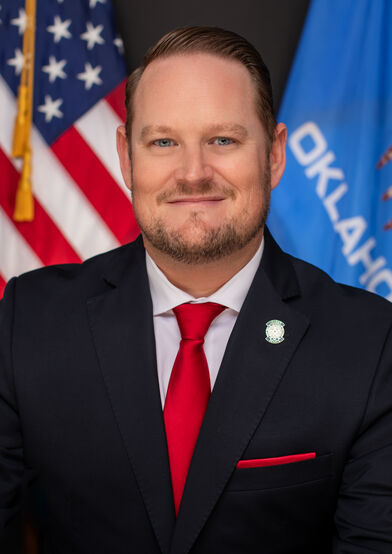
Brian Guthrie
24% support rate
Ranked legislators
10
5 support · 5 oppose
Key legislators

Who's moving criminal justice in Oklahoma

Legislators moving criminal justice in Oklahoma
Legislator Party Stance Support rate Votes
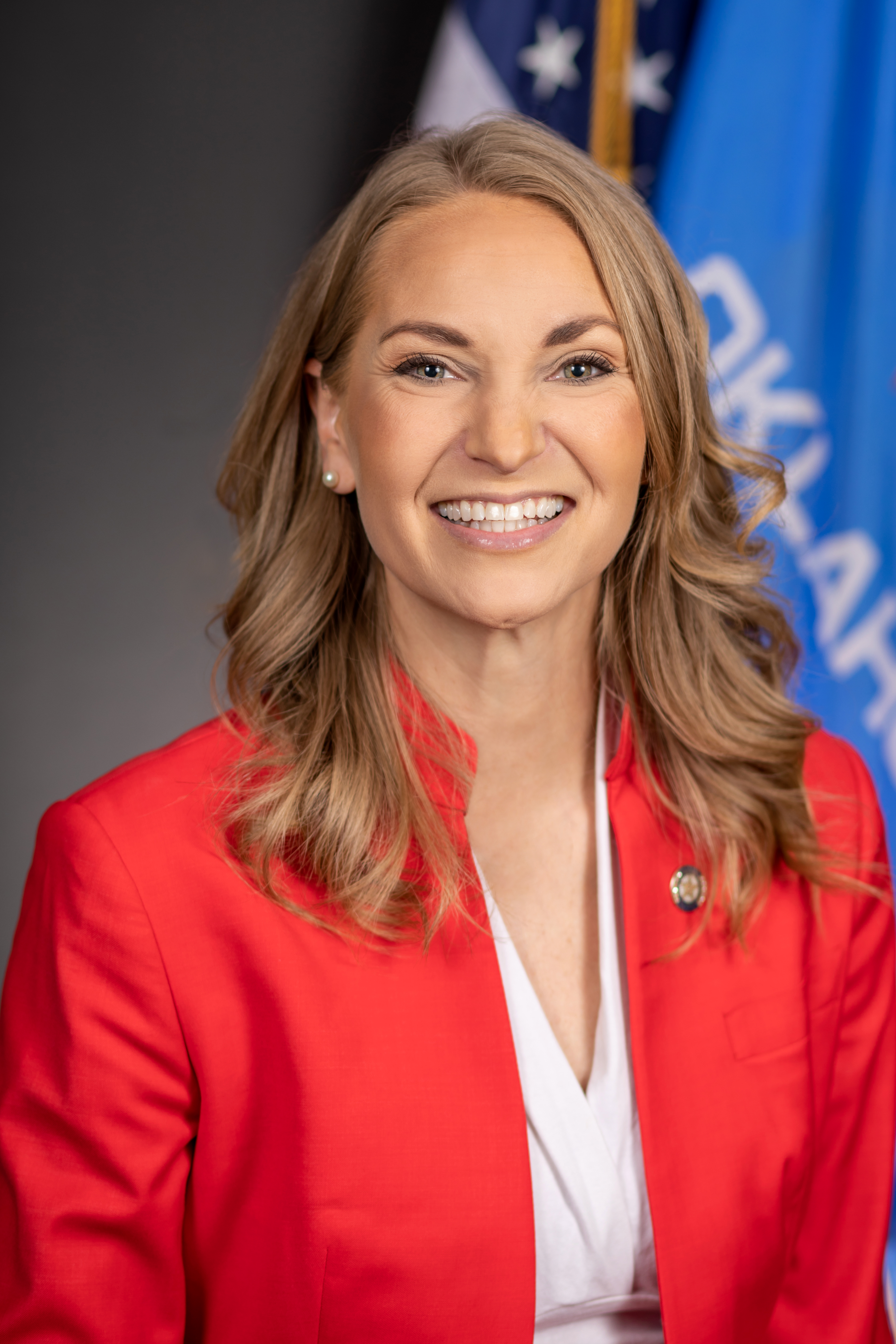
Aletia Timmons
Aletia Timmons House · District 97
D
Support
76% 91
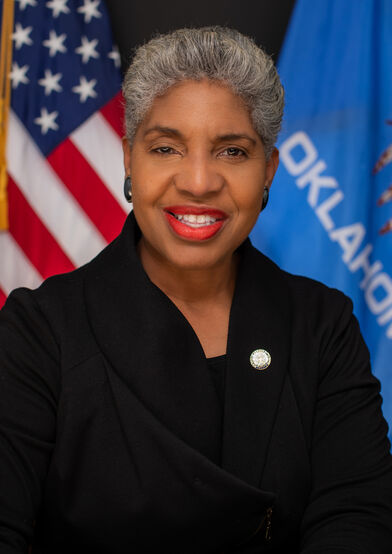
Regina Goodwin
Regina Goodwin Senate · District 11
D
Support
73% 225
Michael Brooks
Michael Brooks Senate · District 44
D
Support
72% 274
Carri Hicks
Carri Hicks Senate · District 40
D
Support
71% 184
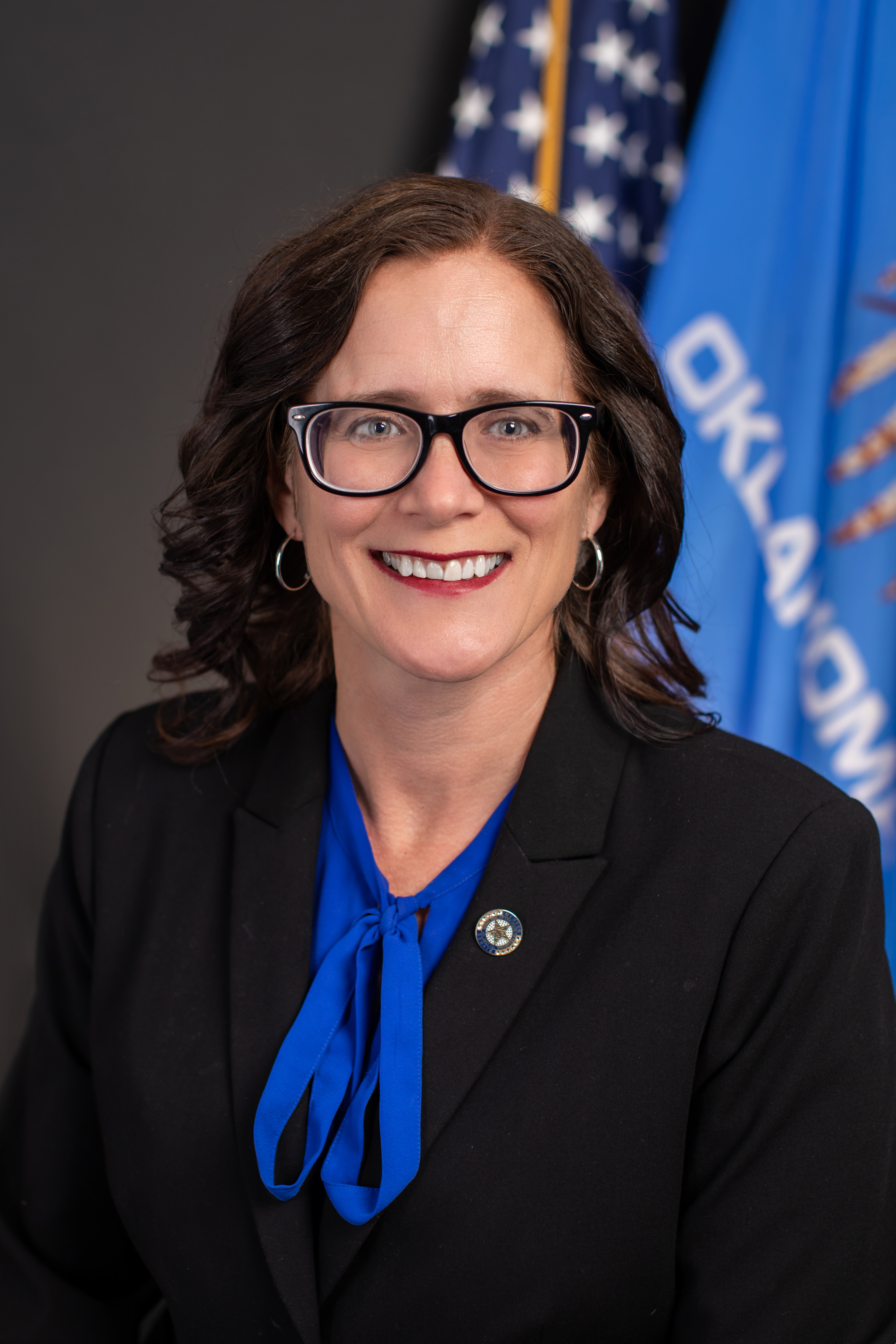
Julia Kirt
Julia Kirt Senate · District 30
D
Support
70% 174
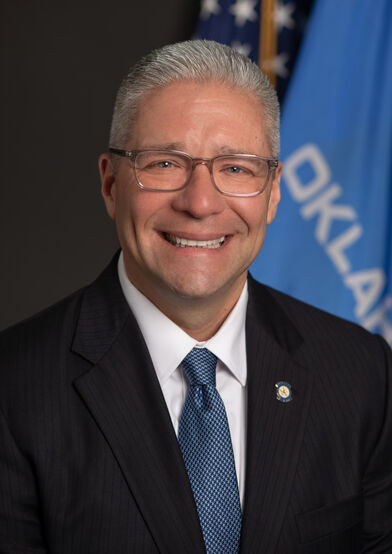
Brian Guthrie
Brian Guthrie Senate · District 25
R
Oppose
24% 158
Lisa Standridge
Lisa Standridge Senate · District 15
R
Oppose
26% 220
Jay Steagall
Jay Steagall House · District 43
R
Oppose
27% 149
Julie McIntosh
Julie McIntosh Senate · District 3
R
Oppose
28% 164
Dusty Deevers
Dusty Deevers Senate · District 32
R
Oppose
28% 156
Showing 41–50 of 139 bills

All criminal justice bills

signed · Oklahoma · Senate May 29, 2026

SB 1543: Driving under the influence; authorizing aggregation of certain offenses; creating felony offense. Effective date.

SB 1543 is a bill that reclassifies 34 existing offenses as Class C2 felonies in Oklahoma, including bribery, gambling violations, and certain property crimes, but its title incorrectly references "driving under the influence." The bill adds these offenses to Oklahoma's felony classification list (Section 20M of Title 21) while repealing multiple sections of law related to "persons under the influence" of alcohol. It does not change DUI penalties or create new DUI-related offenses; instead, it expands felony charges for unrelated crimes like financial exploitation of seniors and public official bribery. The bill's title appears inconsistent with its actual provisions based on the provided text.
passed · Oklahoma · House Apr 16, 2026

HB 3268: Motor vehicles; classifying the knowing display or manufacture of a fictious license plate as a Class D3 offenses; effective date.

HB 3268 amends Oklahoma law to classify the knowing display or manufacture of a fictitious license plate as a Class D3 criminal offense. This bill directly affects individuals who create, display, or sell fake vehicle license plates. The key provision adds this specific violation to the list of Class D3 offenses under Oklahoma Statutes, which include various agricultural, livestock, and commercial violations. The bill text shows this would be added as a new item (not listed in the provided excerpt) to the existing Class D3 offenses. Note: The bill title mentions "fictious" (a typo for "fictitious"), but the provided text shows the amendment references timber-related offenses (item 34), creating inconsistency in the context provided.
died · Oklahoma · House Feb 4, 2026

HB 3349: Crimes and punishments; updating language; effective date.

HB 3349 updates Oklahoma's legal definitions and penalties for human trafficking. It clarifies terms like "coercion" (including passport confiscation or controlling a person's access to substances) and "human trafficking for labor or commercial sex," defining specific acts like recruiting minors for prostitution. The bill increases penalties to a Class A2 felony with mandatory 85% prison time served (not less than 5 years for adults, 15 years for minors), requires restitution to victims, and bans probation for trafficking convictions. It directly affects traffickers, victims (especially minors), and courts handling these cases, while establishing that victims' consent or lack of knowledge about a victim's age cannot be used as defenses. The law takes effect November 1, 2026.
signed · Oklahoma · House May 4, 2026

HB 3497: Criminal procedure; appeals taken by the state or municipality; clarification; effective date.

HB 3497 expands when the state or local governments can appeal pretrial rulings in criminal cases. It specifically adds two new grounds for appeals: 1) decisions suppressing evidence in felony cases where appellate review serves justice, and 2) rulings suppressing evidence in cases involving specific drug or trafficking laws (Sections 13.1 of Title 21 and 571 of Title 57). The bill prioritizes these appeals and requires courts to pause proceedings while appeals are pending. This directly affects prosecutors and municipalities seeking to challenge evidence suppression before trial. The changes take effect November 1, 2026.
Sub-Topics Courts
passed · Oklahoma · House Apr 1, 2026

HB 3267: Crimes and punishments; Class C2 felony offenses; making certain acts unlawful; effective date.

HB 3267 adds 39 specific offenses to Oklahoma's Class C2 felony category, including bribery of public officials (such as legislators or county treasurers), pipeline sabotage, animal branding fraud, and certain gambling crimes. The bill directly affects individuals who commit these listed acts, classifying them as Class C2 felonies with corresponding penalties. Key mechanisms include expanding the legal definition of Class C2 offenses to include new provisions like "breaking and entering a commercial building" and "embezzlement by a county treasurer." This change takes effect upon the bill's passage, altering sentencing for these specific crimes under Oklahoma Statutes.
Sub-Topics Sentencing
passed · Oklahoma · Senate Apr 23, 2026

SB 1460: Crimes and punishments; modifying offenses in certain classes of felonies; creating felony offenses for second or subsequent offenses; adding offenses for which registration pursuant to the Sex Offenders Registration Act applies. Effective date.

SB 1460 expands Oklahoma's felony classification system by adding 35 specific offenses to Class B5 felonies, including repeat domestic violence convictions (like second assaults on intimate partners), stalking, and second or subsequent "peeping tom" offenses (using hidden cameras to capture private areas without consent). It also creates new felony penalties for gang-related activities, assaults on police officers or police animals, and certain animal cruelty crimes like dogfighting. The bill updates sex offender registration requirements to include these newly classified offenses. These changes apply to individuals convicted of these specific acts, effective January 1, 2026.
in committee · Oklahoma · Senate Feb 3, 2026

SB 2100: Crimes and punishment; modifying elements of certain offense; specifying punishments for certain offenses. Effective date.

SB 2100 modifies Oklahoma's false reporting laws to increase penalties for malicious false reports about crimes or missing children. It makes falsely reporting a felony a felony offense (instead of a misdemeanor), and creates a new Class D3 felony for falsely triggering an AMBER alert, punishable by up to 1 year in prison or a $1,000 minimum fine. The bill directly affects individuals who make false reports to law enforcement, aiming to deter misuse of emergency systems while preserving protections for genuine reports. It takes effect November 1, 2026.
in committee · Oklahoma · Senate Feb 3, 2026

SB 1803: Governmental Tort Claims Act; requiring adoption of law enforcement pursuit policies; prohibiting liability for certain actions. Effective date.

SB 1803 requires Oklahoma law enforcement agencies to adopt written pursuit policies and obtain "pursuit-ready" certification from the Council on Law Enforcement Education and Training. It mandates specific training on pursuit decision-making, risk assessment, and termination procedures, with the Council setting minimum training hours. The bill creates a legal presumption that fleeing suspects cause injuries during pursuits, shielding officers from liability unless intentional misconduct is proven by clear evidence. This applies directly to law enforcement agencies and officers conducting lawful pursuits, effective November 1, 2026.
Sub-Topics Law Enforcement
died · Oklahoma · Senate Mar 10, 2026

SB 1540: Crimes and punishments; creating felony offense related to child abuse. Effective date.

SB 1540 amends Oklahoma law to create new felony classifications for child abuse, neglect, and related offenses. It defines "child abuse" as willful or malicious harm by anyone responsible for a child's welfare, making it a Class A3 felony punishable by up to life in prison or fines up to $5,000. The bill also establishes "enabling child abuse" and "enabling child neglect" as separate Class A3 and Class B1 felonies, respectively, targeting those who facilitate harm to children. Additionally, it requires life without parole for repeat offenders convicted of first-degree rape, sodomy, or sexual abuse of a child. These provisions directly affect caregivers, parents, and institutions responsible for child safety.
died · Oklahoma · House Feb 4, 2026

HB 3766: Driving under the influence; updating statutory references; setting requirements for driving under the influence of a controlled substance; effective date.

HB 3766 amends Oklahoma's DUI statutes to update Class B3 criminal offenses, specifically adding two DUI-related offenses: third or subsequent DUI convictions (item 21) and driving with a blood alcohol concentration of 0.15% or higher (item 22). The bill also updates statutory references across multiple DUI-related sections (e.g., Sections 11-902, 11-904, and 11-906.4) and clarifies that metabolite presence alone cannot be used as evidence for DUI of controlled substances. It further specifies requirements for testing controlled substances and allows independent evidence in DUI cases. The bill affects individuals convicted of certain DUI offenses and updates legal references for law enforcement and courts.
Showing 41 to 50 of 139 bills
Previous 1 4 5 6 14 Next