Issue · Criminal Justice

Criminal Justice (Probation & Parole)

Every criminal justice bill, vote, and legislator stance in Oklahoma, automatically classified by Maddy, our AI policy reader.

Total bills
47
2026 Regular Session
Top supporter
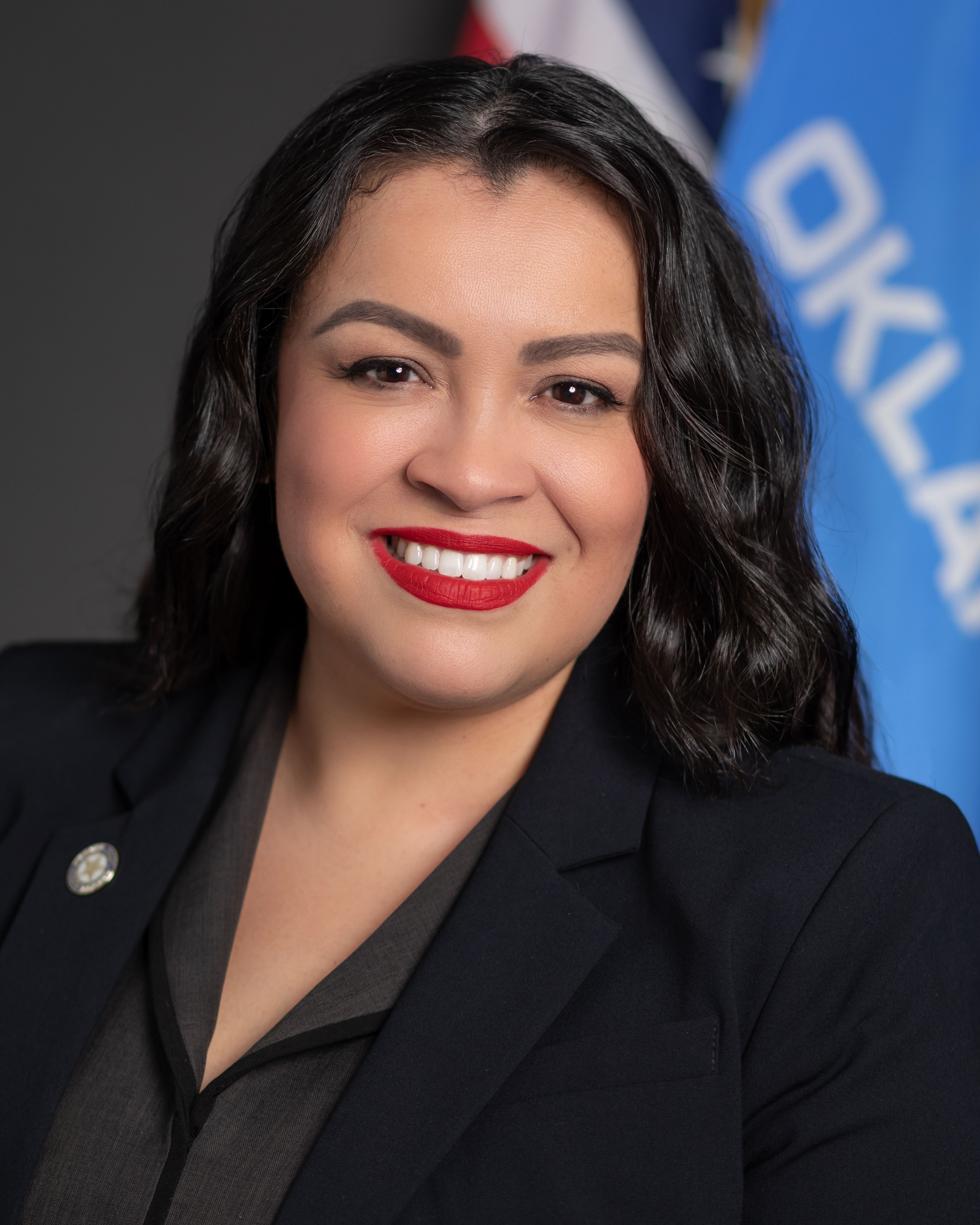
Annie Menz
100% support rate
Top opponent
Jay Steagall
0% support rate
Ranked legislators
10
5 support · 5 oppose
Key legislators

Who's moving probation & parole in Oklahoma

Legislators moving probation & parole in Oklahoma
Legislator Party Stance Support rate Votes
Annie Menz
Annie Menz House · District 45
D
Strong +
100% 6
Meloyde Blancett
Meloyde Blancett House · District 78
D
Strong +
100% 6
Amanda Clinton
Amanda Clinton House · District 71
D
Strong +
100% 5
Melissa Provenzano
Melissa Provenzano House · District 79
D
Strong +
88% 8
Michael Brooks
Michael Brooks Senate · District 44
D
Strong +
87% 15
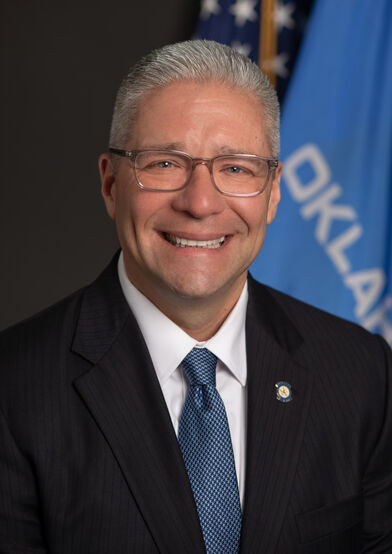
Jay Steagall
Jay Steagall House · District 43
R
Strong −
0% 5
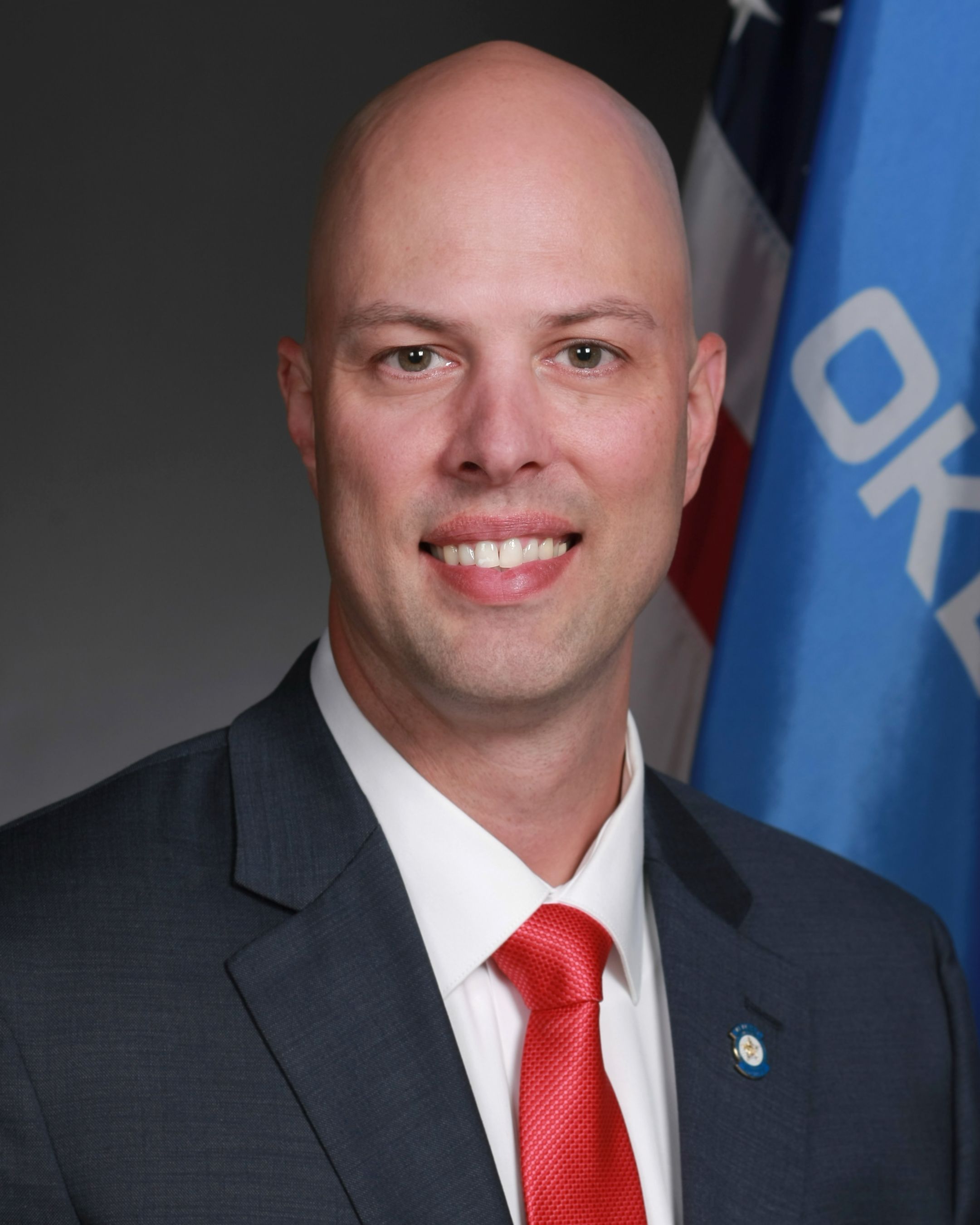
Dusty Deevers
Dusty Deevers Senate · District 32
R
Strong −
0% 4
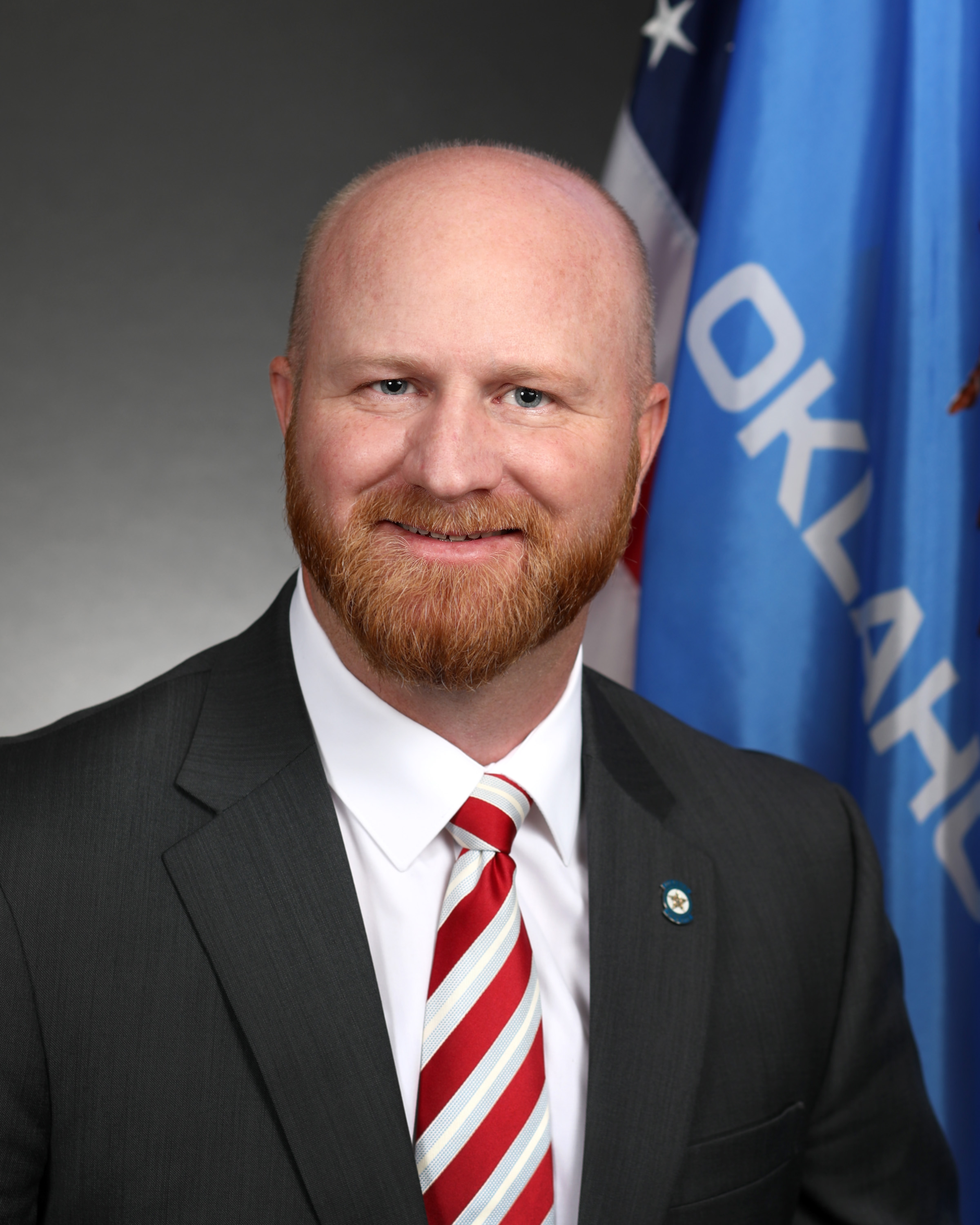
Brent Howard
Brent Howard Senate · District 38
R
Strong −
10% 10
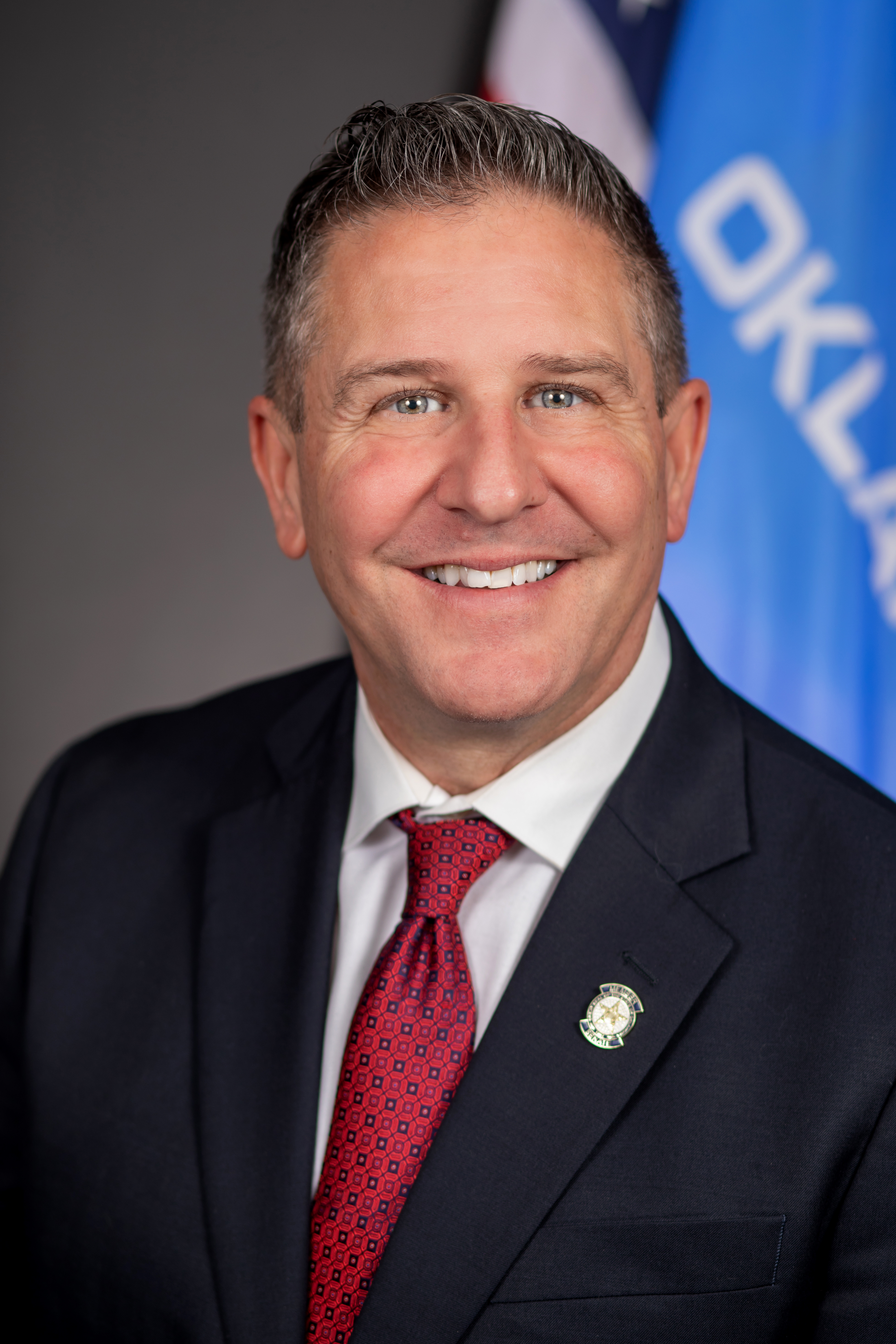
Todd Gollihare
Todd Gollihare Senate · District 12
R
Strong −
10% 10
Paul Rosino
Paul Rosino Senate · District 45
R
Strong −
11% 9
Showing 31–40 of 47 bills

All criminal justice bills

passed · Oklahoma · House Apr 1, 2025

HB 1968: Pardon and Parole Board; authorizing the Pardon and Parole Board to employ alternate members; establishing compensation; effective date.

HB 1968 authorizes Oklahoma's Pardon and Parole Board to appoint five alternate members with specific qualifications, including former prosecutors, public defenders, judges, mental health professionals, and corrections officers. The bill requires all board members and alternates to complete annual training on topics like offender rehabilitation and effective intervention methods. It establishes salaries of $85,000 per year for regular members and $42,500 for alternates, with pay tied to meeting attendance requirements. Additionally, the bill prohibits board members from representing inmates in legal matters to prevent conflicts of interest and mandates disclosure of potential conflicts.
Sub-Topics Probation & Parole
passed · Oklahoma · House Apr 10, 2025

HB 1860: Confidential records; requiring certain victim photographs submitted to the Pardon and Parole Board be kept confidential; clemency; Open Records Act; clemency hearing packets; effective date.

HB 1860 requires that crime scene and autopsy photographs of victims submitted to Oklahoma's Pardon and Parole Board for clemency hearings be kept confidential and not released to the public. It directly affects victims and their families whose images are used in such hearings, ensuring their privacy. The bill amends Oklahoma's Open Records Act to explicitly list these victim photographs as confidential records under Section 24A.5(p), preventing public disclosure. It also mandates that these photographs be included in a separate hearing packet for the Board, separate from other case materials.
Sub-Topics Probation & Parole
signed · Oklahoma · House May 12, 2025

HB 2364: Corrections; requiring inmates be assisted in receiving certain driver license before release; effective date.

HB 2364 requires Oklahoma's Department of Corrections to assist inmates without a current state-issued driver license or identification card in obtaining a REAL ID Noncompliant Driver License before release, or a REAL ID Noncompliant Identification Card if the license is unattainable. The department must begin this process at least nine months prior to release and provide employment-related documentation, including vocational records, birth certificates, and Social Security cards. Inmates over 65, those on medical parole, or in mental health units are exempt from preparing resumes or practicing job interviews. The bill becomes effective November 1, 2025.
in committee · Oklahoma · House Feb 4, 2025

HB 1320: Crimes and punishments; creating the Child Trafficking Protection Act of 2025; increasing penalties for certain unlawful act; effective date.

HB 1320 creates Oklahoma's "Child Trafficking Protection Act of 2025" by amending statutes to define human trafficking more broadly and significantly increase penalties. It specifically targets trafficking for commercial sex or labor, with harsher punishments: 5+ years to life for standard cases, and 15+ years to life without parole for offenses involving victims under 18. Key provisions include requiring offenders to pay victim restitution, mandating 85% of sentences be served before parole eligibility, and eliminating defenses based on victim consent or ignorance of a minor's age. The law directly affects traffickers and those exploiting victims, particularly minors, with stricter criminal consequences.
signed · Oklahoma · Senate May 12, 2025

SB 690: Prisons and reformatories; authorizing certain attainment of earned credits. Effective date.

SB 690 amends Oklahoma's correctional system to clarify how inmates earn sentence-reduction credits. It establishes four class levels (1-4) based on participation in work, education, and rehabilitation programs, with higher credits for better performance (e.g., Class 4 inmates earn 60 credits/month if they have no prior felony convictions). The bill prohibits earning credits for inmates convicted of crimes resulting in death of law enforcement or DOC staff, or for those violating probation. It also updates language to be gender-neutral and specifies that credits equal one day of reduced incarceration per credit. This law directly affects all Oklahoma state inmates serving sentences with the possibility of sentence reduction through earned credits.
passed · Oklahoma · House May 5, 2025

HB 1591: Crimes and punishments; adding specific crimes to list of offenses; effective date.

HB 1591 requires individuals convicted of 25 specific serious crimes in Oklahoma to serve at least 85% of their prison sentence before becoming eligible for parole. This applies to offenses like first-degree murder, child sex trafficking, domestic violence with weapons, human trafficking, and certain violent assaults. The bill prohibits earned credits or other sentence reductions that would allow offenders to serve less than 85% of their sentence. It becomes effective November 1, 2025, and directly affects those sentenced for the listed crimes under Oklahoma law.
in committee · Oklahoma · House Feb 13, 2025

HB 2067: Crimes and punishments; creating the Oklahoma Crimes and Punishments Act of 2025; effective date.

HB 2067 creates a process for people convicted of crimes in Oklahoma to seek relief based on new or undermining forensic scientific evidence. It allows convicted individuals (including those incarcerated, on parole, or who completed sentences) to file petitions if they now have evidence unavailable at trial or that contradicts evidence used at trial. Courts must determine if the evidence would likely change the trial outcome, and if so, may grant relief like a new trial, dismissal of charges, or release. The bill defines "forensic scientific evidence" broadly to include scientific methods, expert opinions, and reports, while protecting experts from liability for revised opinions based on new science.
Sub-Topics Probation & Parole
in committee · Oklahoma · Senate Feb 26, 2026

SB 1372: Probation; permitting certain offenders to receive completion and education credits under certain circumstances. Effective date.

SB 1372 allows eligible Oklahoma probationers to shorten their probation term by earning credits. Offenders who complete their first year of probation or earn a high school diploma, college degree, or vocational certificate can receive credits equal to 1/4 of their probation length. Supervising agencies must track these credits, notify offenders annually about their projected termination date, and inform courts when credits qualify for early termination. The bill excludes those convicted of certain serious offenses (like specific sex crimes or violent felonies) and allows offenders who complete education after probation ends to file a court motion for credit reduction.
in committee · Oklahoma · Senate Mar 16, 2026

SB 1245: Felony offenses; modifying application of certain deferred judgement procedure. Effective date.

SB 1245 modifies which felony offenses qualify for deferred judgment procedures in Oklahoma. It specifically affects defendants charged with certain felony offenses listed in the bill, including bribery (e.g., offering bribes to legislators or judicial officers), embezzlement (e.g., by county treasurers or public officials), burglary, fraud involving $15,000 or more, and commercial gambling. The bill changes eligibility rules so that these offenses may no longer be eligible for deferred judgment, meaning convictions would require immediate sentencing instead of potential probation. This policy change directly impacts criminal defendants facing these specific charges and alters how Oklahoma courts handle their cases. The bill repeals outdated DUI-related statutes but focuses primarily on revising felony sentencing procedures.
in committee · Oklahoma · House Feb 4, 2025

HB 2923: Prisoner reentry; creating the Oklahoma Prisoner Reentry Pilot Program; stating purpose of pilot program; codification; effective date.

HB 2923 creates the Oklahoma Prisoner Reentry Pilot Program to support inmates transitioning from prison to community life. It directly affects inmates under the Department of Corrections' jurisdiction who have a medium or high risk of felony re-arrest, focusing on those in counties with over 500,000 residents. The bill requires the Department to provide case management services connecting participants to 14 specific support areas, including housing, job training, healthcare, substance abuse treatment, and transitional services like transportation. The program must be evaluated annually to assess recidivism reduction, with results reported to the Legislature and Governor, and becomes effective November 1, 2025.
Showing 31 to 40 of 47 bills
Previous 1 3 4 5 Next