Issue · Criminal Justice

Criminal Justice (Policing)

Every criminal justice bill, vote, and legislator stance in Oklahoma, automatically classified by Maddy, our AI policy reader.

Total bills
35
2026 Regular Session
Top supporter
Mark Mann
100% support rate
Top opponent
George Burns
17% support rate
Ranked legislators
10
5 support · 5 oppose
Key legislators

Who's moving policing in Oklahoma

Legislators moving policing in Oklahoma
Legislator Party Stance Support rate Votes
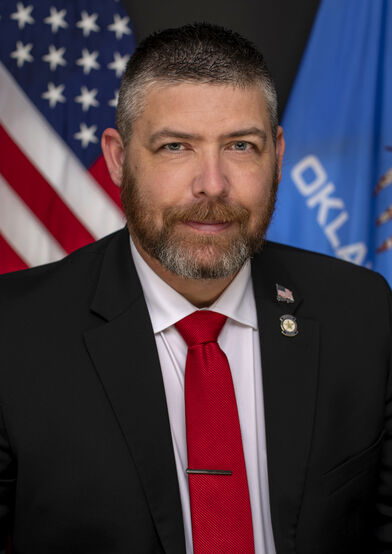
Mark Mann
Mark Mann Senate · District 46
D
Strong +
100% 3
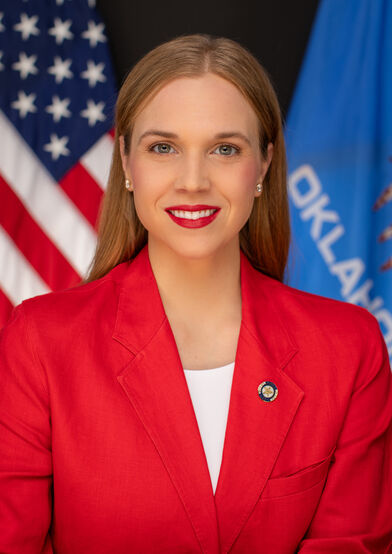
Nikki Nice
Nikki Nice Senate · District 48
D
Strong +
80% 5
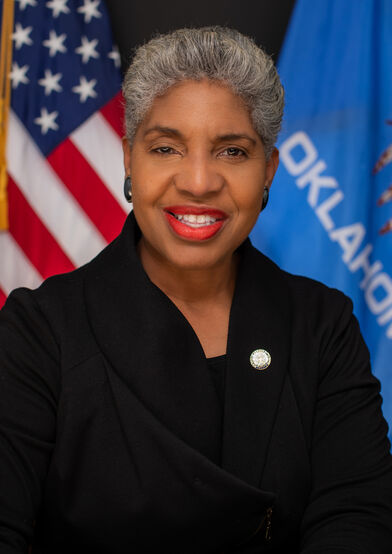
Regina Goodwin
Regina Goodwin Senate · District 11
D
Strong +
80% 5
Carri Hicks
Carri Hicks Senate · District 40
D
Support
75% 4
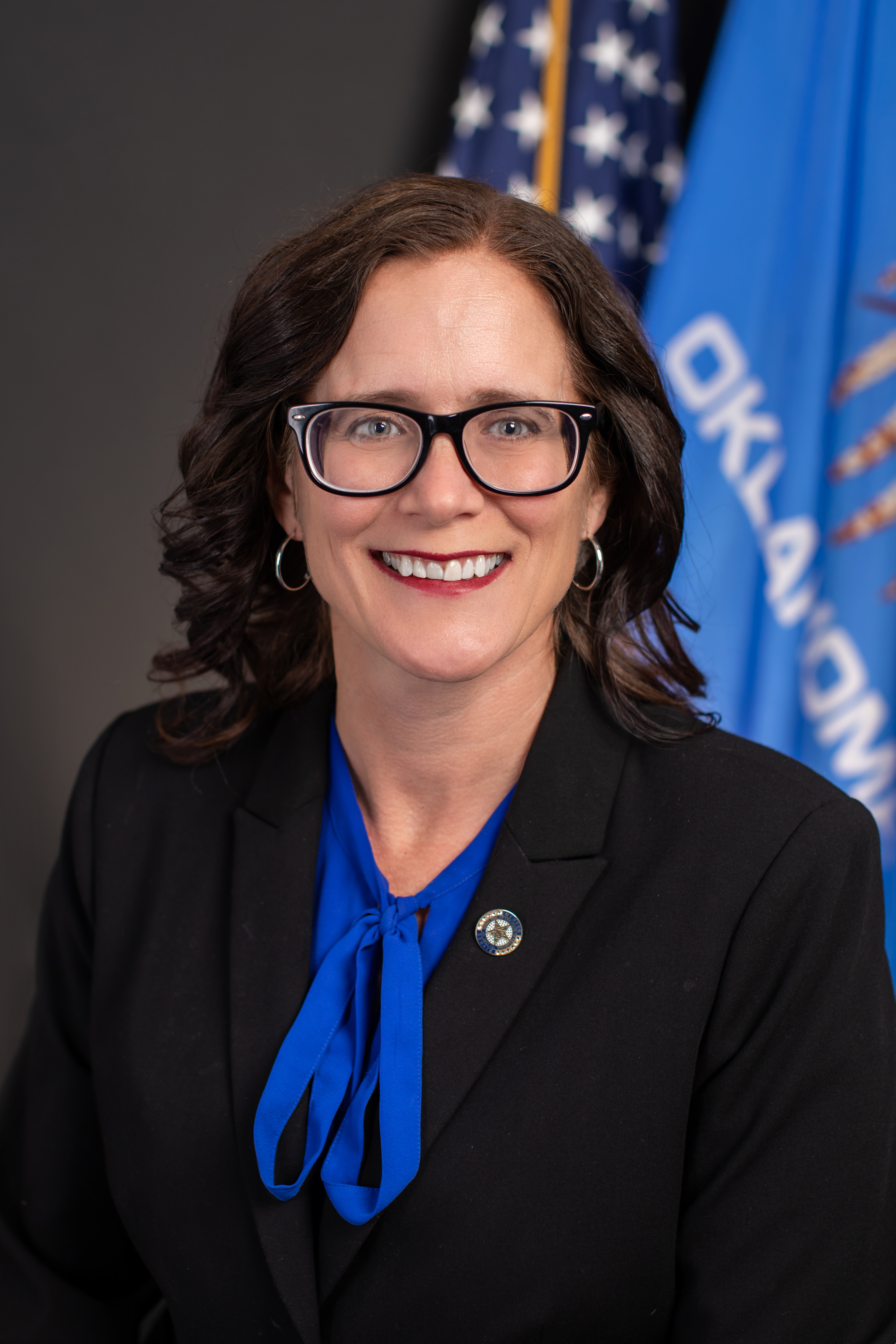
Julia Kirt
Julia Kirt Senate · District 30
D
Support
75% 4
George Burns
George Burns Senate · District 5
R
Strong −
17% 6
Dana Prieto
Dana Prieto Senate · District 34
R
Strong −
20% 5
Darrell Weaver
Darrell Weaver Senate · District 24
R
Strong −
20% 5
Jonathan Wingard
Jonathan Wingard Senate · District 13
R
Strong −
20% 5
Kendal Sacchieri
Kendal Sacchieri Senate · District 43
R
Strong −
20% 5
Showing 31–35 of 35 bills

All criminal justice bills

in committee · Oklahoma · House Feb 4, 2025

HB 2186: Pretrial data; Pretrial Collection Data Act; requiring certain entities to collect specific data; effective date.

HB 2186, the "Pretrial Data Collection Act," requires Oklahoma police departments, sheriff offices, and county jails to collect and report specific data about individuals in pretrial detention starting January 1, 2026. It mandates monthly collection of demographic details (like race, age, ZIP code, and unhoused status), offense information, mental health/substance use disorder status, jail costs, and facility metrics (such as operational capacity and average stay length). This data must be submitted to the Oklahoma State Bureau of Investigation and published publicly in machine-readable format by July 2026. The bill directly affects law enforcement agencies, county jails, and the public, aiming to standardize pretrial data for transparency and analysis.
in committee · Oklahoma · Senate Feb 4, 2025

SB 1056: Torts; stating liability of peace officers for injuries related to the deprivation of certain rights; prohibiting the assertion of qualified immunity as a defense to liability. Effective date.

SB 1056 creates direct liability for Oklahoma peace officers (including police and deputies) who, under color of law, cause others to suffer injuries from the deprivation of rights protected by the Bill of Rights or Oklahoma Constitution’s Article II. The bill removes qualified immunity as a defense in such cases and prohibits statutory immunities or limitations on liability from applying to these claims. It requires employers to indemnify officers for judgments or settlements arising under this law, except when an officer acted recklessly or was convicted of a related crime. The law also mandates courts to award reasonable attorney fees to winning plaintiffs and takes effect November 1, 2025.
Sub-Topics Policing
signed · Oklahoma · Senate May 14, 2025

SB 657: Justifiable homicide; authorizing appeal of certain ruling to Court of Criminal Appeals. Effective date.

SB 657 (Oklahoma Senate Bill 657) allows police officers and others acting under their command to appeal pretrial rulings finding their use of deadly force unjustified directly to the Oklahoma Court of Criminal Appeals within 10 days. The law requires the court to give these appeals priority and automatically stays the underlying case while the appeal is pending. Officers who miss the 10-day deadline forfeit the immediate appeal but retain the right to raise the issue at trial or on direct appeal. The bill amends Oklahoma Statute 21 O.S. 2021, Section 732, and takes effect November 1, 2025.
in committee · Oklahoma · Senate Feb 24, 2025

SB 537: Cities and towns; requiring removal of vagrant within certain distance of business upon certain determination. Effective date.

SB 537 amends Oklahoma's vagrancy law to allow business owners to request police removal of individuals deemed "vagrants" (defined as those in public/private space for illegal purposes) who are within 12 feet of their business doorway. If police confirm the person meets this definition, they must relocate the individual at least one-half mile away from the business, ensuring the new location is not within one-quarter mile of any other business. This bill directly affects businesses seeking to address perceived disruptions, individuals potentially relocated under the policy, and law enforcement officers carrying out the procedure. The law takes effect November 1, 2025.
passed · Oklahoma · Senate Apr 17, 2025

SB 871: Crimes and punishments; required service of minimum percentage of sentence; modifying statutory references to certain criminal offenses. Effective date.

SB 871 modifies Oklahoma's law against eluding police officers by updating penalty structures for different offenses. For first-time offenders, it increases the maximum fine for misdemeanor eluding from $2,000 to $5,000 and raises the jail term for second offenses to up to one year. If eluding endangers others, the offense becomes a felony punishable by 1-5 years in state prison; if it causes "great bodily injury" (defined as serious harm like permanent disfigurement or long-term disability), penalties increase to 1-7 years. The bill also clarifies legal language around these offenses and takes effect November 1, 2025. It directly affects drivers convicted of eluding police in Oklahoma.
Sub-Topics Corrections Policing
Showing 31 to 35 of 35 bills
Previous 1 2 3 4