Issue · Criminal Justice

Criminal Justice (Law Enforcement)

Every criminal justice bill, vote, and legislator stance in Oklahoma, automatically classified by Maddy, our AI policy reader.

Total bills
88
2026 Regular Session
Top supporter
Trey Caldwell
100% support rate
Top opponent
Brian Guthrie
17% support rate
Ranked legislators
10
5 support · 5 oppose
Key legislators

Who's moving law enforcement in Oklahoma

Legislators moving law enforcement in Oklahoma
Legislator Party Stance Support rate Votes
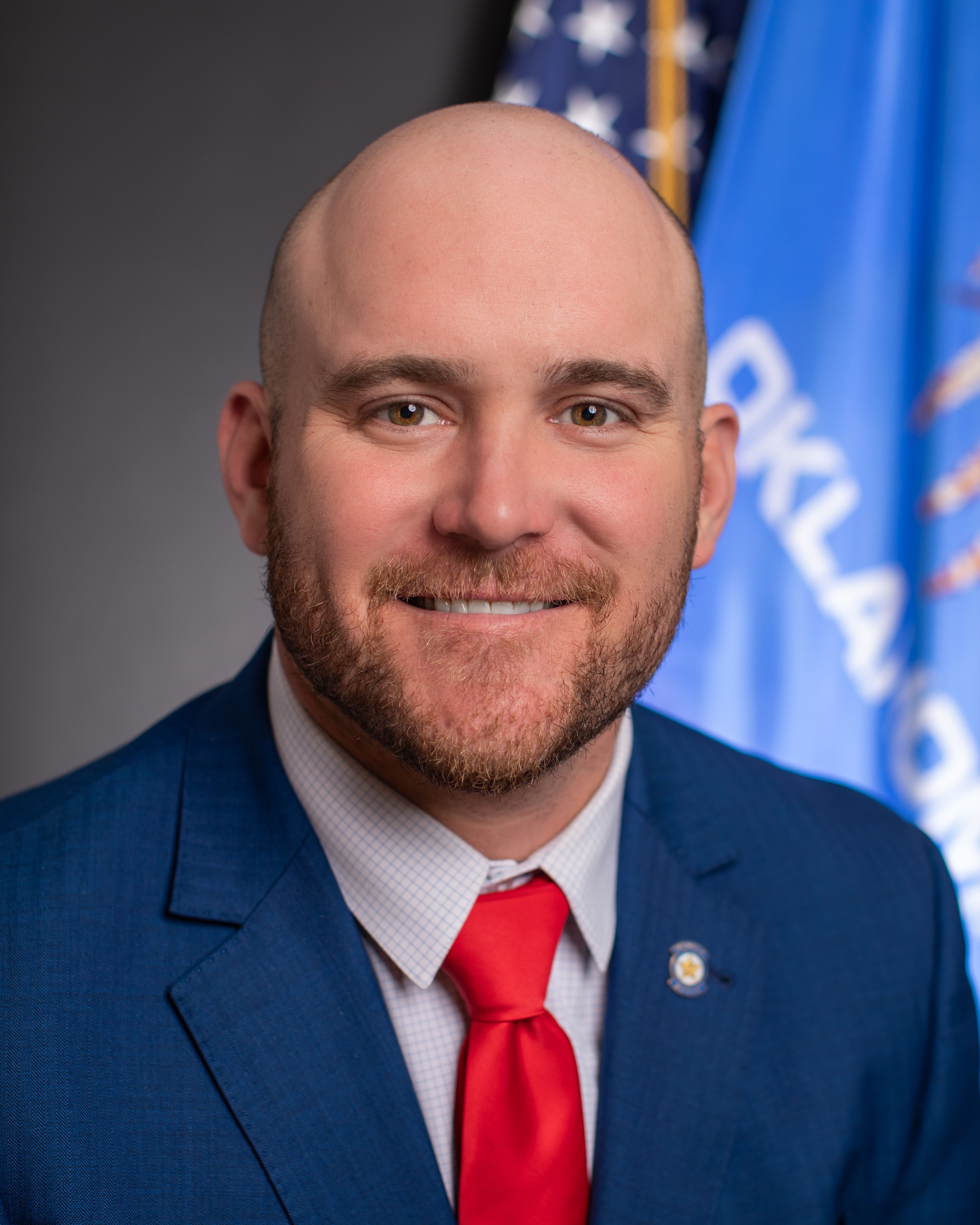
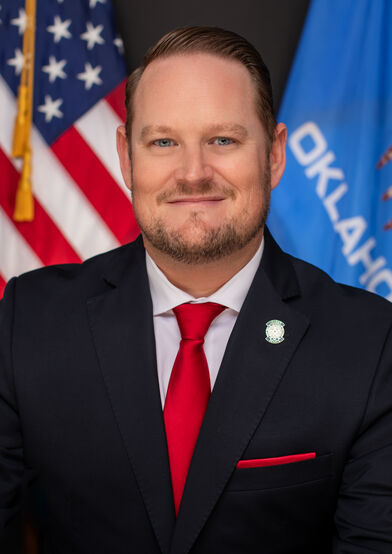
Trey Caldwell
Trey Caldwell House · District 63
R
Strong +
100% 5
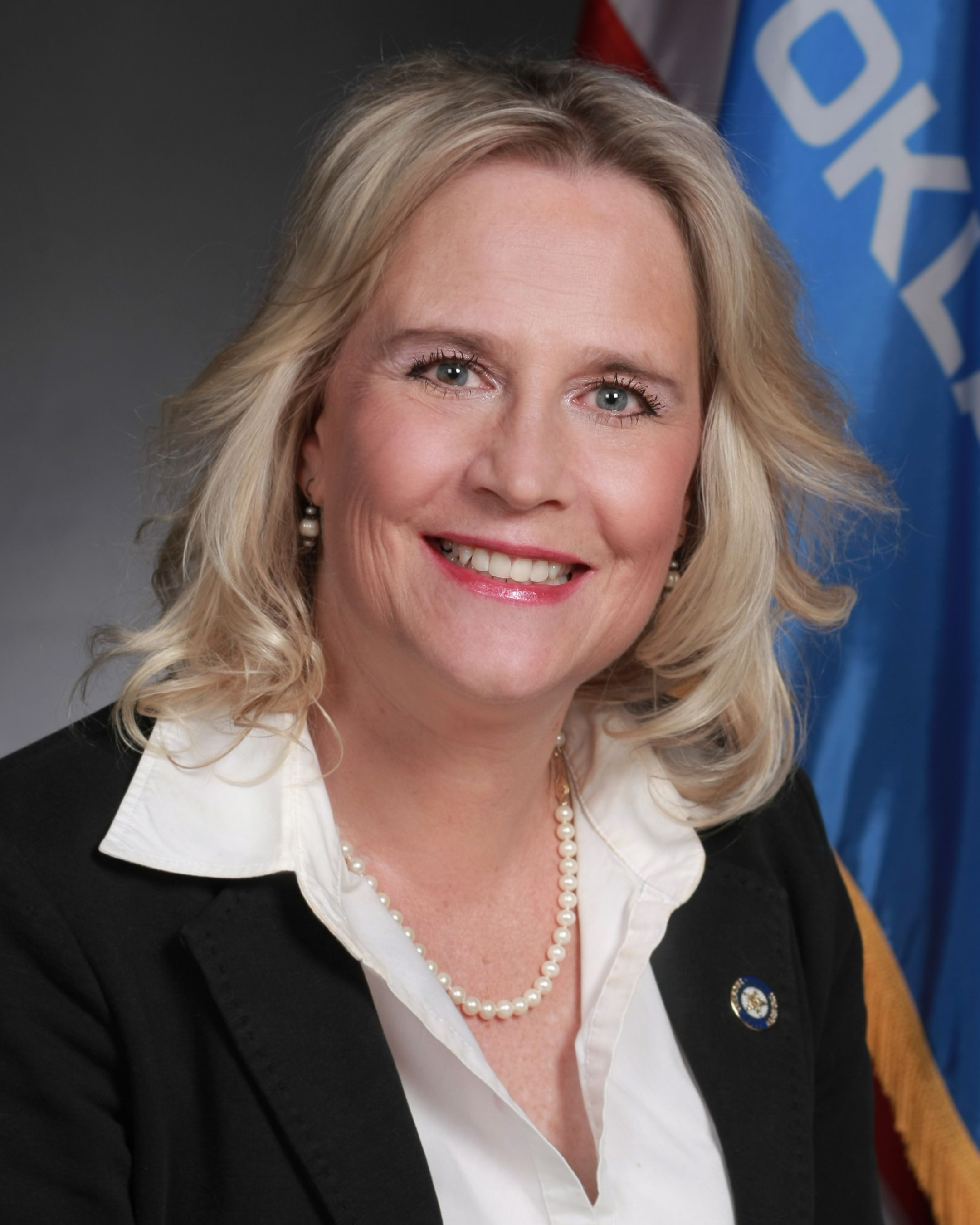
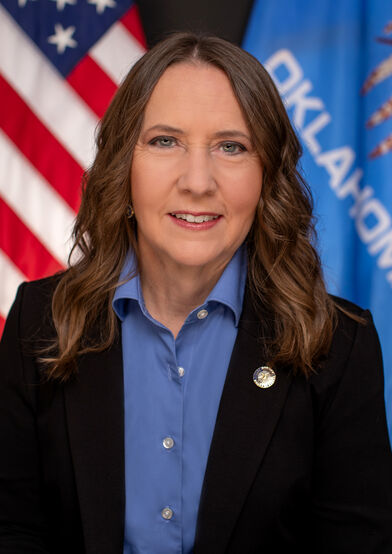
Nicole Miller
Nicole Miller House · District 82
R
Strong +
100% 4
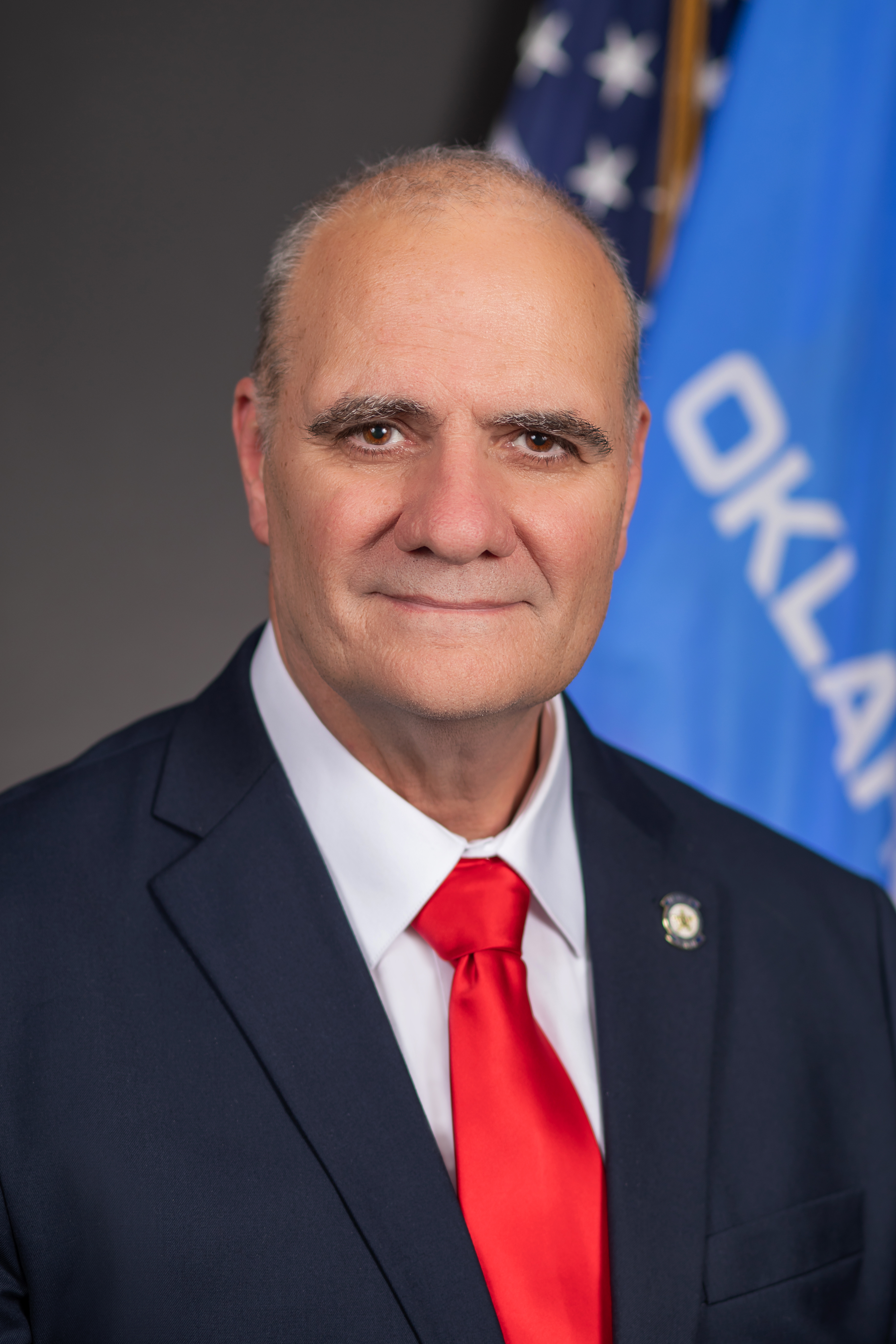
Bryan Logan
Bryan Logan Senate · District 8
R
Strong +
100% 3
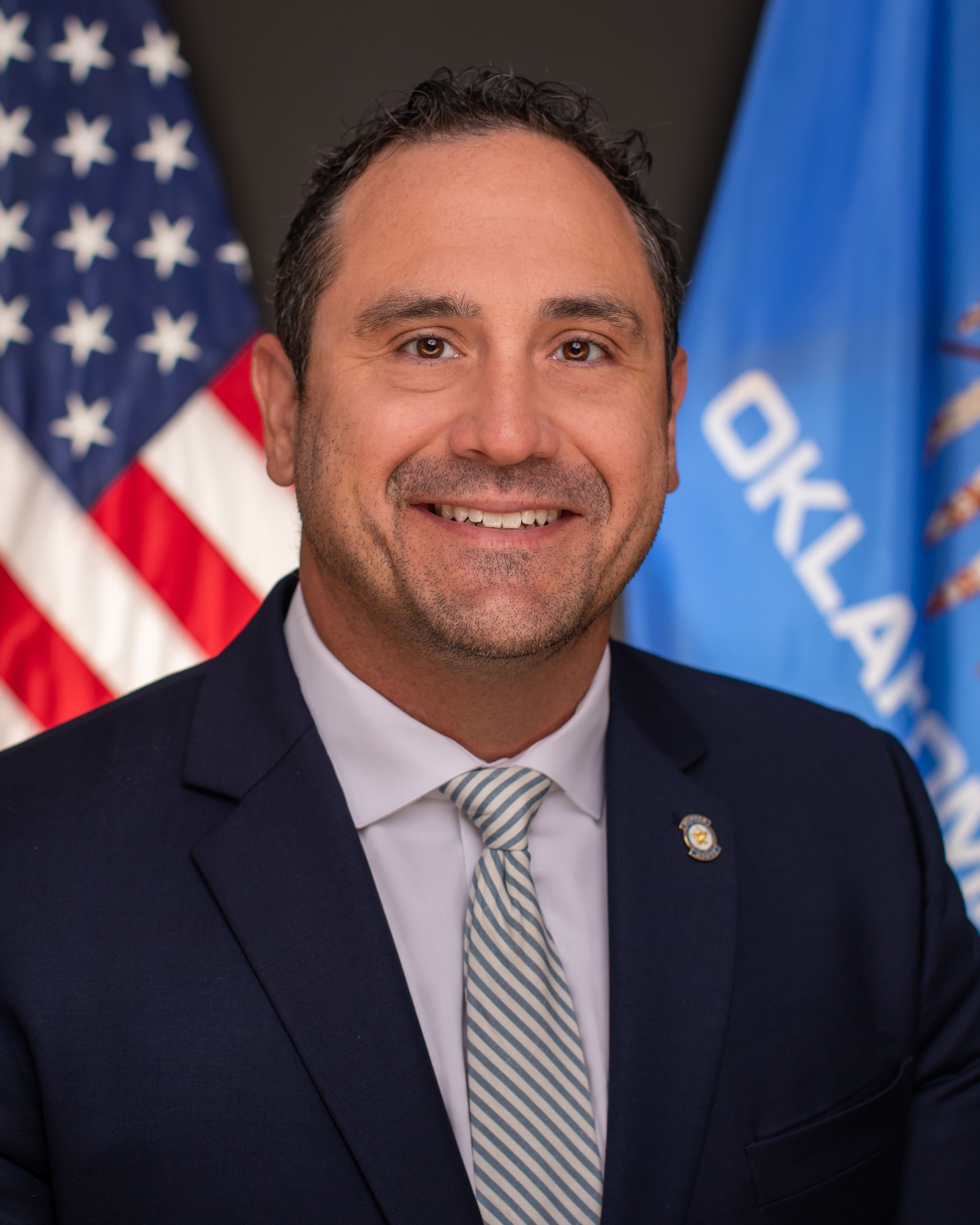
Nick Archer
Nick Archer House · District 55
R
Strong +
100% 3
Eddy Dempsey
Eddy Dempsey House · District 1
R
Strong +
88% 8
Brian Guthrie
Brian Guthrie Senate · District 25
R
Strong −
17% 6
Julie McIntosh
Julie McIntosh Senate · District 3
R
Strong −
17% 6
Lisa Standridge
Lisa Standridge Senate · District 15
R
Strong −
17% 6
Dana Prieto
Dana Prieto Senate · District 34
R
Oppose
25% 8
Dusty Deevers
Dusty Deevers Senate · District 32
R
Oppose
29% 7
Showing 31–40 of 88 bills

All criminal justice bills

in committee · Oklahoma · Senate Feb 3, 2026

SB 1666: Torts; stating liability of peace officers for injuries related to the deprivation of certain rights. Effective date.

SB 1666 holds peace officers (state or local law enforcement) personally liable when they, under color of law, deprive individuals of rights protected by Oklahoma's Bill of Rights (Article II), including through inaction. It removes qualified immunity as a defense, prohibits statutory immunity for such claims, and requires courts to award reasonable attorney fees to successful plaintiffs. Employers must indemnify officers for liability arising under this law, unless the officer acted without good faith or was convicted of a related crime, in which case the officer bears limited personal responsibility. The law directly affects peace officers, their employers, and individuals seeking redress for rights violations by law enforcement.
Sub-Topics Law Enforcement
in committee · Oklahoma · House Feb 18, 2026

HB 3763: Law enforcement; providing for additional mandatory continuing education on certain issues; effective date.

HB 3763 requires all active, CLEET-certified law enforcement officers in Oklahoma to complete additional mandatory training annually. Full-time officers must complete 25 hours yearly, including 2 hours on mental health and 2 hours on domestic violence/intimate partner violence protocols. Reserve officers must complete 8 hours yearly, including 1 hour on each topic. The bill also mandates training on sexual assault response protocols (already required since 2019) and specifies certification suspension for non-compliance after written notice. It becomes effective November 1, 2026.
in committee · Oklahoma · House Feb 3, 2026

HB 3836: Asset forfeiture; creating the Asset Forfeiture Due Process and Property Rights Restoration Act; defining terms; repealers; codification; effective date.

HB 3836 creates the "Asset Forfeiture Due Process and Property Rights Restoration Act" to reform Oklahoma's asset forfeiture process. It requires the state to prove property forfeiture with "clear and convincing evidence" (not just preponderance of evidence), mandates property return within 15 days if charges are dismissed or not filed within 60 days, and imposes penalties on agencies that violate these timelines (including $250/day fines and attorney fees). The bill directly affects property owners whose assets are seized and law enforcement agencies handling forfeitures, while directing all forfeiture proceeds to the state General Revenue Fund. Key provisions include protecting innocent owners, prohibiting transfers of retained property to federal agencies, and adding criminal penalties for agency misconduct.
Sub-Topics Law Enforcement
in committee · Oklahoma · Senate Feb 3, 2026

SB 2035: Torts; prohibiting the assertion of qualified immunity as a defense to liability. Effective date.

SB 2035 removes qualified immunity as a legal defense for peace officers (state or local law enforcement) who violate constitutional rights under the Bill of Rights or Oklahoma Constitution. It directly affects injured parties filing lawsuits and peace officers facing liability claims. Key provisions require officers to be personally liable for such violations, prohibit statutory immunities from applying, mandate attorney fee awards to winning plaintiffs, and require employers to cover most costs - except when officers acted in bad faith or were convicted of crimes. The bill takes effect November 1, 2026.
Sub-Topics Law Enforcement
in committee · Oklahoma · House Feb 3, 2026

HB 3202: Law enforcement training; requiring medical ethics and medical law in continuing education curriculum; effective date.

HB 3202 requires all CLEET-certified law enforcement officers in Oklahoma (both active full-time and reserve) to complete two hours of annual training on medical ethics and medical law starting November 1, 2026. The training must cover specific topics including patient rights, informed consent, HIPAA privacy rules, recognizing medical neglect, ethical decision-making in healthcare, and interactions with medical providers during emergencies. CLEET must collaborate with medical professionals and legal experts to develop and update a standardized curriculum for this training. Non-compliance with this requirement may lead to suspension of an officer's certification.
Sub-Topics Law Enforcement
passed · Oklahoma · House Apr 15, 2026

HB 3287: Public health and safety; directing hospitals and health care facilities to post certain signage; codification; effective date.

HB 3287 requires all Oklahoma hospitals and healthcare facilities to post clear signage in visible and private areas, stating: "If you are a victim of domestic abuse or human trafficking for commercial sex, please notify the staff of this facility immediately." The bill mandates facilities to create protocols for reporting suspected abuse or trafficking cases to law enforcement before a patient's discharge or release, while also including procedures to protect victims from contact with alleged perpetrators during this process. The State Department of Health must establish rules for signage size, placement, and format. This law takes effect on November 1, 2026, directly impacting healthcare providers and supporting victims of domestic violence and human trafficking.
in committee · Oklahoma · Senate Feb 3, 2026

SB 1498: Labor; prohibiting certain hiring practices; permitting certain policies during the hiring process; providing exceptions to applicability of provisions. Effective date.

SB 1498 prohibits Oklahoma employers (both public and private) from asking about an applicant's criminal history or obtaining criminal record information before making a conditional job offer. Employers may only ask about criminal convictions that would legally disqualify someone for a specific job under federal, state, or local law. The law does not apply to "sensitive positions" (like school staff, law enforcement, or roles involving vulnerable adults) or jobs where law requires criminal record checks. It takes effect November 1, 2026.
Sub-Topics Law Enforcement
in committee · Oklahoma · House Feb 12, 2026

HB 2993: Rural law enforcement; creating the Rural Law Enforcement Grant Fund Act; directing the Attorney General to distribute monies via the Rural Law Enforcement Grant Fund; codification; effective date.

HB 2993 creates 11 rural law enforcement coordination districts across Oklahoma, each covering specific counties (e.g., District 1 includes Washington and Craig Counties). It establishes law enforcement coordinators for each district - requiring 10 years of experience or certification - to serve as liaisons, assist agencies with grant applications for personnel/equipment, and provide technical support. The bill also creates a dedicated "Rural Law Enforcement Coordination Revolving Fund" in the State Treasury to finance coordinator salaries and district operations. This fund is a continuing account not subject to annual budget limits. The law takes effect November 1, 2026.
Sub-Topics Law Enforcement
signed · Oklahoma · Senate May 11, 2026

SB 1636: Law enforcement; requiring certain review upon certain request; clarifying individuals authorized to make certain review. Effective date.

SB 1636 creates a formal process for reviewing cold cases at the Oklahoma State Bureau of Investigation (OSBI). It defines "cold cases" as violent crimes with exhausted leads and unidentified perpetrators, and establishes that immediate family members can request a "case file review" of these cases. The bill requires the OSBI to complete reviews within 60 days (with possible 30-day extensions), mandates coordination with law enforcement, and sets specific criteria for when reviews can be initiated. This procedural bill directly affects families of cold case victims by providing a structured way to seek updates on unresolved investigations.
Sub-Topics Law Enforcement
in committee · Oklahoma · House Feb 3, 2026

HB 3283: Crimes and punishments; modifying burden of proof requirement for forfeiture proceedings; effective date.

HB 3283 modifies Oklahoma's criminal forfeiture law by raising the standard of proof required for property seizures. It requires prosecutors to prove illegal use of seized property by "clear and convincing evidence" rather than a lower standard, directly affecting property owners in forfeiture cases. Key provisions protect innocent owners and lienholders by allowing them to prove they had no knowledge of illegal use, potentially preventing forfeiture if they hold a valid claim. The bill also clarifies how proceeds from forfeited property must be distributed, prioritizing victims and law enforcement costs. It takes effect November 1, 2026.
Sub-Topics Law Enforcement
Showing 31 to 40 of 88 bills
Previous 1 3 4 5 9 Next