Issue · Criminal Justice

Criminal Justice (Domestic Violence)

Every criminal justice bill, vote, and legislator stance in Oklahoma, automatically classified by Maddy, our AI policy reader.

Total bills
35
2026 Regular Session
Top supporter
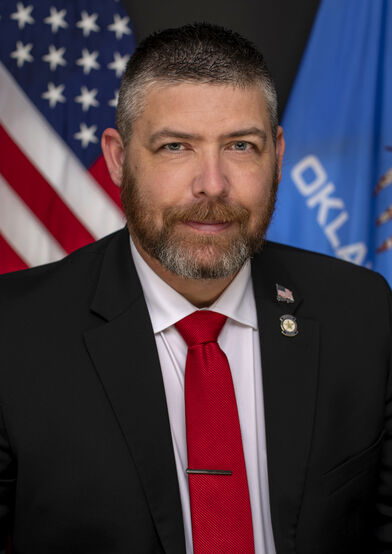
Rande Worthen
83% support rate
Top opponent
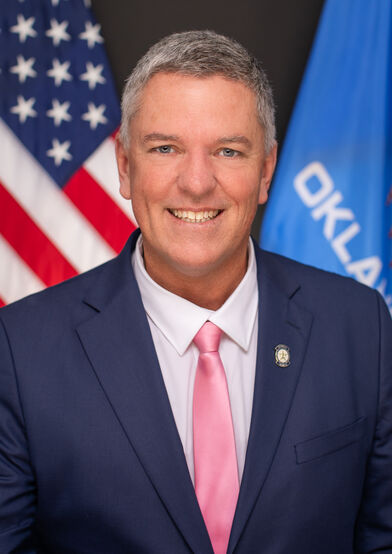
John Pfeiffer
0% support rate
Ranked legislators
10
5 support · 5 oppose
Key legislators

Who's moving domestic violence in Oklahoma

Legislators moving domestic violence in Oklahoma
Legislator Party Stance Support rate Decisive votes
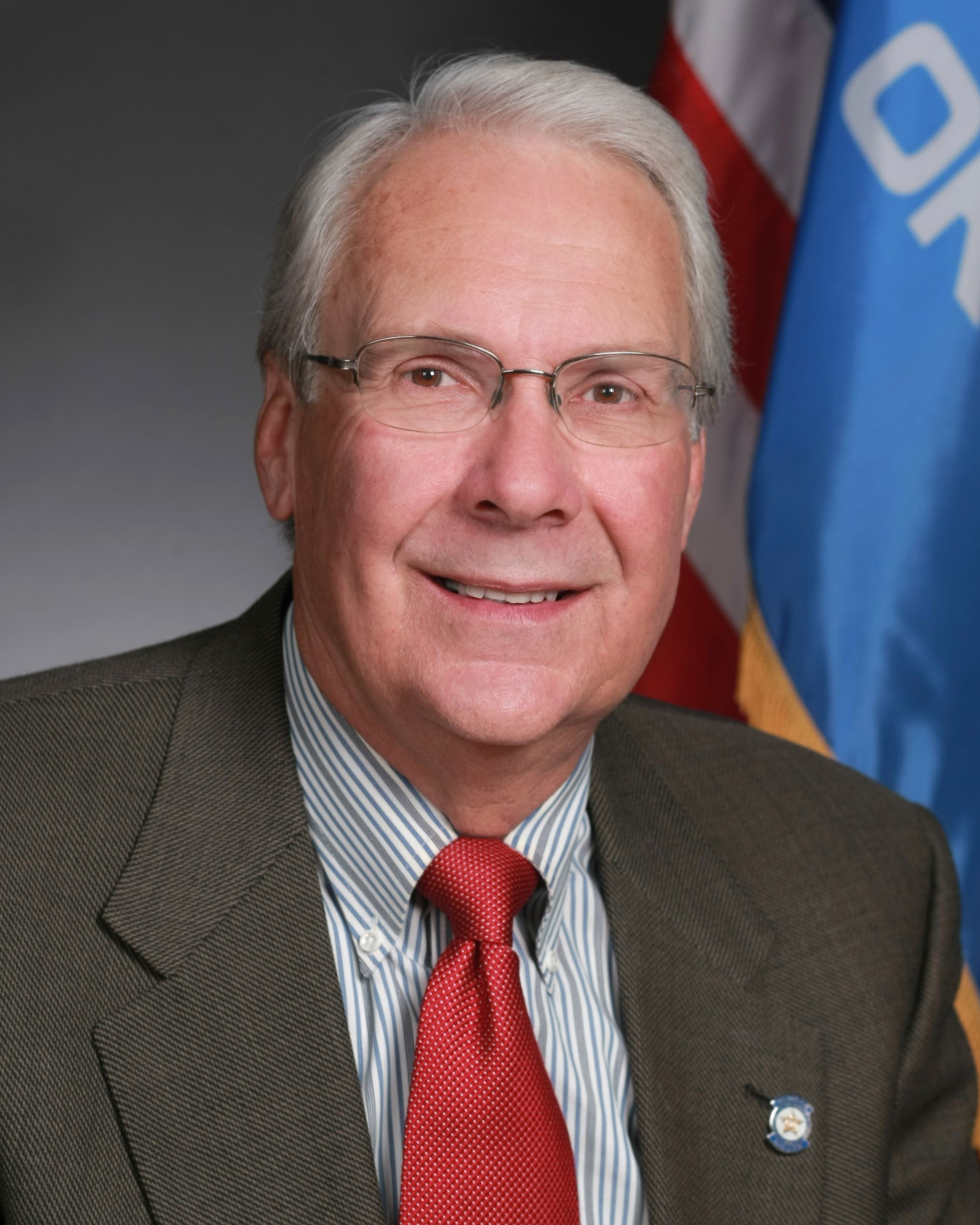
Rande Worthen
Rande Worthen House · District 64
R
Strong +
83% 6
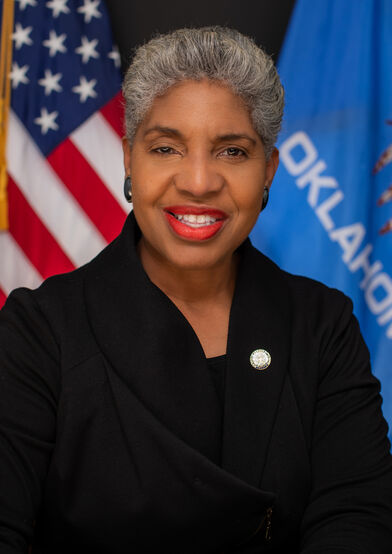
Regina Goodwin
Regina Goodwin Senate · District 11
D
Strong +
80% 5
Andy Fugate
Andy Fugate House · District 94
D
Support
75% 4
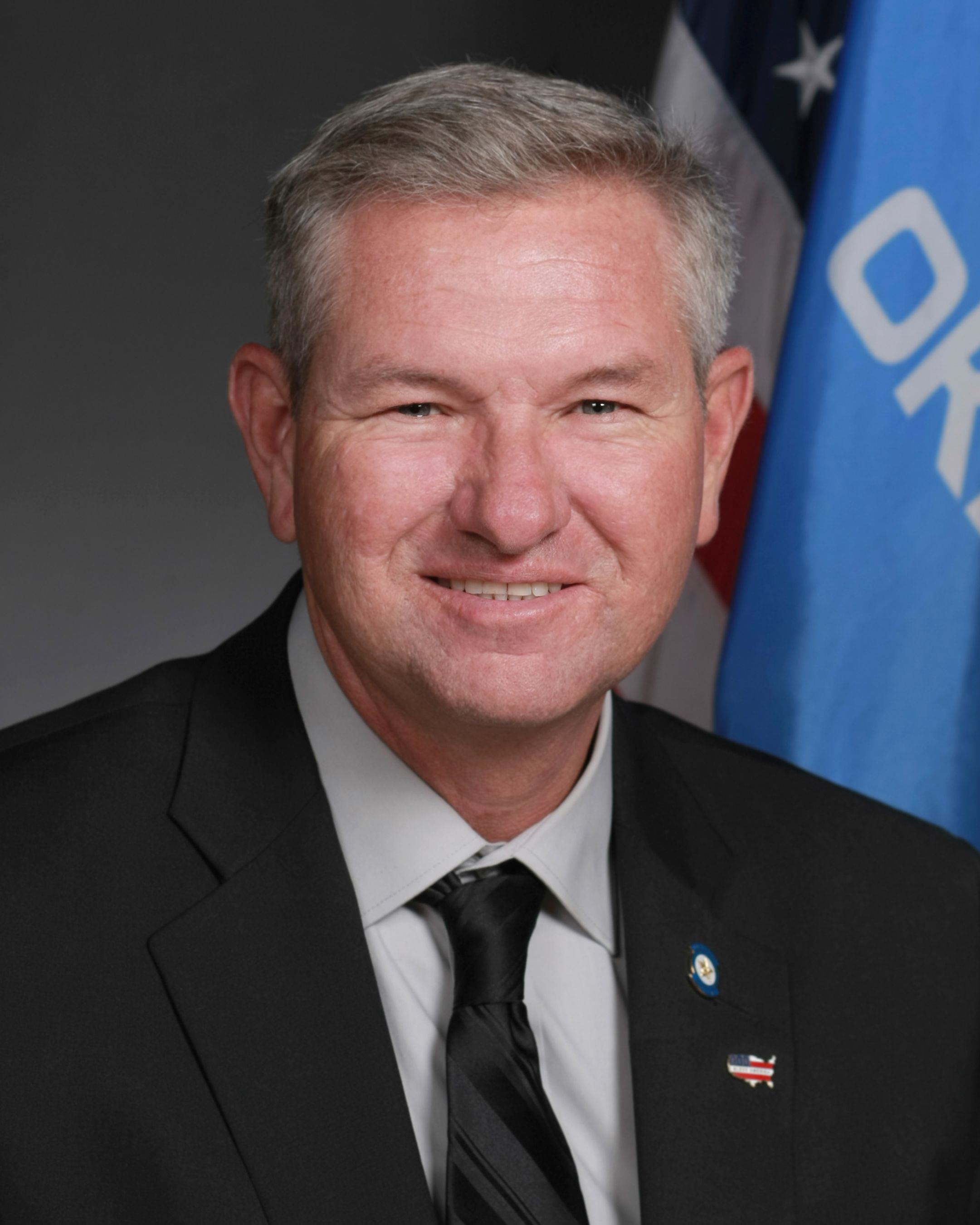
David Smith
David Smith House · District 18
R
Support
75% 4
Ellyn Hefner
Ellyn Hefner House · District 87
D
Support
75% 4
John Pfeiffer
John Pfeiffer House · District 38
R
Strong −
0% 3
Josh West
Josh West House · District 5
R
Strong −
0% 3
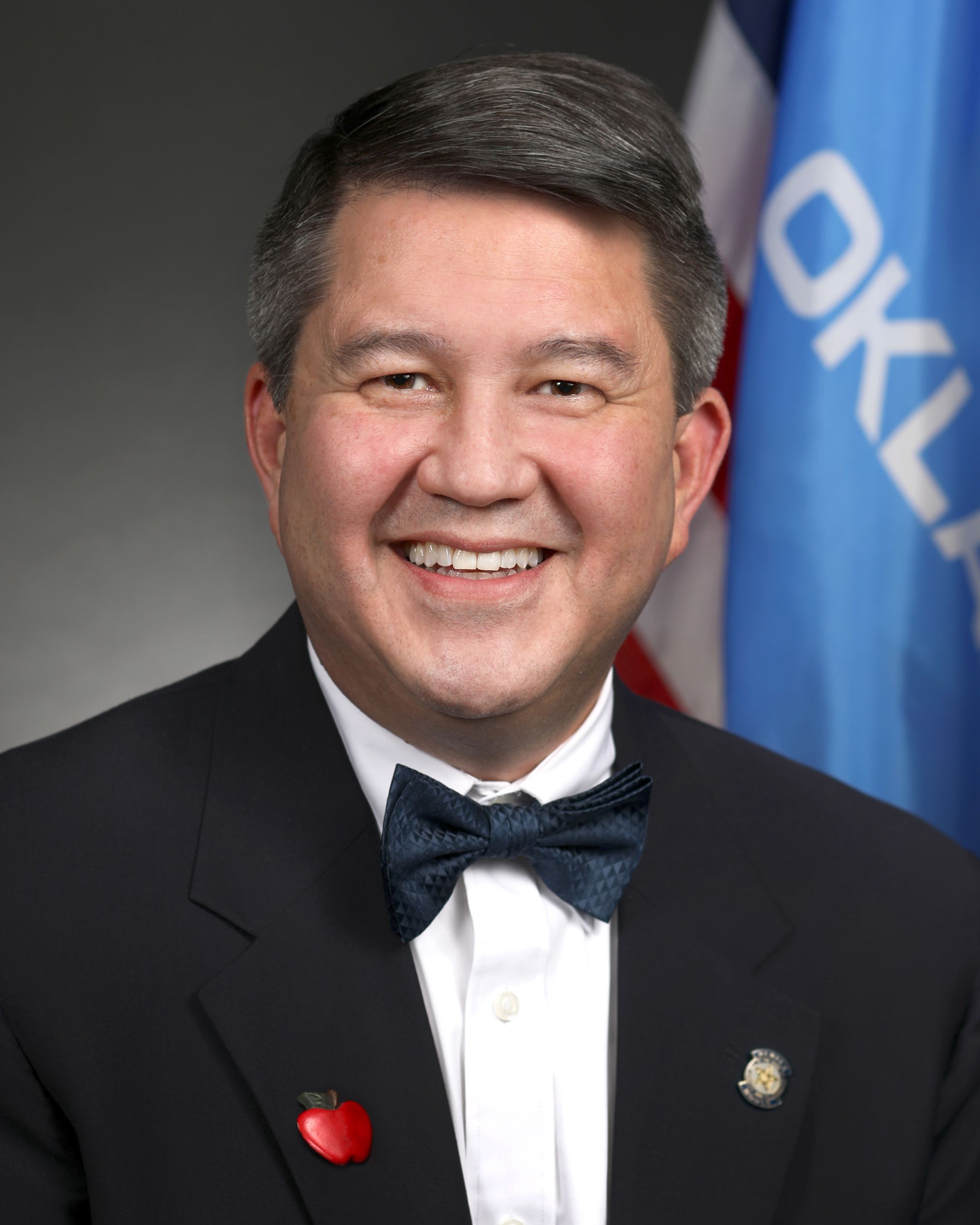
Anthony Moore
Anthony Moore House · District 57
R
Strong −
20% 5
Jonathan Wingard
Jonathan Wingard Senate · District 13
R
Strong −
20% 5
Spencer Kern
Spencer Kern Senate · District 31
R
Strong −
20% 5
Showing 21–30 of 35 bills

All criminal justice bills

in committee · Oklahoma · Senate Feb 4, 2025

SB 1093: Judicial training; requiring specified amount of annual training for certain judges. Effective date.

SB 1093 requires judges who handle domestic violence cases in Oklahoma to complete eight hours of annual judicial training. The training covers domestic violence dynamics, trauma impacts on victims and children, identifying aggressors, batterer tactics, victim protection orders, victim rights, and evidence-based practices for substance abuse and mental health treatment. This applies specifically to judges presiding over domestic violence cases and is subject to available funding. The bill becomes effective November 1, 2025.
Sub-Topics Domestic Violence
vetoed · Oklahoma · House May 29, 2025

HB 1273: Domestic violence; providing for alternative batterers' intervention programs; effective date.

HB 1273 creates an alternative batterers' intervention program option for defendants convicted of domestic abuse in Oklahoma. It requires courts to mandate participation in either a standard 52-week batterers' intervention program or a shorter 26-week certified alternative program. The alternative programs, approved by the Attorney General, must prioritize victim safety and include specific strategies to stop violence and hold offenders accountable. This change directly affects individuals convicted of domestic abuse under Oklahoma law and the domestic violence organizations providing these certified programs. The bill amends sentencing requirements to allow courts to order completion of the alternative program instead of the standard 52-week option.
passed · Oklahoma · House Apr 22, 2025

HB 2802: Professions and occupations; additional terms; effective date.

HB 2802 amends Oklahoma's licensing laws for professions and occupations to limit when criminal history can block a license. It prohibits denial based on sealed/expunged records, arrests without conviction, or convictions over five years old (unless involving specific violent offenses like domestic abuse or sex offenses). Licensing agencies must now consider factors like the offense's relevance to the job, time passed, rehabilitation efforts, and provide written notice with appeal rights if denying a license. This directly affects applicants with criminal records seeking licenses for jobs like nursing, contracting, or childcare, ensuring decisions are based on specific, relevant criteria rather than vague standards.
Sub-Topics Domestic Violence Professional Licensing Tags Licensing
passed · Oklahoma · House Apr 16, 2026

HB 1002: Stalking; directing law enforcement agencies to provide certain notification to victims of stalking; effective date.

HB 1002 requires Oklahoma law enforcement agencies to file specific notifications with victims of stalking, rather than serving them directly. This bill directly affects stalking victims by changing how they receive official updates about their cases. The key provision amends existing procedures to mandate that law enforcement "file" these notifications with victims, streamlining the process while ensuring victims are informed. The bill is currently moving through committee with a "Do Pass" recommendation after committee amendments.
in committee · Oklahoma · House Feb 4, 2025

HB 1786: Victim protective orders; directing peace officers to complete return of service when filing petition; effective date.

HB 1786 requires peace officers to make every effort to serve protective order subjects and complete service documentation when filing petitions with the court. If immediate service isn't possible, officers must file the petition the next business day, and court clerks must prioritize service through county sheriffs. This affects victims seeking emergency protective orders (for domestic violence, stalking, or related offenses) and the law enforcement/court staff handling these cases. The bill streamlines the process to ensure timely court review while clarifying procedures for service attempts and filing deadlines. It amends Oklahoma statutes to standardize how protective order petitions are processed after emergency requests.
passed · Oklahoma · House Apr 1, 2025

HB 2606: Domestic violence; directing the District Attorneys Council to develop and implement a domestic violence forensic exam pilot program; codification; effective date.

HB 2606 creates a five-year pilot program in Oklahoma counties with over 100,000 residents to provide free domestic violence forensic exams for victims. The program, funded through a state victim compensation fund, covers up to $200 per exam for medical evaluations conducted by trained health professionals (like nurses or physicians who completed a 40-hour course). It directly affects domestic violence victims in qualifying counties who would otherwise pay for these exams, while defining domestic violence broadly to include dating relationships and household members. The bill requires counties to participate and sets clear standards for exam qualifications and fund disbursement.
in committee · Oklahoma · House Feb 4, 2025

HB 1735: Evidence; admissibility; disclosure; evidence; time period; term; codification; effective date.

HB 1735 modifies Oklahoma's evidence rules for domestic violence cases. It allows prosecutors to introduce evidence of a defendant's prior domestic violence acts (including psychological, physical, or economic abuse) in criminal trials where the current charge involves domestic violence. Prosecutors must share this evidence with the defense at least 15 days before trial, including witness statements or testimony summaries. The bill clarifies that these rules do not override existing evidence standards and defines "domestic violence" broadly under Oklahoma law.
Sub-Topics Domestic Violence
signed · Oklahoma · Senate May 5, 2025

SB 623: Protection from Domestic Abuse Act; requiring service in certain location; requiring initial attempt of service of protective orders upon defendant within specified time frame. Emergency.

SB 623 requires that protective orders in domestic abuse cases be served to the accused person within 24 hours of issuance, with priority service available 24/7 when the defendant's location is known. It mandates electronic service between counties via sheriff's offices and allows sheriffs to use private process servers or other law enforcement if initial service fails. The bill directly affects domestic abuse victims (by expediting protection) and law enforcement (by changing service protocols), while ensuring orders have statewide validity for cross-jurisdiction service. These changes aim to improve the speed and reliability of serving protective orders to enhance victim safety.
in committee · Oklahoma · Senate Feb 27, 2025

SB 381: Firearms; modifying provisions related to carry of firearms by convicted felons. Effective date.

SB 381 modifies Oklahoma law to restore firearm rights for certain nonviolent convicted felons who have completed their sentences and maintained a 5-year clean record (no new misdemeanor or felony charges). It specifically allows these individuals to possess non-semi-automatic firearms and apply for handgun carry permits under the Oklahoma Self-Defense Act. However, rights are denied for those convicted of offenses like domestic abuse, sexual assault, child endangerment, or stalking. The bill maintains existing prohibitions for felons under supervision, delinquents, and undocumented immigrants possessing firearms.
in committee · Oklahoma · House Feb 4, 2025

HB 1987: Protective orders; creating the Oklahoma Extreme Risk Protective Order Act; providing procedures for filing petition for firearms restraining order; repealers; codification; effective date.

HB 1987 creates Oklahoma's "Extreme Risk Protective Order Act," establishing a legal process for courts to issue orders restricting firearm access. It allows family members, intimate partners, or law enforcement to file petitions alleging an immediate danger of harm from a respondent possessing firearms, including emergency orders without prior notice to the respondent. The bill requires no filing fees for petitions or court services, mandates specific notice procedures for domestic violence cases, and outlines procedures for firearm seizure, return, and record-keeping. This directly affects individuals ordered to surrender firearms (respondents) and those filing petitions (family members, intimate partners, or law enforcement).
Showing 21 to 30 of 35 bills
Previous 1 … 2 3 4 Next