Issue · Criminal Justice

Criminal Justice (Courts)

Every criminal justice bill, vote, and legislator stance in Oklahoma, automatically classified by Maddy, our AI policy reader.

Total bills
78
2026 Regular Session
Top supporter
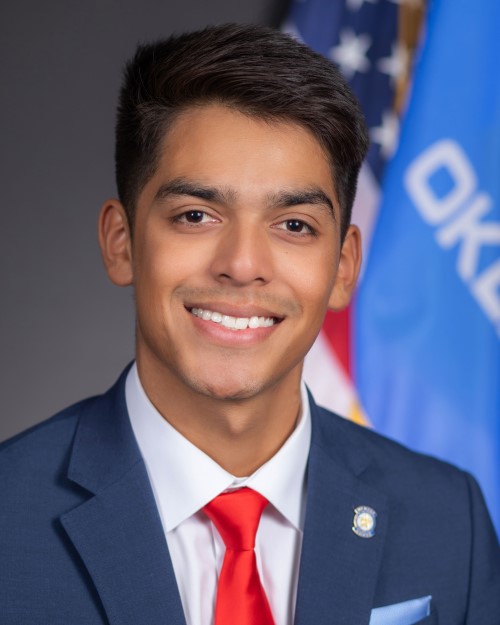
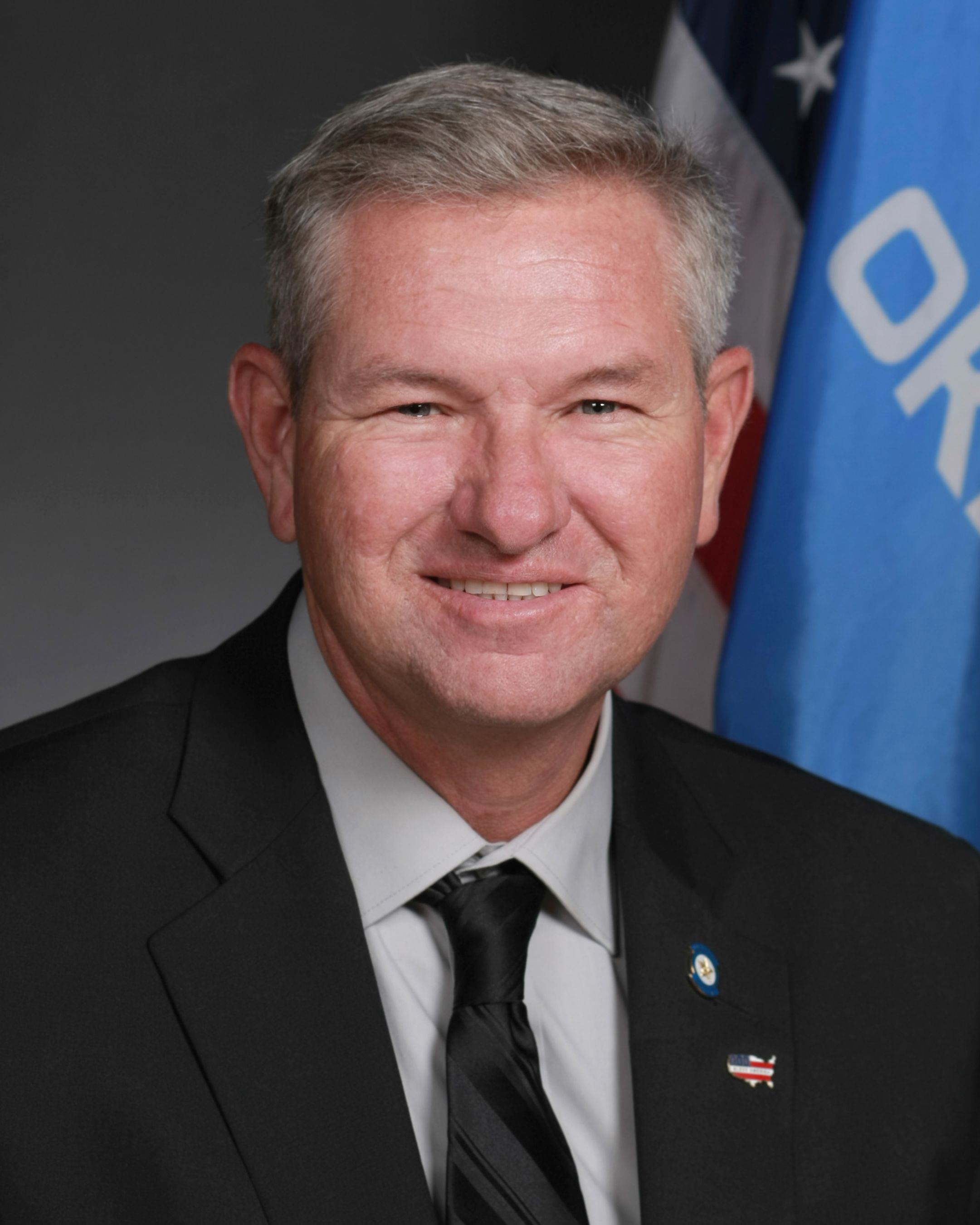
Arturo Alonso
100% support rate
Top opponent
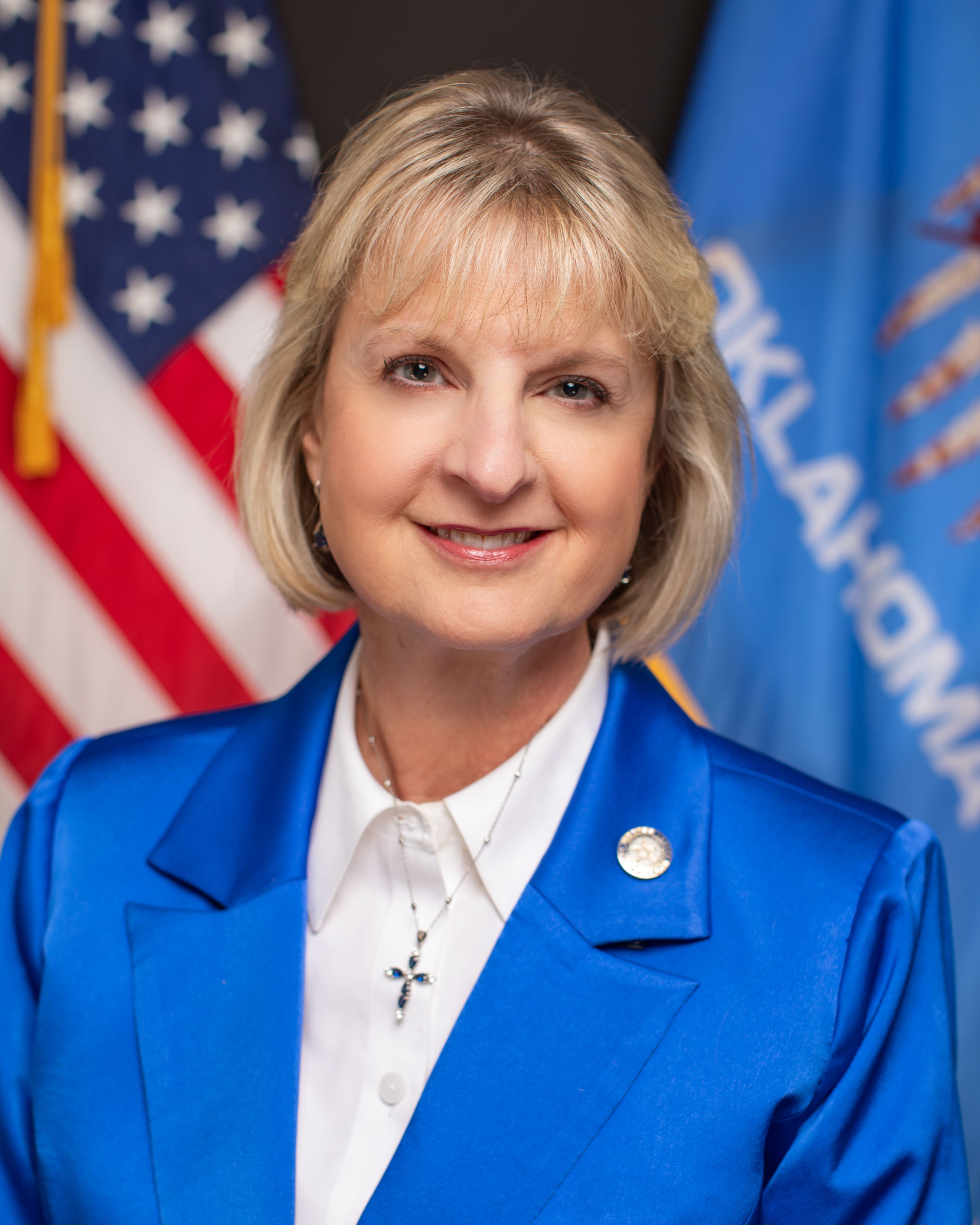
Ross Ford
0% support rate
Ranked legislators
10
5 support · 5 oppose
Key legislators

Who's moving courts in Oklahoma

Legislators moving courts in Oklahoma
Legislator Party Stance Support rate Votes
Arturo Alonso
Arturo Alonso House · District 89
D
Strong +
100% 4
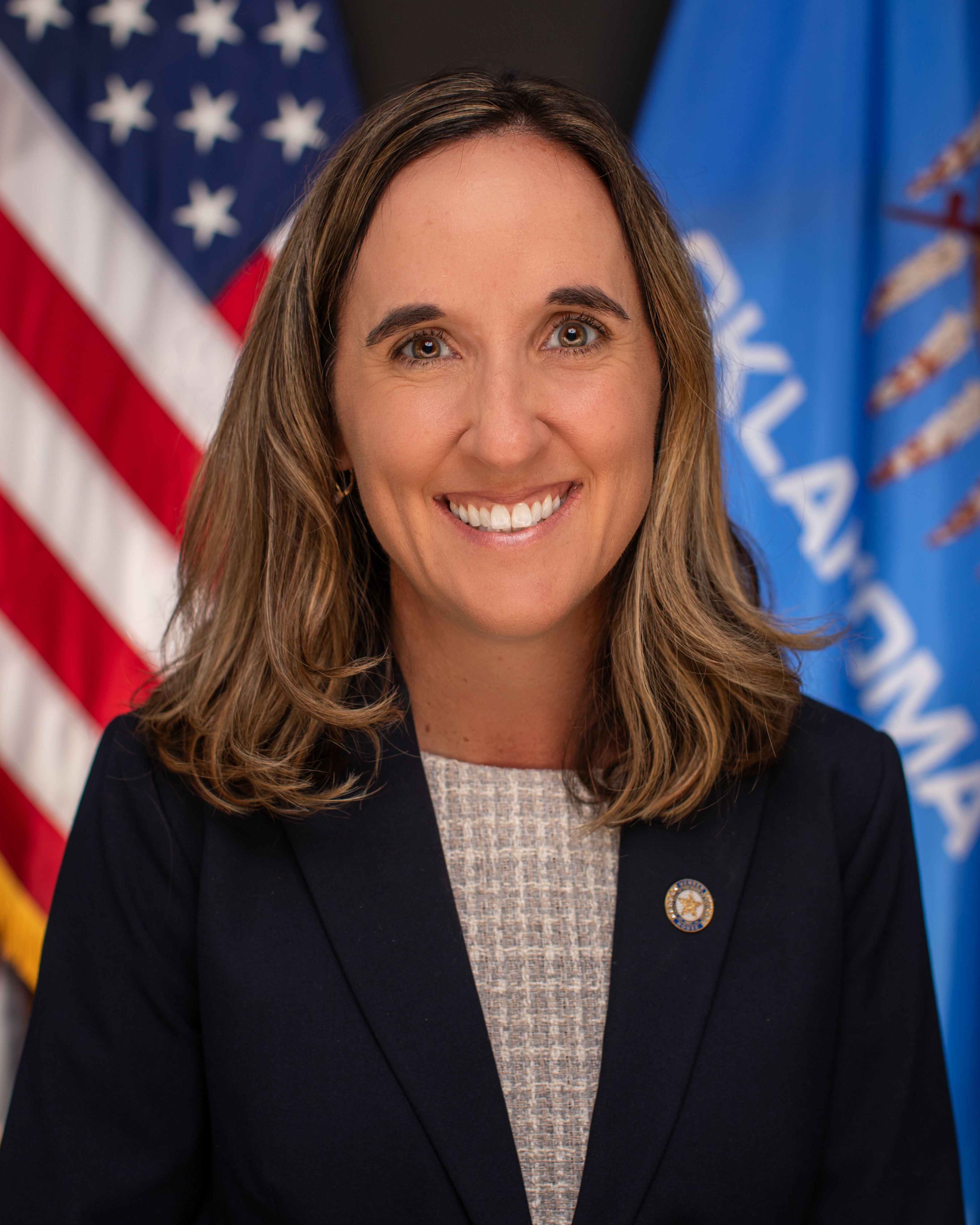
Ellen Pogemiller
Ellen Pogemiller House · District 88
D
Strong +
100% 4
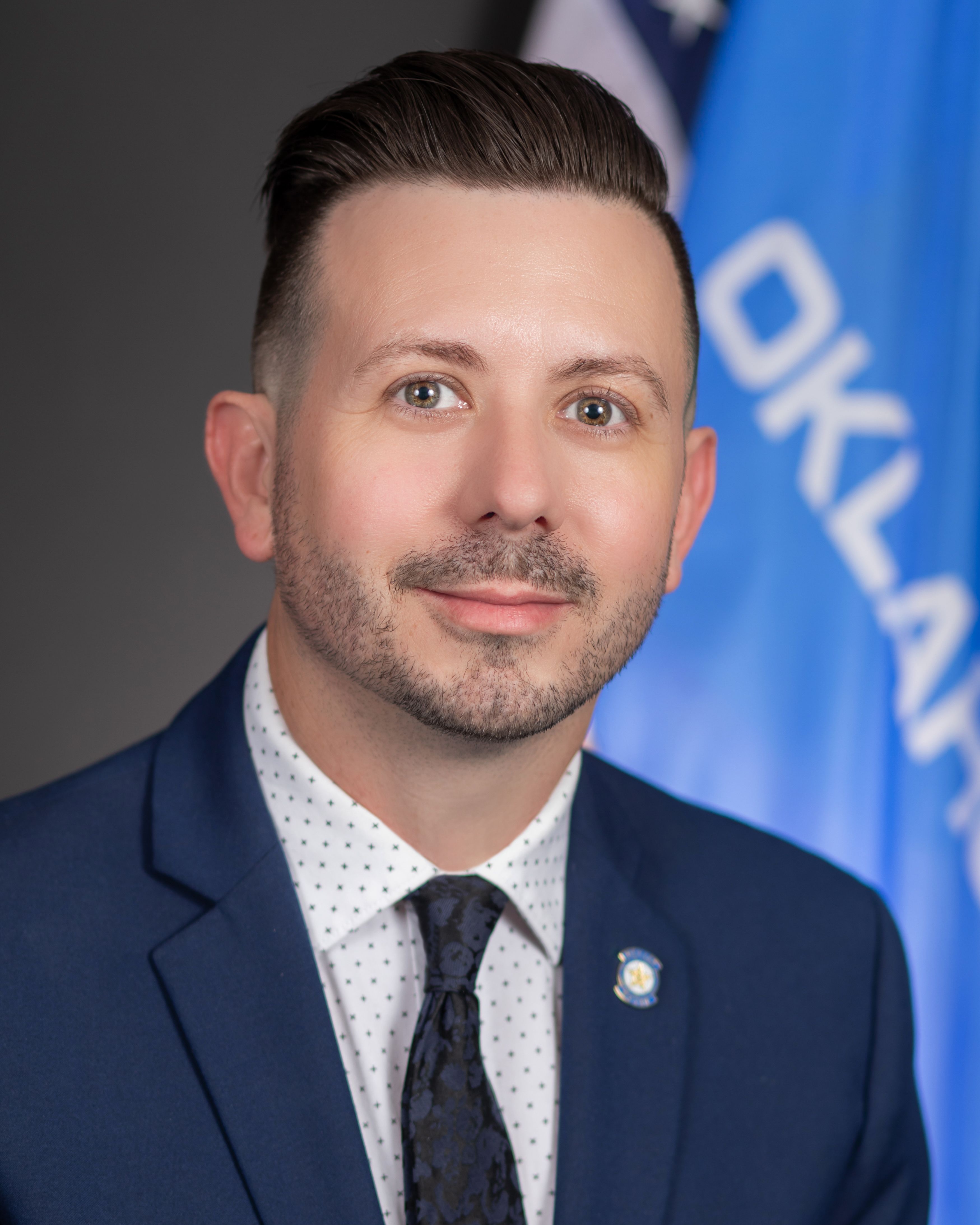
Jared Deck
Jared Deck House · District 44
D
Strong +
100% 4
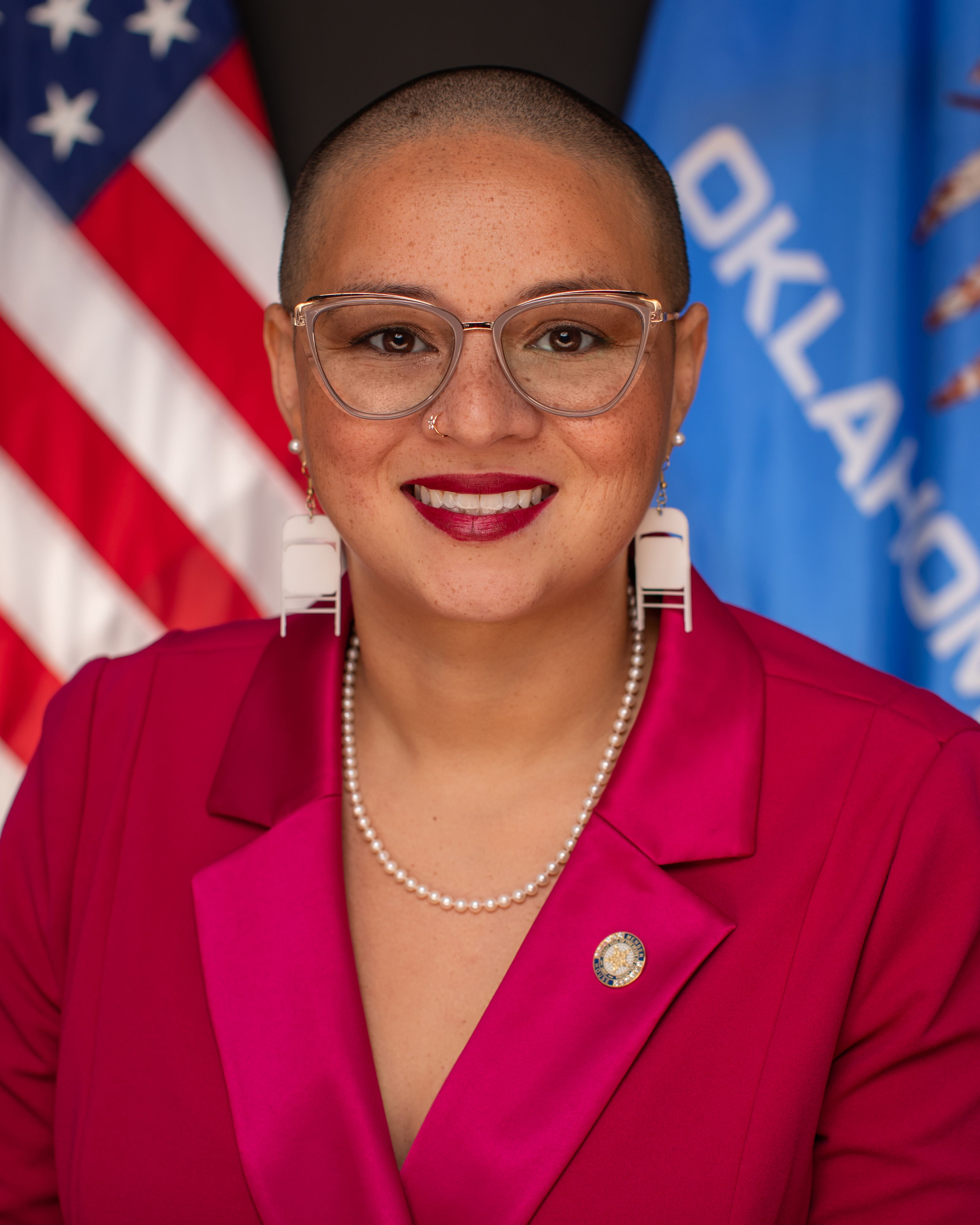
Michelle McCane
Michelle McCane House · District 72
D
Strong +
100% 4
Trish Ranson
Trish Ranson House · District 34
D
Strong +
100% 4
Ross Ford
Ross Ford House · District 76
R
Strong −
0% 5
Chris Sneed
Chris Sneed House · District 14
R
Strong −
0% 4
Cody Maynard
Cody Maynard House · District 21
R
Strong −
0% 4
David Smith
David Smith House · District 18
R
Strong −
0% 4
Denise Crosswhite Hader
Denise Crosswhite Hader House · District 41
R
Strong −
0% 4
Showing 21–30 of 78 bills

All criminal justice bills

in committee · Oklahoma · House Feb 3, 2026

HB 3503: Criminal procedure; disclosure of evidence; effective date.

HB 3503 requires Oklahoma prosecutors to disclose specific evidence to criminal defendants within 30 days of their initial court appearance. It mandates disclosure of witness information, law enforcement reports, statements from the accused or codefendants, expert test results, and all evidence that could help the defense (like impeachment evidence or information reducing charges). The bill also adds a 30-day advance notice requirement for prosecutors planning to use jailhouse informants, including their criminal history and any deals offered. This bill directly affects defendants, prosecutors, and law enforcement in criminal cases by expanding and clarifying disclosure obligations under Oklahoma law.
Sub-Topics Courts Law Enforcement
in committee · Oklahoma · Senate Feb 3, 2026

SB 2034: Expungement of records; providing automatic expungement for certain misdemeanor convictions. Effective date.

SB 2034 automatically seals criminal records for Oklahomans convicted of specific nonviolent misdemeanors after meeting waiting periods. It applies to cases like misdemeanor convictions with fines under $501 (after payment) or dismissed charges following successful completion of deferred sentences. Eligible individuals no longer need to file court petitions; their records are sealed automatically 5-10 years after conviction or dismissal, depending on the offense. This applies only to nonviolent offenses and excludes cases with pending charges or violent crimes.
Sub-Topics Courts
in committee · Oklahoma · Senate Feb 3, 2026

SB 2097: Oklahoma Juvenile Code; modifying definitions. Effective date.

SB 2097 amends specific definitions within Oklahoma's Juvenile Code (10A O.S. 2021, Section 2-1-103) to clarify terminology used in juvenile justice proceedings. It defines key terms like "behavioral health" (including mental health and substance abuse treatment), "community-based" services (near-home programs for prevention/diversion), and "core community-based" services (specific counseling, case management, and rehabilitative treatments). The bill directly affects juveniles, families, and juvenile justice professionals by standardizing how services and legal terms are applied in court and treatment settings. This definition update aims to improve consistency in implementing existing juvenile justice programs and reporting.
passed · Oklahoma · House Apr 23, 2026

HB 3345: Inmate assessment and evaluations; providing risk, mental health and substance abuse screenings for arrested persons; effective date.

HB 3345 requires mandatory mental health, substance abuse, and risk screenings for individuals arrested on felony charges in Oklahoma after their initial court appearance. These screenings, conducted by certified professionals from the Department of Mental Health, must be shared with courts, prosecutors, defendants, and their attorneys. Results cannot be used as evidence in criminal trials unless the defendant waives this right, but may inform sentencing or diversion options. The law takes effect November 1, 2026.
vetoed · Oklahoma · House May 14, 2026

HB 4342: Civil procedure; admissibility; evidence; disclosure; term; effective date.

This bill allows evidence of past domestic violence or abuse to be admitted in criminal trials for current domestic violence charges. Prosecutors must disclose such evidence to defendants at least 15 days before trial, including witness statements or summaries of expected testimony. It defines "domestic violence or abuse" broadly to include psychological, physical, sexual, economic, or emotional acts within qualifying relationships. The law applies specifically to criminal cases involving domestic violence in Oklahoma, effective November 1, 2026.
signed · Oklahoma · House May 12, 2026

HB 3970: Court reporters; duties and salaries; remote availability; transcripts; certifications; continuing education; shorthand reporter examinations; methods; effective date; emergency.

HB 3970 updates Oklahoma's court reporting rules by allowing electronic recording of proceedings when a court reporter is unavailable, while requiring official transcripts prepared by certified reporters for appeals. It increases base salaries for court reporters to $53,000 annually, adds a $3,000 equipment allowance, and establishes longevity pay of up to $8,000 per year for certified reporters with 20+ years of service. The bill also sets specific formatting standards for transcripts (e.g., page margins, line spacing) and clarifies that only transcripts from official court reporters can be used in future trials or appeals. These changes directly affect court reporters, judges, and legal parties across Oklahoma's district courts, Workers' Compensation Court, and Corporation Commission.
Sub-Topics Courts
in committee · Oklahoma · House Feb 3, 2026

HB 4114: Motor vehicles; removing license suspension requirement for nonpayment of court-ordered financial obligations; effective date.

HB 4114 removes the automatic suspension of driver's licenses for unpaid court debts like fines, fees, and costs (excluding restitution). It requires courts to hold "cost hearings" to determine a person's ability to pay before imposing penalties, and allows hardship waivers for those who cannot afford payments. The bill specifically presumes inability to pay for individuals receiving TANF, SNAP, housing assistance, or earning below 150% of the federal poverty level. Service Oklahoma must stop suspending licenses for these debts and provide notifications about payment options or cost hearings.
Sub-Topics Courts Victims' Rights
in committee · Oklahoma · House Feb 3, 2026

HB 3195: District attorneys; clarifying scope of certain prohibited acts; effective date.

HB 3195 clarifies and strengthens penalties for district attorneys and related officials who commit misconduct in legal proceedings. The bill specifically amends Oklahoma law to define clear felony classifications (Class D3 or D1) for acts like offering forged evidence (Section 451), making false statements to influence witnesses (Section 452), falsifying records (Section 453), destroying evidence (Section 454), bribing witnesses (Section 456), committing perjury (Section 491), suborning perjury (Section 504), and falsifying official records (Section 531). It directly affects district attorneys, assistant district attorneys, sheriffs, clerks, and other court officials who handle evidence or official records. The changes ensure consistent felony penalties for these specific misconducts without creating new offenses. The bill takes effect November 1, 2026.
Sub-Topics Courts
in committee · Oklahoma · Senate Feb 4, 2026

SB 1609: Oklahoma Evidence Code; providing for admissibility of certain statements. Effective date.

SB 1609 allows victim statements about specific violent incidents - poisoning, shooting, or assault with intent to kill - to be used as evidence in court. These statements, made within one week to law enforcement or in protective order applications, become admissible in criminal and juvenile cases, including hearings on probation or protective orders. The bill directly affects victims of these crimes and law enforcement by streamlining how their accounts can be presented in court. It removes typical barriers requiring separate proof of reliability for such statements, making them automatically admissible under the specified conditions.
passed · Oklahoma · Senate Apr 7, 2026

SB 1450: Criminal court costs and fees; requiring waiver of certain costs and fees upon completion of certain requirements. Effective date.

SB 1450 allows Oklahoma courts to waive criminal court fines, costs, and fees for eligible individuals who meet specific payment and compliance requirements. It creates two pathways: (1) waiving costs after 24 months of timely monthly payments following release from prison, or (2) waiving costs after 48 months of timely payments within the prior 60 months, both requiring full probation/supervision compliance. The bill excludes restitution to victims and child support from waiver eligibility, and requires individuals released from prison to report to courts 180 days post-release to address outstanding debts. The law takes effect November 1, 2026.
Showing 21 to 30 of 78 bills
Previous 1 2 3 4 8 Next