Issue · Criminal Justice

Criminal Justice (Corrections)

Every criminal justice bill, vote, and legislator stance in Oklahoma, automatically classified by Maddy, our AI policy reader.

Total bills
66
2026 Regular Session
Top supporter
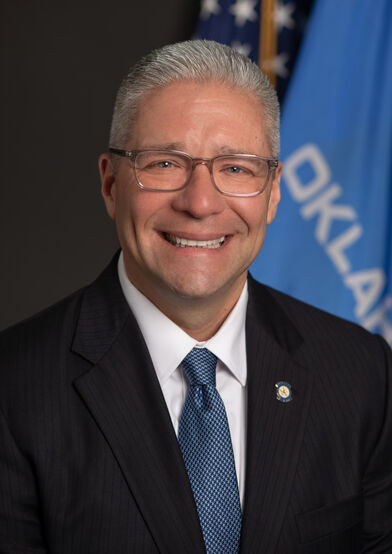
John Waldron
89% support rate
Top opponent
Lisa Standridge
12% support rate
Ranked legislators
10
5 support · 5 oppose
Key legislators

Who's moving corrections in Oklahoma

Legislators moving corrections in Oklahoma
Legislator Party Stance Support rate Votes
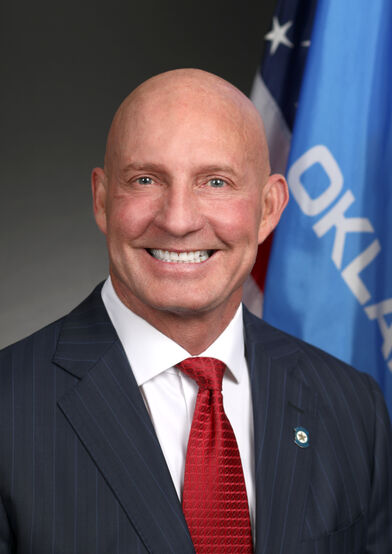
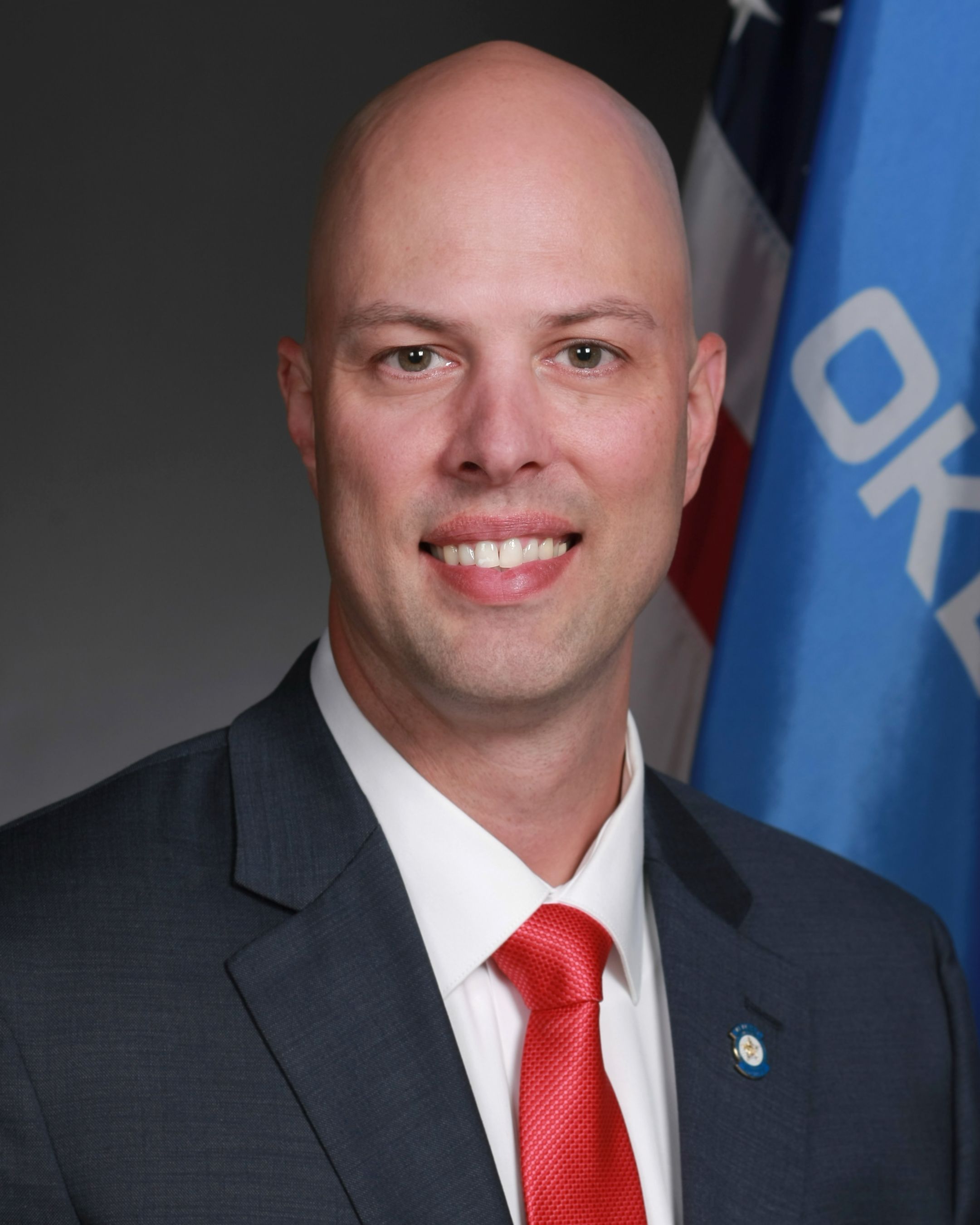
John Waldron
John Waldron House · District 77
D
Strong +
89% 19
Michael Brooks
Michael Brooks Senate · District 44
D
Strong +
88% 51
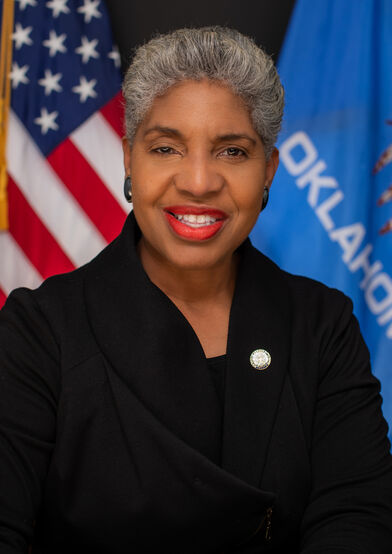
Regina Goodwin
Regina Goodwin Senate · District 11
D
Strong +
87% 45
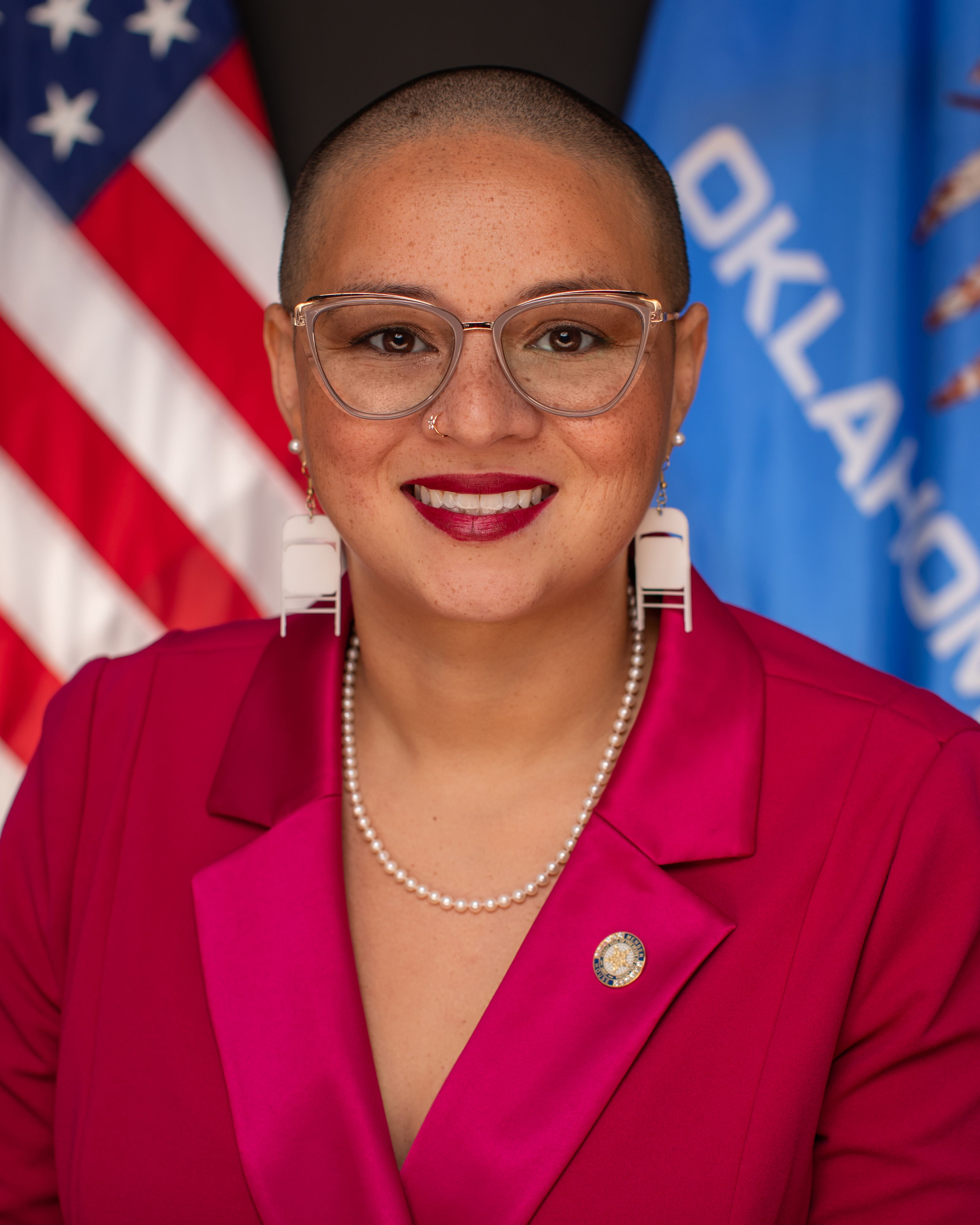
Michelle McCane
Michelle McCane House · District 72
D
Strong +
86% 22
Nikki Nice
Nikki Nice Senate · District 48
D
Strong +
85% 27
Lisa Standridge
Lisa Standridge Senate · District 15
R
Strong −
12% 32
Casey Murdock
Casey Murdock Senate · District 27
R
Strong −
14% 43
Darrell Weaver
Darrell Weaver Senate · District 24
R
Strong −
14% 43
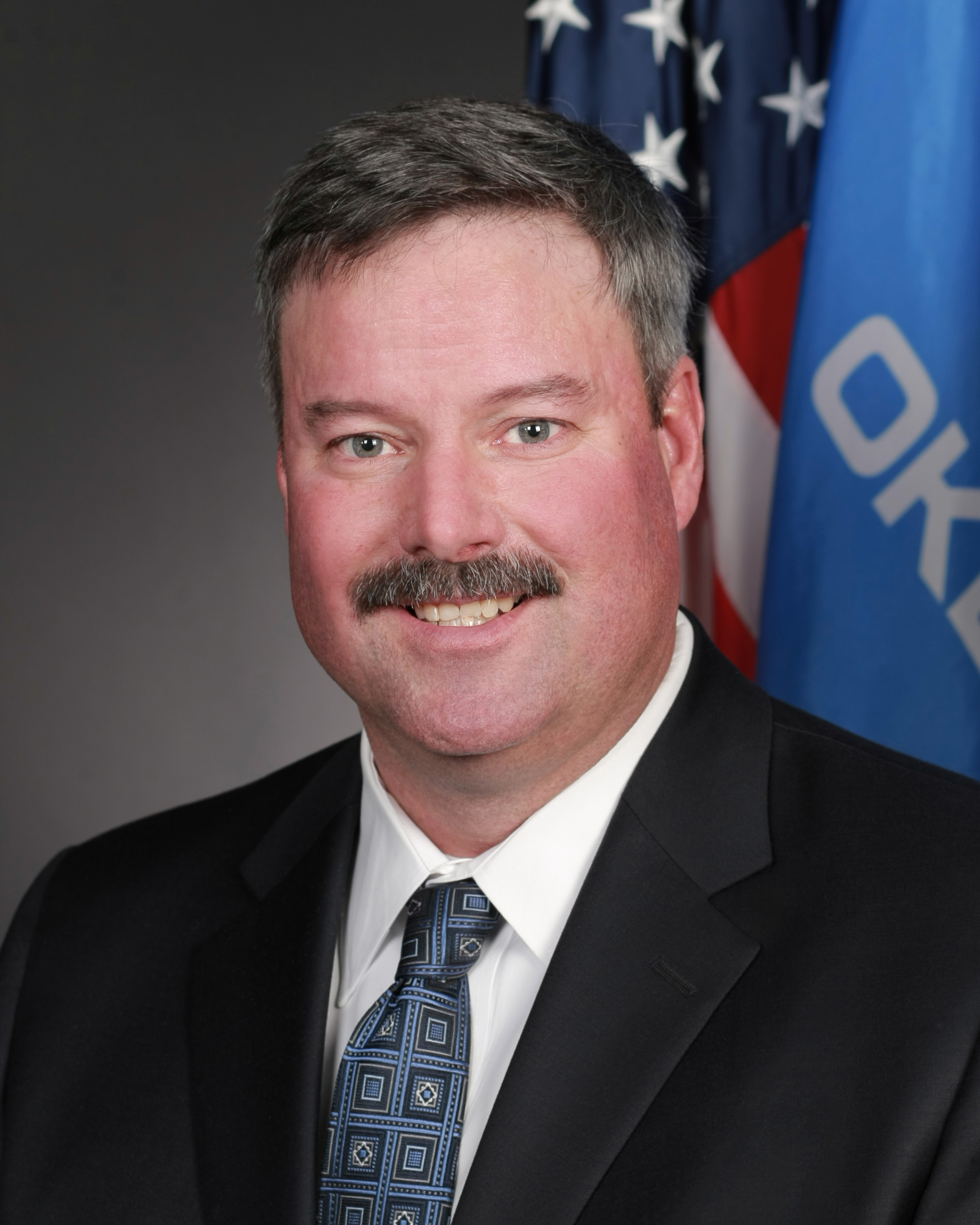
Jay Steagall
Jay Steagall House · District 43
R
Strong −
14% 14
Shane Jett
Shane Jett Senate · District 17
R
Strong −
15% 27
Showing 21–30 of 66 bills

All criminal justice bills

in committee · Oklahoma · Senate Feb 10, 2026

SB 1922: Department of Corrections; requiring certain inmate information be available to the public. Effective date.

SB 1922 requires Oklahoma's Department of Corrections to publicly share two specific types of inmate information: (1) programs inmates participated in (such as work or education), and (2) any disciplinary actions taken against them. This applies directly to the public, who will gain access to these records through the Department's website or other public channels. The bill mandates the Department to create rules for implementing this transparency measure and takes effect on November 1, 2026. It does not change sentencing, prison conditions, or other operational aspects of corrections.
Sub-Topics Corrections Sentencing
passed · Oklahoma · Senate Apr 20, 2026

SB 2062: Prisons and reformatories; authorizing certain self-reporting to a correctional facility; stating eligibility for certain reimbursement; prohibiting certain earned credit; requiring Department of Corrections to make certain contact. Effective date.

SB 2062 allows low-risk offenders to self-report directly to a correctional facility instead of being transported from county jail, bypassing initial detention and processing. It applies when a sentencing court determines an offender poses low public safety risk based on offense type, criminal history, and community ties. The bill eliminates transportation reimbursement for sheriffs or detention centers in these cases, as the Department of Corrections now handles arrival processing. The law takes effect November 1, 2026.
signed · Oklahoma · House May 11, 2026

HB 3678: Crimes and punishments; electronic communication devices; threaten; intimidate; harass; public officials; municipal officials; public school board members; effective date.

HB 3678 makes it a misdemeanor to use electronic devices (like social media or text messages) to publish personal details - such as names, addresses, or Social Security numbers - of protected individuals with the intent to threaten, intimidate, or harass them. It directly affects peace officers, public officials (including municipal and school board members), election officials, medical care providers, and crime victims. Violators face up to six months in jail or a $1,000 fine for a first offense, with harsher penalties for repeat violations. The law excludes medical care provider information unrelated to their professional duties and takes effect on November 1, 2026.
signed · Oklahoma · Senate May 29, 2025

SB 85: County jails; increasing reimbursement rate amount. Effective date.

SB 85 increases the daily reimbursement rate for Oklahoma counties housing state inmates from $27 to $32 per inmate. Counties that incur higher actual costs can request reimbursement for those costs by September 30, with the state either accepting the amount or having the State Auditor determine it if rejected. The bill also adds a 3% annual inflation adjustment to the base rate and specifies that reimbursements must cover jail operational expenses and personnel costs. This directly affects county governments managing jails under state incarceration agreements.
Sub-Topics Corrections
signed · Oklahoma · Senate May 12, 2026

SB 1325: Protection from Domestic Abuse Act; requiring defendants charged with certain domestic violence offenses to use a Global Positioning System (GPS) device when released on bond. Effective date.

SB 1325 requires courts to mandate GPS monitoring for defendants charged with specific domestic violence offenses - such as domestic abuse by strangulation, with a deadly weapon, or after a prior conviction - when released on bond. Defendants must pay all costs for the GPS device and monitoring, which the Oklahoma Department of Corrections will administer until the case concludes. Victims may also request limited location monitoring (e.g., alerts if the defendant nears specified locations, excluding their home or workplace), but only after a court finds evidence of the defendant’s intent to commit violence. The bill takes effect November 1, 2026, and GPS devices must be removed if the defendant is acquitted, incarcerated, or the case dismissed.
signed · Oklahoma · Senate May 6, 2026

SB 1255: Pardons and paroles; requiring medical director of the Department of Corrections to make certain request. Effective date.

SB 1255 requires Oklahoma's Department of Corrections medical director to certify qualifying medical conditions and request the Pardon and Parole Board to place eligible inmates on a special docket for compassionate parole consideration. It directly affects inmates with specific terminal or debilitating conditions like dementia, cancer, HIV/AIDS, or conditions causing near-death (six-month life expectancy), or those unable to perform basic self-care. The bill bypasses the standard two-step parole hearing process for these inmates and mandates that at least three Board members must concur to consider medical parole. The Board must document concurrence in meeting minutes, and parolees may face revocation if their medical condition poses public safety risks.
signed · Oklahoma · Senate May 7, 2025

SB 76: Parole; authorizing parole revocation by certain entity. Effective date.

SB 76 clarifies Oklahoma's parole revocation process by explicitly authorizing both the Governor and the Pardon and Parole Board to revoke parole for violations, rather than relying solely on the Department of Corrections. It requires parolees arrested for violations to be jailed immediately, halting parole time and earned credits until a revocation decision is made. The bill also creates a new option: parolees may be placed in specialized correctional programs (intermediate sanctions facilities) instead of facing full revocation for minor violations, at the Department's discretion. This law, effective November 1, 2025, directly affects people on parole in Oklahoma who violate terms, and the state agencies managing parole.
in committee · Oklahoma · Senate Feb 17, 2026

SB 1244: Pardons and paroles; modifying criteria for certain parole of elderly individuals. Effective date.

SB 1244 modifies Oklahoma's parole rules for inmates aged 60 or older by requiring the Pardon and Parole Board to grant parole to eligible individuals who have served either 10 years or one-third of their sentence (whichever is shorter), provided they pose minimal public safety risks. The bill mandates that the Board use a risk-assessment tool including health status when evaluating these inmates and requires parole hearings for eligible aging inmates. It updates statutory language to define "aging inmate" as 60+ years old and specifies that the Board must consider health factors in risk assessments. The law takes effect November 1, 2026.
Sub-Topics Corrections Probation & Parole Tags Seniors
died · Oklahoma · Senate Feb 19, 2025

SB 887: Inmates; creating the Secure Pre-Integration Pilot Program. Effective date.

SB 887 proposes a 5-year pilot program called the "Secure Pre-Integration Pilot Program" for non-violent offenders in Oklahoma prisons, aiming to reduce prison populations and state costs. The program would require the Department of Corrections to release eligible inmates to family members or community organizations (like churches or nonprofits), which would monitor them and report to the state. Inmates remain under state custody, and the program explicitly does not replace probation or parole. A dedicated revolving fund would cover program costs, including up to 5% for administrative expenses, but the bill failed committee review in February 2025 and has not become law.
signed · Oklahoma · House May 27, 2025

HB 2235: Wrongful convictions; increasing liability amount for claims of wrongful incarceration; codification.

HB 2235 creates a new automatic process for sealing eligible arrest records in Oklahoma, directly affecting individuals with clean-slate eligible arrests (e.g., dismissed cases or non-convictions). It requires the Oklahoma State Bureau of Investigation to monthly identify eligible records, notify law enforcement and prosecutors, and automatically seal records after 45 days if no objections are raised (e.g., for unpaid restitution or ongoing criminal activity). The bill mandates annual reports to the legislature on non-sealed cases and prohibits employers/educators from requiring disclosure of sealed records. This focuses on expungement procedures, not compensation for wrongful convictions, as clarified by the codified process in the bill text.
Showing 21 to 30 of 66 bills
Previous 1 2 3 4 7 Next