Issue · Criminal Justice

Criminal Justice (Violent Crime)

Every criminal justice bill, vote, and legislator stance in Oklahoma, automatically classified by Maddy, our AI policy reader.

Total bills
44
2026 Regular Session
Top supporter
Michelle McCane
100% support rate
Top opponent
Chuck Hall
0% support rate
Ranked legislators
10
5 support · 5 oppose
Key legislators

Who's moving violent crime in Oklahoma

Legislators moving violent crime in Oklahoma
Legislator Party Stance Support rate Votes
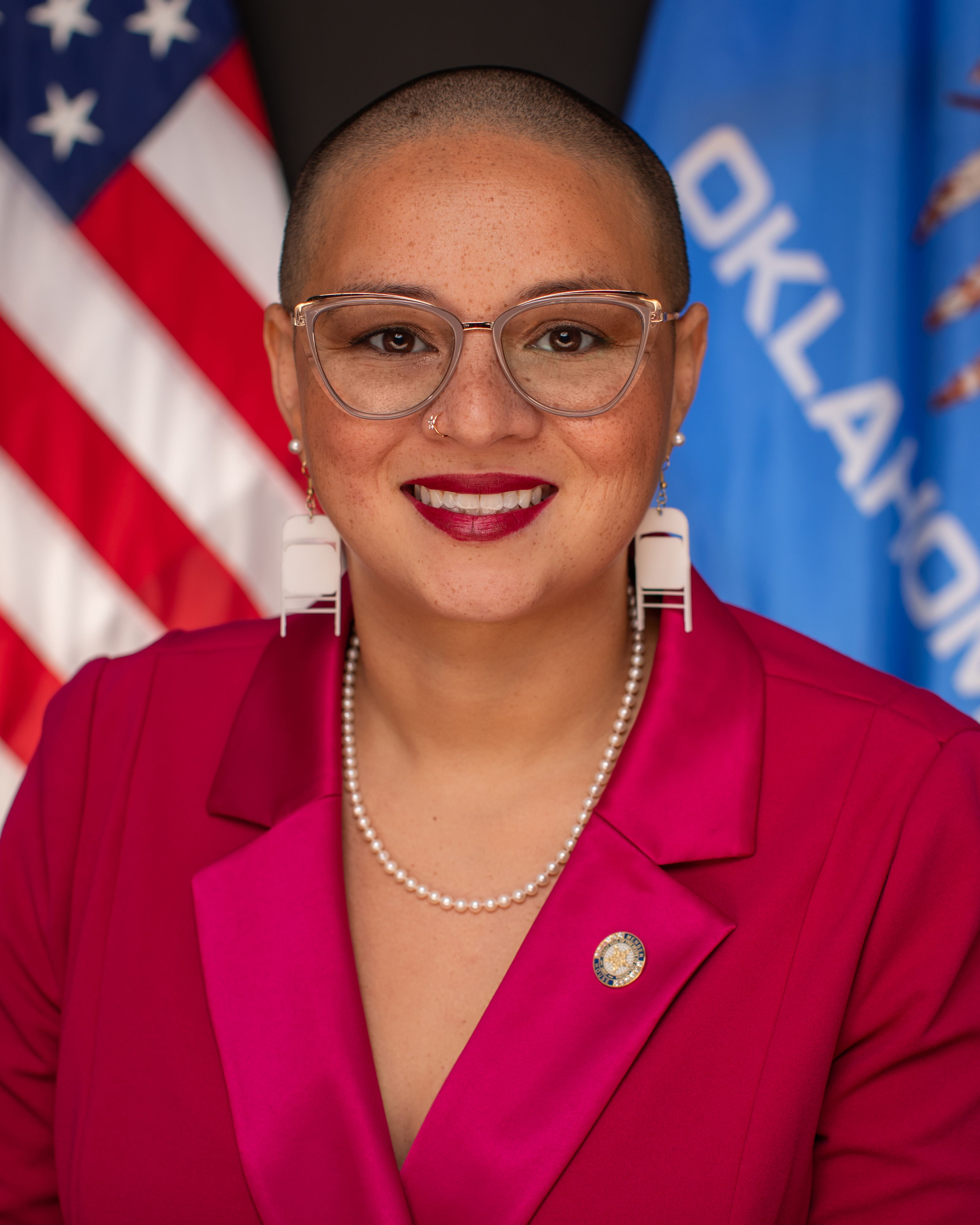
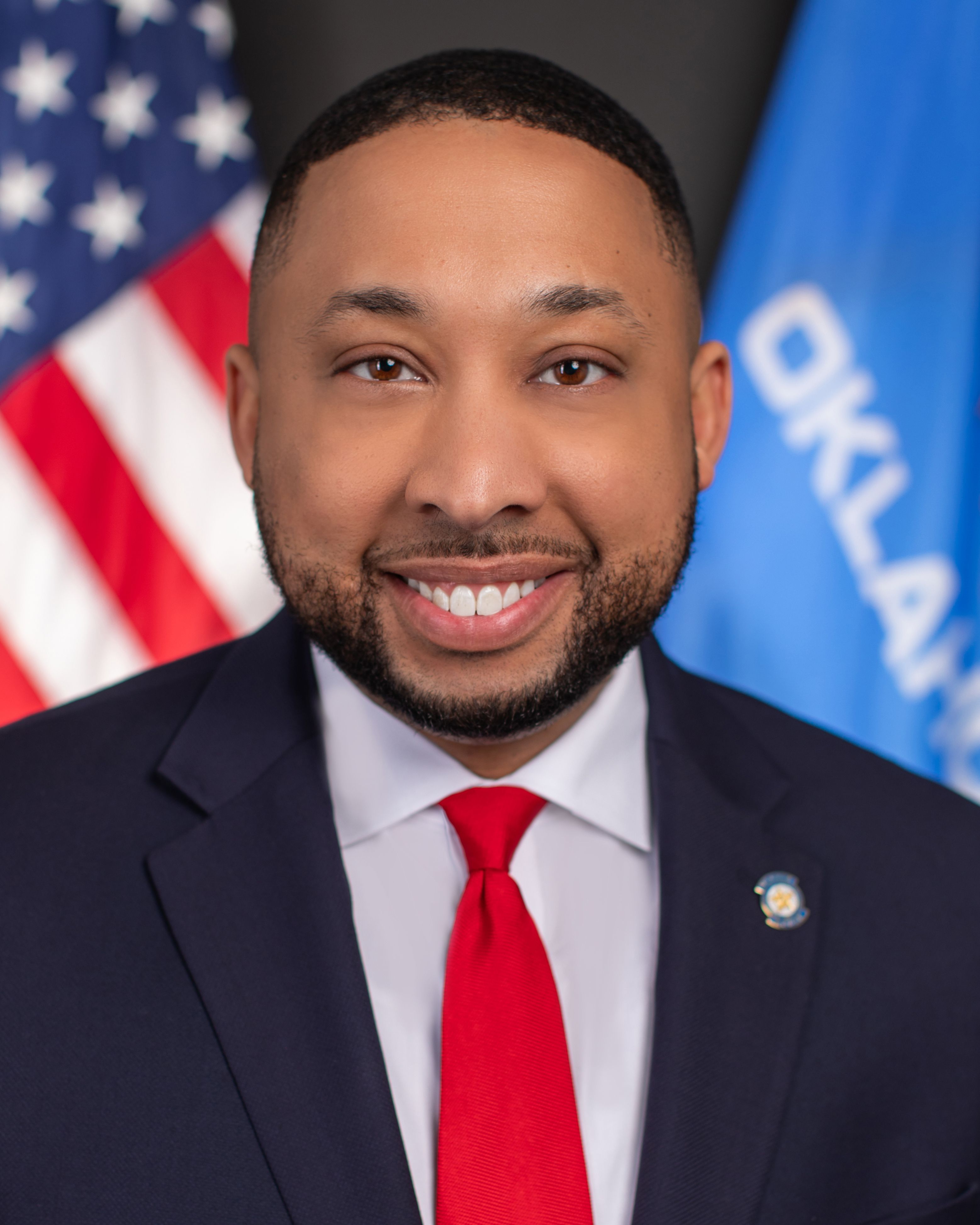
Michelle McCane
Michelle McCane House · District 72
D
Strong +
100% 4
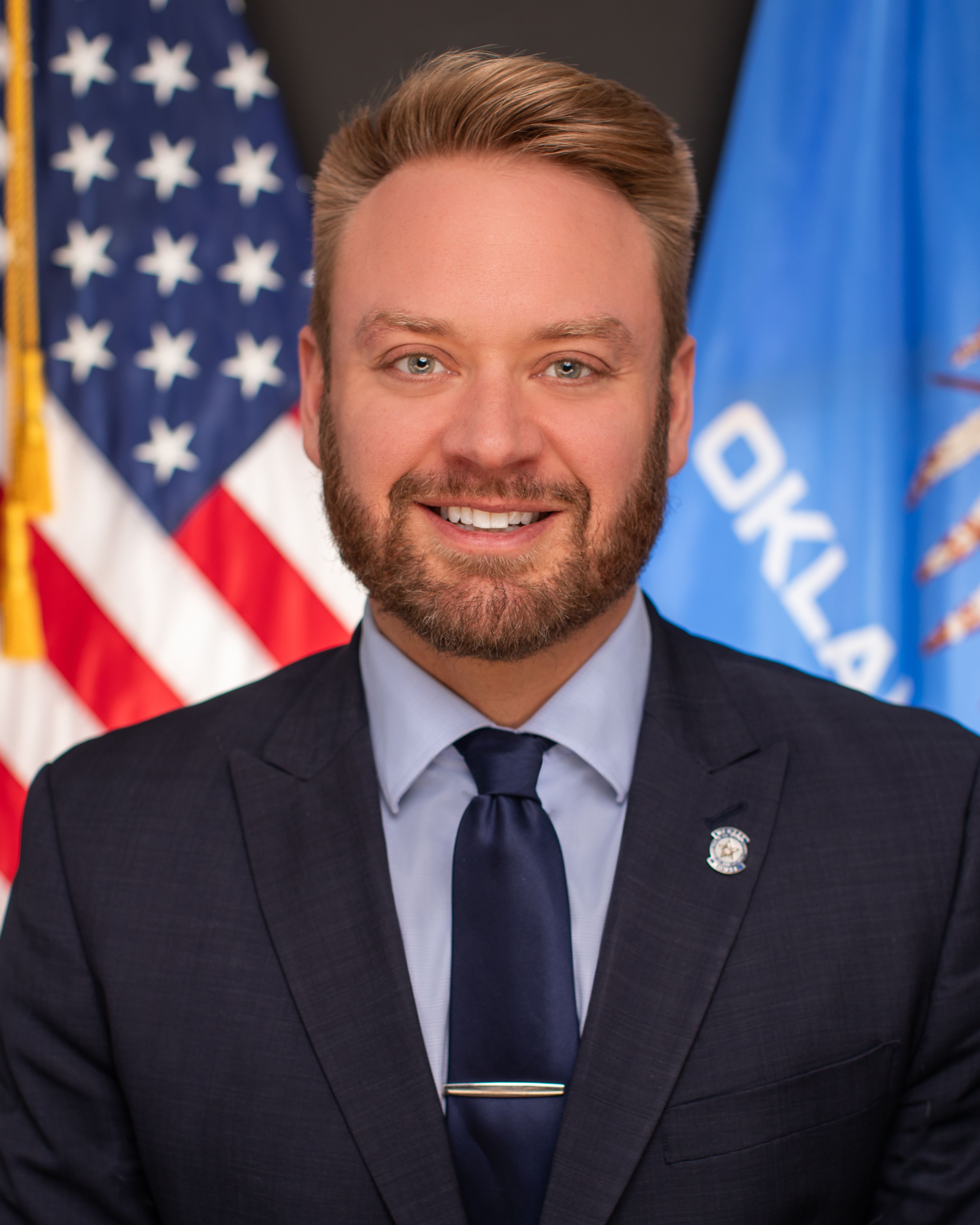
Arturo Alonso
Arturo Alonso House · District 89
D
Strong +
80% 5
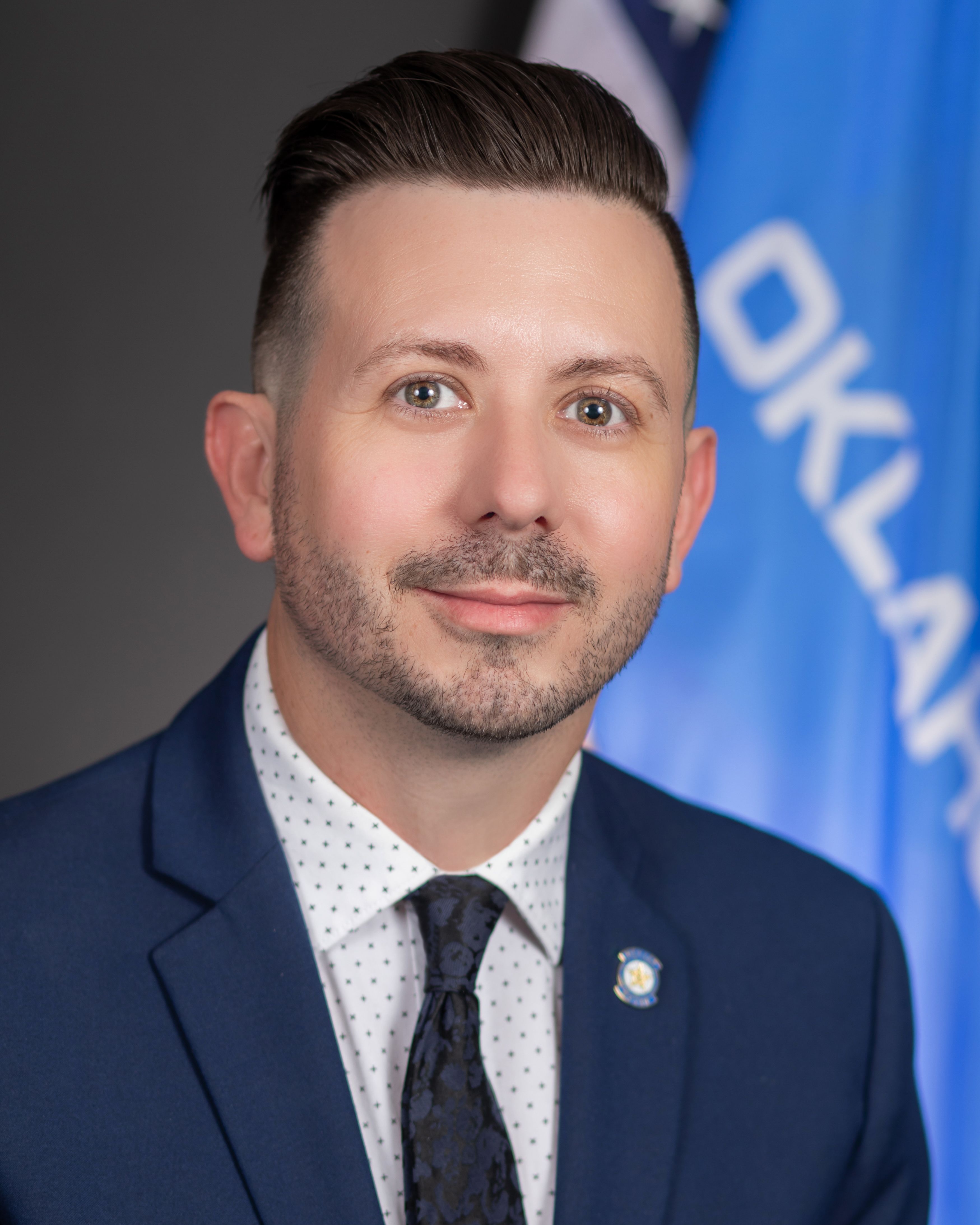
Jared Deck
Jared Deck House · District 44
D
Strong +
80% 5
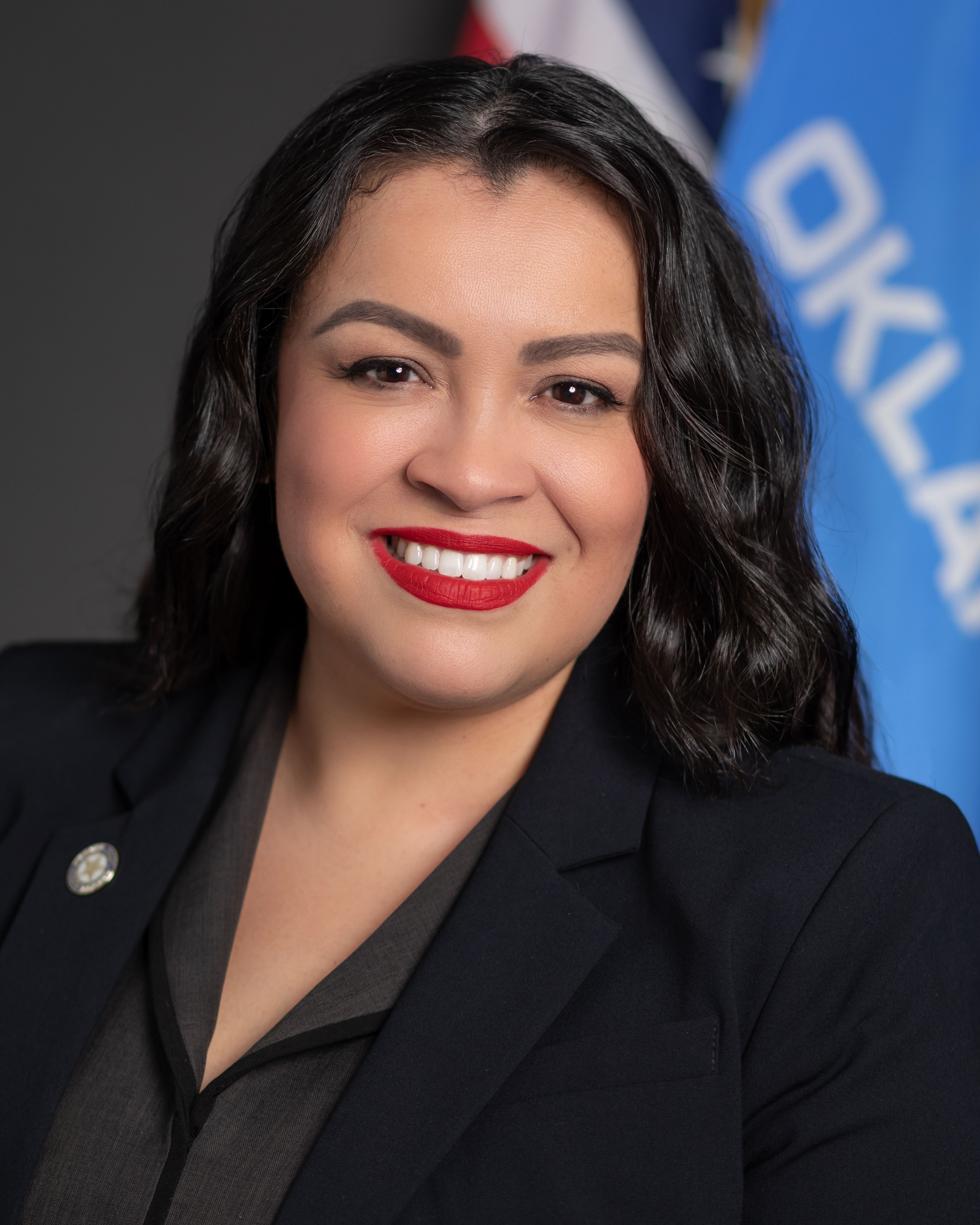
Annie Menz
Annie Menz House · District 45
D
Support
75% 4
Mickey Dollens
Mickey Dollens House · District 93
D
Support
75% 4
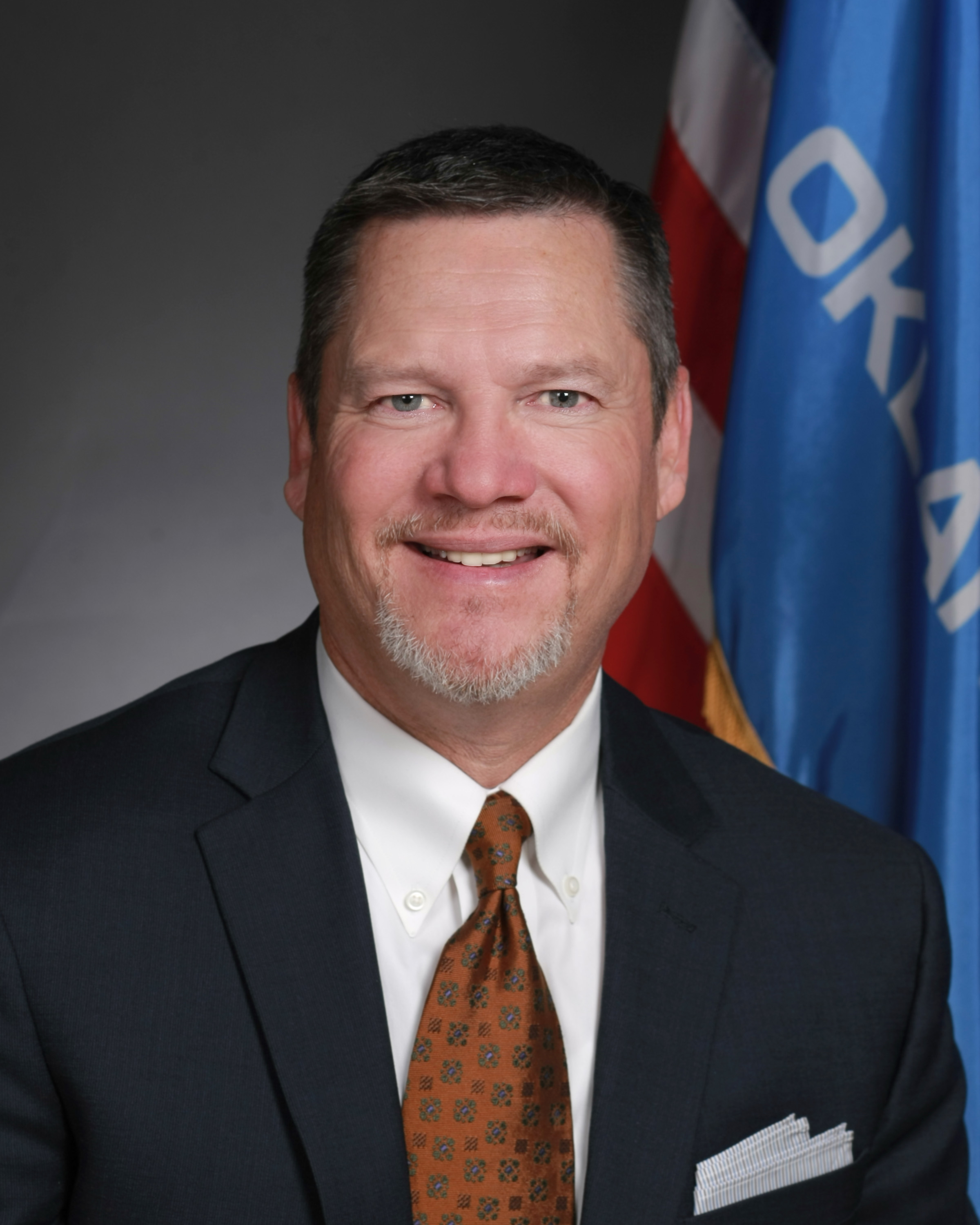
Chuck Hall
Chuck Hall Senate · District 20
R
Strong −
0% 11
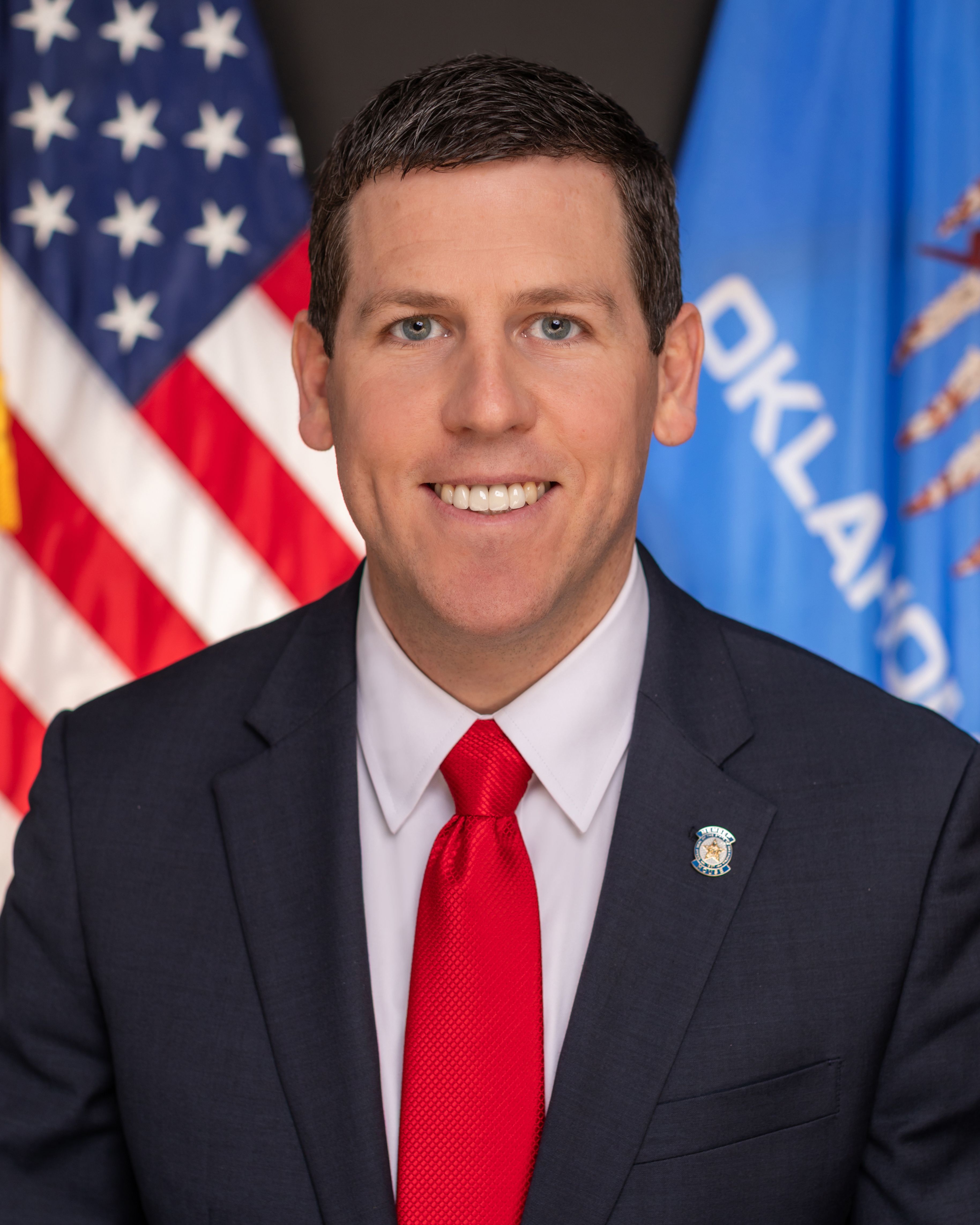
Rob Hall
Rob Hall House · District 67
R
Strong −
0% 11
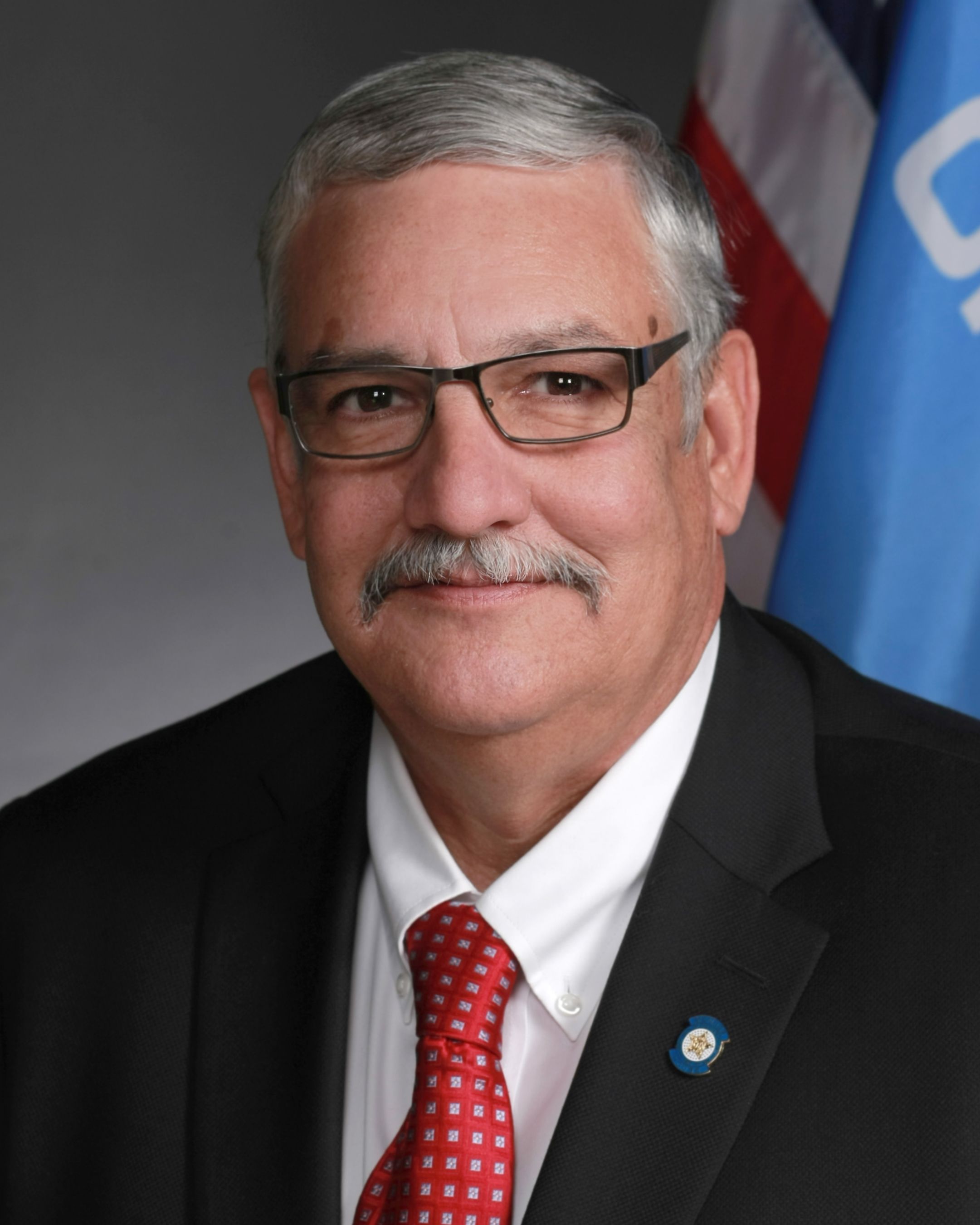
Robert Manger
Robert Manger House · District 101
R
Strong −
0% 9
David Hardin
David Hardin House · District 86
R
Strong −
0% 8
Erick Harris
Erick Harris House · District 39
R
Strong −
0% 8
Showing 11–20 of 44 bills

All criminal justice bills

in committee · Oklahoma · Senate Feb 3, 2026

SB 1853: Medicolegal investigations; requiring investigation to include certain components; requiring certain information to be documented on report. Effective date.

SB 1853 requires Oklahoma medical examiners to include specific components in death investigations, such as reviewing medical records through state databases, conducting autopsies or toxicology tests when necessary, and adhering to 60-day case completion timelines. It mandates that medical examiners document precise details in reports when drugs are involved, classifying deaths as natural/accidental with drug involvement, homicide by drugs, suicide by overdose, or undetermined. The bill directly affects medical examiners, law enforcement, and families who request death reports, requiring them to record new medications administered within 90 days of death and properly classify suicide cases based on evidence. These changes aim to standardize reporting for drug-related deaths and improve data accuracy in medicolegal investigations.
in committee · Oklahoma · Senate Feb 10, 2026

SB 1820: Duels; modifying elements of certain offense; establishing certain guidelines for consent as affirmative defense. Effective date.

SB 1820 amends Oklahoma law to classify dueling with deadly weapons as a Class C1 felony punishable by imprisonment. It also creates a new defense for assault charges (under Sections 644/647 of Title 21) where a defendant claims the victim consented to non-serious conduct that posed a recognized risk in the victim's occupation, medical treatment, or scientific research. This defense does not apply if the conduct was related to gang membership. The bill becomes effective November 1, 2026, and defines "serious bodily injury" as harm creating a substantial risk of death or permanent disfigurement.
Sub-Topics Violent Crime
in committee · Oklahoma · House Feb 18, 2026

HB 3763: Law enforcement; providing for additional mandatory continuing education on certain issues; effective date.

HB 3763 requires all active, CLEET-certified law enforcement officers in Oklahoma to complete additional mandatory training annually. Full-time officers must complete 25 hours yearly, including 2 hours on mental health and 2 hours on domestic violence/intimate partner violence protocols. Reserve officers must complete 8 hours yearly, including 1 hour on each topic. The bill also mandates training on sexual assault response protocols (already required since 2019) and specifies certification suspension for non-compliance after written notice. It becomes effective November 1, 2026.
in committee · Oklahoma · House Feb 3, 2026

HB 3203: Crimes and punishments; making certain acts unlawful; effective date.

HB 3203 amends Oklahoma's assault and battery laws to specifically address medical treatment without consent. It defines "aggravated assault and battery" in Section 646 when medical professionals administer treatment causing injury or distress without informed consent, fail to explain risks, or ignore a patient's refusal. Violating these medical consent provisions becomes a Class B5 felony under Section 647, carrying up to four years in prison or a $5,000 fine - stricter than standard aggravated assault penalties. The bill directly affects healthcare providers performing treatments and patients who experience unauthorized medical interventions. It clarifies "informed consent" as a process requiring clear information about treatment risks and benefits.
signed · Oklahoma · Senate May 13, 2026

SB 2011: Assault and battery; modifying scope of certain offenses. Effective date.

SB 2011 expands Oklahoma's Class B5 criminal offense classification by adding 37 specific crimes, including domestic violence against intimate partners, assaults on police officers, stalking, and certain animal cruelty acts. This change affects individuals convicted of these offenses by subjecting them to the more severe penalties associated with Class B5, a higher-level criminal classification. The bill also updates statutory references to ensure consistency in the law. Introduced in the 2026 Oklahoma Legislature, it was referred to the Judiciary Committee.
died · Oklahoma · Senate Feb 26, 2026

SB 1335: Oklahoma Campus Security Act; requiring certain campus police officers to complete certain training. Effective date. Emergency.

SB 1335 requires campus police officers at Oklahoma's public universities, community colleges, and public school districts to complete six hours of evidence-based sexual assault and sexual violence training. Existing officers must complete this training within one year of the bill's effective date (July 1, 2026). The bill updates Oklahoma's Campus Security Act to mandate this training for all campus police officers employed by governing boards of higher education institutions and public school districts. It does not change other officer duties or requirements, focusing solely on this specific training obligation.
Sub-Topics Policing Violent Crime
signed · Oklahoma · House May 8, 2025

HB 2705: Sexual assault victims; directing law enforcement agencies to inform sexual assault victims of the status of certain evidence; codification; effective date.

HB 2705 requires Oklahoma law enforcement agencies to inform sexual assault victims about the status of forensic evidence in their case upon the victim's request. Specifically, victims must be told whether DNA was tested, if the DNA profile was entered into the state DNA database (CODIS), and if a match was found with another case. The law does not compel agencies to provide this information without a request and explicitly excludes details that could interfere with ongoing investigations. This law, effective November 1, 2025, directly affects sexual assault victims and law enforcement agencies handling such cases.
in committee · Oklahoma · Senate Feb 13, 2025

SB 864: Sex Offenders Registration Act; modifying provisions related to sex offenders; prohibiting certain agreement. Effective date.

SB 864 modifies Oklahoma's Sex Offenders Registration Act to clarify who must register and strengthen requirements. It requires registration for individuals convicted of specific sex offenses (including child exploitation, sexual assault, and trafficking) who live, work, or attend school in Oklahoma, including those with out-of-state convictions. The bill explicitly prohibits plea agreements that allow offenders to avoid registration and clarifies that deferred convictions still mandate registration. It also states that sealing a criminal record does not remove the obligation to register, applying to both Oklahoma and certain out-of-state convictions.
Sub-Topics Violent Crime
in committee · Oklahoma · House Feb 4, 2025

HB 1306: Crimes and punishments; expanding scope of certain unlawful acts; effective date.

HB 1306 expands penalties for adults who encourage minors to join criminal gangs or foreign terrorist organizations. It makes it a felony to recruit, solicit, or encourage minors to participate in gang activities, with penalties including up to 5 years in prison for first offenses and 5-10 years for repeat violations. The bill also defines "criminal street gangs" as groups of five or more committing specific crimes (like robbery, drug trafficking, or violence) and reclassifies gang-related offenses as public nuisances. This directly affects adults who facilitate minor runaways or gang involvement, and gang members committing the enumerated crimes.
vetoed · Oklahoma · Senate May 29, 2025

SB 1089: Determination of competency; modifying procedures for proceedings for restoration of competency; requiring certain reporting. Effective date.

SB 1089 modifies Oklahoma's process for handling criminal cases involving defendants found incompetent to stand trial *and* dangerous, specifically for those charged with serious felonies (e.g., murder, assault) or violent crimes. It requires courts to use a "clear and convincing evidence" standard - stronger than typical criminal cases - to determine if such defendants committed the crimes, before allowing continued custody. The bill mandates the Department of Mental Health to report regularly to courts about these defendants and prohibits their release until the maximum possible sentence period for the alleged crime expires. This affects only defendants meeting all three criteria: incompetence, dangerousness, and charges for specific serious crimes.
Sub-Topics Violent Crime
Showing 11 to 20 of 44 bills
Previous 1 2 3 5 Next