Issue · Criminal Justice

Criminal Justice (Probation & Parole)

Every criminal justice bill, vote, and legislator stance in Oklahoma, automatically classified by Maddy, our AI policy reader.

Total bills
47
2026 Regular Session
Top supporter
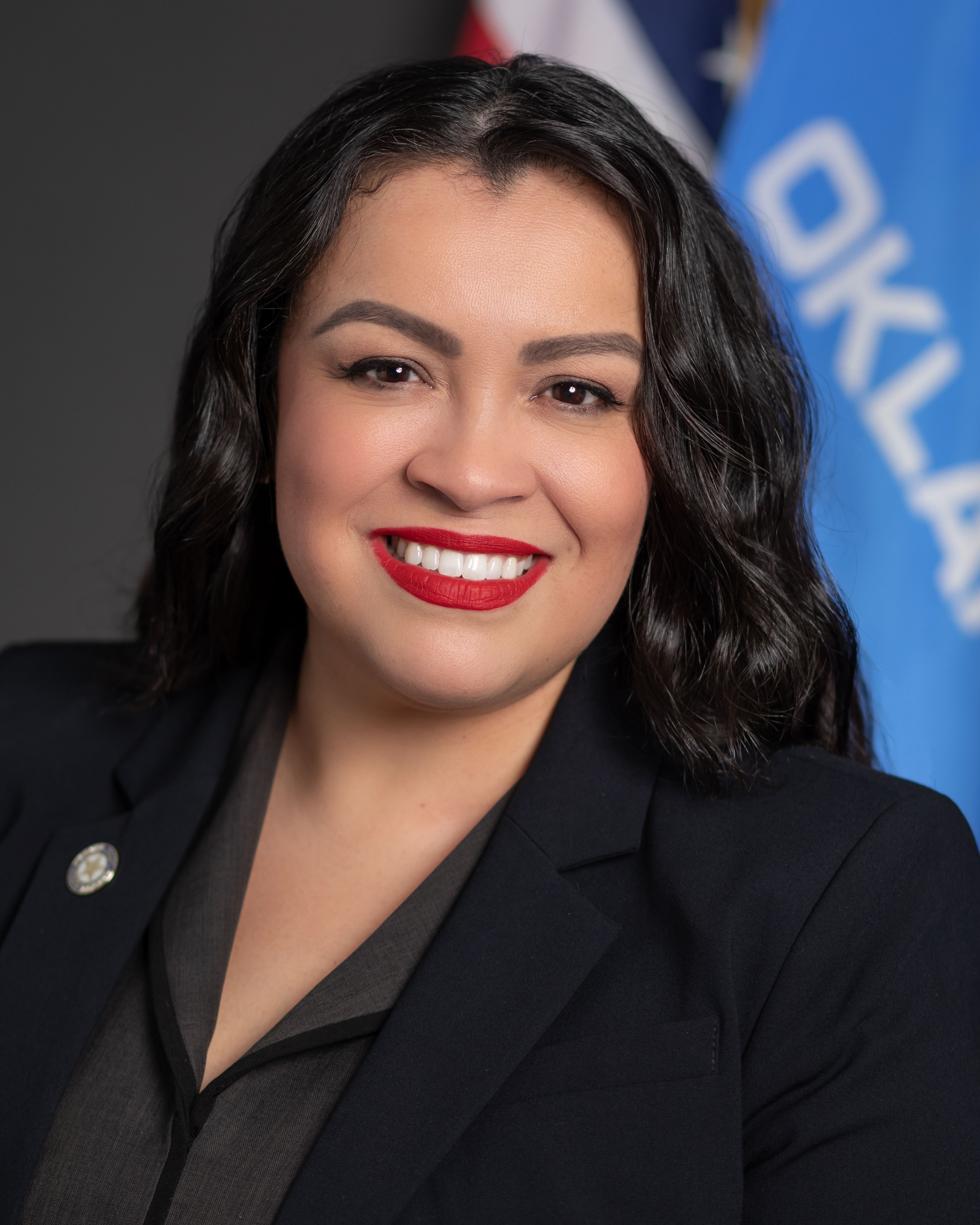
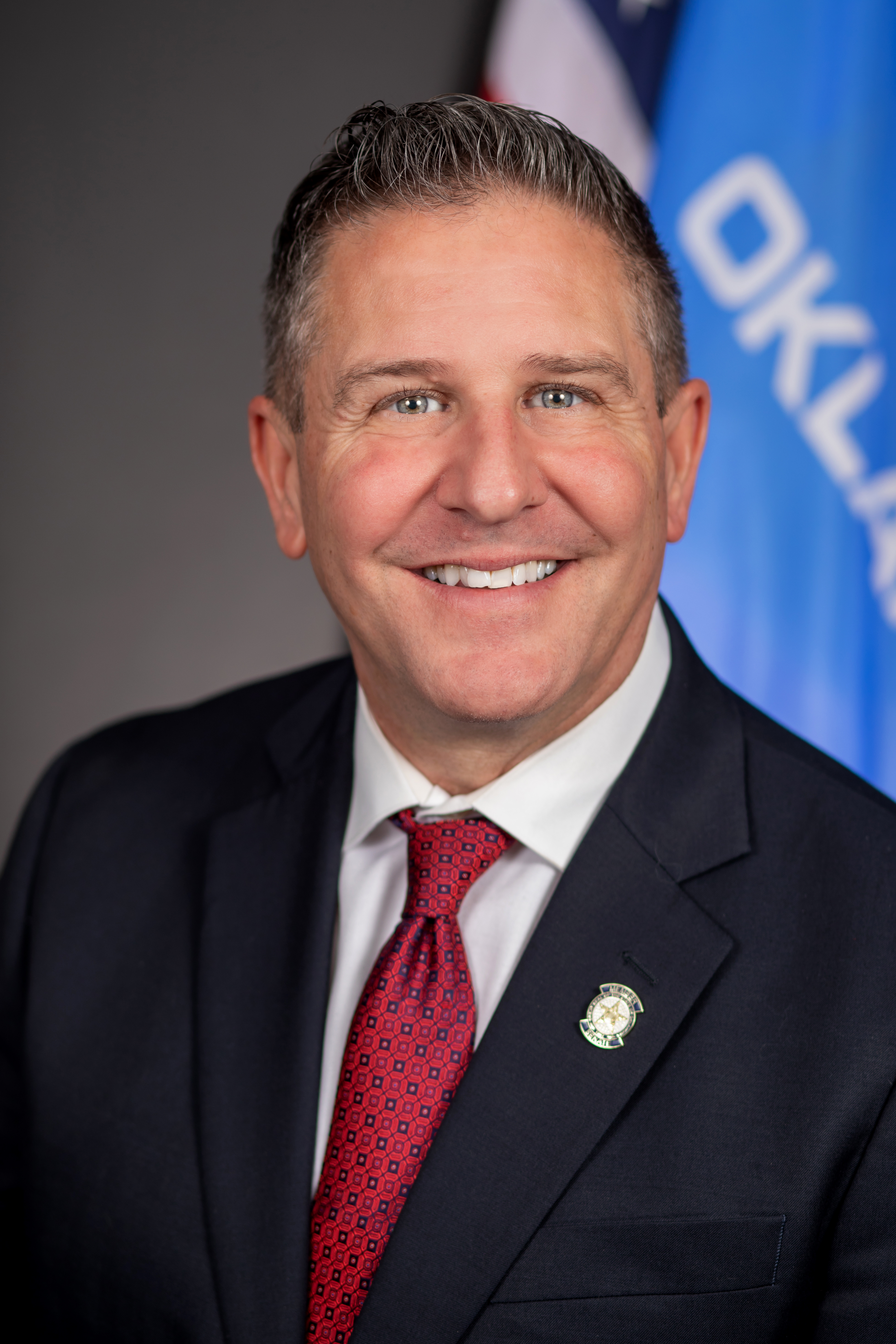
Annie Menz
100% support rate
Top opponent
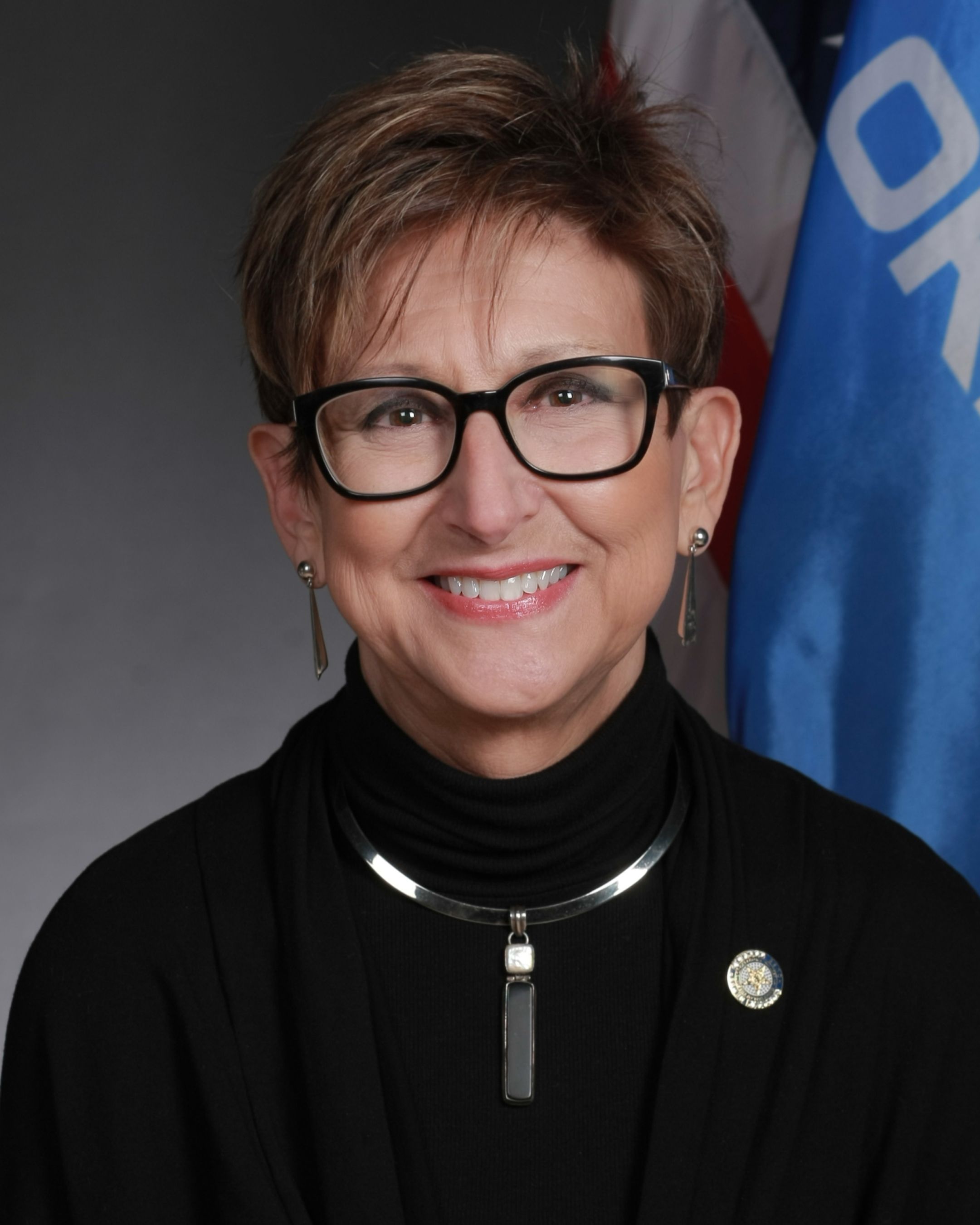
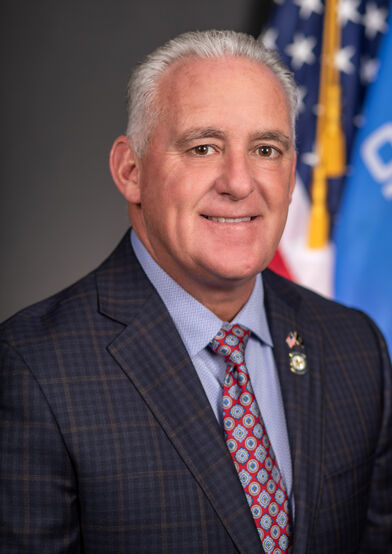
Jay Steagall
0% support rate
Ranked legislators
10
5 support · 5 oppose
Key legislators

Who's moving probation & parole in Oklahoma

Legislators moving probation & parole in Oklahoma
Legislator Party Stance Support rate Votes
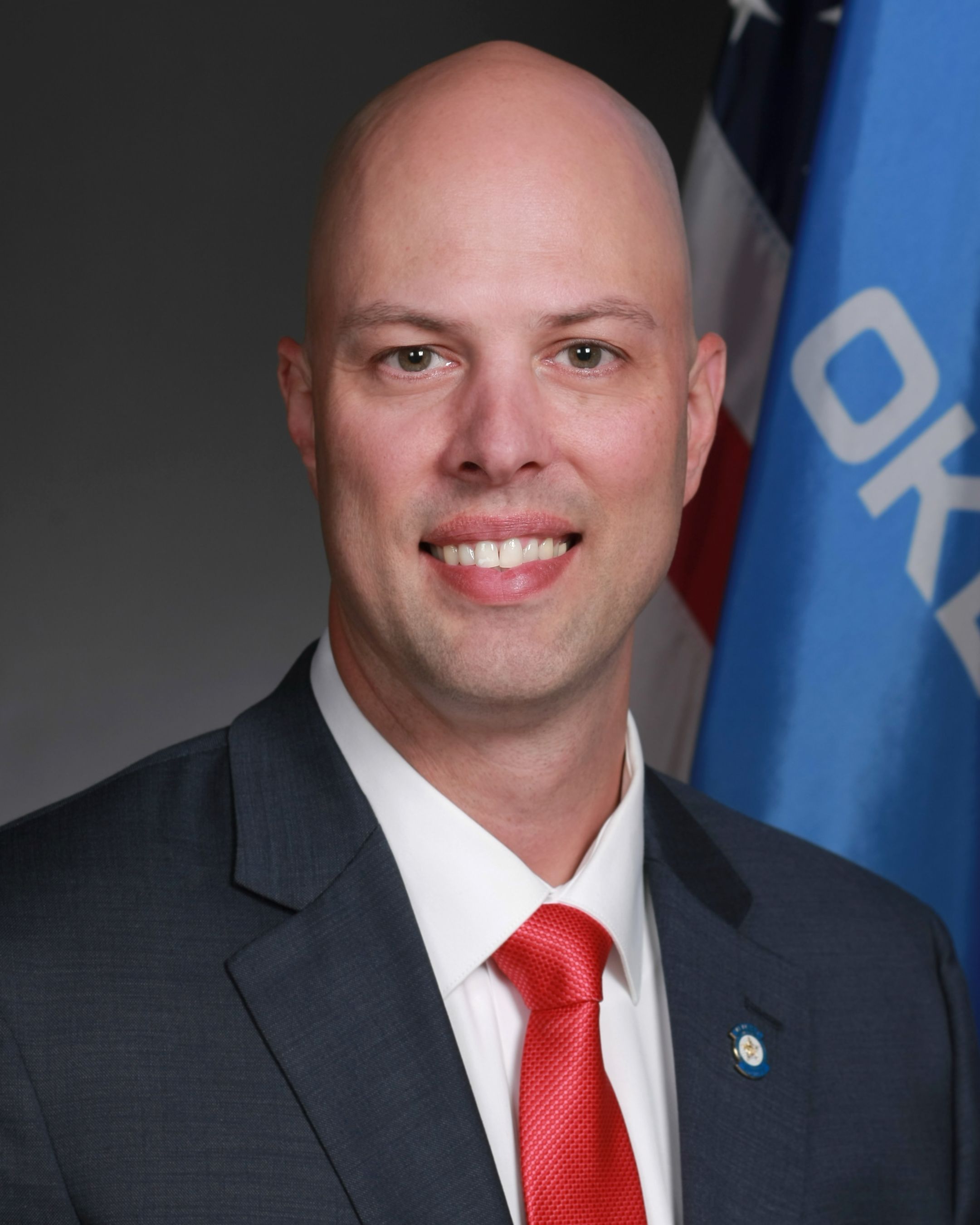
Annie Menz
Annie Menz House · District 45
D
Strong +
100% 6
Meloyde Blancett
Meloyde Blancett House · District 78
D
Strong +
100% 6
Amanda Clinton
Amanda Clinton House · District 71
D
Strong +
100% 5
Melissa Provenzano
Melissa Provenzano House · District 79
D
Strong +
88% 8
Michael Brooks
Michael Brooks Senate · District 44
D
Strong +
87% 15
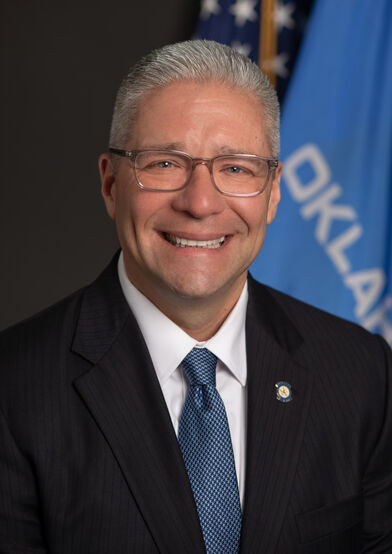
Jay Steagall
Jay Steagall House · District 43
R
Strong −
0% 5
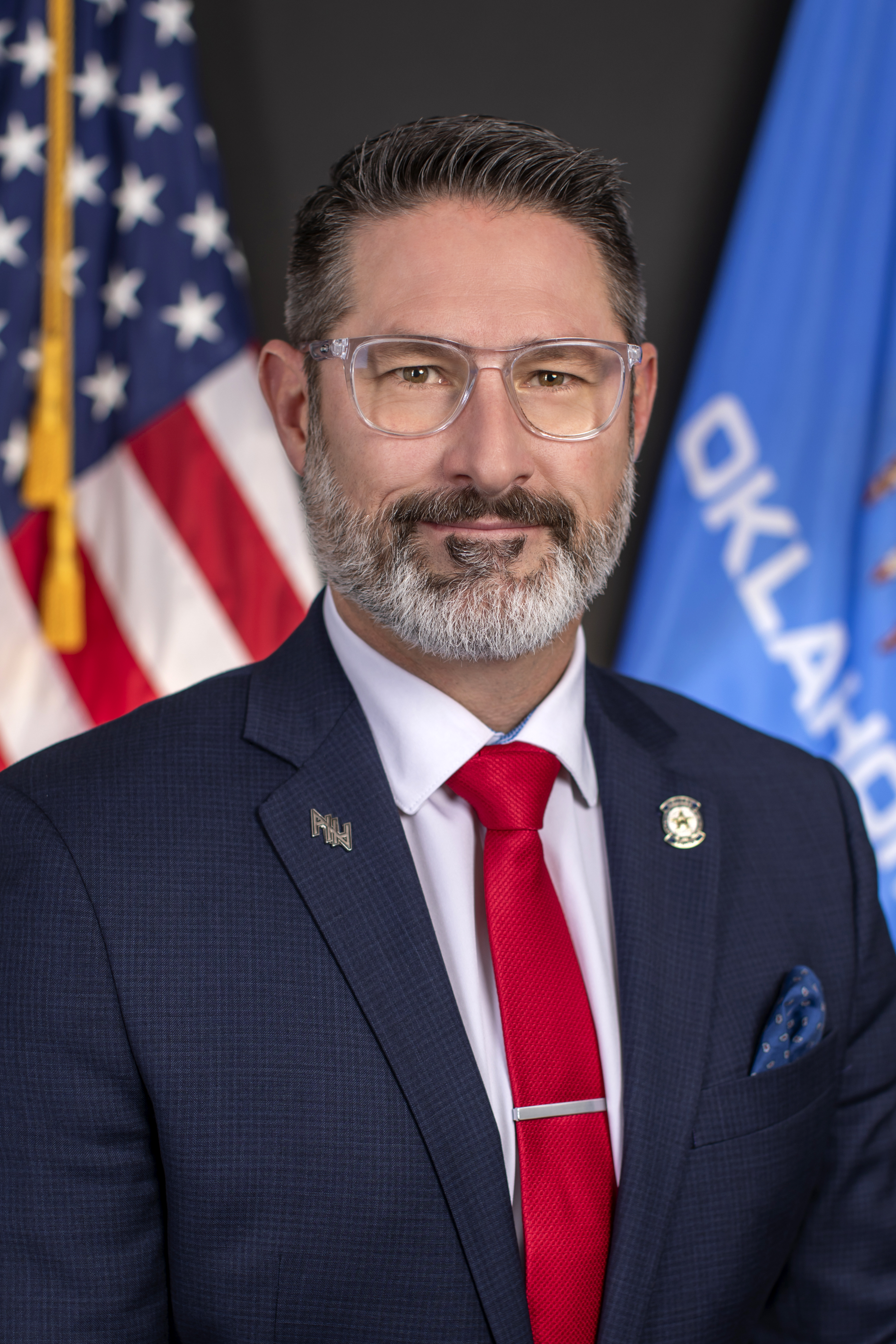
Dusty Deevers
Dusty Deevers Senate · District 32
R
Strong −
0% 4
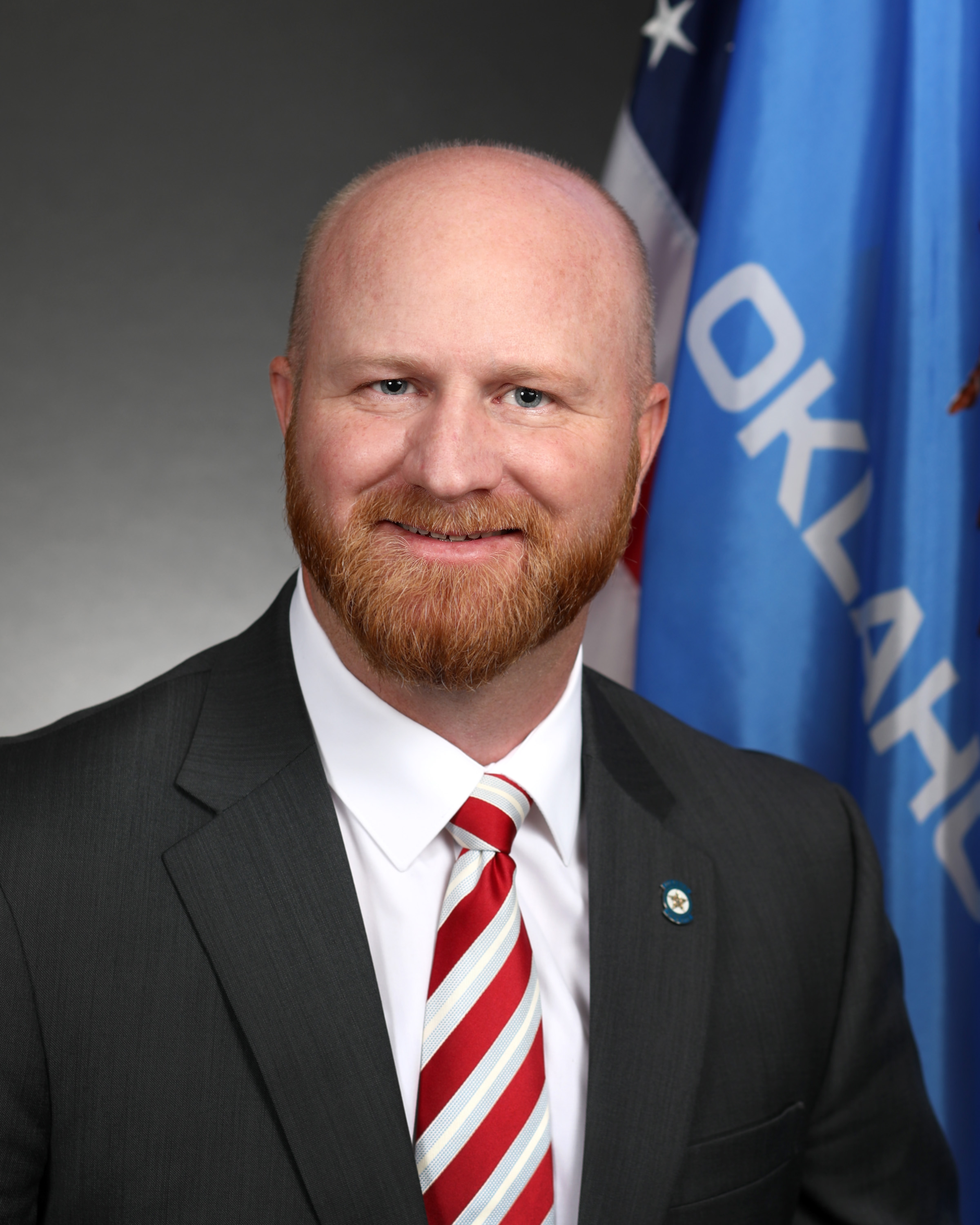
Brent Howard
Brent Howard Senate · District 38
R
Strong −
10% 10
Todd Gollihare
Todd Gollihare Senate · District 12
R
Strong −
10% 10
Paul Rosino
Paul Rosino Senate · District 45
R
Strong −
11% 9
Showing 11–20 of 47 bills

All criminal justice bills

in committee · Oklahoma · House Feb 3, 2026

HB 3352: Pardon and parole; updating language; effective date.

HB 3352 updates Oklahoma's pardon and parole procedures by revising statutory language and adding new requirements. It creates an accelerated commutation process for individuals convicted of crimes reclassified from felonies to misdemeanors, requiring the Pardon and Parole Board to prioritize these cases. The bill mandates extended notification timelines (20 business days) for victims, district attorneys, and the Attorney General before decisions, and requires the Board to provide detailed annual reports to the Legislature on approval rates and public input. These changes apply directly to the Pardon and Parole Board, inmates seeking commutation or pardon, and crime victims.
Sub-Topics Probation & Parole
died · Oklahoma · House Feb 16, 2026

HB 3651: Prisons and reformatories; authorizing the Director of the Oklahoma Department of Corrections to supervise certain probationers and parolees; effective date.

HB 3651 would authorize the Director of the Oklahoma Department of Corrections to supervise certain probationers and parolees. This change would directly affect individuals on probation or parole who fall under the Director’s supervision, as well as the Department of Corrections in its management of community supervision. The bill amends state law to add this new authority to the Director’s existing duties, expanding their role beyond prison operations. The bill is currently under review in the Judiciary and Public Safety Oversight committee after its introduction.
in committee · Oklahoma · House Feb 3, 2026

HB 3353: Pardon and Parole Board; updating language; effective date.

HB 3353 updates Oklahoma's Pardon and Parole Board rules to prevent conflicts of interest. It prohibits board members (or their law firms/partners) from representing incarcerated inmates in legal matters while serving on the Board, and requires disqualification from voting on cases involving inmates they previously represented. The bill also mandates board members to disclose potential conflicts and uphold impartiality. These changes take effect November 1, 2026, directly affecting Board members and inmates whose cases involve prior legal representation by a Board member.
Sub-Topics Probation & Parole
in committee · Oklahoma · House Feb 18, 2026

HB 3848: Sex offenders; creating the Transient Sex Offender Elimination Act of 2026; providing guidelines and restrictions for establishing program houses; codification; effective date.

HB 3848, the "Transient Sex Offender Elimination Act of 2026," establishes new rules for housing and rehabilitation programs for registered sex offenders in Oklahoma. It requires program houses (residential facilities for multiple offenders) to be at least 3,000 feet from protected zones and single-family homes to be at least 1,000 feet away, while mandating incarcerated sex offenders complete victim impact and life skills programs before release. Offenders must receive a reentry portfolio with housing/employment plans and approved rehabilitation curriculum upon release, and the law applies retroactively to all current offenders. The act takes effect November 1, 2026, and requires annual reports on program outcomes to the Legislature.
Sub-Topics Probation & Parole
in committee · Oklahoma · House Feb 3, 2026

HB 3356: Pardon and Parole Board; updating language; effective date.

HB 3356 updates Oklahoma's Pardon and Parole Board procedures for inmate release. It requires the Board to consider victim impact statements from sentencing and mandate that inmates pay monetary restitution for economic losses to victims before parole is granted. The bill also adds new conditions: inmates must secure suitable employment or housing, complete education programs (to a set proficiency level or earn a diploma), and may need to finish programs after release. Parole officers must help inmates find jobs or education, and failing to complete required programs can lead to parole revocation. The law takes effect November 1, 2026.
in committee · Oklahoma · Senate Feb 3, 2026

SJR 27: Constitutional amendment; clarifying Pardon and Parole Board voting procedures.

This constitutional amendment (SJR 27) clarifies voting procedures for Oklahoma's Pardon and Parole Board. It specifies that a tie vote on clemency recommendations for death row inmates does not count as a denial, and establishes rules for using alternate board members when regular members are absent or recused. Alternates must come from the same appointing authority as the absent member and have 180 days to review cases. The amendment directly affects the Board's operations and death penalty cases seeking clemency. It does not change the Board's authority over parole recommendations for nonviolent offenses.
Sub-Topics Probation & Parole
died · Oklahoma · Senate Mar 10, 2026

SB 1540: Crimes and punishments; creating felony offense related to child abuse. Effective date.

SB 1540 amends Oklahoma law to create new felony classifications for child abuse, neglect, and related offenses. It defines "child abuse" as willful or malicious harm by anyone responsible for a child's welfare, making it a Class A3 felony punishable by up to life in prison or fines up to $5,000. The bill also establishes "enabling child abuse" and "enabling child neglect" as separate Class A3 and Class B1 felonies, respectively, targeting those who facilitate harm to children. Additionally, it requires life without parole for repeat offenders convicted of first-degree rape, sodomy, or sexual abuse of a child. These provisions directly affect caregivers, parents, and institutions responsible for child safety.
passed · Oklahoma · Senate Apr 7, 2026

SB 1450: Criminal court costs and fees; requiring waiver of certain costs and fees upon completion of certain requirements. Effective date.

SB 1450 allows Oklahoma courts to waive criminal court fines, costs, and fees for eligible individuals who meet specific payment and compliance requirements. It creates two pathways: (1) waiving costs after 24 months of timely monthly payments following release from prison, or (2) waiving costs after 48 months of timely payments within the prior 60 months, both requiring full probation/supervision compliance. The bill excludes restitution to victims and child support from waiver eligibility, and requires individuals released from prison to report to courts 180 days post-release to address outstanding debts. The law takes effect November 1, 2026.
passed · Oklahoma · House Apr 16, 2026

HB 3905: Domestic violence; requiring use of Global Positioning System (GPS) monitoring devices; effective date.

HB 3905 would require Oklahoma courts to mandate GPS monitoring devices for individuals convicted of domestic violence offenses as a standard condition of release or probation, unless the court determines it is unnecessary. This directly affects domestic violence offenders under court supervision and the judicial system managing their cases. The key provision establishes GPS tracking as a default measure, with judges retaining discretion to waive it for specific reasons. The policy aims to enhance victim safety by providing real-time location data of offenders.
passed · Oklahoma · House Apr 27, 2026

HB 3264: Crimes and punishments; minimum prison sentences; criminal offense; list; effective date.

HB 3264 requires individuals convicted of 24 specific serious crimes - including first-degree murder, child sexual abuse, human trafficking, domestic abuse by strangulation, and discharging a firearm into occupied buildings - to serve at least 85% of their prison sentence before becoming eligible for parole. The bill eliminates earned credits or other sentence reductions that would allow offenders to serve less than 85% of their sentence. It applies to all convictions for these listed offenses, including attempts, conspiracies, or solicitations. The law would take effect on November 1, 2026, if passed.
Showing 11 to 20 of 47 bills
Previous 1 2 3 5 Next