Issue · Criminal Justice

Criminal Justice (Juvenile Justice)

Every criminal justice bill, vote, and legislator stance in Oklahoma, automatically classified by Maddy, our AI policy reader.

Total bills
23
2026 Regular Session
Top supporter
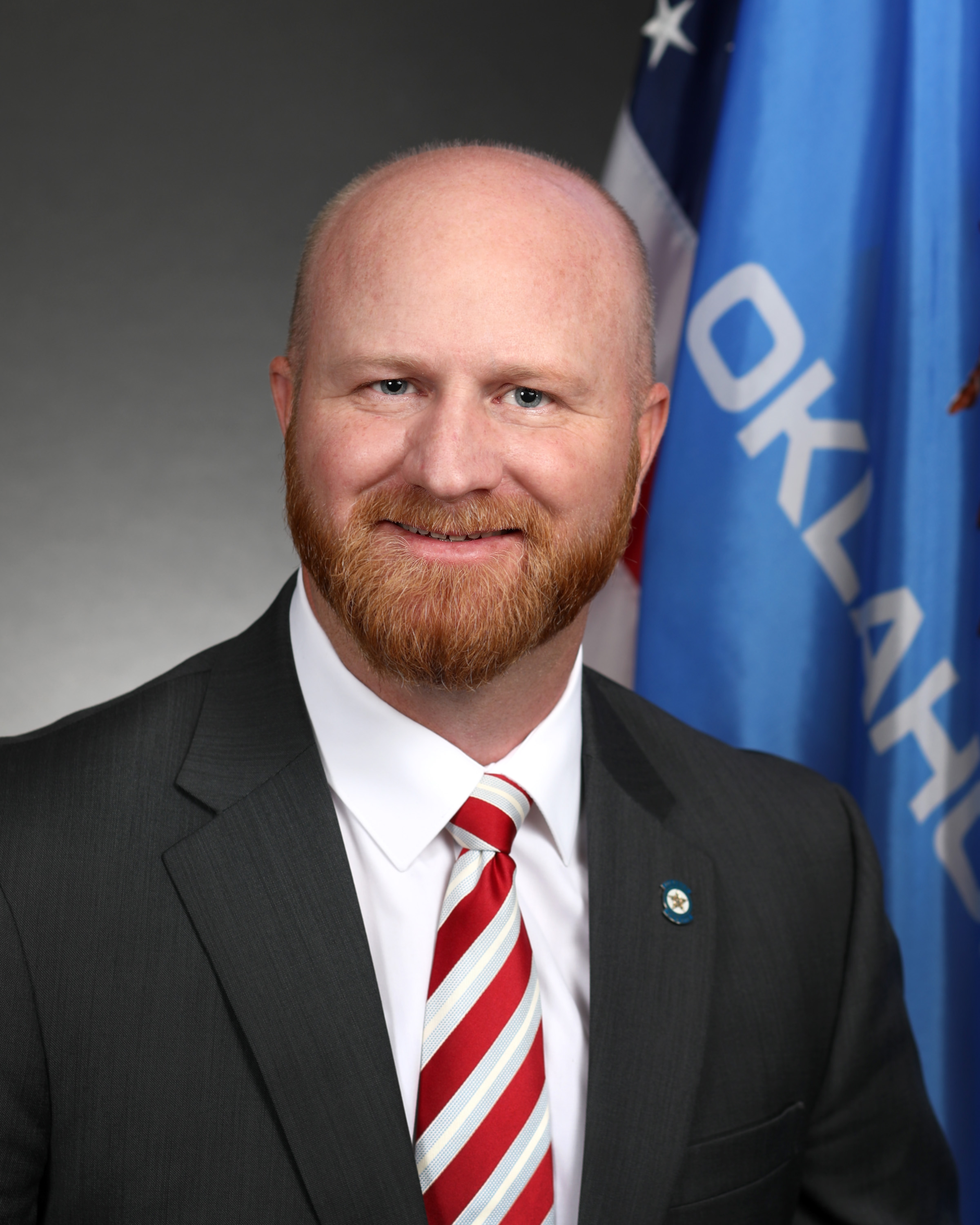
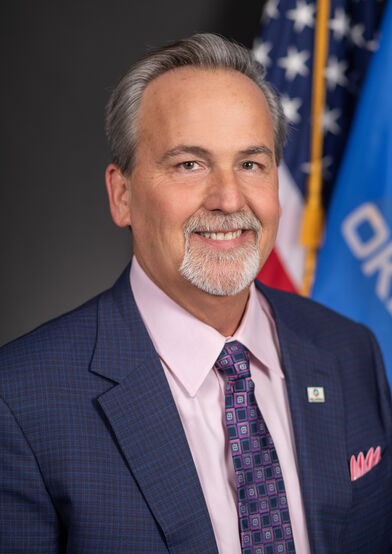
Brent Howard
100% support rate
Top opponent
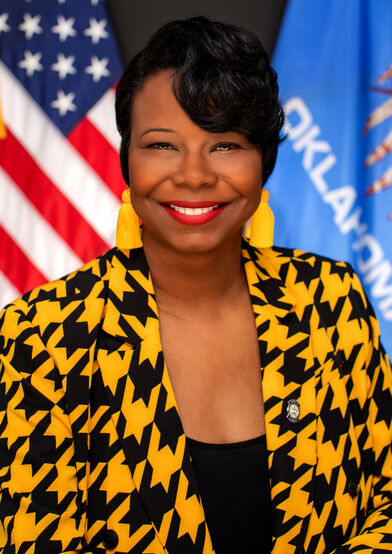
Nikki Nice
25% support rate
Ranked legislators
6
5 support · 1 oppose
Key legislators

Who's moving juvenile justice in Oklahoma

Legislators moving juvenile justice in Oklahoma
Legislator Party Stance Support rate Votes
Brent Howard
Brent Howard Senate · District 38
R
Strong +
100% 3
Darcy Jech
Darcy Jech Senate · District 26
R
Strong +
100% 3
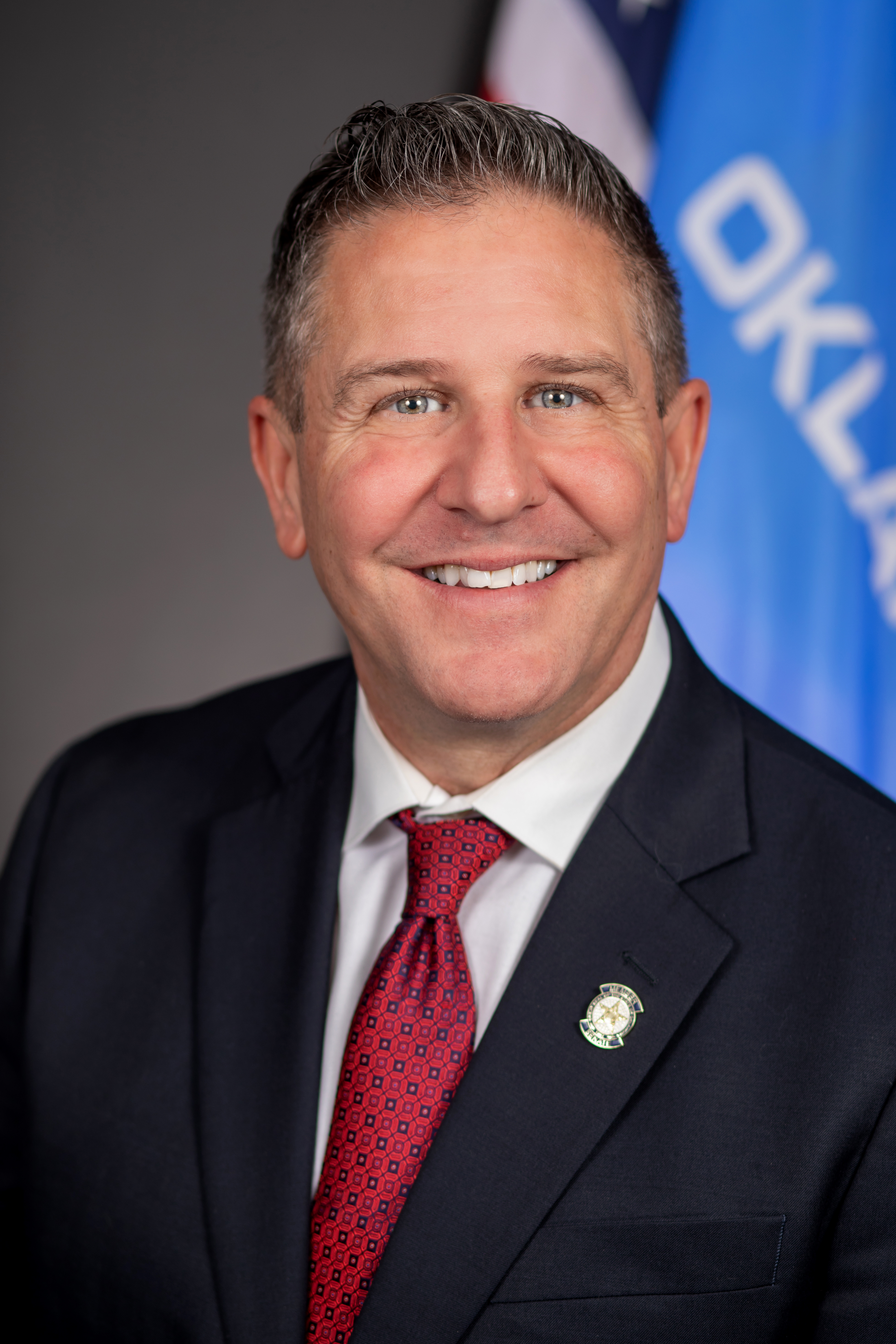
Todd Gollihare
Todd Gollihare Senate · District 12
R
Strong +
100% 3
Lisa Standridge
Lisa Standridge Senate · District 15
R
Strong +
80% 5
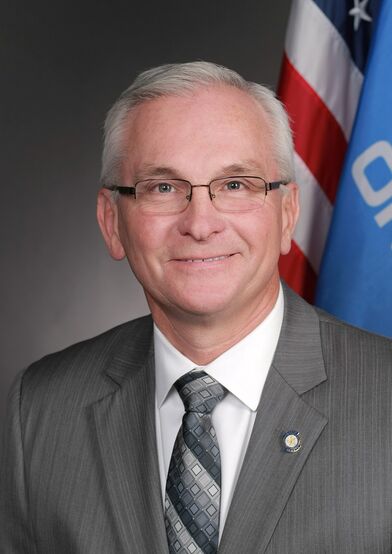
Bill Coleman
Bill Coleman Senate · District 10
R
Support
75% 4
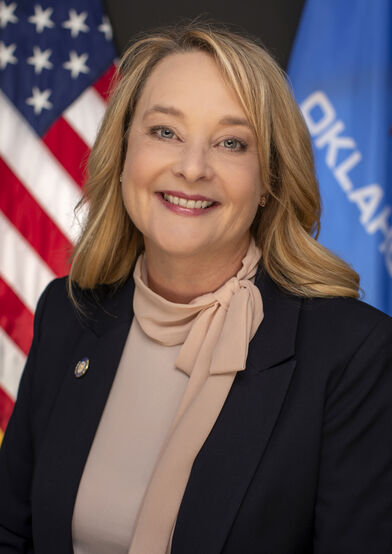
Nikki Nice
Nikki Nice Senate · District 48
D
Oppose
25% 4
Showing 11–20 of 23 bills

All criminal justice bills

signed · Oklahoma · House Apr 30, 2025

HB 1579: Juvenile bureaus; salaries and expenses; limitations; effective date.

HB 1579 sets salary limits for juvenile bureau staff in Oklahoma counties, capping directors' pay at 90% of Class A county officer salaries and other employees at 85%. It requires juvenile court judges (with county commissioner oversight) to establish expense limits for bureau operations and mandates that all bureau costs - salaries and expenses - be funded through county budgets or dedicated sales taxes. The bill also specifies that county excise boards must appropriate funds for bureau staffing and operations, consistent with other county officer budgets. Additionally, it clarifies that district attorneys represent juvenile bureaus in lawsuits, unless conflicts arise. The law became effective November 1, 2025.
signed · Oklahoma · Senate May 14, 2025

SB 731: Oklahoma Evidence Code; modifying certain hearsay exception to include statements by vulnerable adults. Effective date.

SB 731 expands Oklahoma's evidence rules to allow statements from "vulnerable adults" (as defined in state law) to be admitted as evidence in court cases involving abuse, neglect, or sexual contact. The bill specifically permits such statements in juvenile delinquency cases, criminal trials, and related proceedings when the vulnerable adult is a victim or witness to crimes like physical abuse, sexual assault, or domestic violence. These statements can be used without the person testifying in court if they're unavailable or if the court deems the statement non-testimonial. The law applies to cases involving specific crimes listed in Oklahoma statutes, including those against children or vulnerable adults.
signed · Oklahoma · Senate May 15, 2025

SB 607: Oklahoma Evidence Code; providing for admissibility of certain statements in certain proceedings. Effective date.

SB 607 allows statements made by domestic abuse victims to law enforcement within one week of an incident, on protective order applications within one week, or as testimony at protective order hearings to be automatically admissible as evidence in criminal and juvenile domestic abuse cases. This applies to pre-trial hearings, probation revocation hearings, and other related proceedings. The bill directly affects victims seeking legal protection and prosecutors building cases, streamlining the use of timely victim statements without requiring additional verification. It becomes effective November 1, 2025, and codifies these admissibility rules in Oklahoma's Evidence Code.
vetoed · Oklahoma · Senate May 29, 2025

SB 870: Oklahoma Children's Code; creating the Accountability, Transparency, and Protection for Exploited Youth Act. Effective date.

SB 870, the Accountability, Transparency, and Protection for Exploited Youth Act, requires staff, contractors, and volunteers in Oklahoma juvenile facilities (including state-run, county, and private group homes) to immediately report any suspected sexual misconduct or coercive relationships involving juveniles to both their supervisor and the newly created Independent Oversight Committee (IOC). The bill establishes the IOC to independently investigate such reports, separate from facility internal reviews, and mandates that facilities provide annual staff training on prevention and reporting. Failure to report can result in a felony charge (up to 2 years in prison and $5,000 fine), while negligent facilities or contractors could face civil liability and fines of up to $50,000 per victim. The law also amends confidentiality rules to allow certain authorized disclosures related to these investigations.
died · Oklahoma · House Feb 5, 2025

HB 1971: Children; Accountability, Transparency, and Protection for Exploited Youth Act; report; sexual misconduct or exploitation; penalties; Office of Juvenile Affairs; Independent Oversight Committee; responsibilities; investigations; civil liability; damages; negligence; civil penalties; training; annual report; exception; Oklahoma Open Records Act; disclosure; confidentiality; judicial review; juvenile records; exception; codification; effective date.

HB 1971, the "Accountability, Transparency, and Protection for Exploited Youth Act," requires staff, contractors, and volunteers in Oklahoma juvenile facilities (including group homes and county detention centers) to immediately report suspected sexual misconduct or exploitation involving juveniles to both their supervisor and the Office of Juvenile System Oversight. Failure to report carries criminal penalties (up to 2 years in prison and $5,000 fines) and civil liability for negligence, with potential damages of up to $50,000 per victim. The bill mandates annual staff training on recognizing and reporting misconduct and requires the Oversight Committee to submit annual reports to the legislature. It also creates an exception to juvenile record confidentiality, allowing limited disclosure of relevant records to law enforcement, guardians, and legal representatives in sexual violence cases while maintaining broader confidentiality protections.
in committee · Oklahoma · Senate Feb 4, 2025

SB 946: Detention facilities; modifying provisions related to standards of certain facilities. Effective date.

SB 946 updates standards for juvenile detention facilities and city/county jails in Oklahoma. It requires facilities to provide specific records to the State Department of Health, notify the health department within 24 hours when holding juveniles, and comply with revised safety and staffing standards during construction or remodeling. The bill modifies requirements for cell space, staff availability, and report submissions while prohibiting public disclosure of certain complaint details. These changes directly affect juvenile detention centers, city/county jails housing minors, and the State Department of Health oversight role. The bill also updates statutory language governing facility inspections and corrections.
Sub-Topics Juvenile Justice
in committee · Oklahoma · Senate Feb 4, 2025

SB 390: Sentencing of juveniles; prohibiting imposition of certain terms of imprisonment for juveniles. Effective date.

SB 390 bans life imprisonment without parole for juveniles and caps prison sentences at 20 years for individuals under 18 at the time of the offense. It requires courts to depart from mandatory minimum sentences in juvenile cases, directing judges to consider risk assessments and alternative sentencing options. The law directly affects juveniles aged under 18 charged as adults in Oklahoma courts and takes effect November 1, 2025. It updates sentencing rules under Oklahoma statutes 10A O.S. 2-5-204 and 22 O.S. 985.1.
in committee · Oklahoma · Senate Feb 3, 2026

SB 1294: Detention facilities; prohibiting charges for certain calls. Effective date.

SB 1294 prohibits detention facilities in Oklahoma from charging fees for phone calls made by individuals held in those facilities. It specifically applies to facilities operated by the Office of Juvenile Affairs (for juvenile detention) and the Department of Corrections (for adult correctional facilities). The bill bans any fees or charges for placing phone calls from these facilities, directly affecting incarcerated individuals and their families who rely on communication. The law takes effect on November 1, 2026.
died · Oklahoma · House Feb 5, 2025

HB 1109: Truancy; prohibiting detention for failure to attend school; waiver of certain fines; requiring written notice for certain absences; requiring school districts to create and adopt progressive truancy intervention plans; prohibiting suspension; permitting report of absences to court under certain circumstances; effective date; emergency.

HB 1109 prohibits detaining students for school absences and bans suspensions for truancy. It requires school districts to create progressive intervention plans (with three tiers) and send written notices to families for absences, replacing punitive measures. The bill also limits court involvement by allowing reports of absences only under specific circumstances and prevents placing students in institutional facilities solely for truancy. These changes directly affect students, schools, and juvenile courts in Oklahoma, shifting focus from punishment to support systems for attendance issues.
in committee · Oklahoma · Senate Feb 11, 2025

SB 1109: Youthful Offender Act; adding offenses for which certain juveniles may receive an adult sentence. Effective date.

SB 1109 expands Oklahoma's Youthful Offender Act by adding specific violent and serious offenses to the list where 15- to 17-year-olds may be tried as adults instead of juveniles. It includes crimes like second-degree murder, kidnapping, rape, armed robbery, and certain drug offenses. Prosecutors gain discretion to file these cases as adult charges or under the Youthful Offender Act, with mandatory notification to juvenile authorities when adult charges are filed. The bill directly affects juveniles charged with these offenses, changing their potential legal pathway.
Showing 11 to 20 of 23 bills