Issue · Criminal Justice

Criminal Justice (Sentencing)

Every criminal justice bill, vote, and legislator stance in Oklahoma, automatically classified by Maddy, our AI policy reader.

Total bills
17
2026 Regular Session
Top supporter
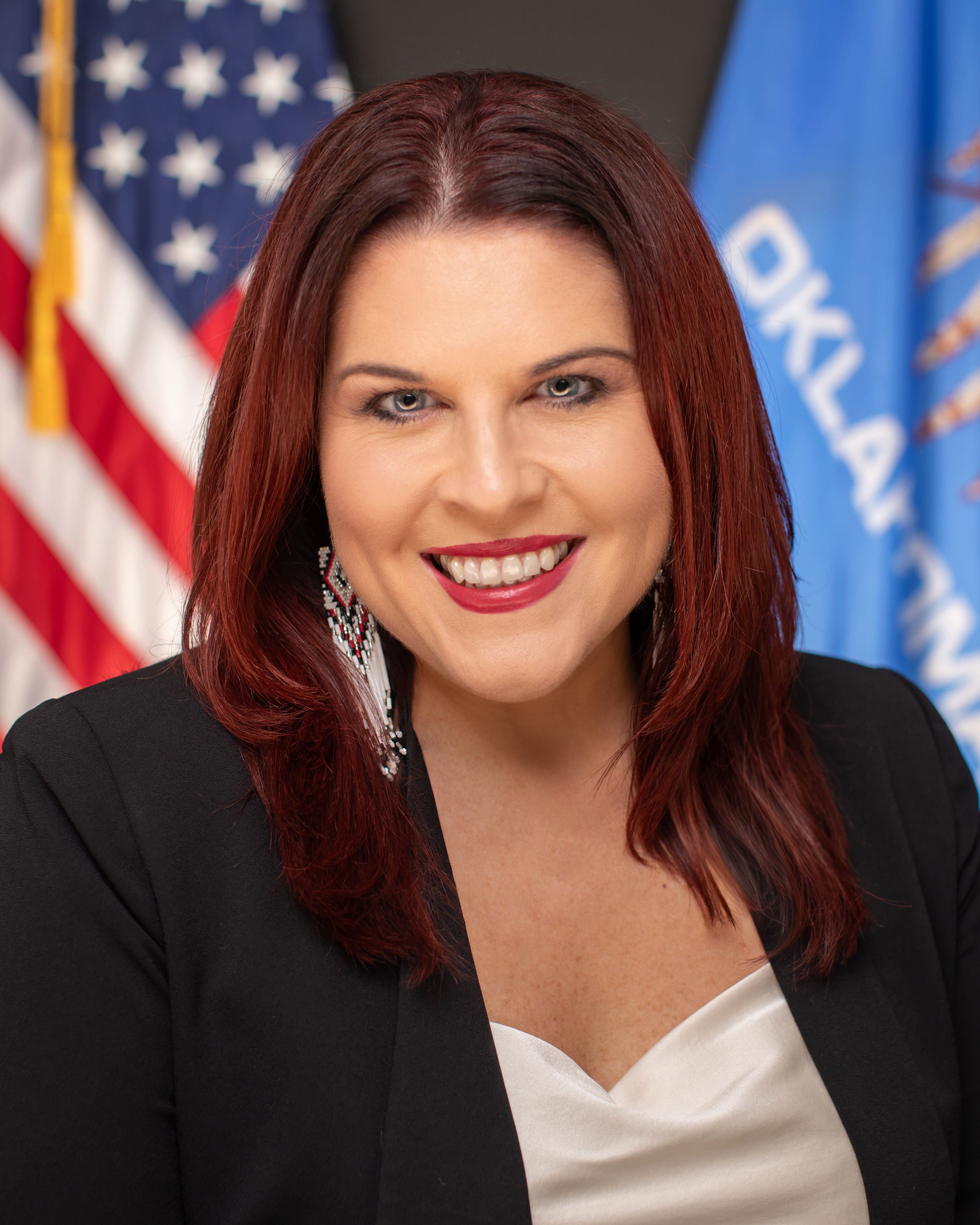
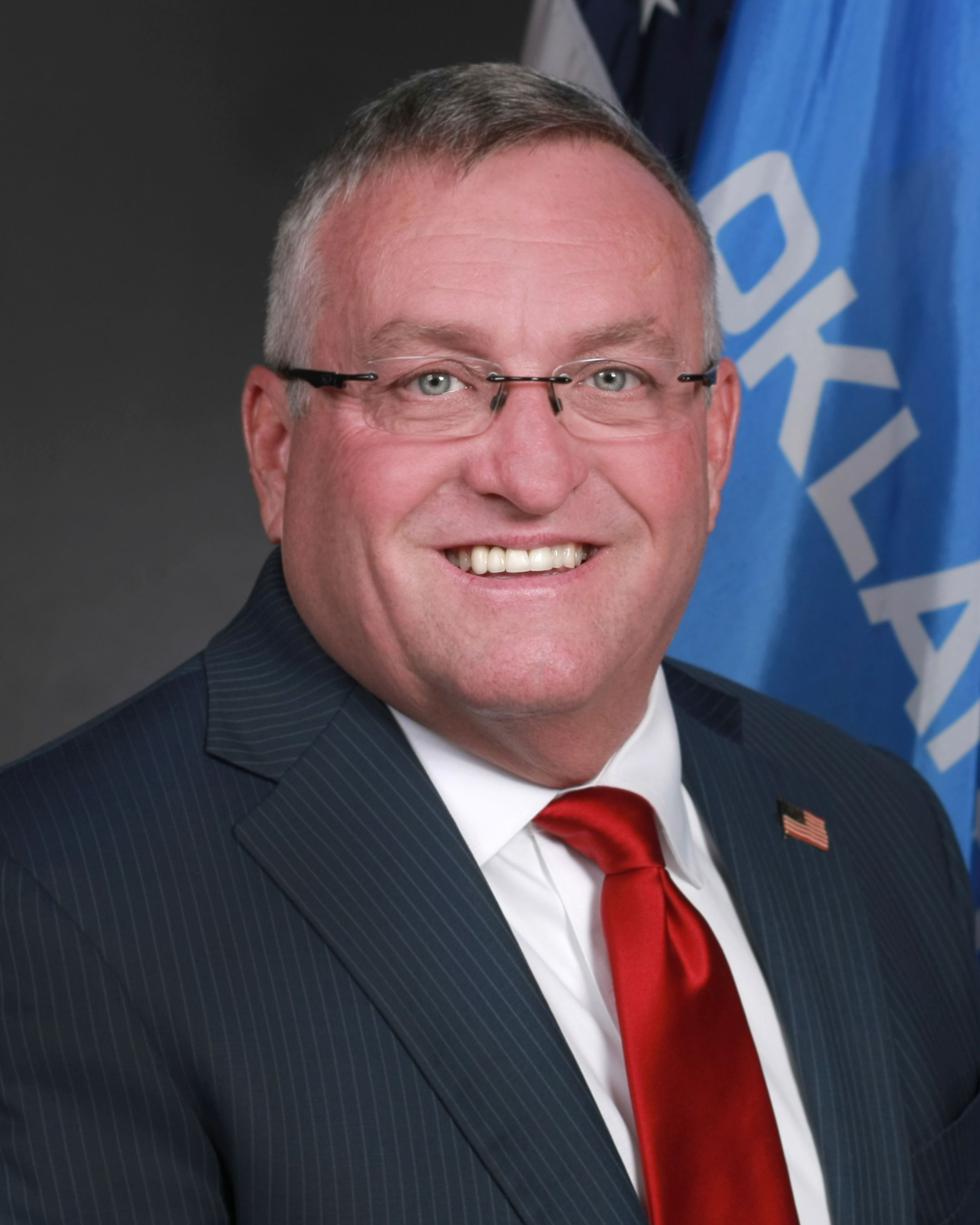
Amanda Clinton
100% support rate
Top opponent
Ross Ford
0% support rate
Ranked legislators
10
5 support · 5 oppose
Key legislators

Who's moving sentencing in Oklahoma

Legislators moving sentencing in Oklahoma
Legislator Party Stance Support rate Votes
Amanda Clinton
Amanda Clinton House · District 71
D
Strong +
100% 7
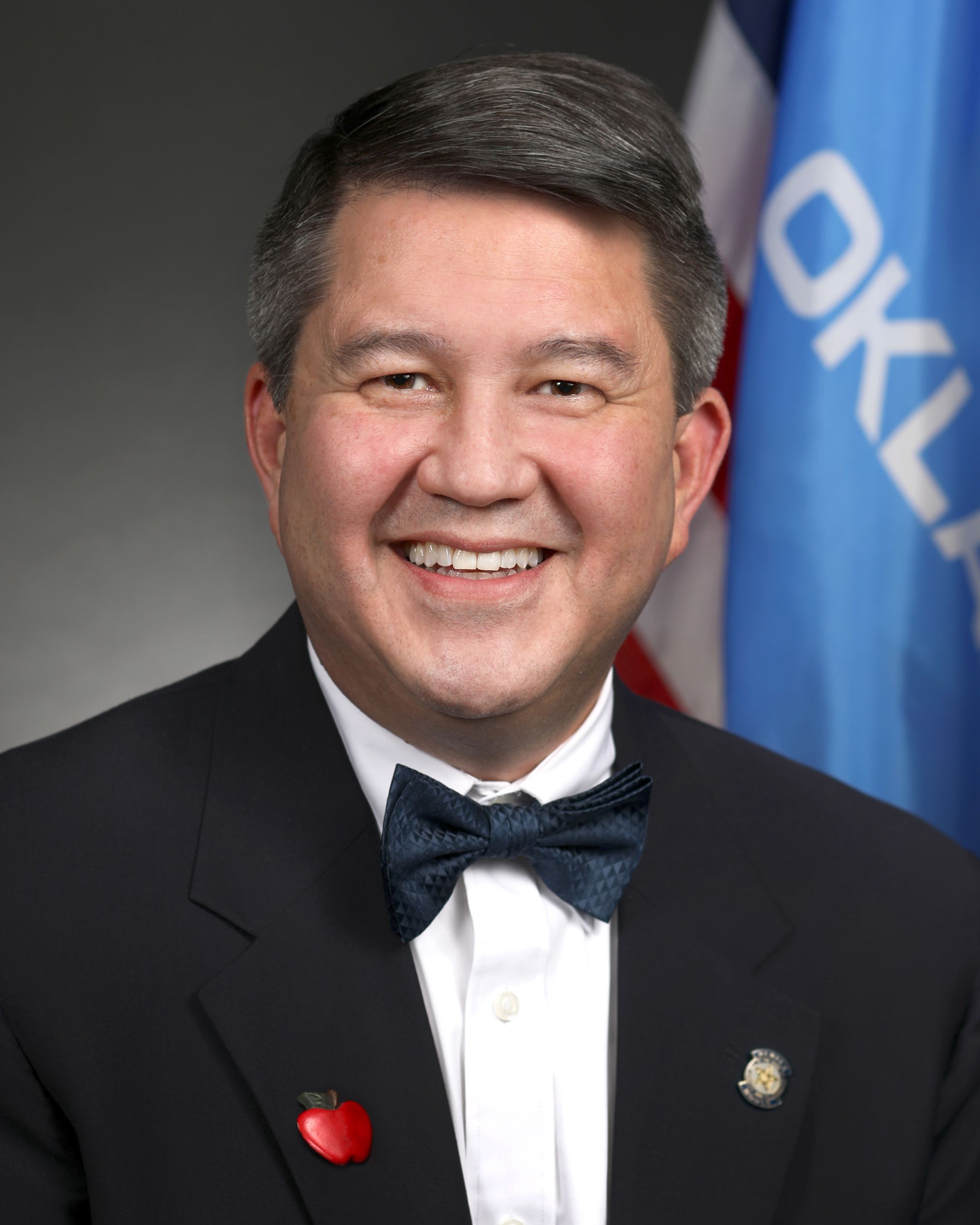
Andy Fugate
Andy Fugate House · District 94
D
Strong +
100% 7
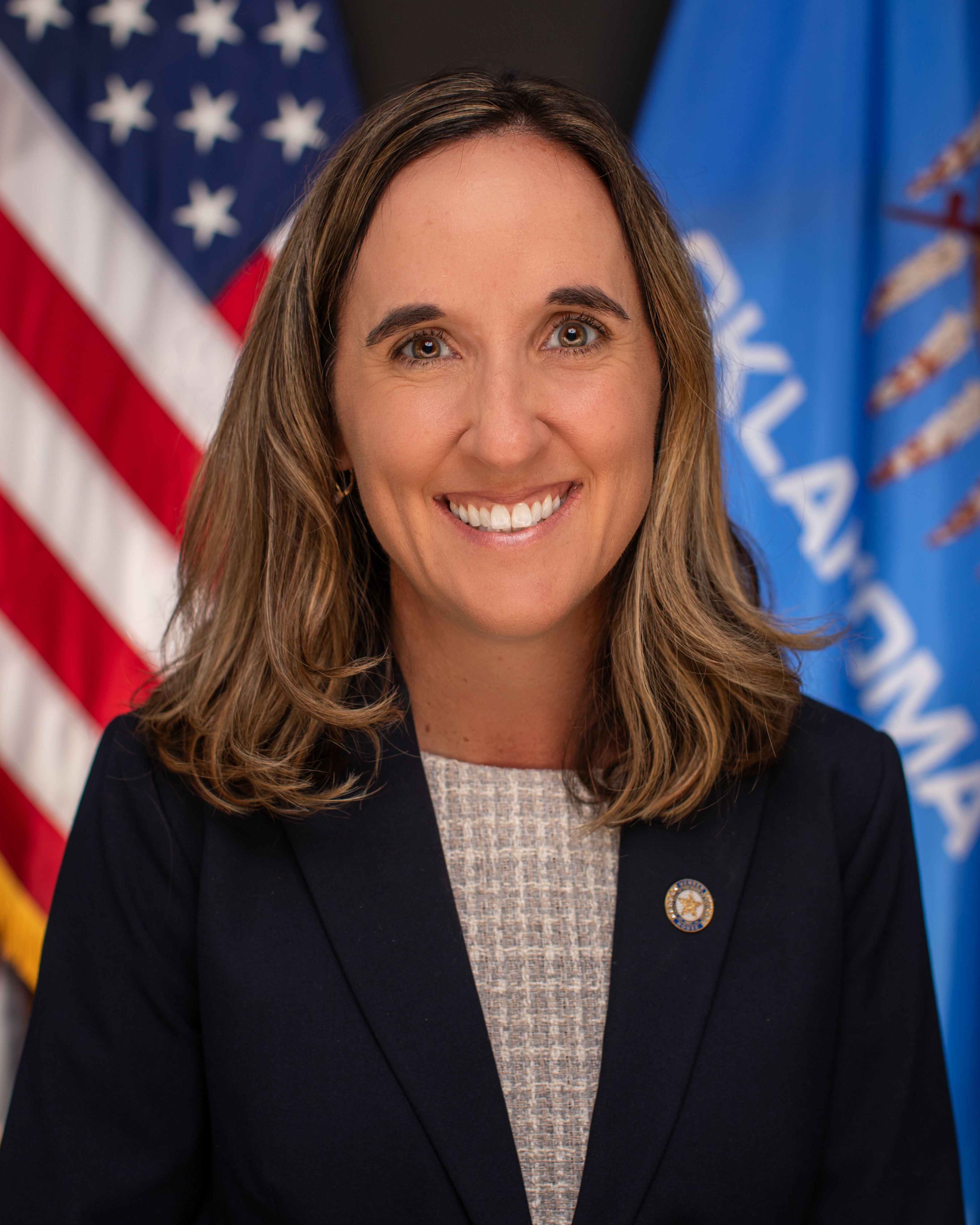
Ellen Pogemiller
Ellen Pogemiller House · District 88
D
Strong +
100% 6
Melissa Provenzano
Melissa Provenzano House · District 79
D
Strong +
100% 6
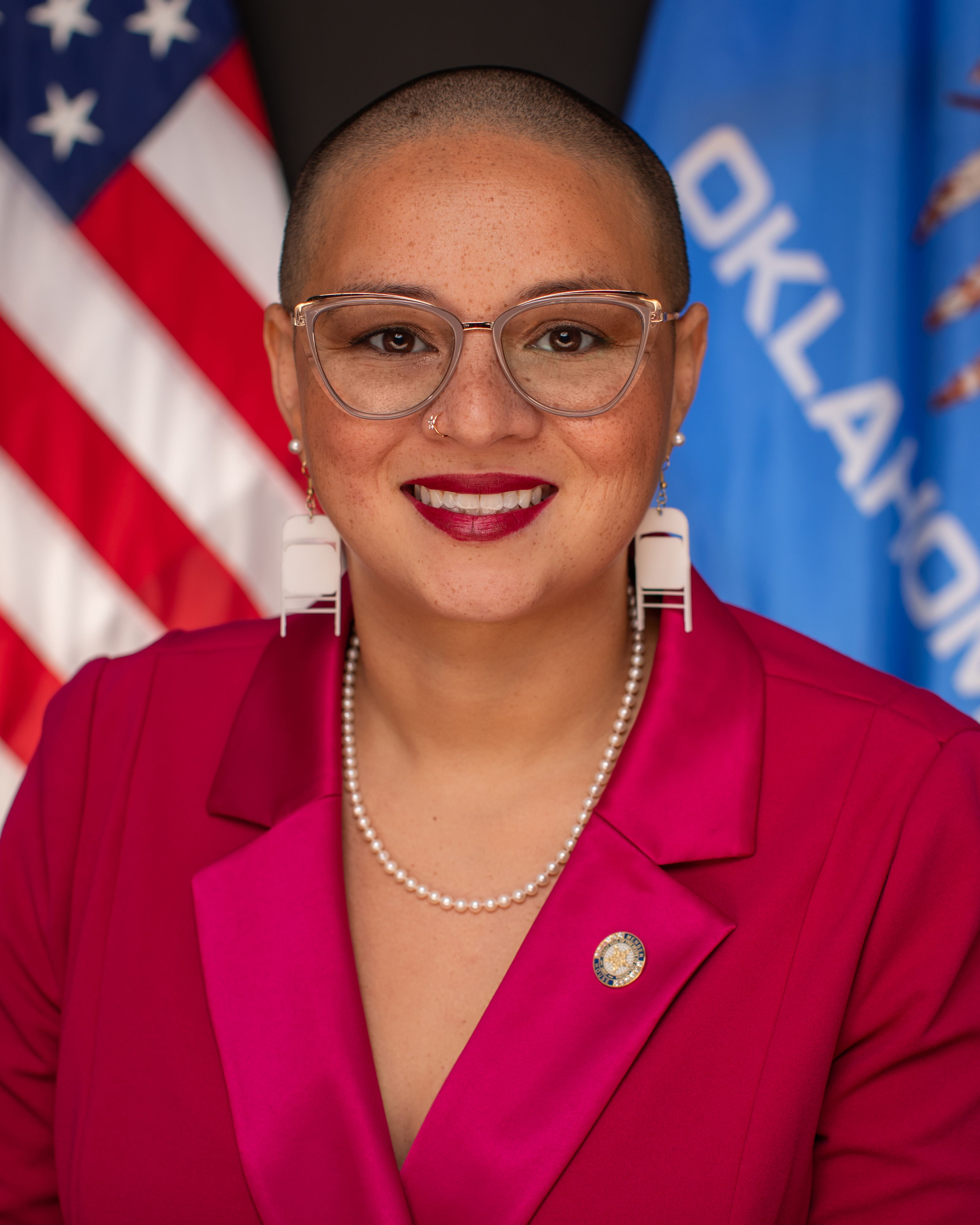
Michelle McCane
Michelle McCane House · District 72
D
Strong +
100% 6
Ross Ford
Ross Ford House · District 76
R
Strong −
0% 9
Carl Newton
Carl Newton House · District 58
R
Strong −
0% 6
Molly Jenkins
Molly Jenkins House · District 33
R
Strong −
0% 6
Neil Hays
Neil Hays House · District 13
R
Strong −
0% 6
Rick West
Rick West House · District 3
R
Strong −
0% 6
Showing 11–17 of 17 bills

All criminal justice bills

vetoed · Oklahoma · House May 29, 2025

HB 1273: Domestic violence; providing for alternative batterers' intervention programs; effective date.

HB 1273 creates an alternative batterers' intervention program option for defendants convicted of domestic abuse in Oklahoma. It requires courts to mandate participation in either a standard 52-week batterers' intervention program or a shorter 26-week certified alternative program. The alternative programs, approved by the Attorney General, must prioritize victim safety and include specific strategies to stop violence and hold offenders accountable. This change directly affects individuals convicted of domestic abuse under Oklahoma law and the domestic violence organizations providing these certified programs. The bill amends sentencing requirements to allow courts to order completion of the alternative program instead of the standard 52-week option.
in committee · Oklahoma · Senate Feb 4, 2025

SB 390: Sentencing of juveniles; prohibiting imposition of certain terms of imprisonment for juveniles. Effective date.

SB 390 bans life imprisonment without parole for juveniles and caps prison sentences at 20 years for individuals under 18 at the time of the offense. It requires courts to depart from mandatory minimum sentences in juvenile cases, directing judges to consider risk assessments and alternative sentencing options. The law directly affects juveniles aged under 18 charged as adults in Oklahoma courts and takes effect November 1, 2025. It updates sentencing rules under Oklahoma statutes 10A O.S. 2-5-204 and 22 O.S. 985.1.
signed · Oklahoma · House May 28, 2025

HB 1462: Criminal procedure; directing courts to prioritize orders of payments of restitution; effective date.

HB 1462 requires Oklahoma courts to prioritize ordering restitution payments to crime victims when sentencing convicted defendants (excluding death penalty cases). The bill amends sentencing procedures to ensure courts consider restitution as a key requirement before other sentencing options, with interest accruing at 12% annually. It directly affects convicted individuals who must pay restitution, crime victims who receive priority for compensation, and courts that must now formally prioritize this in sentencing decisions. The law applies to all criminal convictions where restitution is feasible without causing undue hardship to the defendant.
in committee · Oklahoma · Senate Mar 10, 2025

SB 461: Crimes and punishments; removing certain references related to restricted bullets and body armor. Effective date.

SB 461 repeals specific Oklahoma statutes related to "restricted bullets" and "body armor" from the legal code. It removes references to these provisions from the Oklahoma Sentencing Modernization Act (21 O.S. Supp. 2024, Section 20H) and the RICO Act (22 O.S. Supp. 2024, Section 1402), including the prior inclusion of "second or subsequent conviction for committing a felony while wearing body armor" as a Class B3 offense. The bill directly affects the state’s criminal code by eliminating these specific legal references, though it does not change penalties for related conduct. This is a technical repeal of outdated or redundant statutes, not a policy change to criminal penalties. The bill’s effective date is specified but not detailed in the provided text.
Sub-Topics Sentencing
signed · Oklahoma · House May 27, 2025

HB 1886: Human trafficking; creating the Oklahoma Human Trafficking Justice for Victims and Advocacy Act of 2025; increasing penalties for certain unlawful act; codification; effective date.

HB 1886, now law after governor approval on May 23, 2025, updates Oklahoma's human trafficking sentencing by reducing the maximum sentence for certain trafficking acts from 25 to 10 years. The bill specifically targets traffickers convicted under these provisions, directly affecting individuals facing criminal prosecution for human trafficking offenses. Key changes include codifying this reduced sentence range into state law and adjusting related penalty structures. The amendment process clarified the exact sentencing term, replacing "twenty-five (25)" with "ten (10)" in the law. This represents a concrete policy shift in sentencing severity for specific trafficking crimes.
in committee · Oklahoma · Senate Feb 4, 2025

SB 154: Restitution; requiring court to prioritize order for restitution to victims. Effective date.

SB 154 requires Oklahoma courts to prioritize ordering restitution payments to crime victims when sentencing defendants convicted of crimes (excluding death penalty cases). The bill amends sentencing guidelines to explicitly state that courts "shall prioritize an order for payments of restitution to the victim to the extent feasible" before considering other sentencing options like community service or fines. It directly affects courts, victims seeking compensation, and defendants required to pay restitution. The key change is a procedural shift in sentencing priorities, ensuring restitution is addressed early in the process without altering existing restitution rates or amounts.
in committee · Oklahoma · Senate Feb 4, 2025

SB 855: Larceny; modifying value threshold for certain misdemeanor and felony offenses. Effective date.

SB 855 modifies Oklahoma's larceny laws for merchandise stolen from retailers or wholesalers by raising value thresholds that determine misdemeanor versus felony charges. It increases the threshold for misdemeanor offenses from $500 to $1,000 for first and second thefts, and for third or subsequent offenses. For felony charges, the bill sets the minimum value at $1,000 (so thefts of $1,000 or more are now felonies, whereas lower values were previously classified as felonies). The bill also requires restitution to victims and allows multiple thefts within 180 days to be combined for sentencing.
Showing 11 to 17 of 17 bills