Issue · Criminal Justice

Criminal Justice (Probation & Parole)

Every criminal justice bill, vote, and legislator stance in Oklahoma, automatically classified by Maddy, our AI policy reader.

Total bills
34
2026 Regular Session
Top supporter
Annie Menz
100% support rate
Top opponent
Jay Steagall
0% support rate
Ranked legislators
10
5 support · 5 oppose
Key legislators

Who's moving probation & parole in Oklahoma

Legislators moving probation & parole in Oklahoma
Legislator Party Stance Support rate Votes
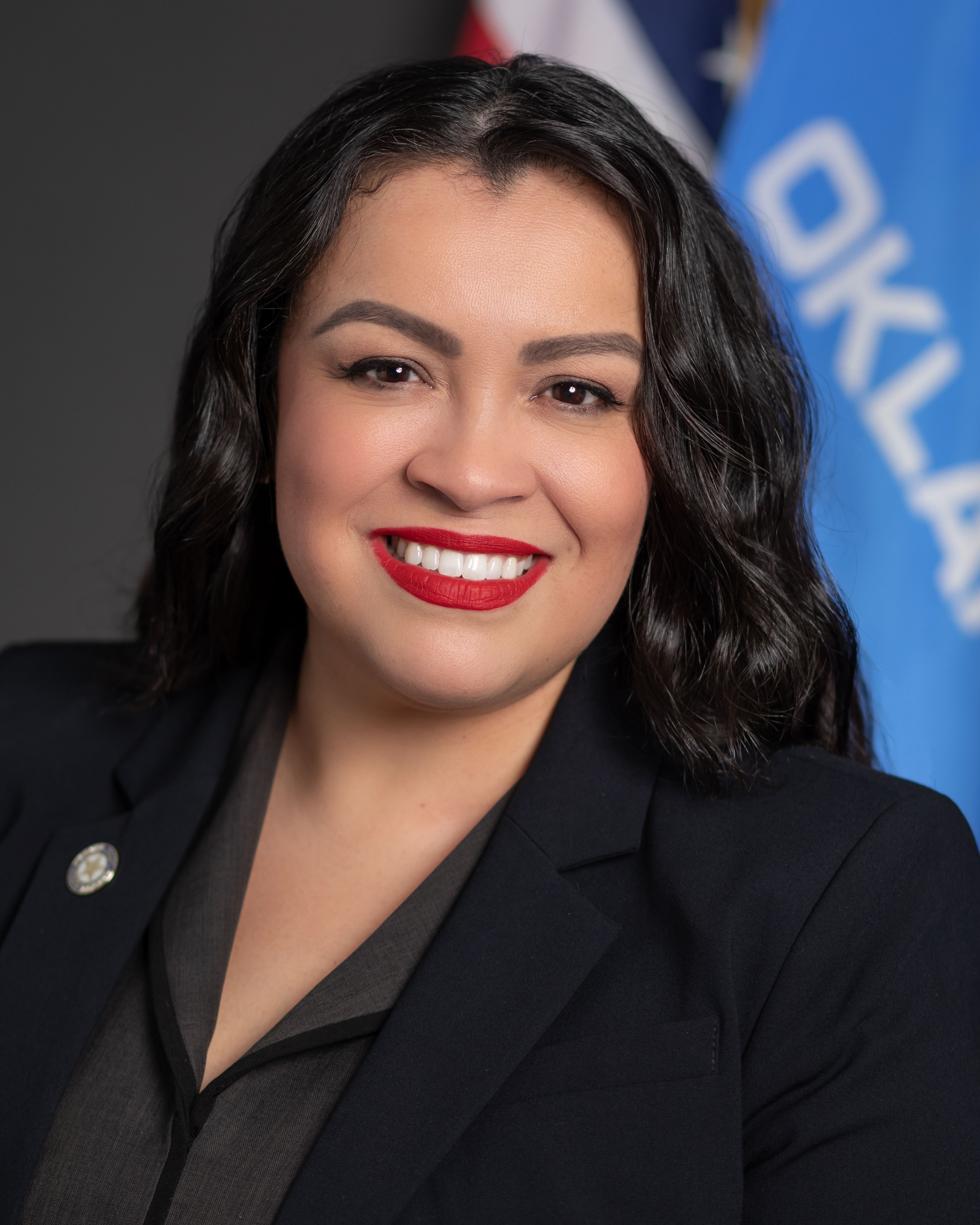
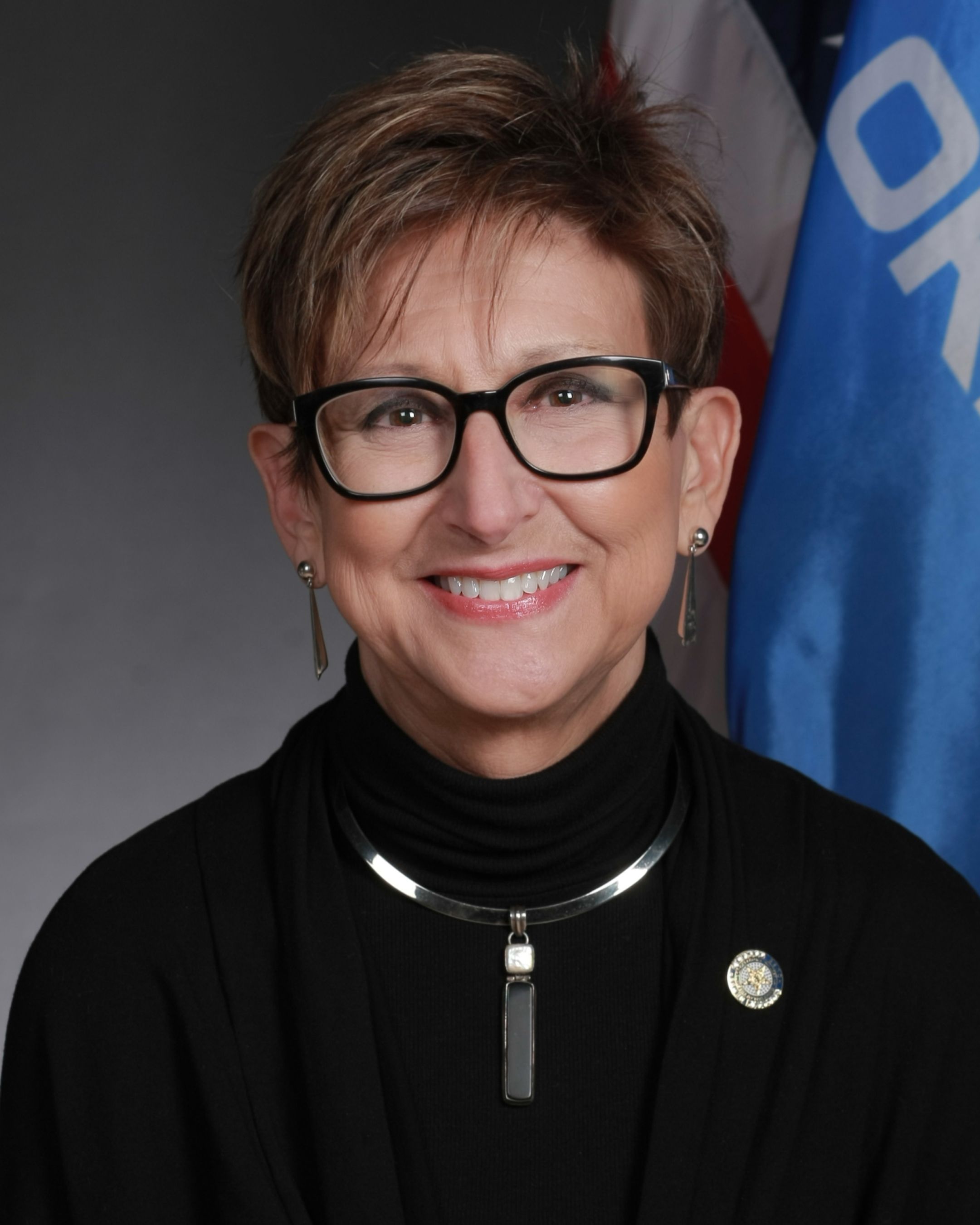
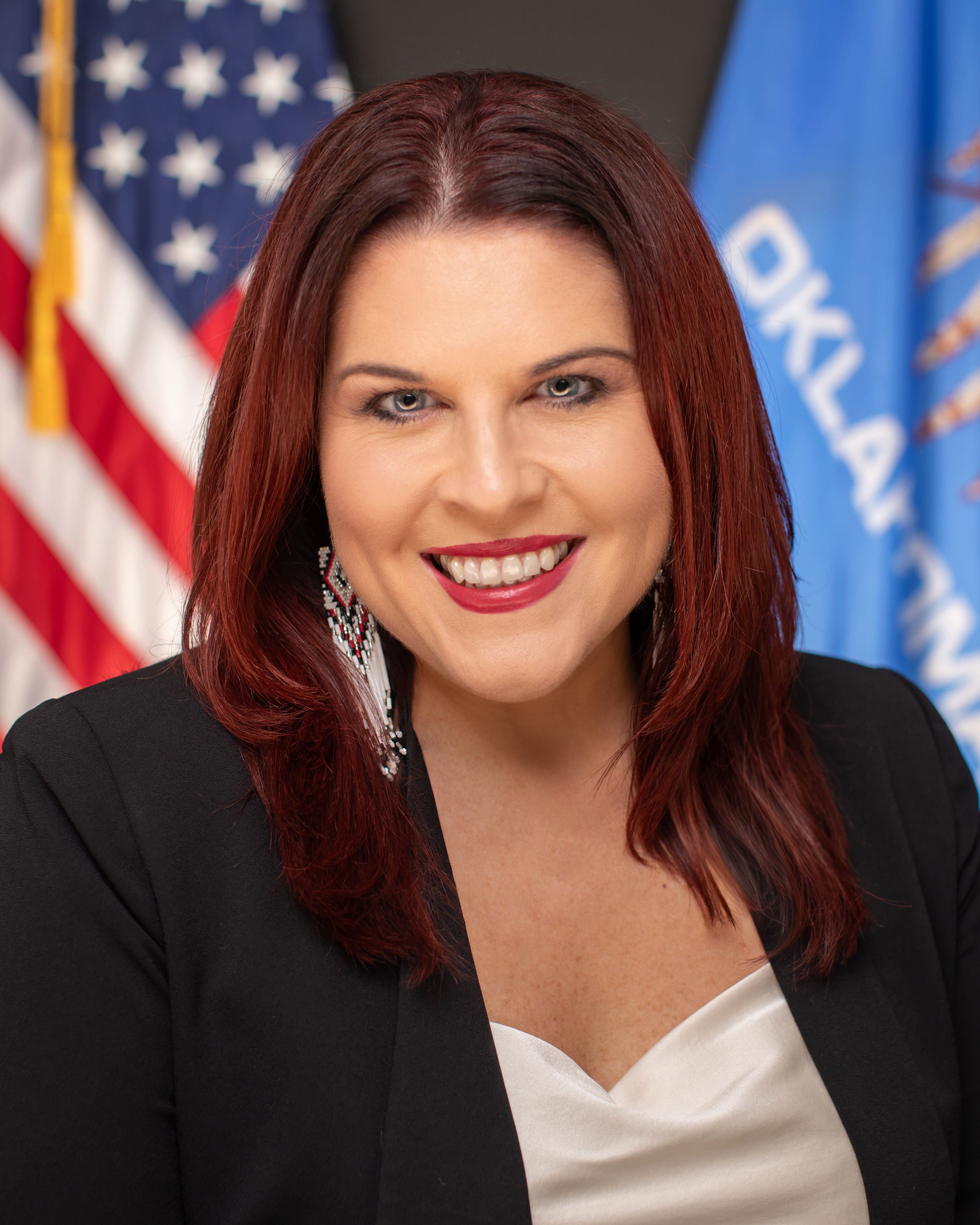
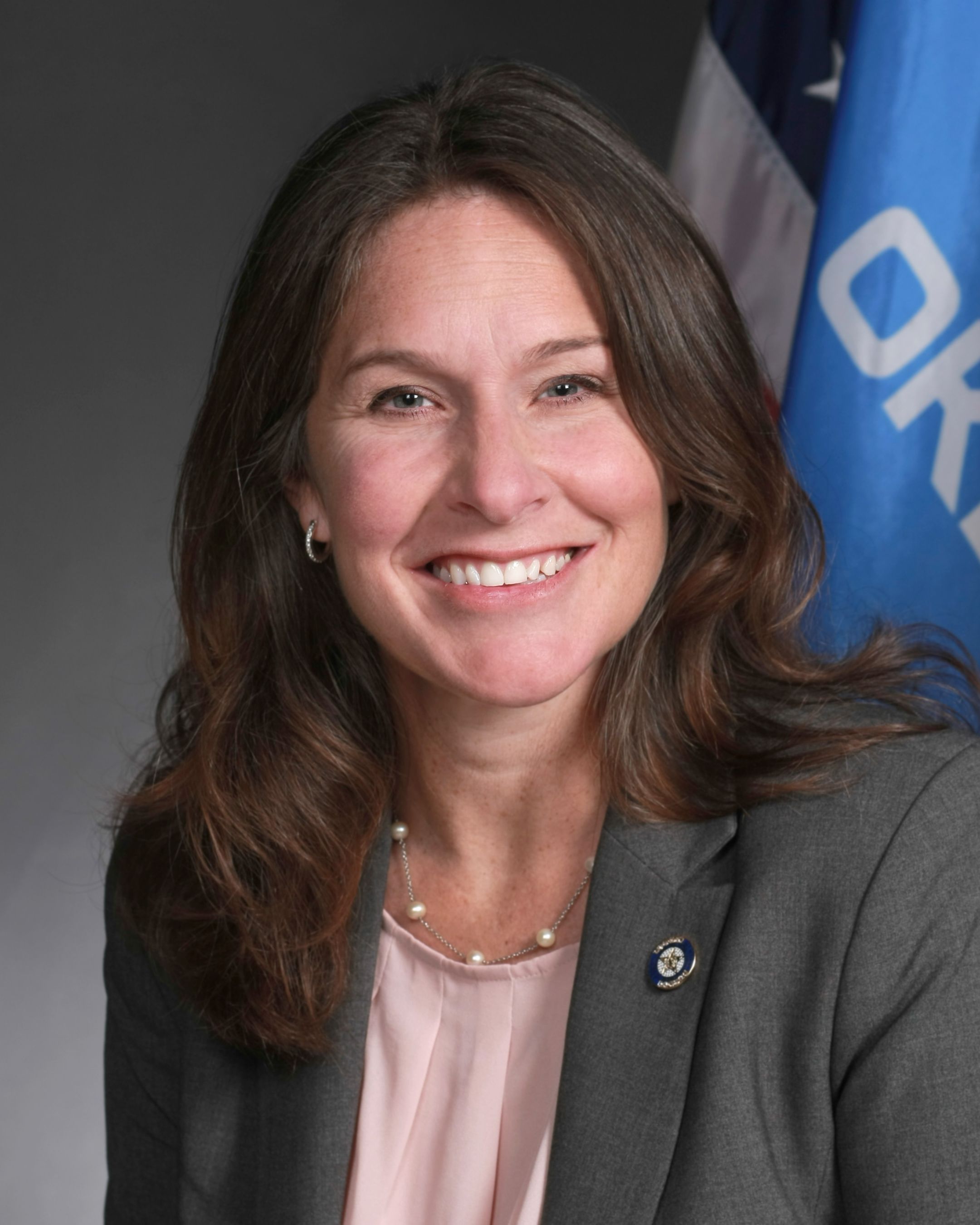
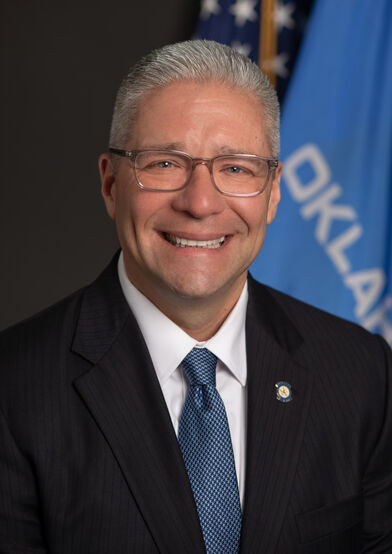
Annie Menz
Annie Menz House · District 45
D
Strong +
100% 6
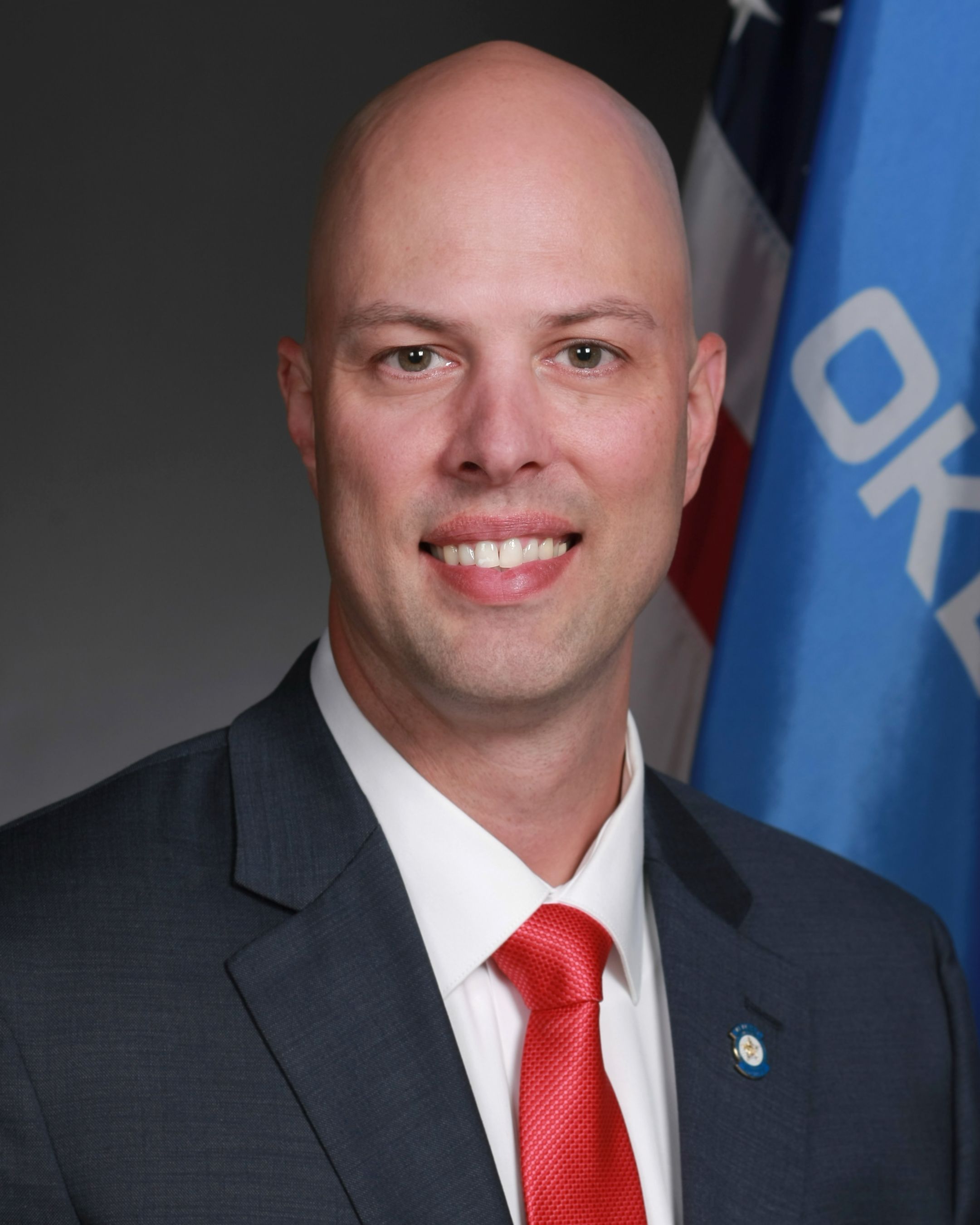
Meloyde Blancett
Meloyde Blancett House · District 78
D
Strong +
100% 6
Amanda Clinton
Amanda Clinton House · District 71
D
Strong +
100% 5
Melissa Provenzano
Melissa Provenzano House · District 79
D
Strong +
88% 8
Michael Brooks
Michael Brooks Senate · District 44
D
Strong +
87% 15
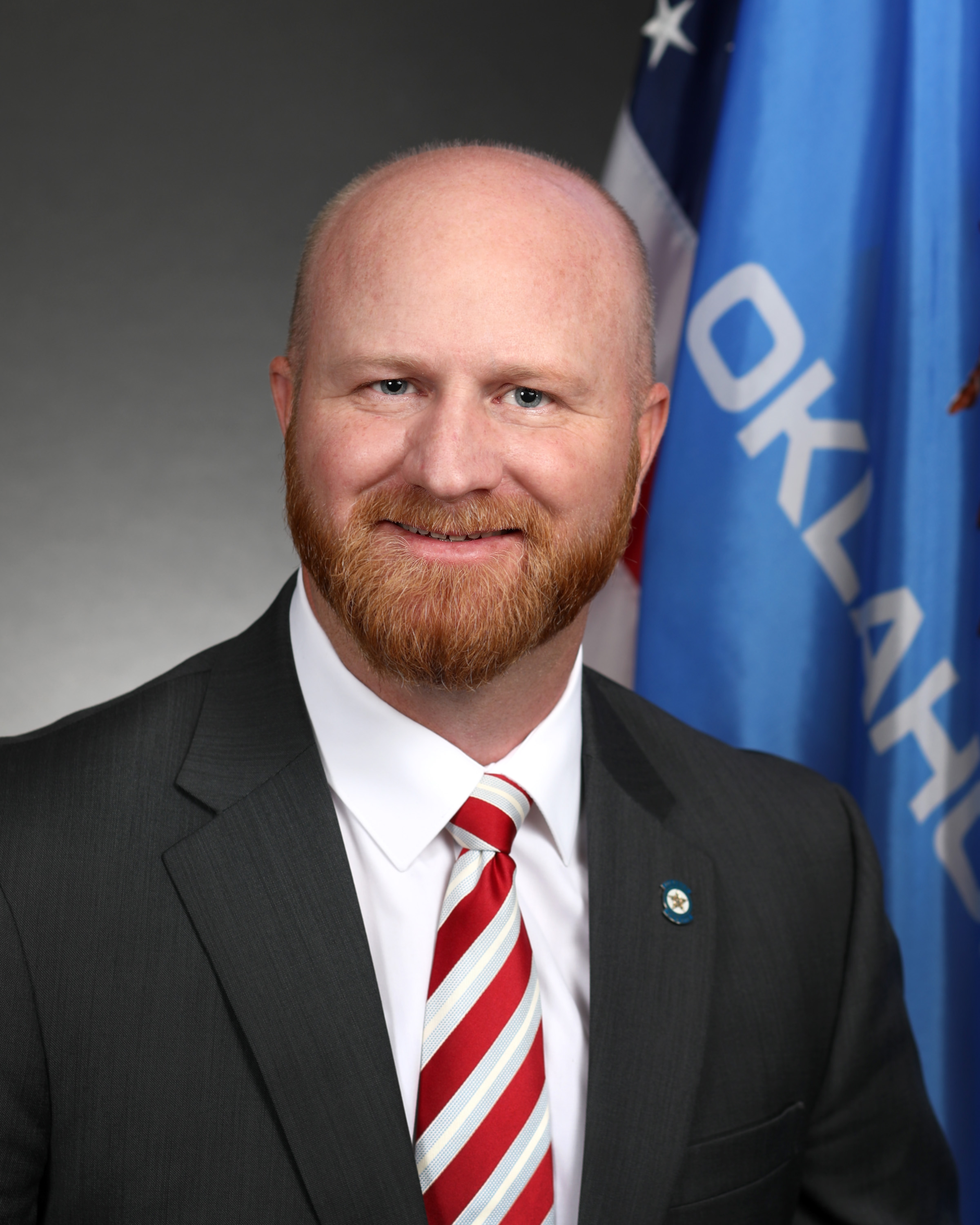
Jay Steagall
Jay Steagall House · District 43
R
Strong −
0% 5
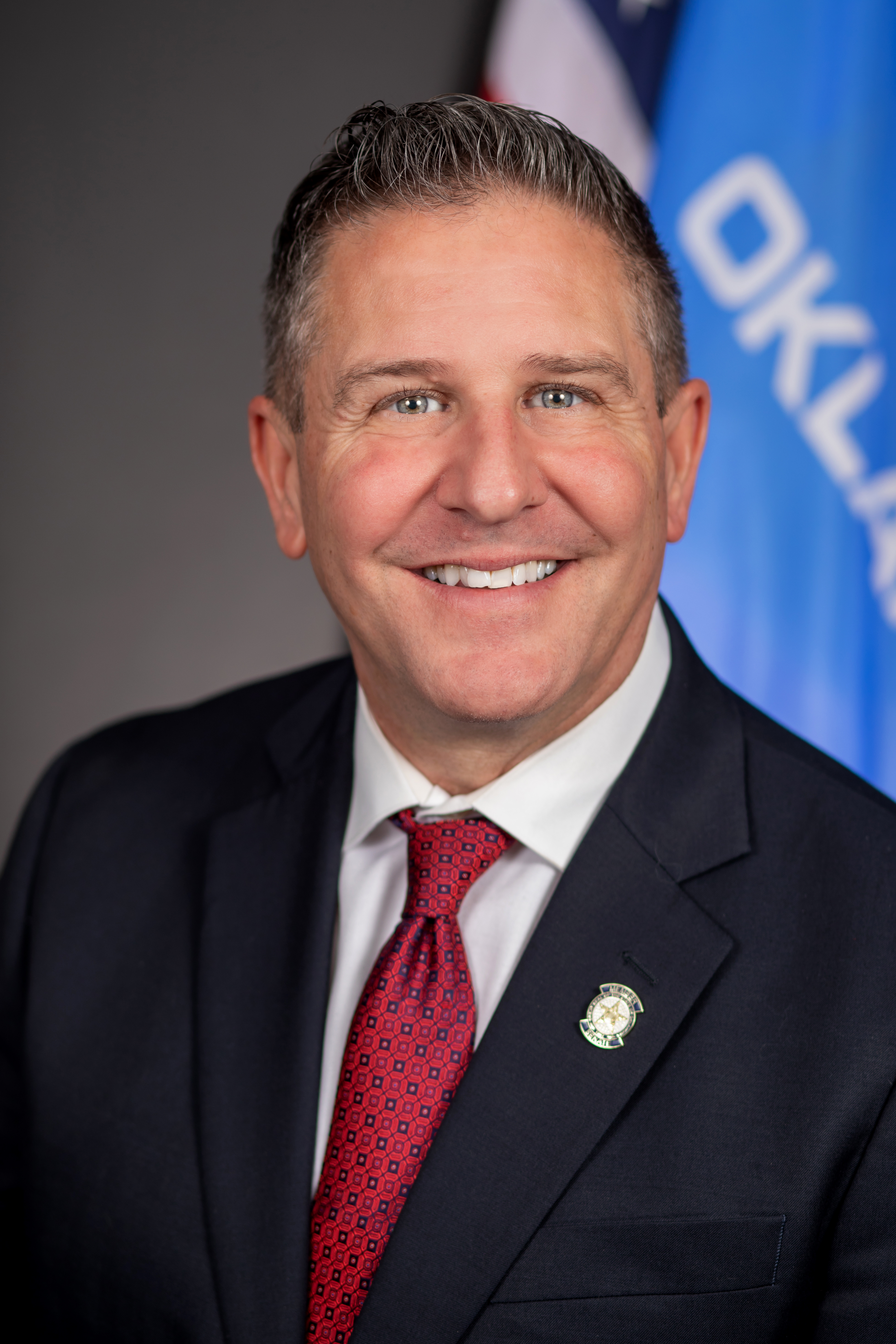
Dusty Deevers
Dusty Deevers Senate · District 32
R
Strong −
0% 4
Brent Howard
Brent Howard Senate · District 38
R
Strong −
10% 10
Todd Gollihare
Todd Gollihare Senate · District 12
R
Strong −
10% 10
Paul Rosino
Paul Rosino Senate · District 45
R
Strong −
11% 9
Showing 11–20 of 34 bills

All criminal justice bills

in committee · Oklahoma · House Feb 3, 2026

HB 3353: Pardon and Parole Board; updating language; effective date.

HB 3353 updates Oklahoma's Pardon and Parole Board rules to prevent conflicts of interest. It prohibits board members (or their law firms/partners) from representing incarcerated inmates in legal matters while serving on the Board, and requires disqualification from voting on cases involving inmates they previously represented. The bill also mandates board members to disclose potential conflicts and uphold impartiality. These changes take effect November 1, 2026, directly affecting Board members and inmates whose cases involve prior legal representation by a Board member.
Sub-Topics Probation & Parole
in committee · Oklahoma · House Feb 18, 2026

HB 3848: Sex offenders; creating the Transient Sex Offender Elimination Act of 2026; providing guidelines and restrictions for establishing program houses; codification; effective date.

HB 3848, the "Transient Sex Offender Elimination Act of 2026," establishes new rules for housing and rehabilitation programs for registered sex offenders in Oklahoma. It requires program houses (residential facilities for multiple offenders) to be at least 3,000 feet from protected zones and single-family homes to be at least 1,000 feet away, while mandating incarcerated sex offenders complete victim impact and life skills programs before release. Offenders must receive a reentry portfolio with housing/employment plans and approved rehabilitation curriculum upon release, and the law applies retroactively to all current offenders. The act takes effect November 1, 2026, and requires annual reports on program outcomes to the Legislature.
Sub-Topics Probation & Parole
in committee · Oklahoma · House Feb 3, 2026

HB 3356: Pardon and Parole Board; updating language; effective date.

HB 3356 updates Oklahoma's Pardon and Parole Board procedures for inmate release. It requires the Board to consider victim impact statements from sentencing and mandate that inmates pay monetary restitution for economic losses to victims before parole is granted. The bill also adds new conditions: inmates must secure suitable employment or housing, complete education programs (to a set proficiency level or earn a diploma), and may need to finish programs after release. Parole officers must help inmates find jobs or education, and failing to complete required programs can lead to parole revocation. The law takes effect November 1, 2026.
in committee · Oklahoma · Senate Feb 3, 2026

SJR 27: Constitutional amendment; clarifying Pardon and Parole Board voting procedures.

This constitutional amendment (SJR 27) clarifies voting procedures for Oklahoma's Pardon and Parole Board. It specifies that a tie vote on clemency recommendations for death row inmates does not count as a denial, and establishes rules for using alternate board members when regular members are absent or recused. Alternates must come from the same appointing authority as the absent member and have 180 days to review cases. The amendment directly affects the Board's operations and death penalty cases seeking clemency. It does not change the Board's authority over parole recommendations for nonviolent offenses.
Sub-Topics Probation & Parole
passed · Oklahoma · Senate Apr 7, 2026

SB 1450: Criminal court costs and fees; requiring waiver of certain costs and fees upon completion of certain requirements. Effective date.

SB 1450 allows Oklahoma courts to waive criminal court fines, costs, and fees for eligible individuals who meet specific payment and compliance requirements. It creates two pathways: (1) waiving costs after 24 months of timely monthly payments following release from prison, or (2) waiving costs after 48 months of timely payments within the prior 60 months, both requiring full probation/supervision compliance. The bill excludes restitution to victims and child support from waiver eligibility, and requires individuals released from prison to report to courts 180 days post-release to address outstanding debts. The law takes effect November 1, 2026.
passed · Oklahoma · House Apr 16, 2026

HB 3905: Domestic violence; requiring use of Global Positioning System (GPS) monitoring devices; effective date.

HB 3905 would require Oklahoma courts to mandate GPS monitoring devices for individuals convicted of domestic violence offenses as a standard condition of release or probation, unless the court determines it is unnecessary. This directly affects domestic violence offenders under court supervision and the judicial system managing their cases. The key provision establishes GPS tracking as a default measure, with judges retaining discretion to waive it for specific reasons. The policy aims to enhance victim safety by providing real-time location data of offenders.
signed · Oklahoma · Senate May 6, 2026

SB 1255: Pardons and paroles; requiring medical director of the Department of Corrections to make certain request. Effective date.

SB 1255 requires Oklahoma's Department of Corrections medical director to certify qualifying medical conditions and request the Pardon and Parole Board to place eligible inmates on a special docket for compassionate parole consideration. It directly affects inmates with specific terminal or debilitating conditions like dementia, cancer, HIV/AIDS, or conditions causing near-death (six-month life expectancy), or those unable to perform basic self-care. The bill bypasses the standard two-step parole hearing process for these inmates and mandates that at least three Board members must concur to consider medical parole. The Board must document concurrence in meeting minutes, and parolees may face revocation if their medical condition poses public safety risks.
signed · Oklahoma · Senate May 7, 2025

SB 76: Parole; authorizing parole revocation by certain entity. Effective date.

SB 76 clarifies Oklahoma's parole revocation process by explicitly authorizing both the Governor and the Pardon and Parole Board to revoke parole for violations, rather than relying solely on the Department of Corrections. It requires parolees arrested for violations to be jailed immediately, halting parole time and earned credits until a revocation decision is made. The bill also creates a new option: parolees may be placed in specialized correctional programs (intermediate sanctions facilities) instead of facing full revocation for minor violations, at the Department's discretion. This law, effective November 1, 2025, directly affects people on parole in Oklahoma who violate terms, and the state agencies managing parole.
passed · Oklahoma · House Apr 16, 2025

HB 2422: Sex offenders; establishing conditions for parole eligibility for certain sex offenders; codification; effective date.

HB 2422 modifies Oklahoma's parole rules for certain sex offenders convicted of crimes involving minors under 13. It requires a mental health evaluation to determine if hormonal treatment (medroxyprogesterone acetate) could reduce reoffending risk, making voluntary hormonal treatment a condition for parole eligibility. Parolees must continue this treatment while incarcerated, and failure to comply - along with new offenses - revokes parole eligibility. The bill applies only to offenders convicted on or after its effective date and amends existing parole statutes (57 O.S. §§ 332.21, 512) to implement these requirements.
Sub-Topics Probation & Parole
in committee · Oklahoma · Senate Feb 17, 2026

SB 1244: Pardons and paroles; modifying criteria for certain parole of elderly individuals. Effective date.

SB 1244 modifies Oklahoma's parole rules for inmates aged 60 or older by requiring the Pardon and Parole Board to grant parole to eligible individuals who have served either 10 years or one-third of their sentence (whichever is shorter), provided they pose minimal public safety risks. The bill mandates that the Board use a risk-assessment tool including health status when evaluating these inmates and requires parole hearings for eligible aging inmates. It updates statutory language to define "aging inmate" as 60+ years old and specifies that the Board must consider health factors in risk assessments. The law takes effect November 1, 2026.
Sub-Topics Corrections Probation & Parole Tags Seniors
Showing 11 to 20 of 34 bills
Previous 1 2 3 4 Next