

Issue · Criminal Justice

Criminal Justice (Drug Policy)

Every criminal justice bill, vote, and legislator stance in Oklahoma, automatically classified by Maddy, our AI policy reader.

Total bills
12
2026 Regular Session
Top supporter
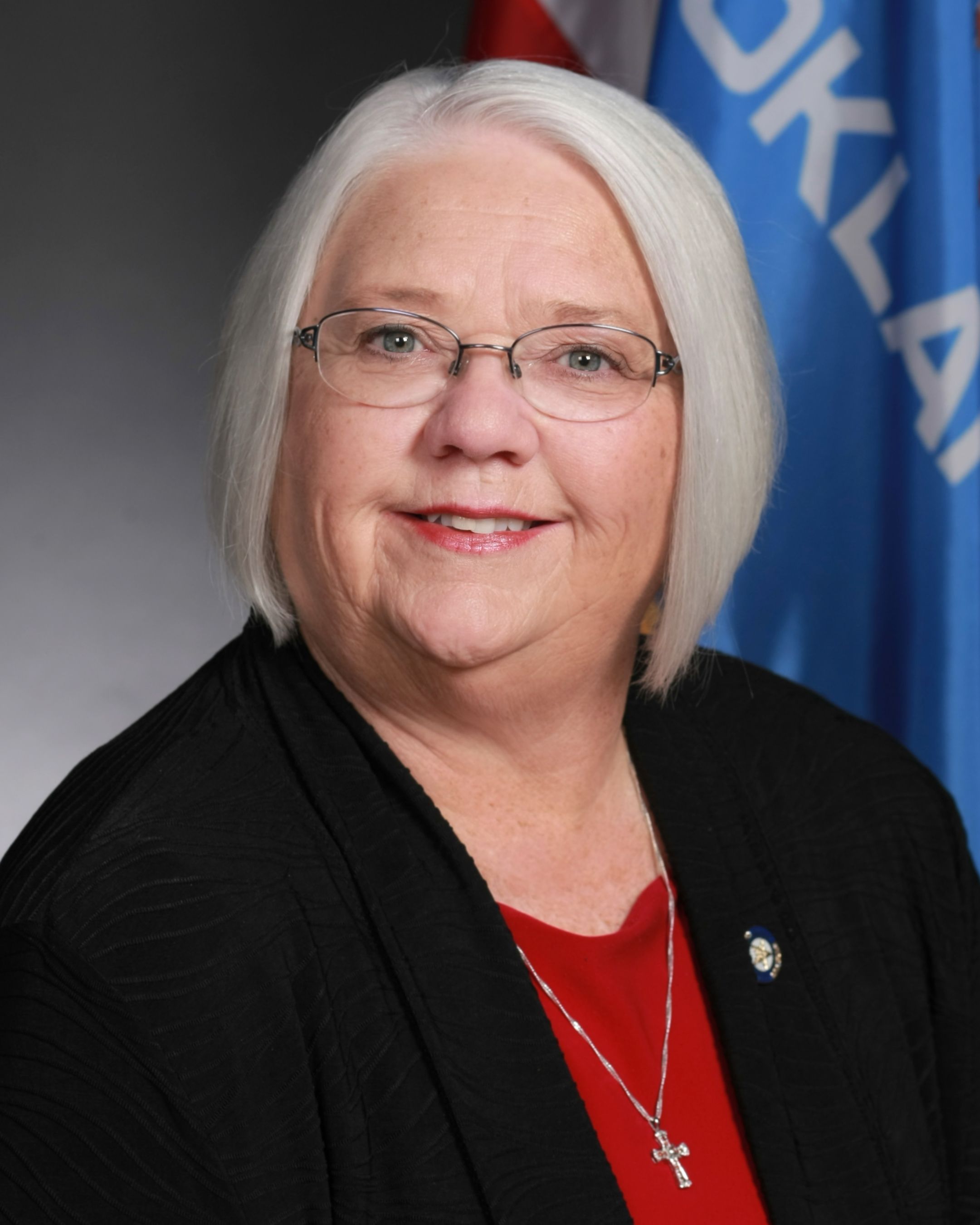
Marilyn Stark
100% support rate
Top opponent
Amanda Clinton
0% support rate
Ranked legislators
10
5 support · 5 oppose
Key legislators

Who's moving drug policy in Oklahoma

Legislators moving drug policy in Oklahoma
Legislator Party Stance Support rate Votes
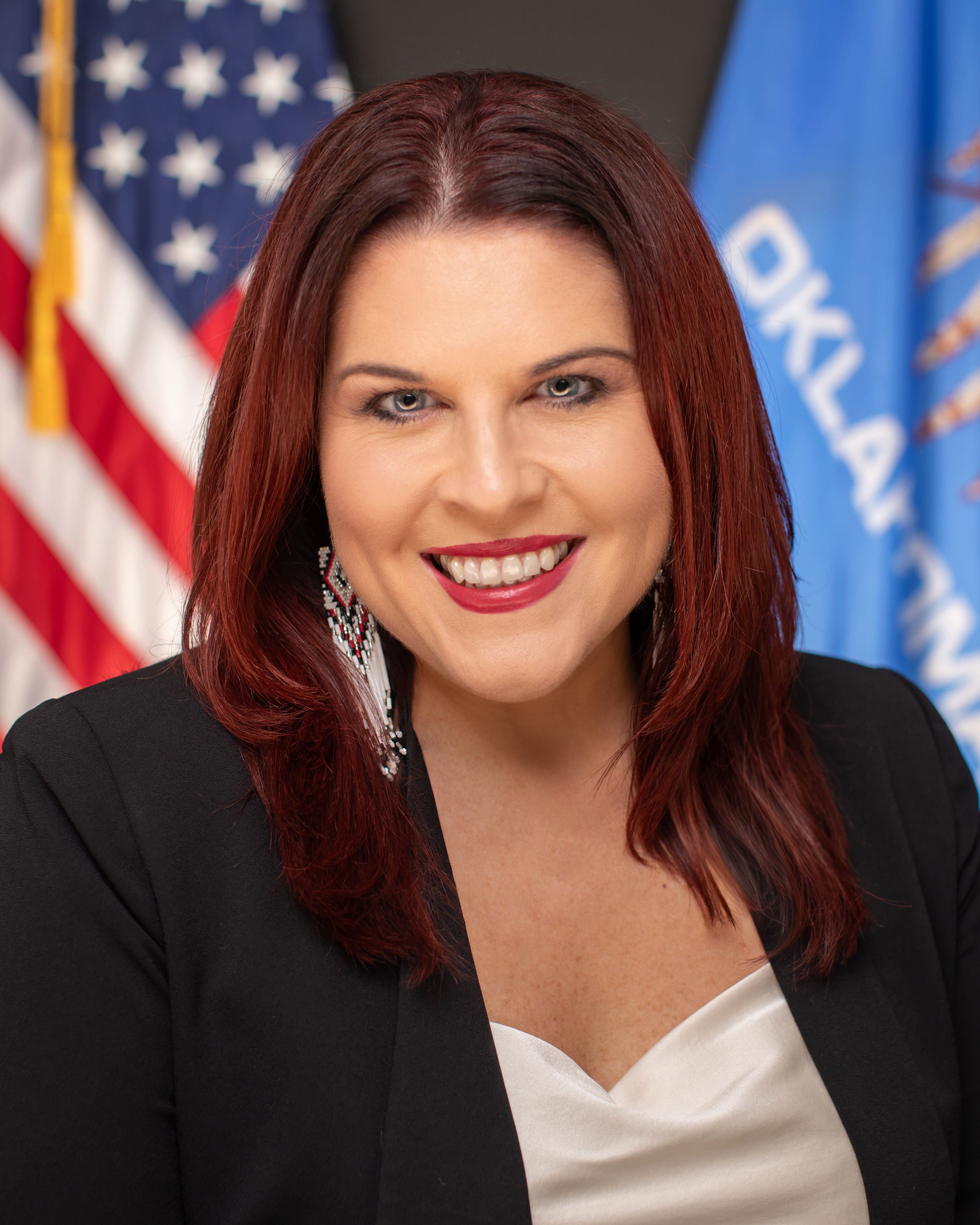
Marilyn Stark
Marilyn Stark House · District 100
R
Strong +
100% 5
DT
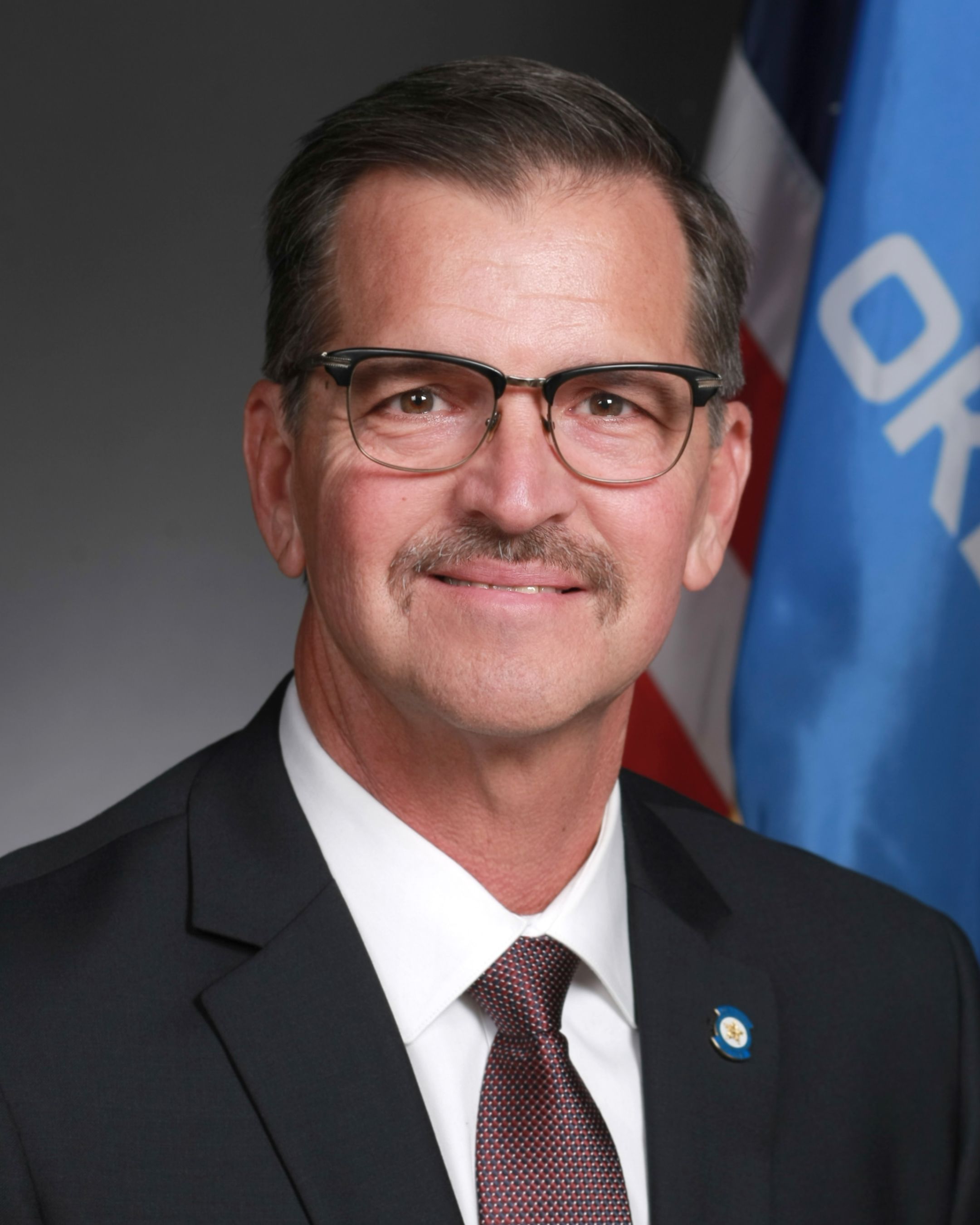
Dillon Travis House · District 35
R
Strong +
100% 3
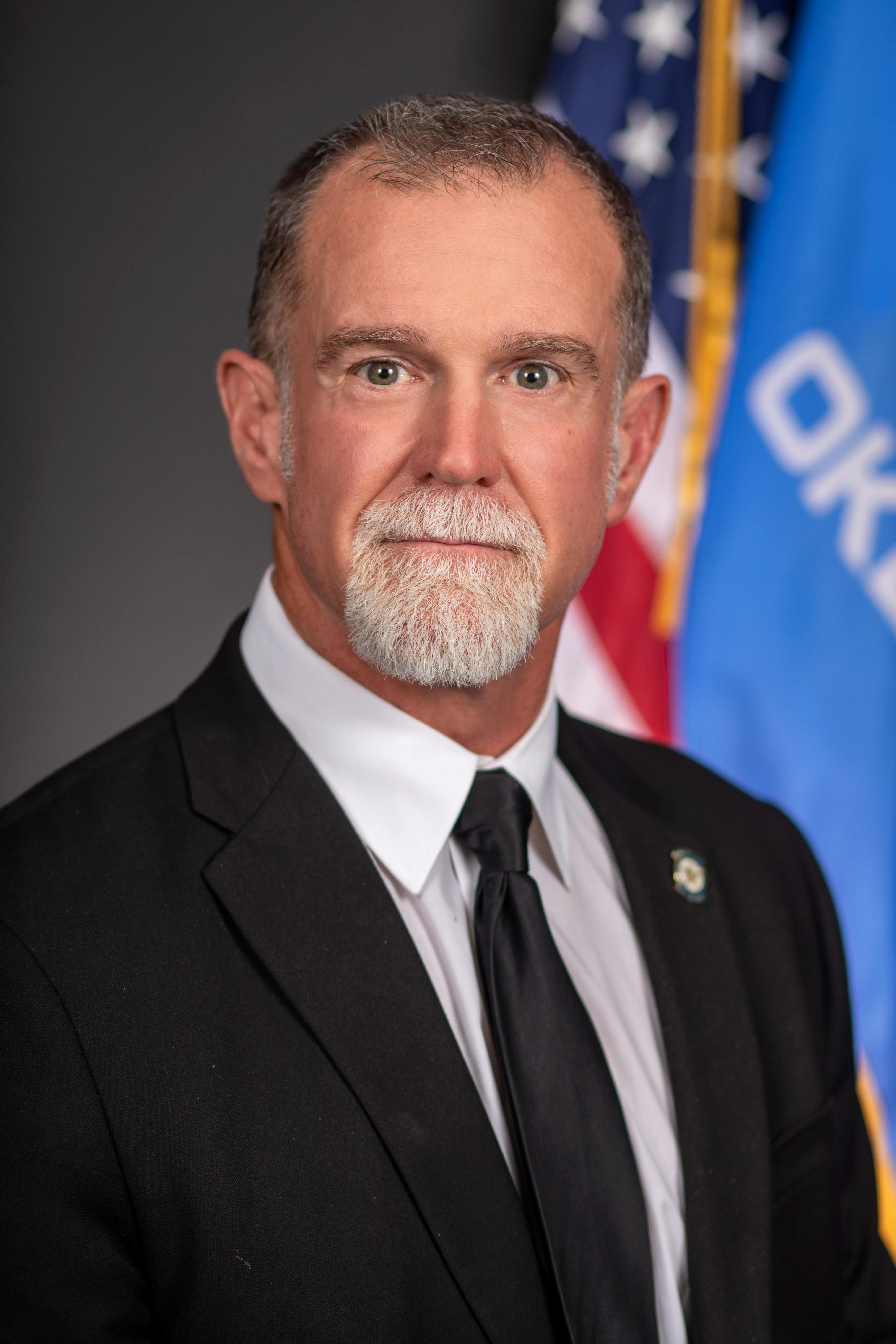
Emily Gise
Emily Gise House · District 90
R
Strong +
86% 7
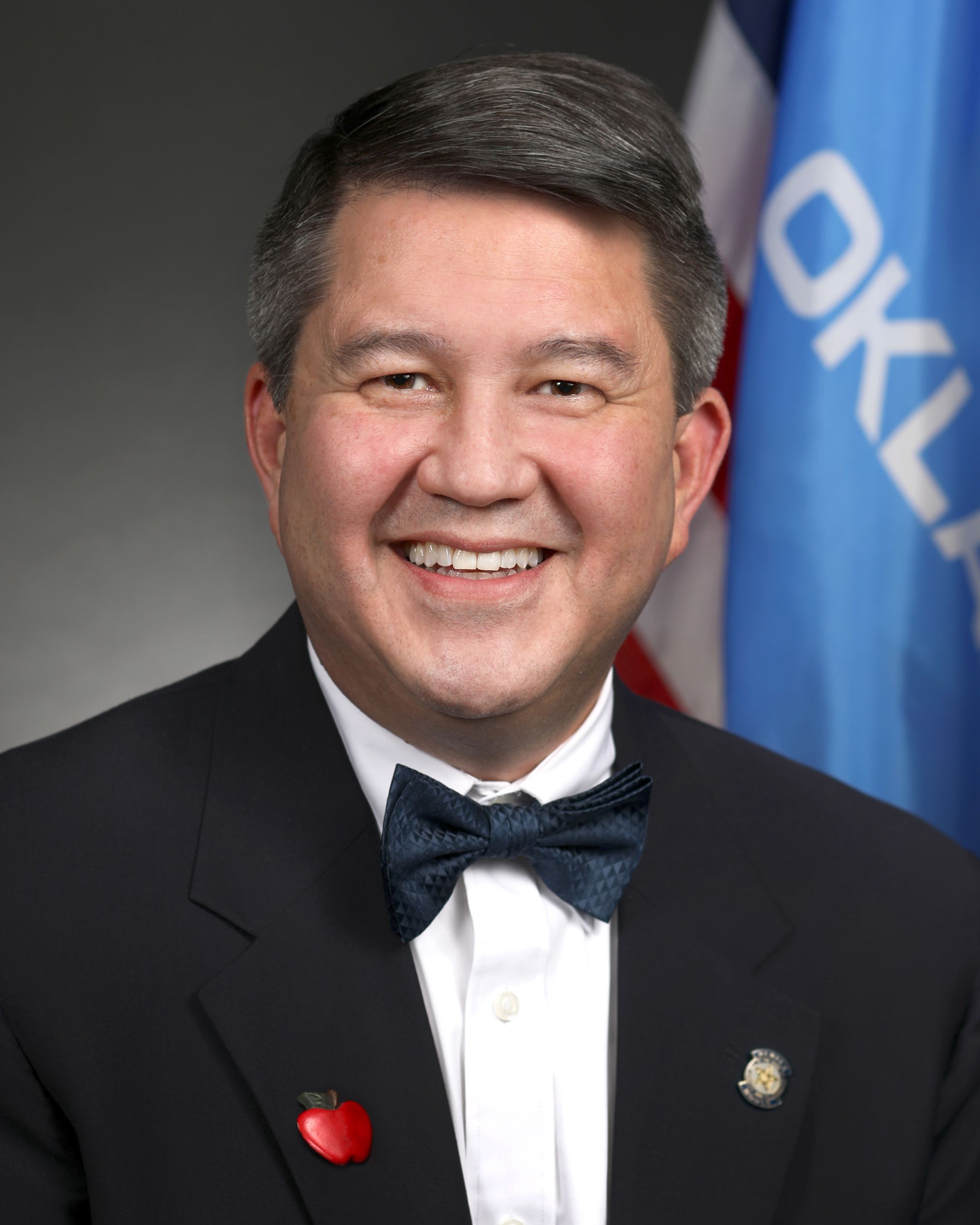
Mark Chapman
Mark Chapman House · District 12
R
Strong +
86% 7
Mark Tedford
Mark Tedford House · District 69
R
Strong +
86% 7
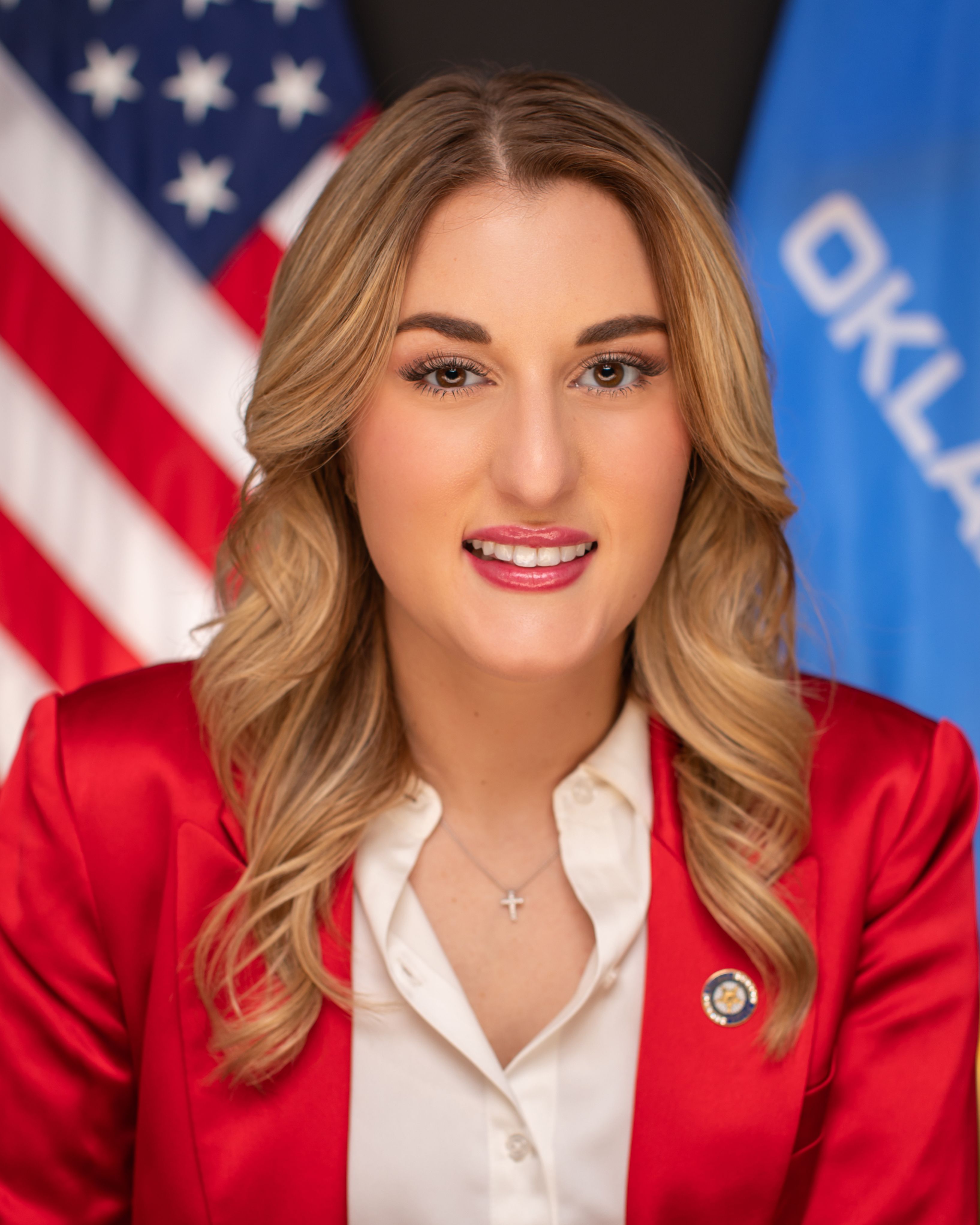
Amanda Clinton
Amanda Clinton House · District 71
D
Strong −
0% 3
Ronny Johns
Ronny Johns House · District 25
R
Strong −
20% 5
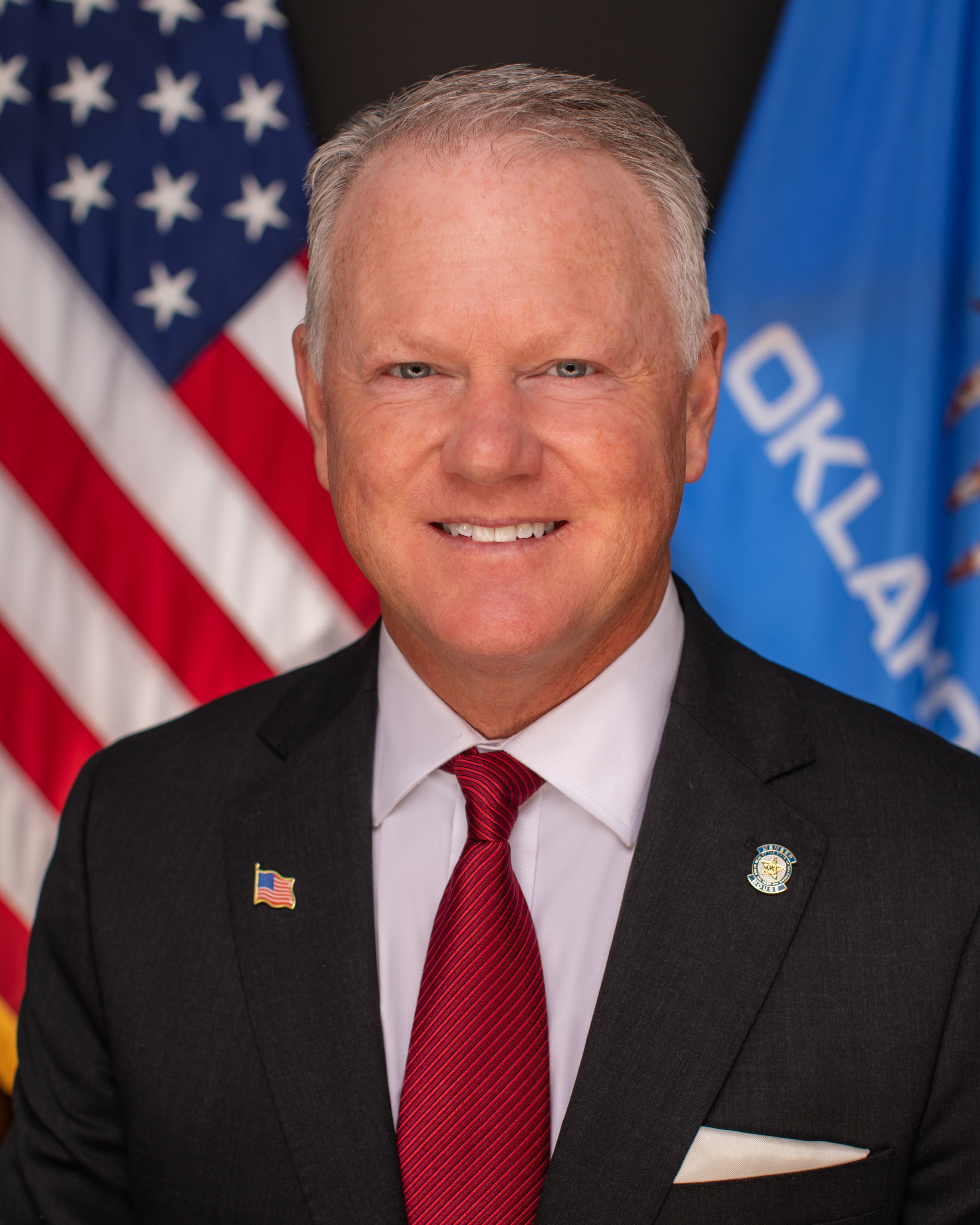
Warren Hamilton
Warren Hamilton Senate · District 7
R
Oppose
23% 13
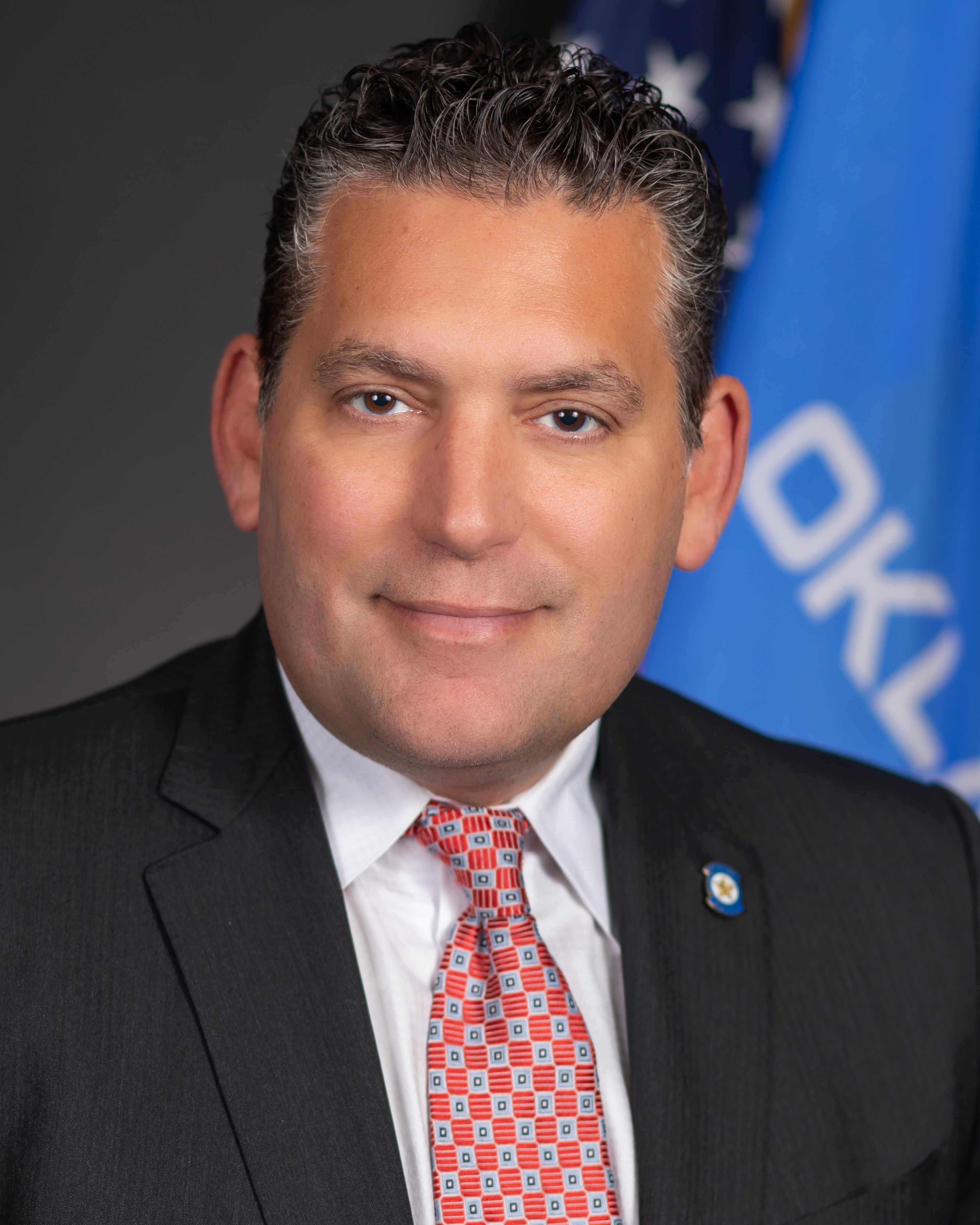
Andy Fugate
Andy Fugate House · District 94
D
Oppose
25% 4
Jim Grego
Jim Grego House · District 17
R
Oppose
25% 4
Showing 11–12 of 12 bills

All criminal justice bills

died · Oklahoma · House Feb 24, 2025

HB 2057: Trauma Care Assistance Revolving Fund; medical marijuana taxation; apportionment; assess; collect; apportionments; funds; effective date; emergency.

HB 2057 establishes a 7% tax on retail medical marijuana sales in Oklahoma, collected at the point of sale. Tax revenue is allocated annually starting July 2026: $65 million is divided between the State Public Common School Building Fund (59.23%), the Oklahoma Medical Marijuana Authority (34.62%), drug and alcohol rehabilitation programs (5%), and the Trauma Care Assistance Revolving Fund (1.15%). Any surplus tax collections go to the General Revenue Fund. The bill also requires medical marijuana businesses to pay taxes or face permanent license revocation.
Sub-Topics Revenue Drug Policy
vetoed · Oklahoma · Senate May 29, 2025

SB 574: Attorney General; broadening approved purposes for opioid grant awards; authorizing certain use of funds by the Attorney General. Effective date.

SB 574 expands the types of opioid-related projects eligible for state grant funding by allowing the Attorney General to allocate funds toward new prevention, treatment, and recovery initiatives. It directly affects state agencies and community organizations receiving opioid grants by broadening allowable uses beyond current restrictions. The bill authorizes the Attorney General to use grant funds for specific, previously ineligible activities, such as community-based support programs. This policy change modifies how opioid grant funds are distributed without altering the grant application process.
Showing 11 to 12 of 12 bills