Issue · Criminal Justice

Criminal Justice

Every criminal justice bill, vote, and legislator stance in Oklahoma, automatically classified by Maddy, our AI policy reader.

Total bills
309
2026 Regular Session
Top supporter
Aletia Timmons
76% support rate
Top opponent
Brian Guthrie
24% support rate
Ranked legislators
10
5 support · 5 oppose
Key legislators

Who's moving criminal justice in Oklahoma

Legislators moving criminal justice in Oklahoma
Legislator Party Stance Support rate Votes
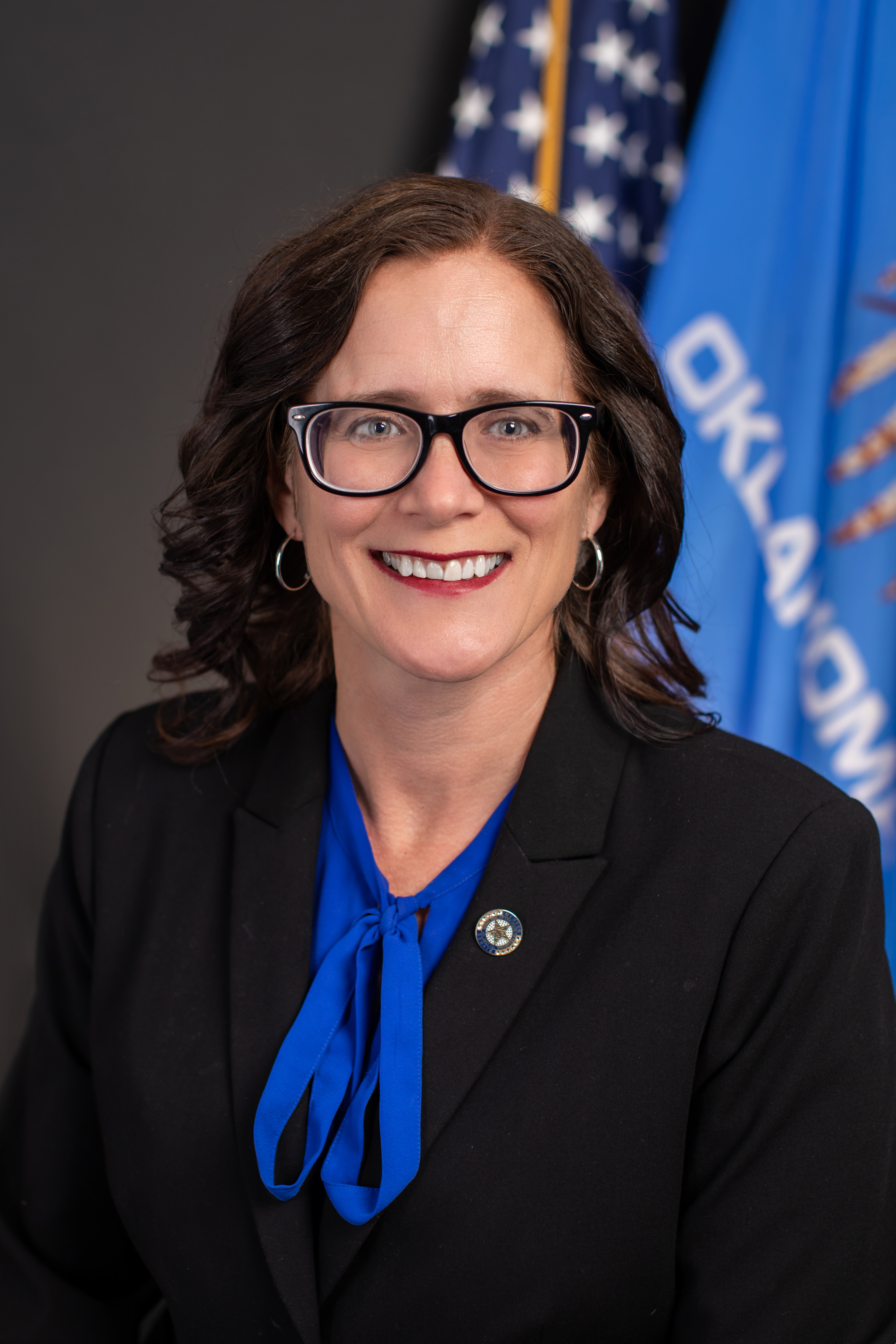
Aletia Timmons
Aletia Timmons House · District 97
D
Support
76% 91
Regina Goodwin
Regina Goodwin Senate · District 11
D
Support
73% 225
Michael Brooks
Michael Brooks Senate · District 44
D
Support
72% 274
Carri Hicks
Carri Hicks Senate · District 40
D
Support
71% 184
Julia Kirt
Julia Kirt Senate · District 30
D
Support
70% 174
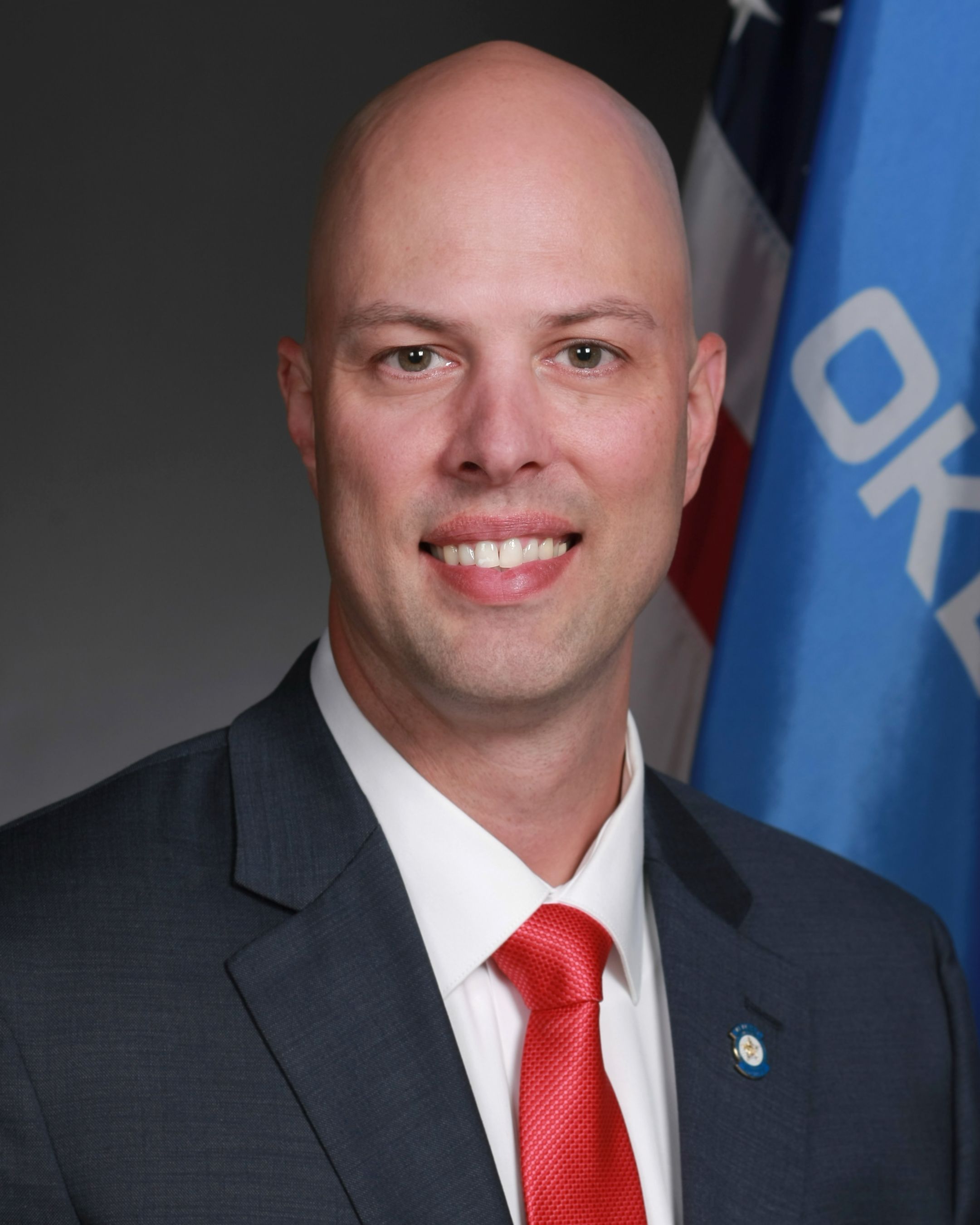
Brian Guthrie
Brian Guthrie Senate · District 25
R
Oppose
24% 158
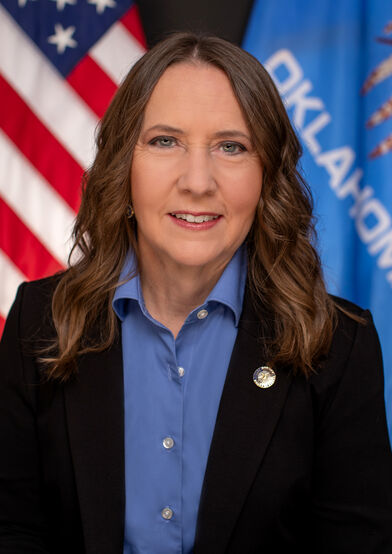
Lisa Standridge
Lisa Standridge Senate · District 15
R
Oppose
26% 220
Jay Steagall
Jay Steagall House · District 43
R
Oppose
27% 149
Julie McIntosh
Julie McIntosh Senate · District 3
R
Oppose
28% 164
Dusty Deevers
Dusty Deevers Senate · District 32
R
Oppose
28% 156
Showing 101–110 of 309 bills

All criminal justice bills

in committee · Oklahoma · House Feb 3, 2026

HB 4114: Motor vehicles; removing license suspension requirement for nonpayment of court-ordered financial obligations; effective date.

HB 4114 removes the automatic suspension of driver's licenses for unpaid court debts like fines, fees, and costs (excluding restitution). It requires courts to hold "cost hearings" to determine a person's ability to pay before imposing penalties, and allows hardship waivers for those who cannot afford payments. The bill specifically presumes inability to pay for individuals receiving TANF, SNAP, housing assistance, or earning below 150% of the federal poverty level. Service Oklahoma must stop suspending licenses for these debts and provide notifications about payment options or cost hearings.
Sub-Topics Courts Victims' Rights
in committee · Oklahoma · House Feb 3, 2026

HB 3195: District attorneys; clarifying scope of certain prohibited acts; effective date.

HB 3195 clarifies and strengthens penalties for district attorneys and related officials who commit misconduct in legal proceedings. The bill specifically amends Oklahoma law to define clear felony classifications (Class D3 or D1) for acts like offering forged evidence (Section 451), making false statements to influence witnesses (Section 452), falsifying records (Section 453), destroying evidence (Section 454), bribing witnesses (Section 456), committing perjury (Section 491), suborning perjury (Section 504), and falsifying official records (Section 531). It directly affects district attorneys, assistant district attorneys, sheriffs, clerks, and other court officials who handle evidence or official records. The changes ensure consistent felony penalties for these specific misconducts without creating new offenses. The bill takes effect November 1, 2026.
Sub-Topics Courts
died · Oklahoma · House Feb 19, 2026

HB 3743: Criminal procedure; competency determinations; examiners; evaluations; procedures to determine treatment; community-based outpatient programs; in patient care; progress reports; effective date.

HB 3743 updates Oklahoma's criminal procedure for determining defendant competency. It defines "competent" as understanding charges and assisting defense, and "incompetent" as lacking that ability. The bill requires courts to hold competency hearings within a "reasonable period" (max 2 years or the maximum sentence for the charge), mandates outpatient evaluations before inpatient care when possible, and requires periodic progress reports for competency restoration. It specifically adds protocols for cases involving intellectual disability, involving the Office of Public Guardian and Developmental Disabilities Services. This directly affects defendants in criminal cases, courts, mental health providers, and public guardianship offices.
died · Oklahoma · Senate Mar 11, 2026

SB 1647: Mental health and substance abuse services; broadening purpose of County Community Safety Investment Fund; authorizing certain awards for specified programs. Effective date. Emergency.

SB 1647 creates a revolving fund called the County Community Safety Investment Fund within Oklahoma's Department of Mental Health and Substance Abuse Services. The bill broadens the fund's purpose to support evidence-based county programs including mental health/substance abuse treatment, pretrial diversion, jail intake screenings, employment, education, and housing services. Counties and multi-county partnerships can apply for funding, while the Oklahoma Indigent Defense System Board may receive up to $1 million annually for similar programs. The bill requires annual reporting to state legislators on fund allocations and program outcomes. It becomes effective July 1, 2026, with an emergency declaration.
in committee · Oklahoma · House Feb 3, 2026

HB 3353: Pardon and Parole Board; updating language; effective date.

HB 3353 updates Oklahoma's Pardon and Parole Board rules to prevent conflicts of interest. It prohibits board members (or their law firms/partners) from representing incarcerated inmates in legal matters while serving on the Board, and requires disqualification from voting on cases involving inmates they previously represented. The bill also mandates board members to disclose potential conflicts and uphold impartiality. These changes take effect November 1, 2026, directly affecting Board members and inmates whose cases involve prior legal representation by a Board member.
Sub-Topics Probation & Parole
in committee · Oklahoma · House Feb 18, 2026

HB 3848: Sex offenders; creating the Transient Sex Offender Elimination Act of 2026; providing guidelines and restrictions for establishing program houses; codification; effective date.

HB 3848, the "Transient Sex Offender Elimination Act of 2026," establishes new rules for housing and rehabilitation programs for registered sex offenders in Oklahoma. It requires program houses (residential facilities for multiple offenders) to be at least 3,000 feet from protected zones and single-family homes to be at least 1,000 feet away, while mandating incarcerated sex offenders complete victim impact and life skills programs before release. Offenders must receive a reentry portfolio with housing/employment plans and approved rehabilitation curriculum upon release, and the law applies retroactively to all current offenders. The act takes effect November 1, 2026, and requires annual reports on program outcomes to the Legislature.
Sub-Topics Probation & Parole
signed · Oklahoma · House May 11, 2026

HB 3040: Crimes and punishments; expanding zone of safety to include certain places; effective date.

HB 3040 expands Oklahoma's "zone of safety" protections to include the residences of sex crime victims and additional locations primarily serving minors, such as skating rinks, arcades, and water parks. It prohibits registered sex offenders from loitering within 500 feet of schools, child care centers, parks, or minor-focused venues, or within 1,000 feet of a victim's residence, with violations classified as Class D1 felonies. The bill includes exceptions for custodial parents during school activities (with advance notification to administrators) and for medical treatment or church attendance (with prior notification to facility leaders). These changes aim to strengthen safety measures around vulnerable locations while specifying clear boundaries and limited exemptions under Oklahoma law.
in committee · Oklahoma · House Feb 18, 2026

HB 3763: Law enforcement; providing for additional mandatory continuing education on certain issues; effective date.

HB 3763 requires all active, CLEET-certified law enforcement officers in Oklahoma to complete additional mandatory training annually. Full-time officers must complete 25 hours yearly, including 2 hours on mental health and 2 hours on domestic violence/intimate partner violence protocols. Reserve officers must complete 8 hours yearly, including 1 hour on each topic. The bill also mandates training on sexual assault response protocols (already required since 2019) and specifies certification suspension for non-compliance after written notice. It becomes effective November 1, 2026.
in committee · Oklahoma · House Feb 3, 2026

HB 3836: Asset forfeiture; creating the Asset Forfeiture Due Process and Property Rights Restoration Act; defining terms; repealers; codification; effective date.

HB 3836 creates the "Asset Forfeiture Due Process and Property Rights Restoration Act" to reform Oklahoma's asset forfeiture process. It requires the state to prove property forfeiture with "clear and convincing evidence" (not just preponderance of evidence), mandates property return within 15 days if charges are dismissed or not filed within 60 days, and imposes penalties on agencies that violate these timelines (including $250/day fines and attorney fees). The bill directly affects property owners whose assets are seized and law enforcement agencies handling forfeitures, while directing all forfeiture proceeds to the state General Revenue Fund. Key provisions include protecting innocent owners, prohibiting transfers of retained property to federal agencies, and adding criminal penalties for agency misconduct.
Sub-Topics Law Enforcement
in committee · Oklahoma · Senate Feb 10, 2026

SB 1925: Protection from Domestic Abuse Act; modifying penalties for protective order violations. Effective date.

SB 1925 amends Oklahoma's penalties for violating protective orders in domestic abuse cases. It increases fines and jail terms for repeat violations and for violations causing physical injury, with mandatory 52-week domestic abuse treatment programs for offenders. First-time violations without injury carry up to 1 year in jail or $1,000 fines, while second-time violations become Class D1 felonies with 1-3 years in prison. Violations causing injury now trigger misdemeanor Class D1 felony charges with 20 days to 3 years in prison, plus mandatory counseling. The bill directly affects individuals convicted of breaching domestic abuse protective orders.
Showing 101 to 110 of 309 bills
Previous 1 10 11 12 31 Next